


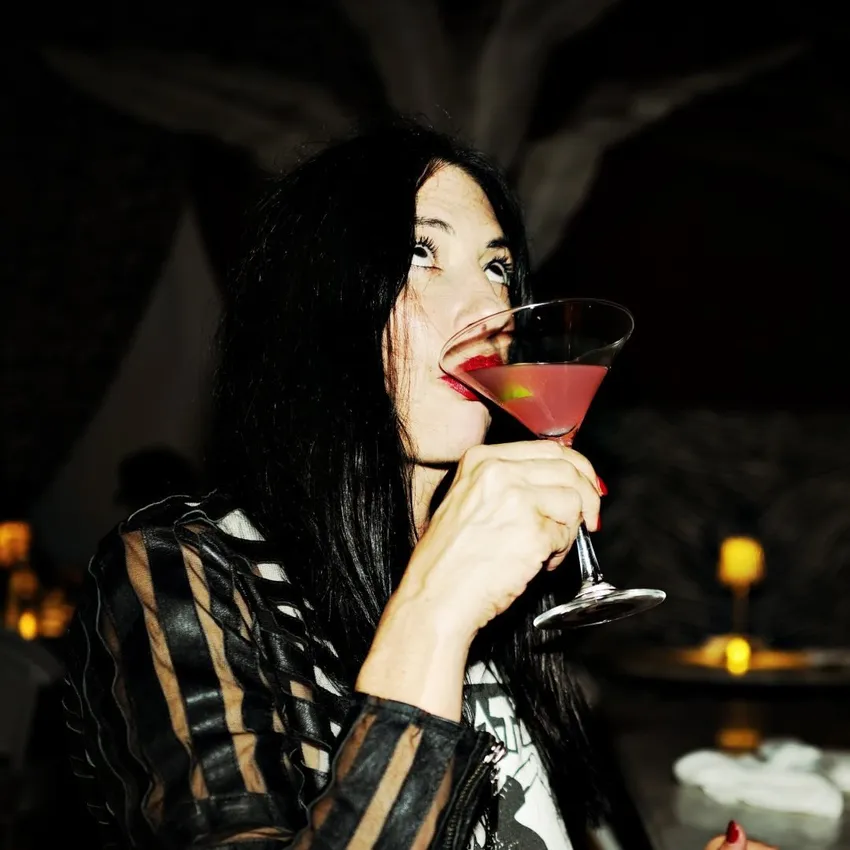

Justine Gilcrease shares the secrets behind the enduring success of Justine's Brasserie and the Secret House. In this session, she explains why sticking to a creative vision is more important than pleasing everyone and how to maintain authenticity when transitioning from nighttime dining to daytime cafe culture.
Introduce yourself and tell us a bit about your career path and how you ended up in the restaurant world.
Justine Gilcrease: Hi everyone, I'm Justine Gilcrease and I am the owner of Justine's Brasserie in Austin, Texas. I also own the Secret House, which is our event space, and I'm also opening the cafe at the Blanton Museum of Art, Cafe Fleur de Nuit.
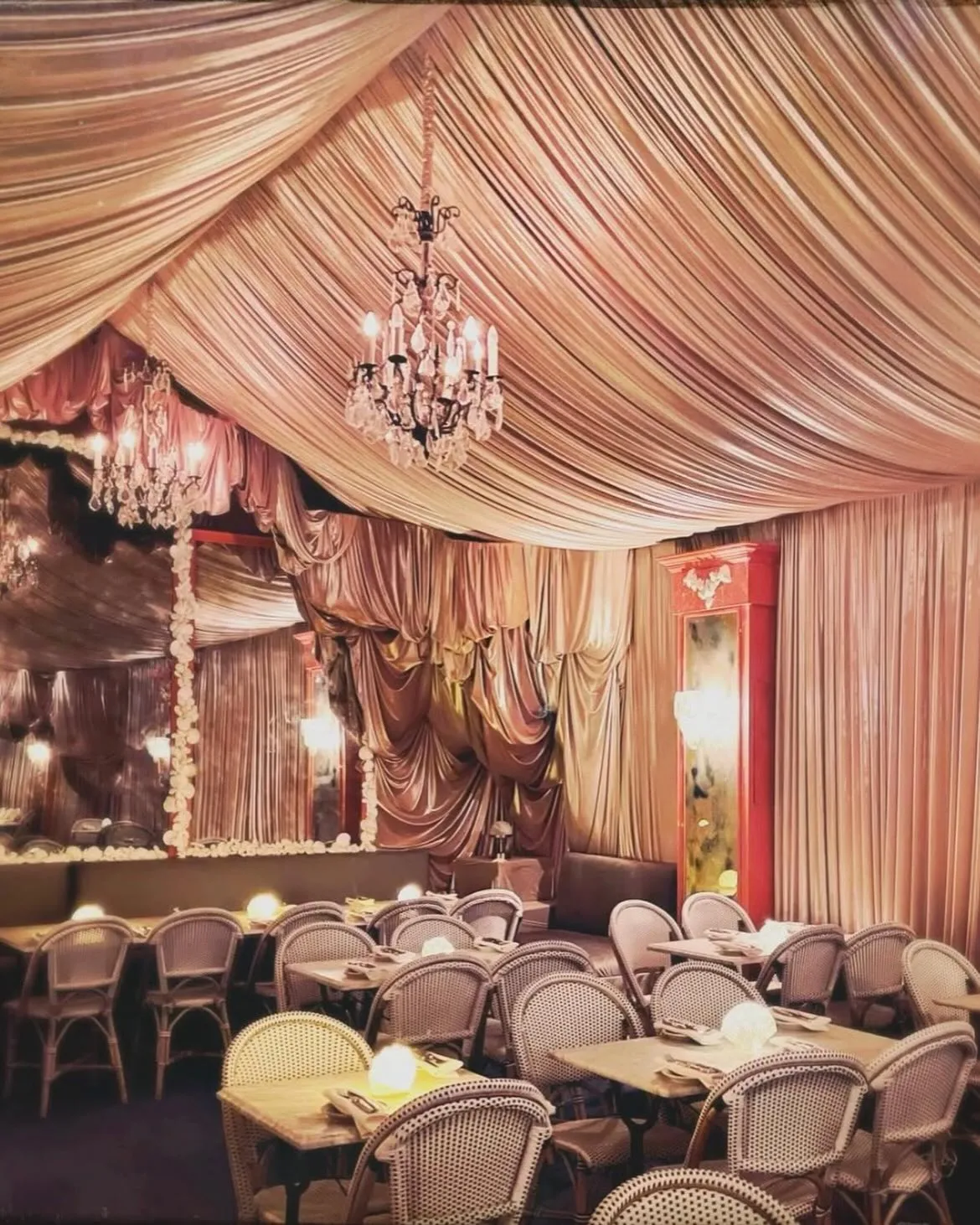
Let's first start with Justine's. It was packed from day one, even before you had enough chairs. So what was your secret? How did you do that?.
Justine Gilcrease: It's an accident that I ended up in this industry. Complete accident. I went to art school. But I do think that's one reason why this works. I love art so much and people. I loved throwing dinner parties. We opened this restaurant thinking it would be like our living room. And it really was packed from day one. I think Austin was a smaller town then, especially in the art musician world, people knew each other and it kind of overlapped. So I think it was word of mouth, really. The second we opened, we had to call our friends, as a matter of fact, to help us. So our first staff was our friends that came to host or like to help us.
Was it the overall experience that got people interested in Justine’s or the food?
Justine Gilcrease: I mean, obviously the food would be so important. It's pretty classic French and that was always really important to us. But I do think that it's the vibe, right? The music, the things that we're interested in being shared with everybody, I think would be one of the reasons.
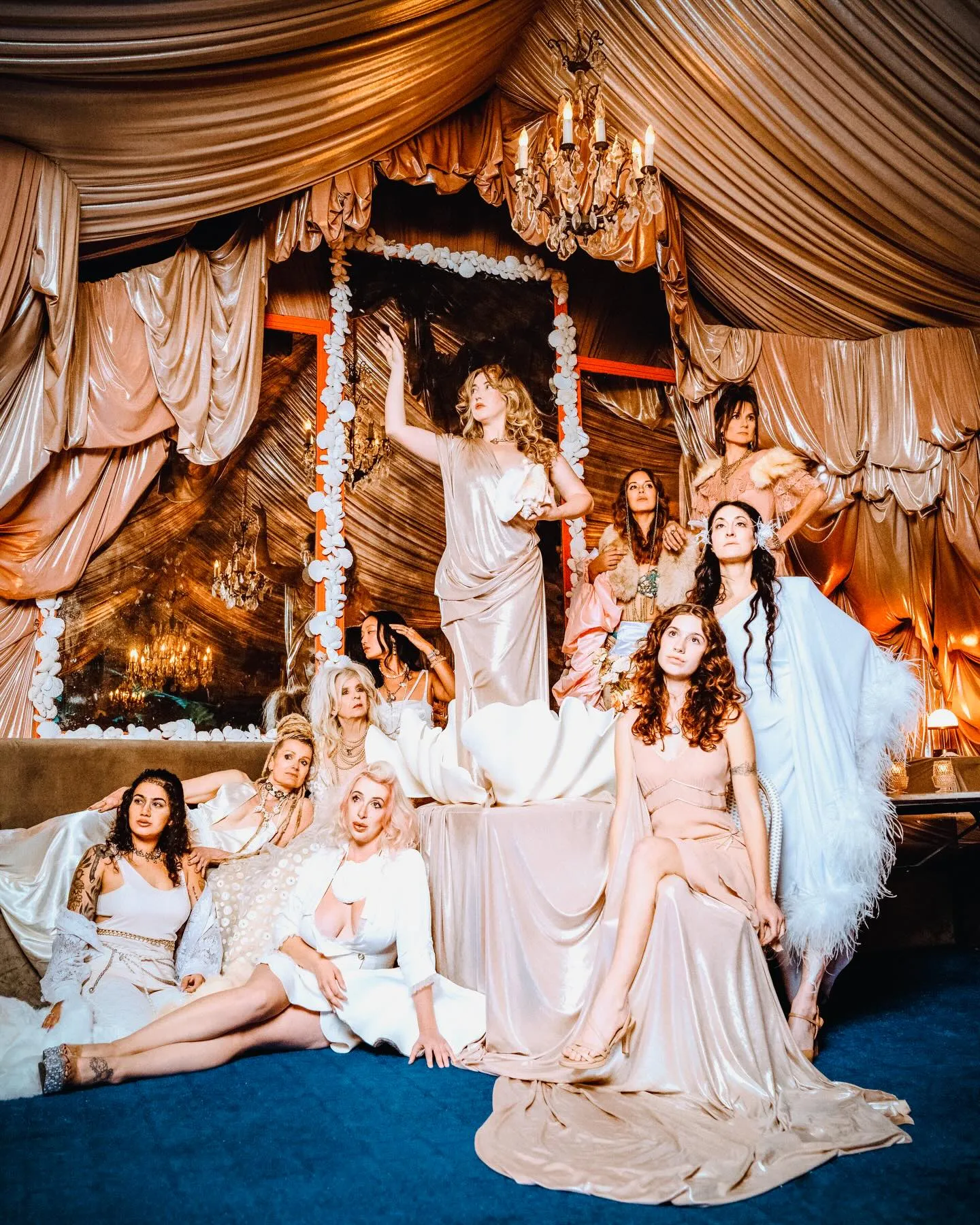
I found something that you said once: You would rather excite some people than try to please everyone. And now you just mentioned that you have two spots and you're about to open the third one. So how do you hold on to that as the business grows?
Justine Gilcrease: Yeah, that's very true. I did say that. I think we realized pretty early on, I think we would read Yelp reviews, you know? And then we even posted, think some of our, we really do care what people think and we love feedback. But I think we noticed that some of even the bad reviews we realized were things that were important to us. Like, your bartender is playing Ramones at top volume or it's so loud in there. And so I think that's when we realized that you can't actually please everybody. That this place is wonderful for some people and not necessarily everyone.
It's clear that you know how to create and manage the vibe in your restaurants. We see a lot of restaurants trying to have the vibe and they fail, not just in Austin. What do you think they get wrong about the vibe or the atmosphere?
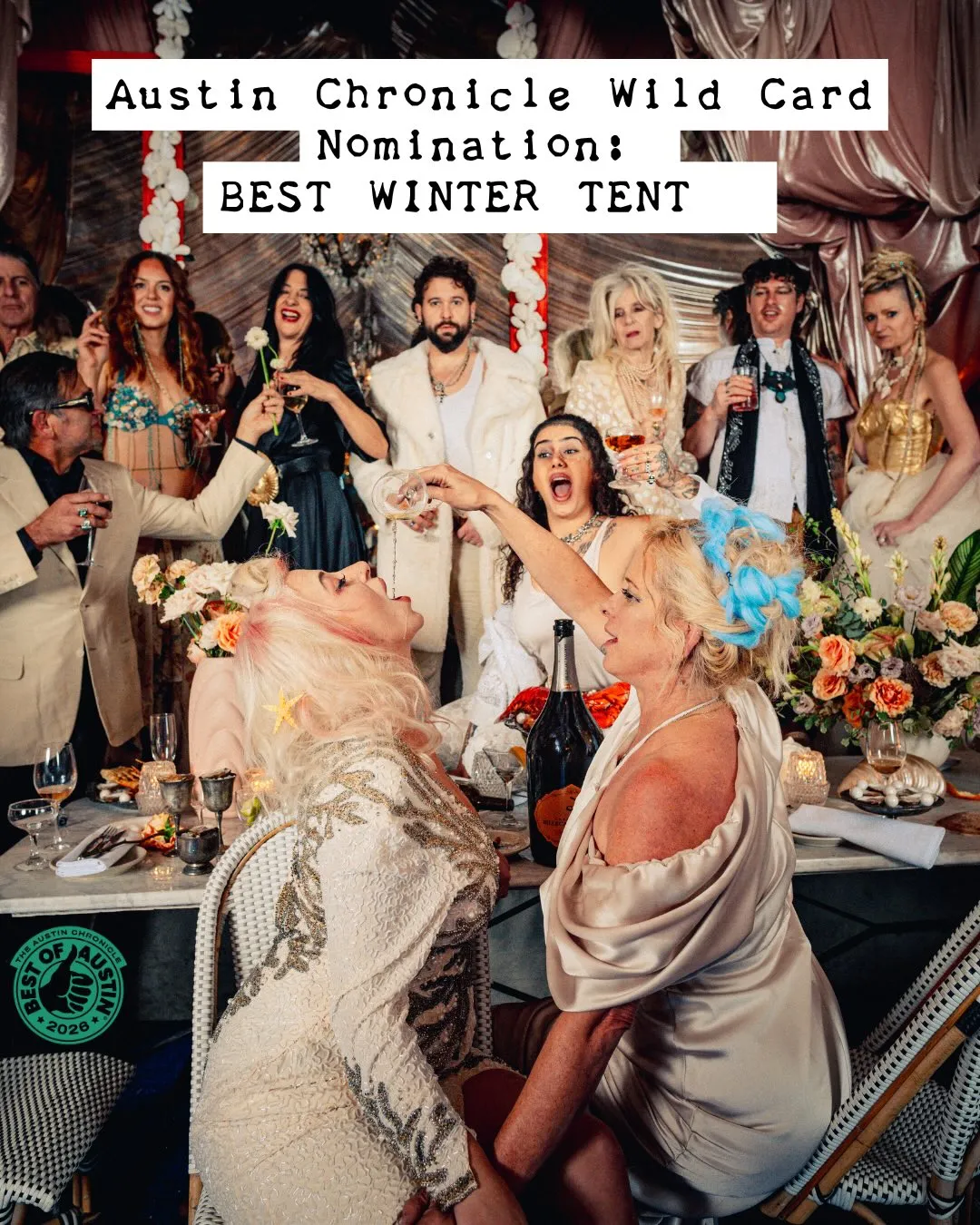
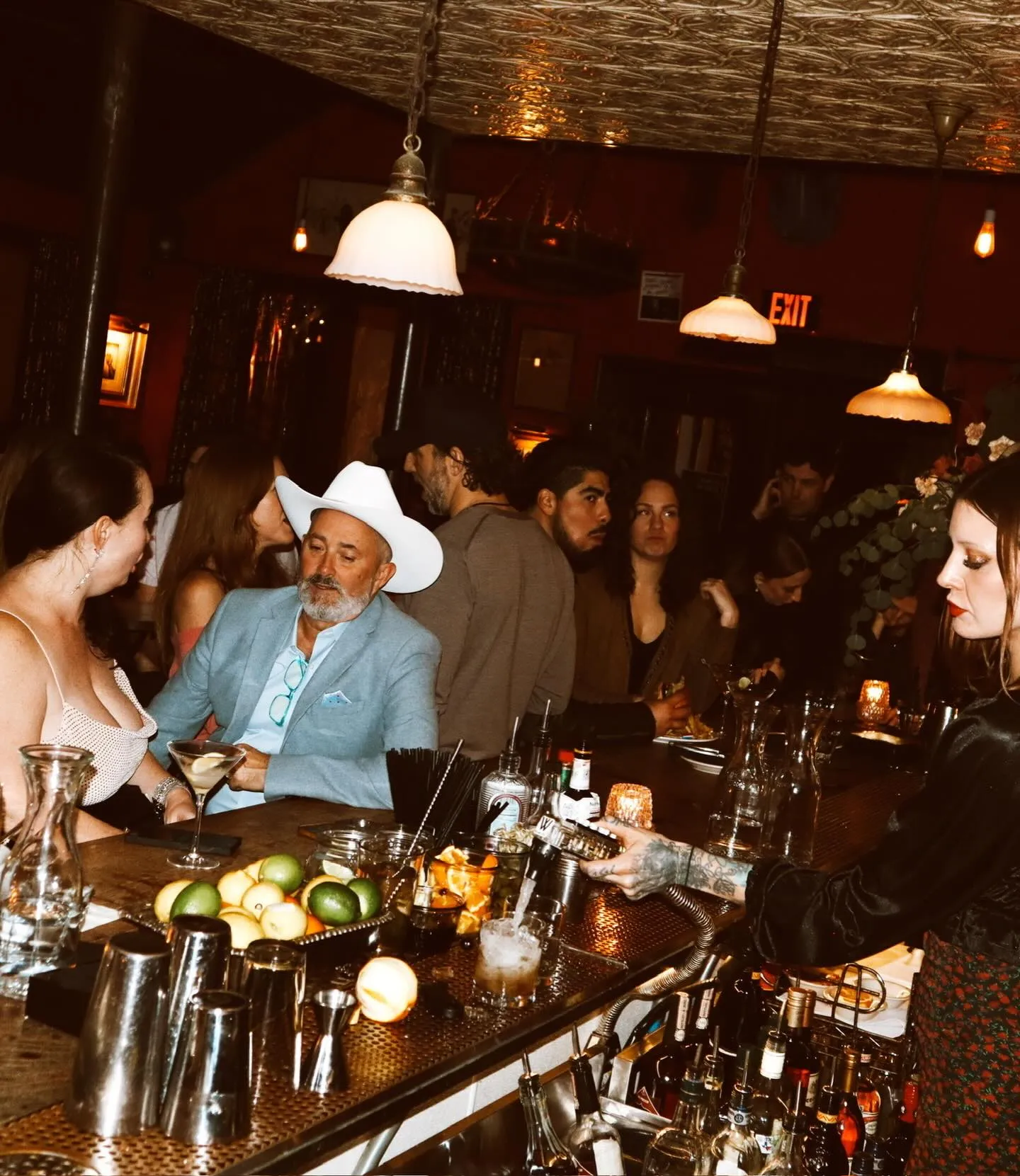
Justine Gilcrease: This is a hard question, isn't it? I think so many restaurants are open by corporations or with investors. So I think that right there, when you're concerned more with numbers and money, or there's more people involved, and it's not just you're sharing what you're interested in, it's quite possible that that shows through. That's what I think. It's so personal for us. Justine's is so personal. So it's like blues records. Our DJs actually, our bartenders are DJs. They play records. And there's art on the wall. I'm a photographer also and I love photography. So we have pieces that moved me like Diana Arbis and there's a Randy Warhol, a Cindy Sherman.
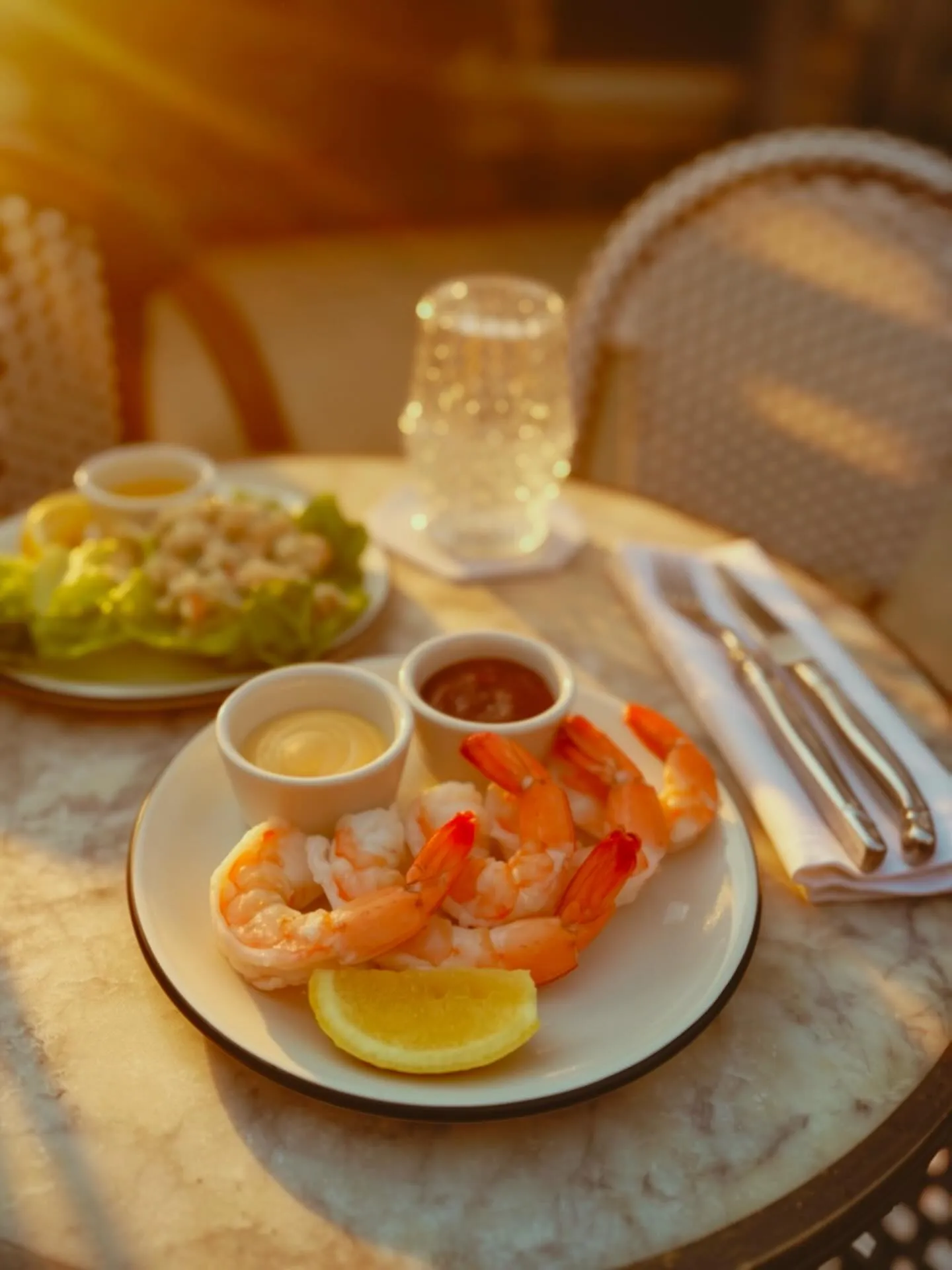
If you took all that away from Justine's and just kept the good food, do you believe people will still go there or not?
Justine Gilcrease: I don't think it would be the same actually.
What are the new concepts that you want to do in the new cafe?
Justine Gilcrease: Okay, yeah, we're really excited. So I think the idea here is what makes Justine special. I think we want to do that during the day. Like imagine Max's Kansas City, but like with pancakes. I think we have, we're playing with taglines of Cafe Fleur de Nuit would be where nighttime creatures go during the day. And we really were. Of course I love, I don't know, Balthazar in New York and Diner in Williamsburg. I don't know, the Cliff House in San Francisco. We're inspired by a lot too. And of course the idea of working at an art museum, because I love art, is so exciting to me.
The director of the Blanton, Simone Wichita, is just brilliant and exciting. And so this aspect of the cafe is extra exciting for us because first of all, she's brilliant. It's a world-class museum now. There's like the Ellsworth Kelly and we'll have revolving exhibitions. And so we do this at students too, but we're good at special events, at doing creative things. So we'll be able to work, you know, do special events when there's a different exhibition, for example.
Was it your idea or the museum's idea? Who reached out to whom in the beginning?
Justine Gilcrease: They reached out to me. I think they reached out to several independent local places. So it was kind of, we joked that it was like American Idol, like a competition kind of. There were stages and yeah.
How do you hire for a place like Justine's? What are you looking for that's different from a typical restaurant?
Justine Gilcrease: Oh yeah, well, we actually famously don't have as high of a turnaround as lots of places. I think maybe how we hire is why. Just as important as your resume is if you're a kind person or if it's a big chaotic place. And we, like I mentioned before, do large parties, so you have to be flexible. Like, we will throw a party and move all the chairs around and be like, your table numbers mean nothing now. You have to go with it.
What makes the staff stick to Justine's? How do you keep them?
Justine Gilcrease: I do think it's that every restaurant says that we're a family, but I do think it's probably true, or pretty true of Justine's also. It kind of is how that has to work, right?
What is the first thing that a new hire has to understand about working for you?
Justine Gilcrease: I do think that you, that it's, hmm, that it's a really fun place to work, but it's also a lot of work. Big and busy.
Check Our Career Growth Tools


What is the fastest way someone can get themselves fired at just things?
Justine Gilcrease: Well, I think I honestly have to say, if you disrespect your fellow coworkers or customers, that will get you fired right away.

What is the one thing that you look for in a potential candidate during an interview?
Justine Gilcrease: I definitely want to say honesty and interestingly creativity. We tend to hire a lot of artists and creatives. We love collaboration and that inspires us. That's just something that really drives the restaurant actually. I think it's maybe one reason we've been around so long is that drive to create and to keep moving. And we're actually really flexible with schedules for musicians
Check out more interviews like this brought to you by OysterLink to learn about the industry. You can get them straight to your email by creating an OysterLink account and joining our newsletter.

Loading comments...