


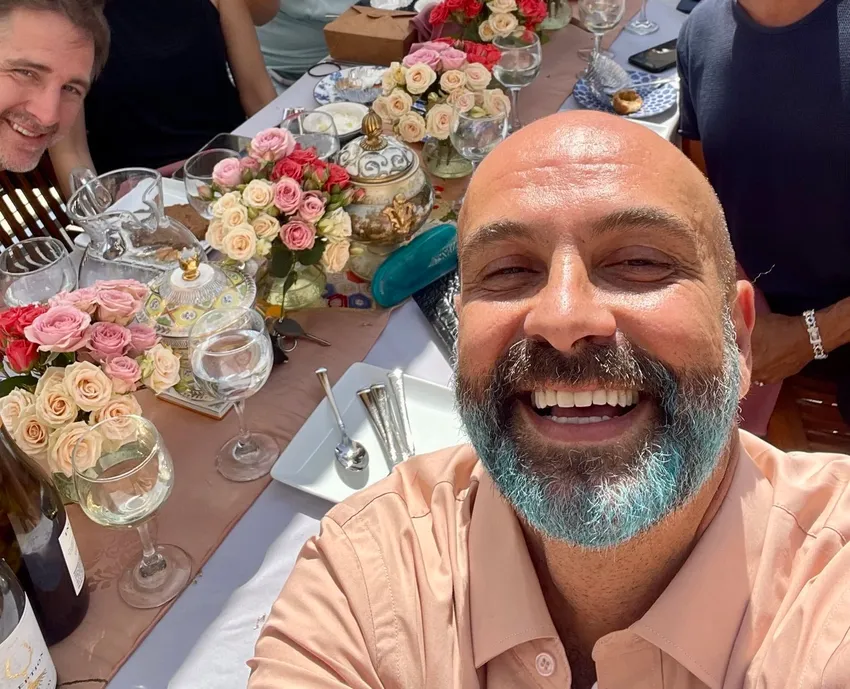

From setting his first breakfast table in Turkey at age seven to cooking for Rothschilds in Marina del Rey, Chef Orcun Malkoclar has lived the Spice Route. In this episode, the founder of United Bowl Nation talks about Tuscan mentors, macrobiotic awakenings and why every great kitchen runs on smiles and flavors.
Please introduce yourself and tell us a bit about your career path.
Orcun Malkoclar: My name is Orcun. I'm from Turkey. A culture filled with the heritage of food, history of food for centuries. And I started cooking with my grandmother very early, as early as six years old. And first table I set up was I was seven. And it was a Sunday morning. I woke up really early. Everybody was asleep in the house. I went to the corner store. Back then, doors were kept open, everything had access, everything was on a smaller scale. I grabbed the newspaper, the fresh baked bread, the oranges, the eggs, you know, innocent, but for a seven-year-old, it was a very embellished setup.
You know, fresh cut fruits and fresh cut veggies, all the cheeses, and when they woke up, everybody was very surprised. It became my role in the house. So then at age 14, I moved to Italy and I spent there respectable amount of time, an entire different take on food. You know, how they eat and how they prepare the food and the culture, the religion, the entire setup is different than what I was used to.
And then I took a class from this Contessa who owned a mansion like, you know, with a cellar in the hills of Tuscany. And she would write these books without the measurements. And her premise was, if you don't know how much to put off any ingredient, don't cook. So she would give the recipes and the ingredients, but she wouldn't mention three cups or 200 grams or none of the measurements were included. So they gave me lot of liberty and room to play.
So then by 18, I ended up in San Diego and started to go to college in San Diego State, but I always supported myself with hospitality. Like I had a job in a restaurant. I always worked with in that kitchen setting, started doing events, small scale, then it became a bigger deal because I was so in tune with, you know, food, flowers, food come from flowers. So I studied that part of it. Then I got deep into macrobiotics and healthier eating. And then everything shifted and changed after having worked in wonderful restaurants in California, both North California and South California. A lovely family invited me to be a part of their events and cooking journey. And it was a wonderful family that had a lot of heritage, history, and they were located in different parts.
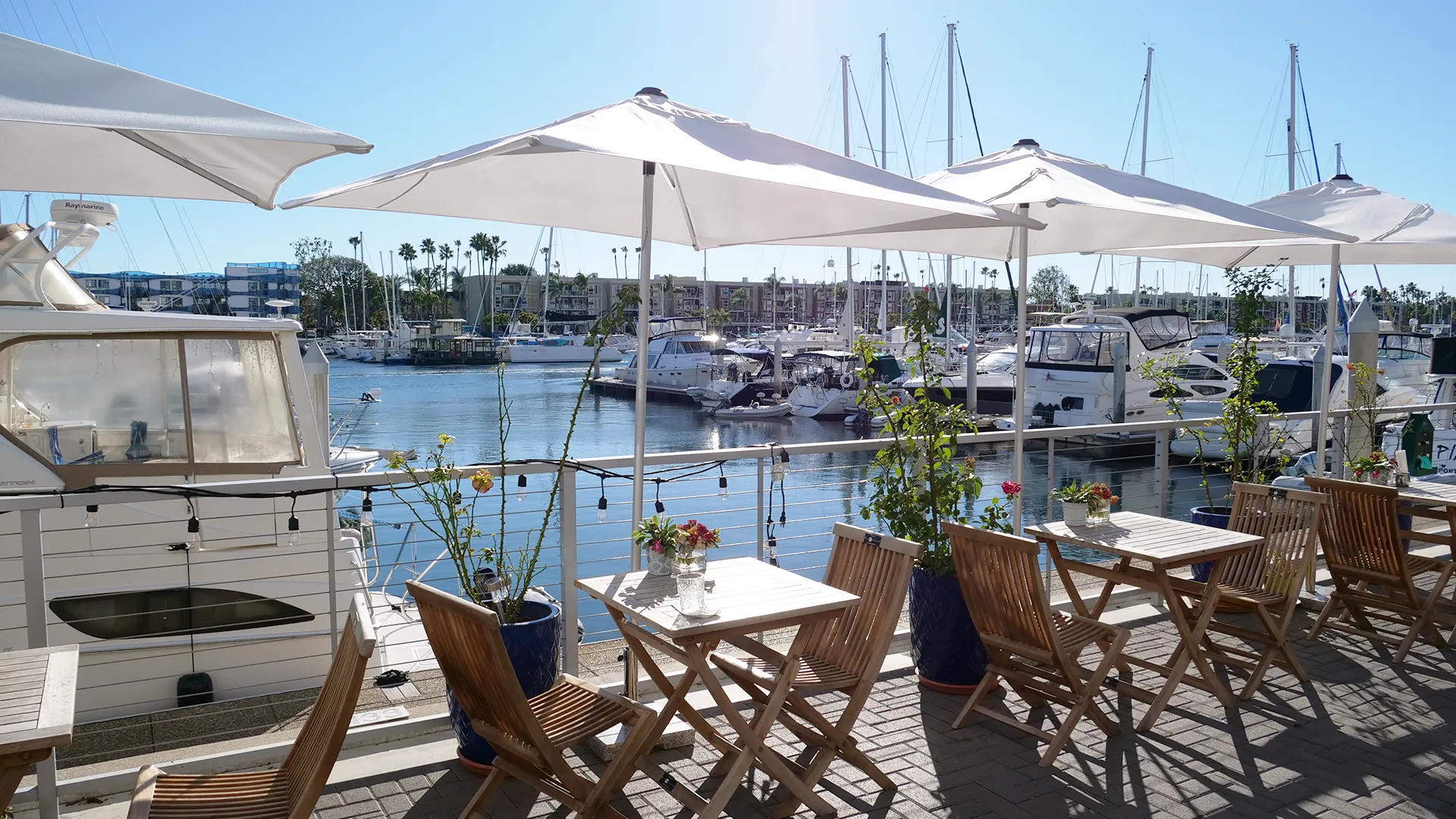
So I moved back to Florence and so traveled with them around the world and many beautiful parts of the world, and not only cooked for them, but they also were so generous to offer me experiences in different settings. Like an underground restaurant in an underwater restaurant in Maldives or Jackie Chan's China Tang in London. You know, fans like Singapore, there's a food scene that's quite amazing. Lyon, France, they sent me to a convention for foodies and hospitality related businesses. And then one thing led to another. I moved back to Los Angeles after the pandemic. And then the pandemic was ending back then. And then I got a beautiful kitchen, yet it wasn't a storefront. It was only for events. Finally, three years ago, I found this magical place in Marina del Rey. It's waterfront, it's a cocoon. It's a little hard to find, but when you find it, you enjoy it a lot. They call it the staycation. When people from the neighborhood come there, they feel like they're taking a mini trip to what you call it, south of France or Italy or parts of Europe.
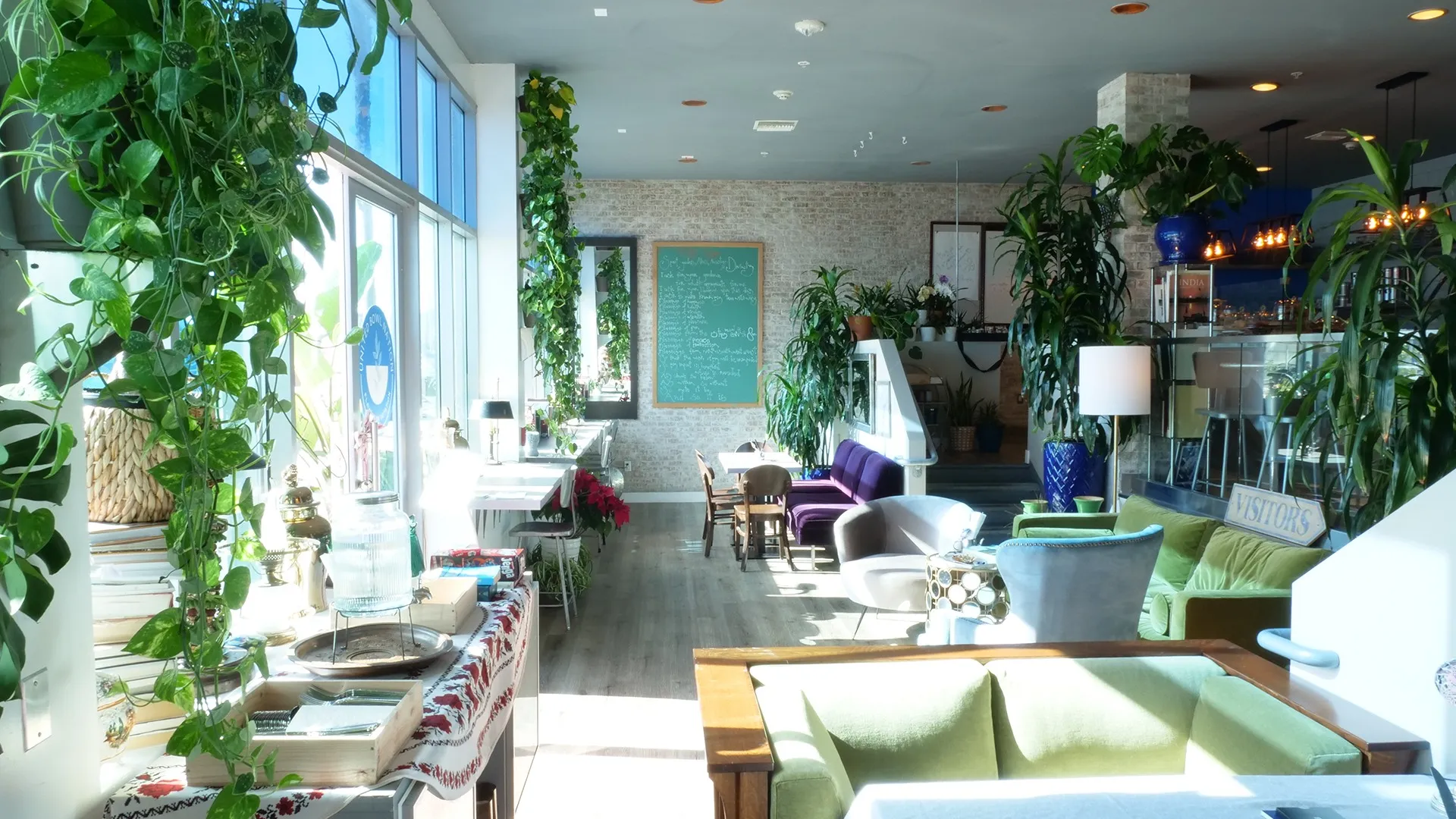
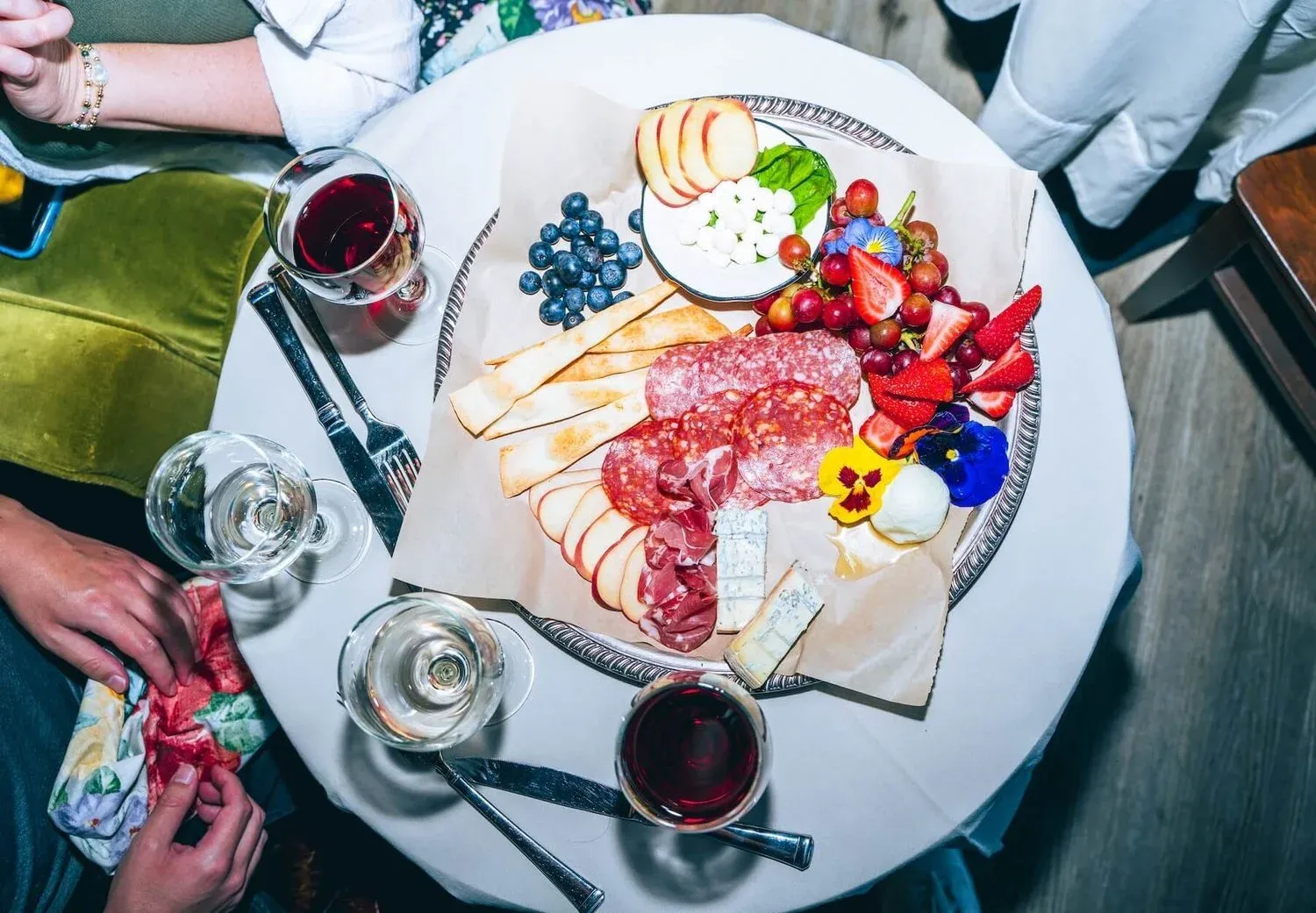
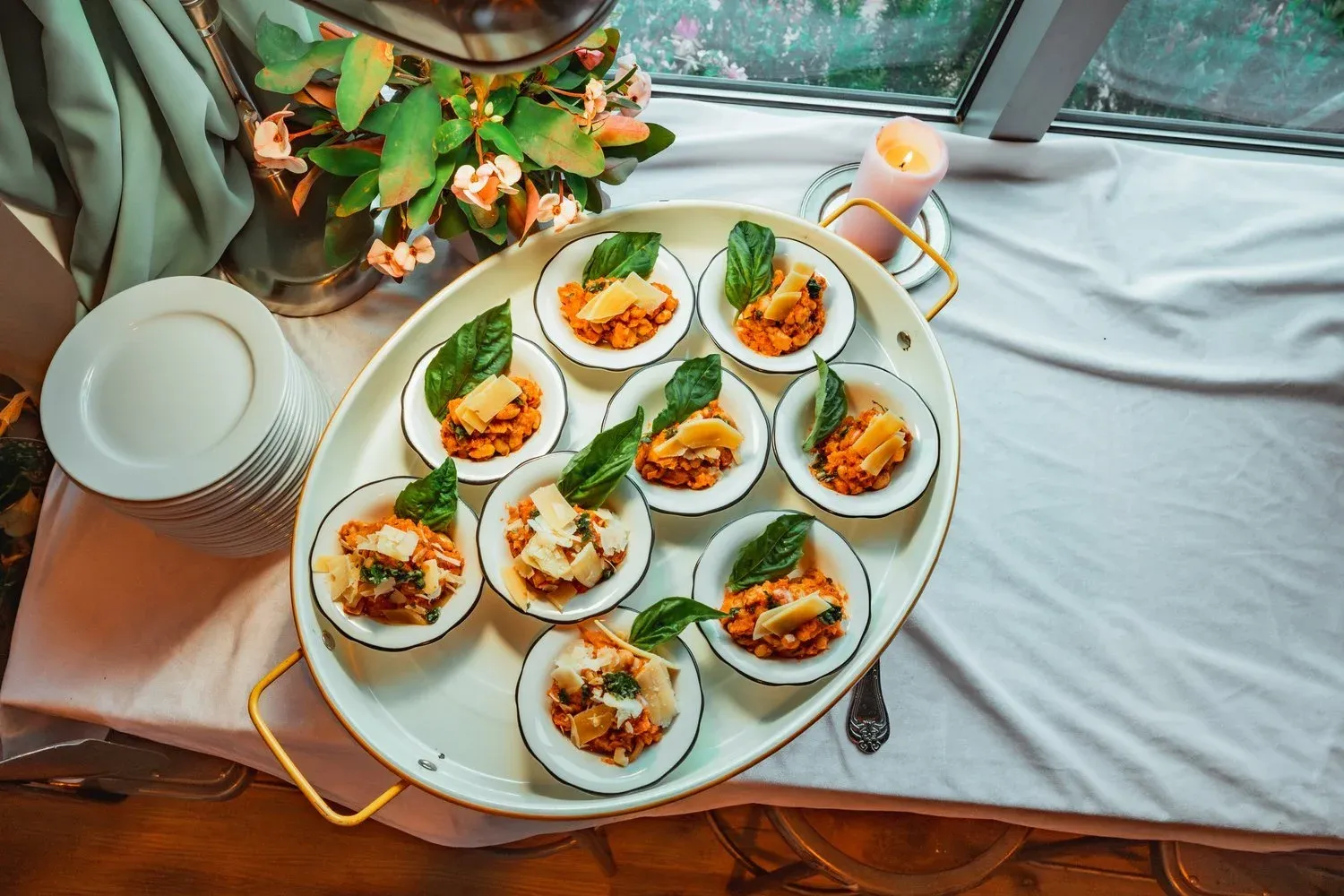
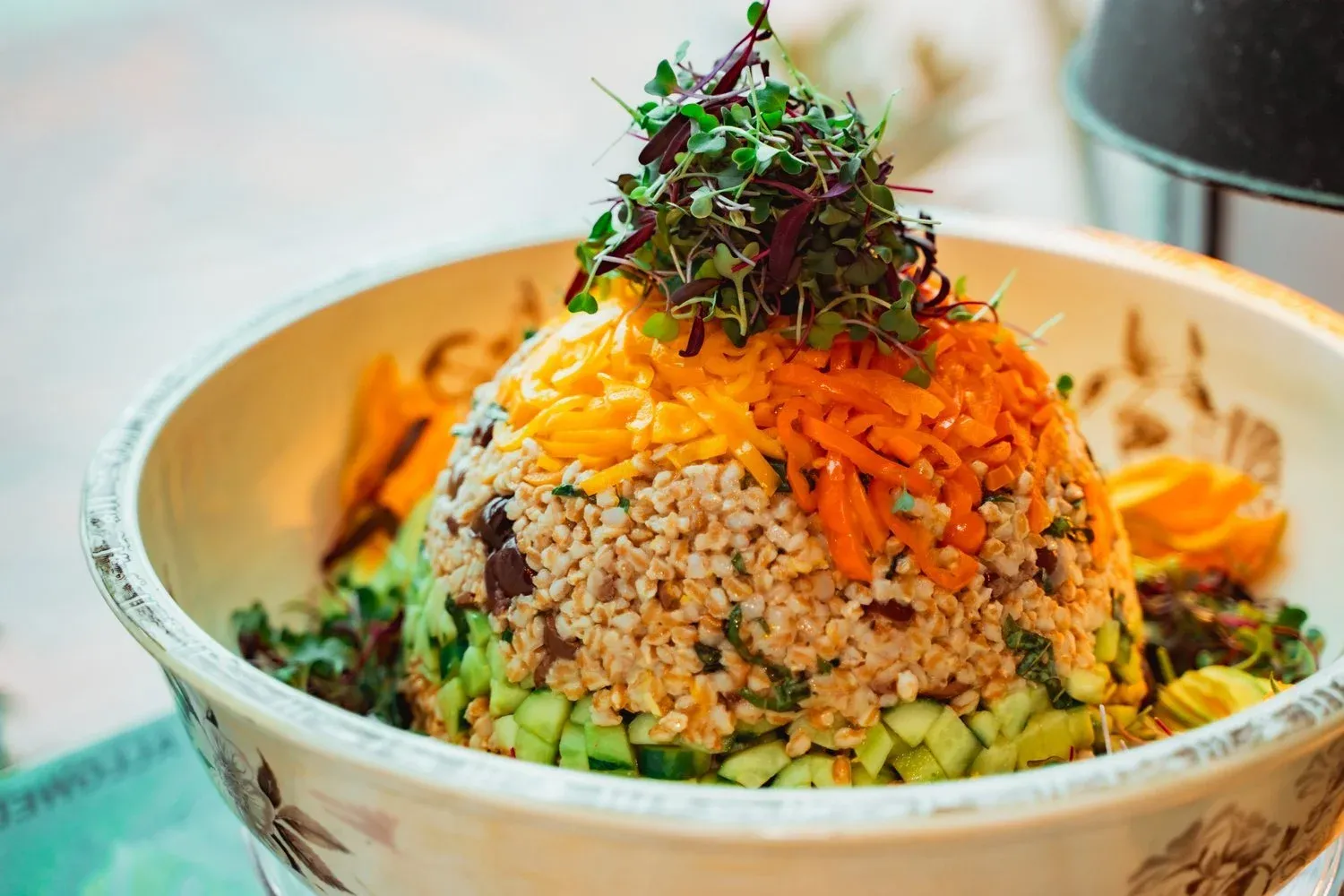
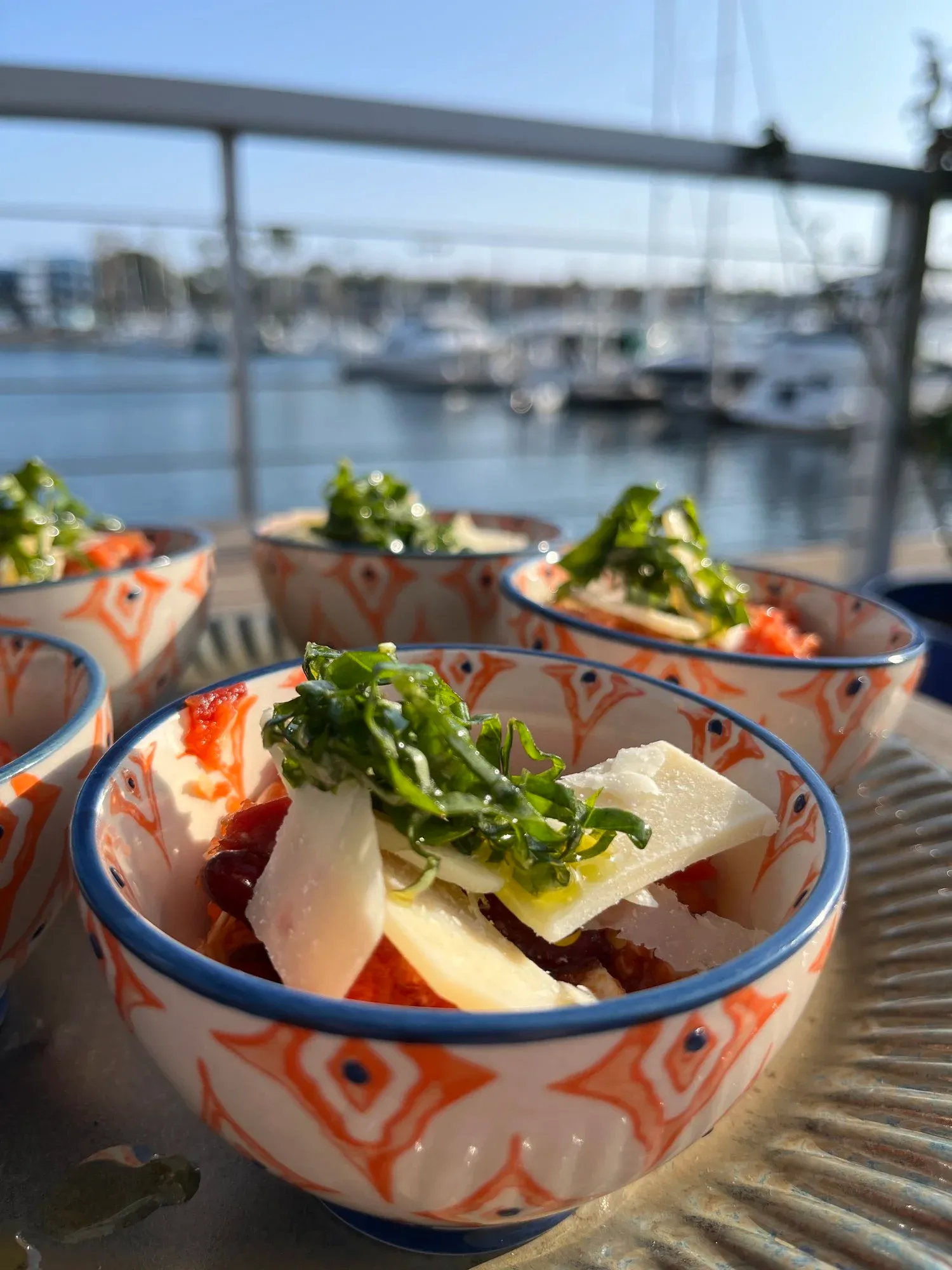
Everybody feels like that European feel inside and outside. And the menu reflects on my past, like my travels to Italy, cooking for a variety of different events. I love cooking delicious, fresh, seasonal, regional types of food. know, the restaurants, as you know, are about two things for me, smiles and flavors. If you can provide both, the guests enjoy their experience. And then when you work on your spice profile, which I'm very in tune with the Spice Route and the Silk Road, I have every book written on it, both cookbooks, both history, how they exchange techniques and spices.
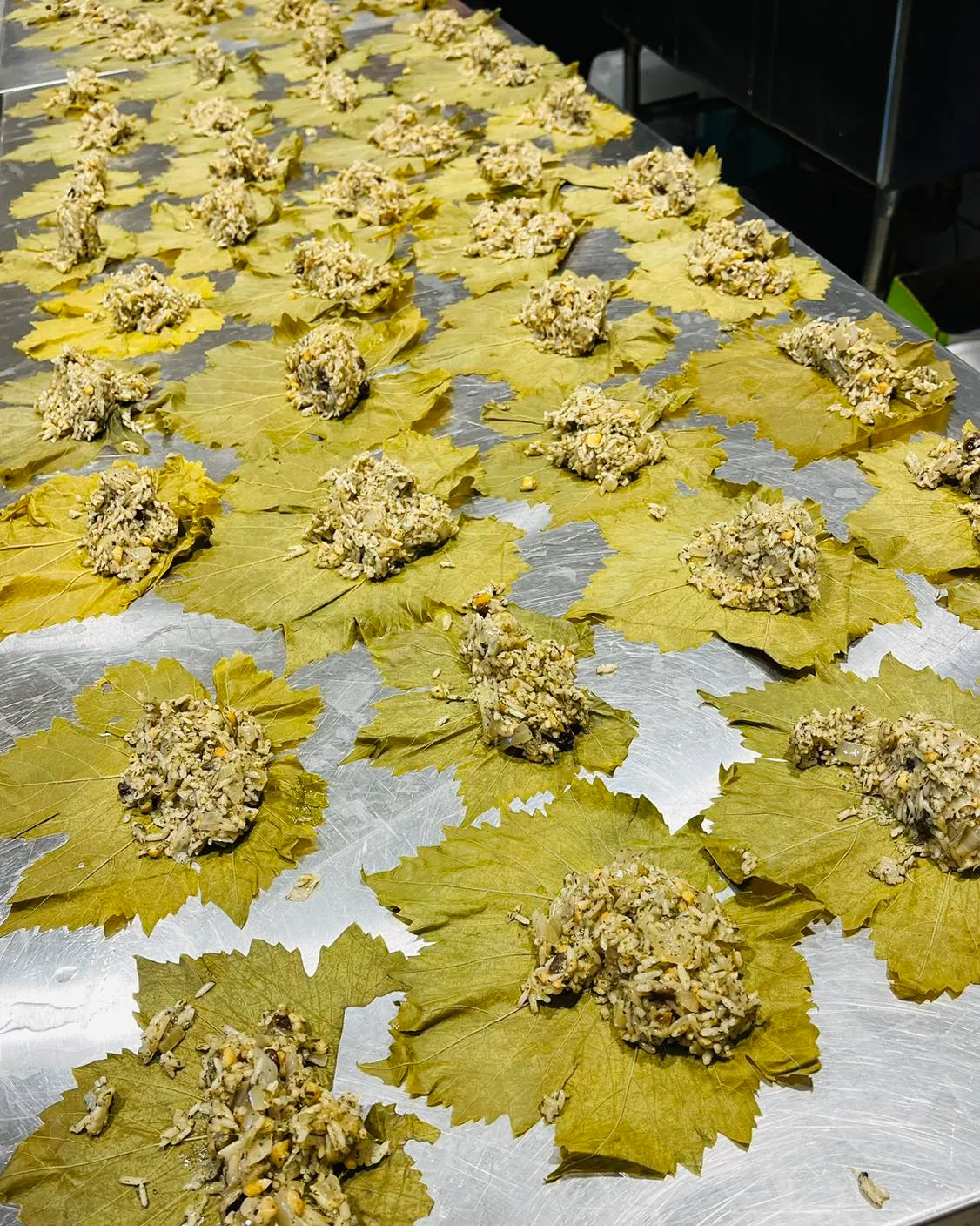
So my menus from the insider, it has a lot of backgrounds. But from outside it's as simple as, those cigar rolls, that spinach pie. But I fuse it with different cultures, like I serve the spinach pie with chipotle sour cream. We do the mint yogurt sauce for the Moroccan cigar roll. We do vegan curry pie with cashew cream that has nutritional yeast. And then we make a chutney with mint and, you know, all different herbs and spices. So from the outside, you just look at these beautifully baked pastries, but from inside, we put a lot of love and effort into making it just right for the customer. So that's my background so far, so great.
If you grew up in Turkey then you developed your professional skills in Italy then I'm not surprised you took Mediterranean food to the next level. I'm not surprised by any success that you're going to talk about today.
Orcun Malkoclar: Yeah, I think it's enticing. If you take the get in the car, I was based in Tuscany for a long time for many years and I drove so many times and it was the best times because when you drive you get to enjoy and digest that Italian Riviera into French Riviera and then I used to travel, I used to drive to Monaco, Monte Carlo and then at times, especially during summer, used to drive to Saint-Tropez, which was another an hour and a half between Florence, Italy, Tuscany. When you go through Genova and all the seaside, you come across these little fishermen towns. It's enchanting. It's like a fairy tale. It's a movie set.
One town after another, the cuisine they offer the hospitality, the history and it's, you know, when they talk about restaurants in Tuscany, in Florence, Italy too, there are spots that have been around way over 100 years. Sometimes you come across waiters that have worked in the same restaurant for 50 plus years, you know, and not just one of them, like there's a whole bunch of them and it adds to the experience when you, when you dine in wine in those settings, you are more of a romantic and the experience is not just the plate of food.
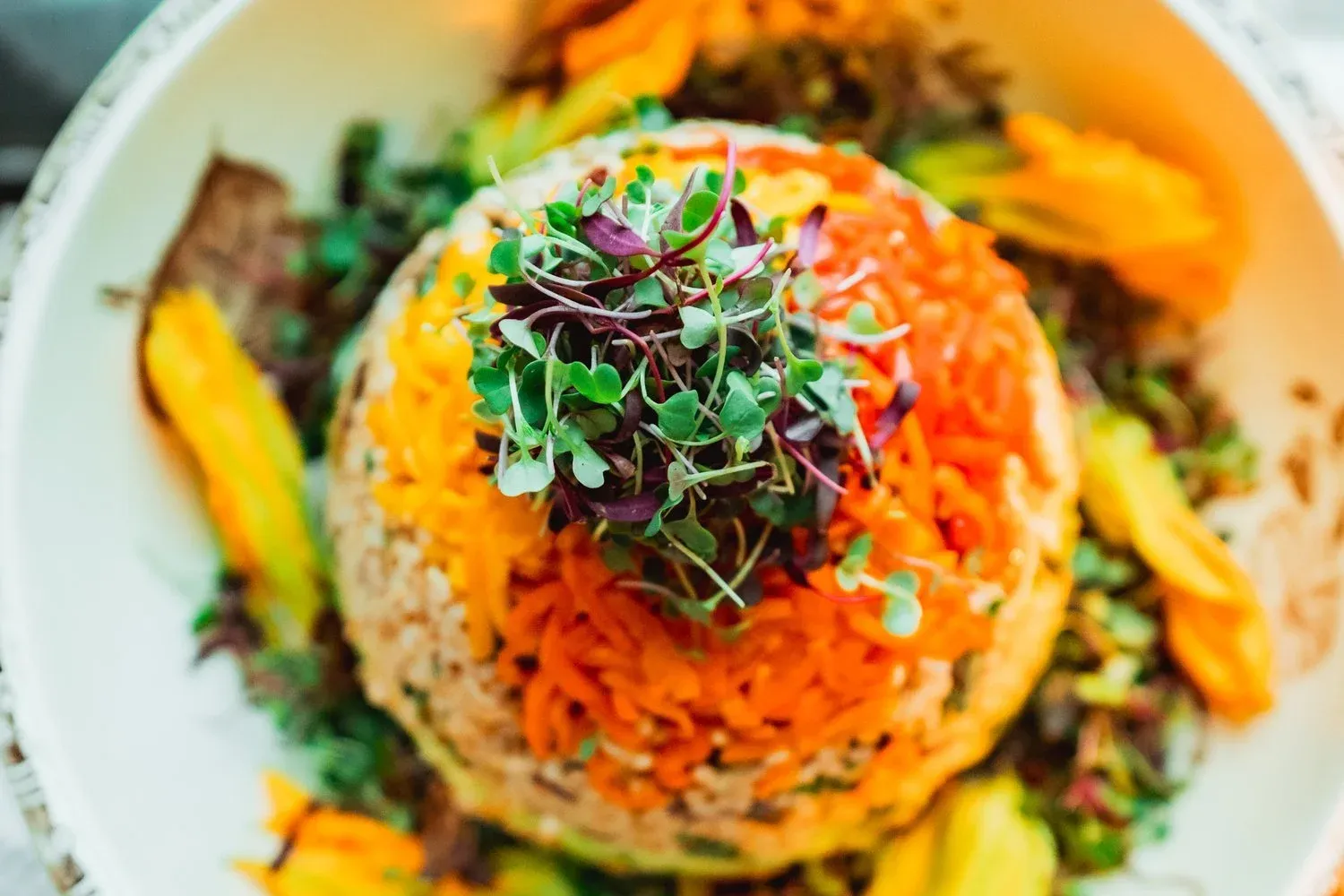
You know, at the end of the day, it's just a plate of food, not to me and you. It's a civilization for me. It's a history, it's a cultural, emotional, mental, spiritual experience. Some people do a deeper healing when they choose their diets to be so pure and, you know, macrobiotics. I've done it for three years because everybody in California was so inclined towards a better diet. What would be their choice of what they call healthy? And that also taught me a lot because I didn't know about gomasio. I didn't know about gochugaru. I didn't know about all those Asian intricate spice mixes. I was very familiar with zaatar or any of the Greek oregano or all the European, Eastern, Western. I had a lot of wonderful people from different parts of the world that contributed to my background.
The family I cooked for was so gracious and generous, brought to the table chefs, such skilled, amazing chefs from Thailand, from India. And if you watch an Indian chef, you know how we marinate is so different than an Indian chef like how they make the paste with the ginger the garlic the onion and the turmeric, you know how they rub the protein with the perfect spice mixture then cook it the way cook it how they make their own paneer in their language, paneer in my language which means cheese and they can make a beautiful paneer in under minutes, you know, from the, and then they add on to the flavors, they turned it into a delicious curry.
And the Silk Road, if you studied a little bit, you realize how less of animal protein was utilized and more dried goods and spices and vegan vegetarian foods were offered. My culture, Turkish culture, is so magnificent. It has to offer these dishes called olive oil based. And basically it's seasonal, like winter vegetables, we do winter olive oil. Summer vegetables, summer olive oil. But it's just one ingredient like leeks. And then in the background you have a little bit of like a half cup of rice with carrots and onions. And then you cook it in olive oil, that's it. That's all you get. And it's purely vegan, but without trying to be vegan. And we do that with pretty much every vegetable. And because of the respect to nature and the, you know, the quantities are not as intense or large as when I was growing up, they would use like a handful of ground beef, you know, for a big, big pot of cabbage.
And then, that was our winter meal and we loved it. We dipped the fresh bread into that tomato sauce, you know, and the meat didn't overpower the dish. Given all that, there's a lot to say about the Silk Road spice route because back then people would barter. They would offer services like I give you a room to stay and then you give me what merchant you are based on what you were carrying over to the other side of the world you would offer me your spices but then even better yet they offer the techniques so that's how we learned how to make a natural yeast how to utilize different types of heat how to use why copper or metal or clay had different levels of cooking so that once you understand time and temperature you conquer your skills you know you can have many many tools in the kitchen but the best tool is your hands and when you combine that with your knowledge of time and temperature it becomes very special because it comes just right.
How many times did you hear yourself or anyone else cooking in the kitchen? Oh, it could have been better. You know, one, the worst thing a chef can do to himself or his guests or any home chef or anyone who cooks food, the worst thing you can do to yourself is to self-critique in that way because it says you haven't yet understood the time and temperature. Certain things will guide you. You understand, you know, how to, when to, or use what type of marinade. You know, if you're marinating vegetables or tofu, it's a different process than if you're marinating pork and fish and chicken has different consistency, that different protein profile.
You know, all these things that you teach yourself and you learn from other wonderful people. The restaurant is magnificent. It has its obvious challenges. People come and ask, of course, how is business, how is everything going? We live in a world of instant gratification. You call, on the phone you can order, especially here in Los Angeles, any type of food, depending on what your mood is, within minutes, you're gonna receive great, great flavors at your doorstep. So the restaurants also reinvent themselves. And right now I'm thinking about how I can minimize the menu and offer what people prefer to eat.
You know, the neighborhood that I'm in is telling me now, okay, you have to change certain things and I have to listen. I have no other option. I can't just say, I love to cook this and I'm gonna serve you this and keep going with the same mindset instead. The feedback that I received is a poolside community. There are gorgeous boaters there. It's very eclectic. There are wonderful newly married couples. We have done a variety of bridal showers. We have done a variety of baby showers, birthdays, and some corporate events because we have hotels there. It's a very touristy area and it's upscale. So from Marriott and other nearby hotels, we get flight attendants. So that also added to our experience.
We have had pretty much at least four to six CEOs of major airlines come to enjoy our food. We grew our wine menu. We started with four bottles, four varieties, not just four single bottles, but like we had, you know, white, red, sparkles and a rose. And then next thing you know, now we have 256 varieties. Yeah, so Mr. Rothschild, who's the heir of Baron Philippe de Rothschild, came over to our restaurant for the first time. And they gave him a tour because he took over the business and he's the, like he's walking the footsteps of his great grandfather who built this empire of wine, wine, wine flavor. They are known as one of the better winemakers in the world and we carry about four to five different wines from them. Sauvignon Blanc, Rosé, the chilled Bordeaux and a couple fancy Bordeaux they have. And when he first came over to visit our restaurant, he wrote us a beautiful message saying that the California trip going to all these vineyards and business owners, sitting down with face to face and tasting their foods was incredible.
But the highlight of my trip was the last meal, the last dinner we had at the United Bowl Nation. So he was very pleased and he said he was going to come back and pour the wine himself. So there are so many happy, beautiful moments in the setting that I am in, most people don't know about. And when you see it, sometimes we are open early AM until sometimes like 10, 11 midnight. And it's a big challenge. It's a daily grind, you know. From outside you see what you see, but from inside I see the support. I feel the loving care from the tenants we have in the building, from managers in the building or the other managers that represent the other buildings because some buildings have as many as a thousand units.
So in our basin alone there's 10,400 people that live. So you can just do the calculation of how many different types of lives there are. There's the tech group, there's the flight attendants and the tourist group, there's the boaters and there are storytellers. We are in Los Angeles so they're amazing. They're amazing musicians that live in the area. So my experience from inside is to get to meet these beautiful souls, get their love and support and provide as best as we can what we can and grow a little every day. You know, everybody faces challenges. We can think and talk about them all day, but I choose to develop the evolution, the greatness, the community. So owning a restaurant, if I was to write a sentence every day in the last three years, I've been there every single day, it would probably put you through a lot of emotional ups and downs, a lot of smiles and laughter, maybe sometimes tears of
What made you decide to stop cooking in other people's kitchens and open your own place? This is a big challenge. Owning a place, operating your own space, this is a challenge.
Orcun Malkoclar: I always worked in commercial kitchens, right? And I've never done the administration side of it. That I'm still learning and it's questionable how great I am doing that part of it. You know, be as graceful as you are. I'm going through my own challenges. I understand now what I'm good at. I always tease people if they ask me, do you know that boat or do you understand this car? I'm like, no, I know five things in life, food, flowers, linens, music and dance parties. Other than that, I won't be able to answer your question.
Everybody knows everybody's inclined towards certain types of taste and living. What made me, I don't think there's any particular reason other than love of food and hospitality. I actually asked ChatGPT because from time to time you question yourself and I saw a prompt that says, if you want to know about your higher purpose in life, you know, write down your birthday and ask and tell them everything that you know about me so far. What do you think I should be doing, you know, with my purpose, with my life in general? And it comes back to the answer, you're a perfect person for hospitality.
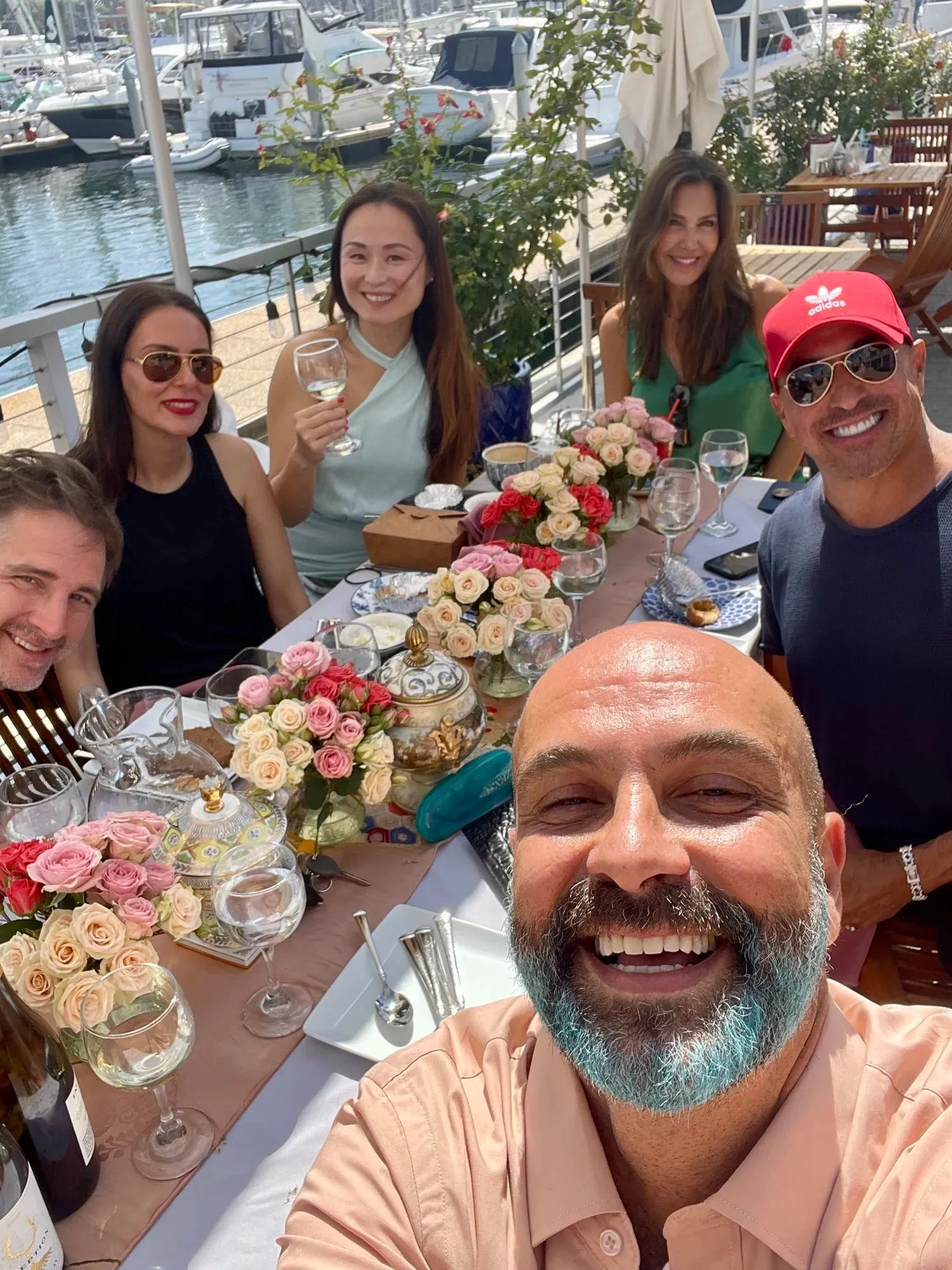
You know, because people with high EQs, especially people like me who are born in the month of July, who likes to mother, who likes to cook, who likes to provide, like, I love, I mean, the reason, there are many reasons, there can be many reasons why one cooks, but my goal is to see a smile, like someone goes like this, they're nodding their head, just keep eating it. And the plates that go out, I don't pay attention to. I look at the plates that come back in.

If a sauce comes back in, I have to revisit it. No matter how big the portion is, if it's a delicious sauce, they're gonna eat it. So what comes back inside the kitchen tells me how good we are doing or not good we are doing is for the flavor.
But also when I see the smile of that person, it changes your mood. When you have a good meal, you feel belonging. You feel this waterfall of happiness.
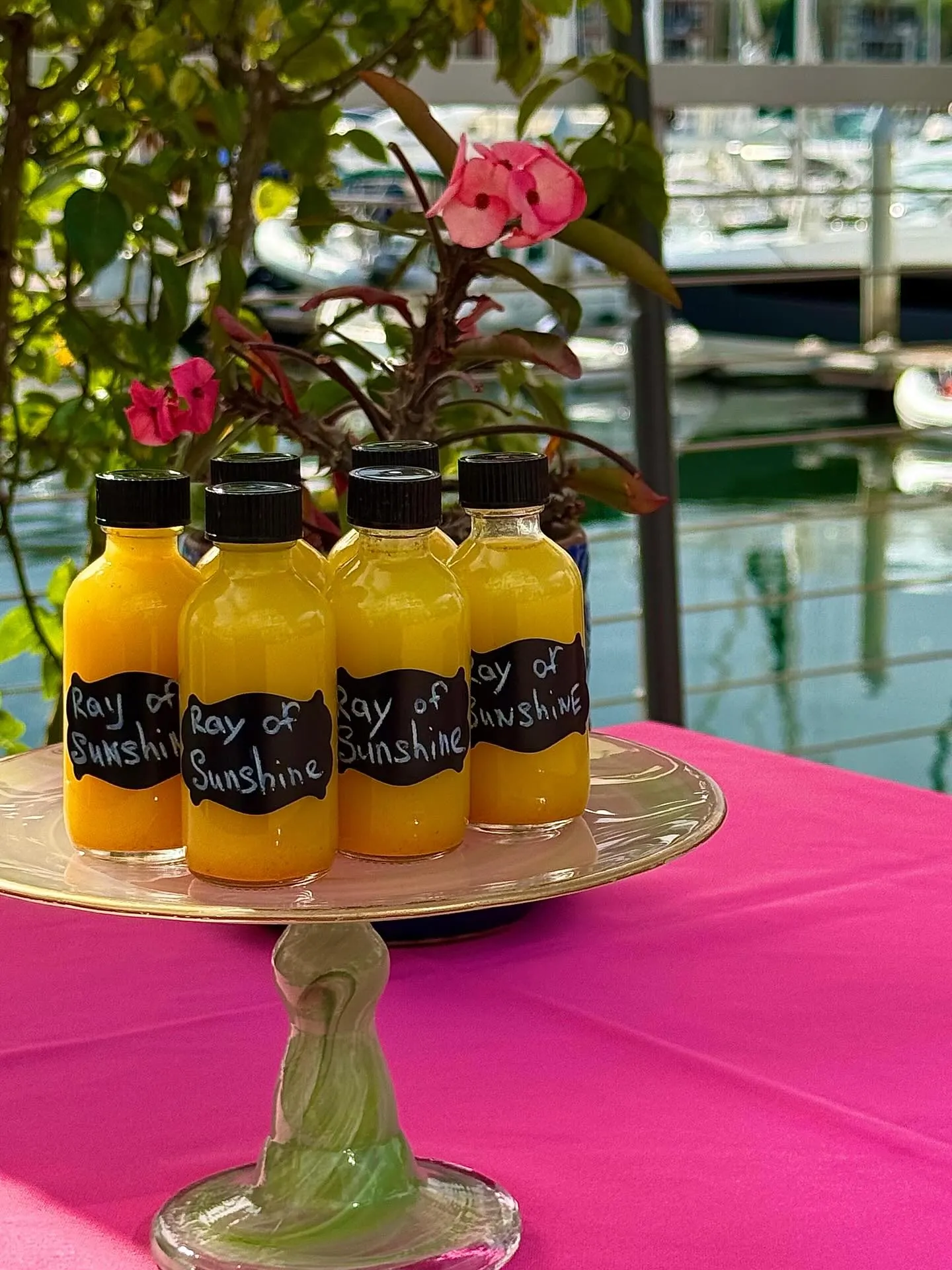
You are blessed. You're like, oh my God, this was so nice. And then on top of it, of course, there's a book called Off Menu. And it's really powerful. It's written for people who cook or who are involved in the hospitality industry. And the author, if I'm not mistaken, has been a food critic for a long time and wrote the book about her impressions on what food is to people. So the entire premise for the book is that you eat what you think you eat. So if I give you the same lemonade in a pink color. You'd think it's sweeter than the one in lemon, like the yellow color. But they're exactly the same sugar content. Basically, when you understand what you eat, what you think you eat is what you eat, kind of spoils the fun of what you're looking at and how exquisite a great salad can be.
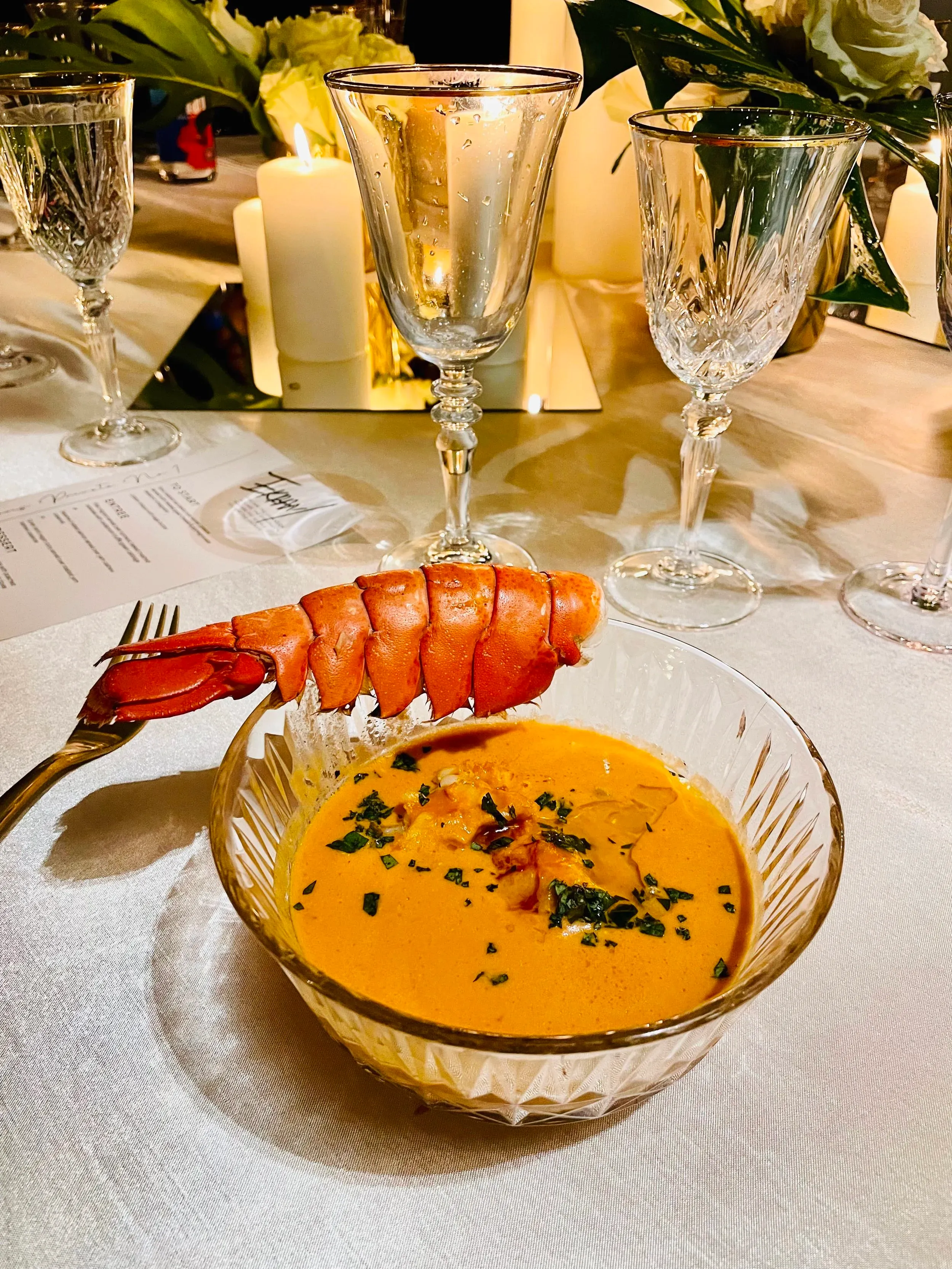
You know, I was invited to a lovely lunch just this past Friday and it was exquisite. It was done by a musician friend of mine. He's a genius in all fronts and he put on the table this exquisite Caesar salad with hearts with herbs and garlic. It was so tender and delicious and the desserts how he laid it out and the plates. You know he collects these porcelains. And then another fantastic meal I had was cooked by, prepared by a lovely friend of mine. She's the mother of beautiful children. They're Iranian, they're Persian, and she's so skilled in the kitchen. She put out this exquisite meal for at least 40 guests or more. And you know, from the different types of rice to the salad to all the stews and you know the profile is so unique and different.
So what you think you eat is what you're eating at the same time if you pay attention to the plates and the service style and the person that you're talking to both your friend and the people that are serving you. If everything is in a flow state, then it's memorable. It's one of the most beautiful times of our lives to share a great meal with loved ones, you know. So what makes one buy a restaurant? Do I recommend it? Well, check in with ChatGPT if you have high EQ and your higher purpose is hospitality, you know, or talk to yourself more on a deeper level. But it's not for everyone for sure because
Things happen. Things happen. You know, you have to keep your head up and the intention has to be in the right place. I always deeply care. Like there's never been an occasion. It doesn't matter who I'm serving, what the occasion is. It doesn't have to be a red carpet in Hollywood or a movie premiere. I've done a ton of events for the Golden Globes. Back in the day, I was working in the event department for the New Line Cinema.
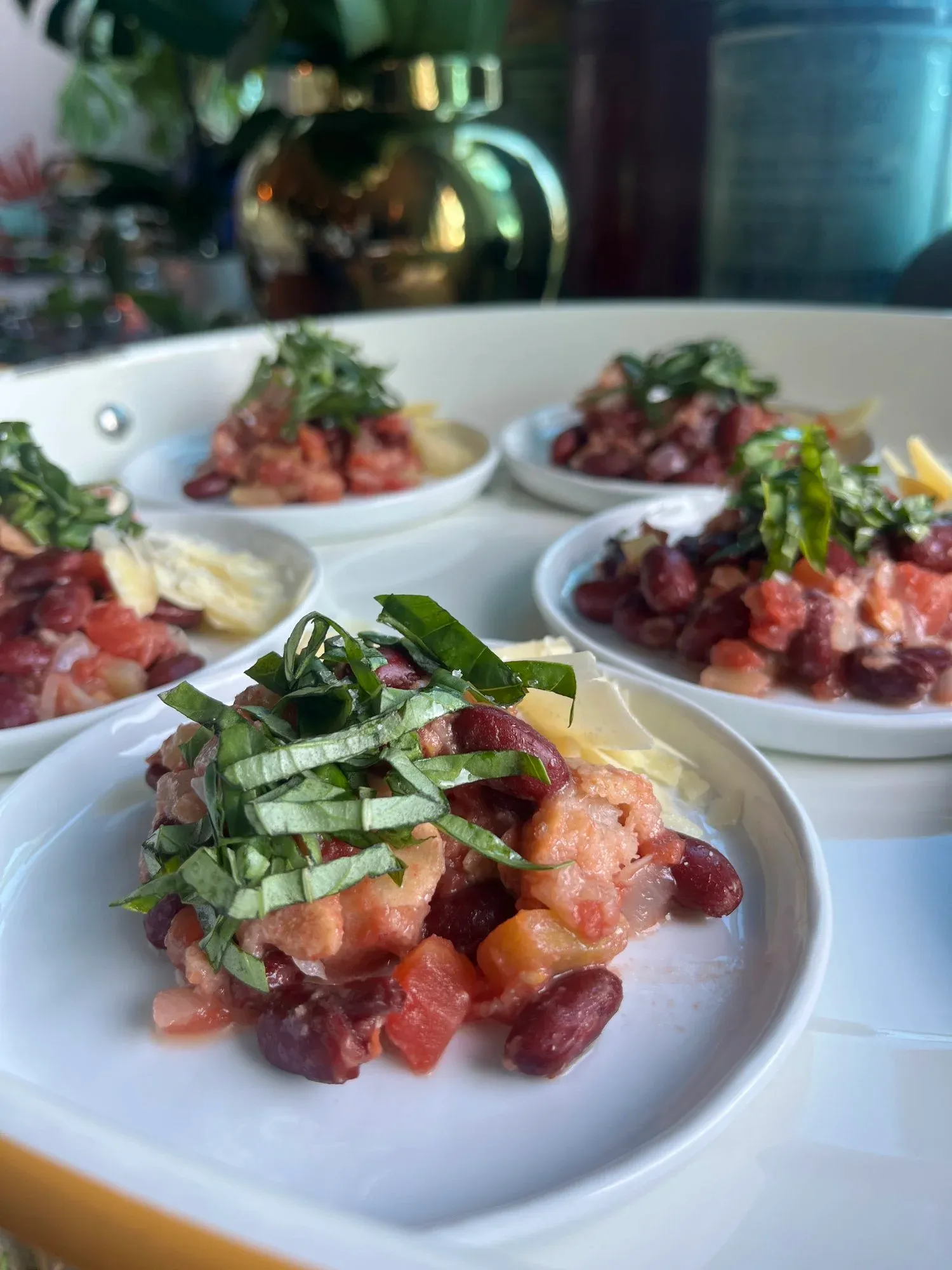
As their chef, I would do all the menus and I would do all the invites and the linens and the rentals and the florals and match the team of the event and cook for exactly that movie's profile. It was an incredible experience, but it doesn't matter if it gets fancy as a Beverly Hills wedding or as simple as a beach picnic, if you put the right intention, like the boaters for example, when I do an event on beautiful occasions, I've done events on catamarans and you know, a variety of reasons for a birthday, for a sweet sixteen, an older gentleman getting together to share their passions about cars and... you know, there were different settings, different occasions, so it dictates the menu and what they're gonna eat and how you're gonna serve. But if my intention is the right place, which is smiles and flavors, then it always comes out good. But the marina in and of itself is a gem. Marina is such a hidden, like, cocoon. All of a sudden, if you walk eight minutes to Venice, you see the mayhem, the crazy life change, right? It's almost like the spoiled child of the family. That's the feel.
And if you come back to Marina, it's almost like Marie Antoinette, like, you know, more ground, like it's a posh, luxurious lifestyle, so different than, you know, minutes away in Venice, it's all about, let it all out, have a good time, do the beach disco and hippie-dippie lifestyle, you know? And then, which is also as beautiful, but when you see people shift in Los Angeles between neighborhoods, you also see the food shift, you know, and times are changing. We have to change as well. We have to find new ways of feeding each other. The restaurants are the, I'm thinking I'm still trying to find what better smoothies can we make? What better health shots, the wine menu, obviously the food in general.
There's more baking we're doing like olive oil, orange and almond butter cake, avocado, chocolate chip cookies. You know, all these things are online nowadays and everybody has the common grounds to share what's nourishing without making them feel too full or indigestible. You know, it's, I don't know if any of this answers your question, but I think love finds you, the kitchen finds you, the hospitality finds you. If you have the EQ, the willingness to provide service, you will always do a similar type of work.
You know Chef while talking you mentioned the word community and this is something that I noted down because I was doing some background check about your restaurant, the feedback that people were like leaving or different platforms about your restaurant and it was clear that the word community kept showing up every time people described your place. So I have to ask you what was that intentional or did it just happen?
Orcun Malkoclar: Well, it was on the business plan. On the business plan, I divided into three sections. The first section was about creating the community space. Because community space in the sense that boaters have an amazing lifestyle. Some people live on their boats and they travel around the world. Sometimes they live part time on their boats. Sometimes they only have the captain live on their boats and then they travel every so often to enjoy wherever they want to go. Maybe as close as the shore of Malibu or to Catalina Island or just a quick excursion in the area. But they never had on that because the basins only have mostly the apartments and the boats parked on them.
We only have three, four spots that are actually on the water. That's why the community came about. Like we said, let's create a community space where people can get together. And I'm so happy. So many wonderful people connected there. Like I have a couple besties that didn't meet for the longest time. They were upstairs. One of them lived in a basin over. Another one lived, you know, just on the second building. And they both texted me, they're like, oh my God, thank you for connecting us. This was such a beautiful time. You know, I have a friend now. So people with common interests like chess players, producers, there's a lot of people that are involved in the movie industry, boaters.
There are people with special interests like hiking and of course surfers. There are a of surfers. There's the more interesting like the world that I'm interested in like more spiritual like you know sound baths and the yogis and the cold plunges and the breathwork that that community so it brought all those people together which is so lovely you know and it is, that was on the business plan the second thing I never realized it, I mean, realizzare in Italian, it means to bring it to life. Like, I never brought it to life, but it was on the business plan. I told them that I wanted to provide sauces, soups, jams, and some specialty spice mixes.
So I wanted to do a whole wall where people could walk in and of course pickles, that's something I have to talk about. It's very important to me because I grew up with a chemist mother and we would pickle all the vegetables. There was not one just like the cucumbers or the Persian cucumbers or the cabbage or you know, anything, any vegetable could be in that jar. And my mom also knew that you eat with your eyes, she loved the color. You know, she put it on the table every single night, you know. We had our salads, absolutely our mixes of pickles.
So that's what was on the business plan. I wanted to offer the community like a space they can connect and also they can like, hey, did you try this like Asian pickle jar? It's daikon and toasted sesame oil, soy sauce, and this fried garlic and chili. It's delicious. It's a whole different pickle profile than I'm used to in the Middle East or my culture, the Turkish culture. If you look up online, you'll see there are stores just dedicated to that. And you'll see a whole array of these beautiful turnips and carrots and onions and garlic and Persian culture. They have this technique. They pickle garlic for many, many, many years and it becomes medicinal. You know, very much like that elephant garlic in Asian stores is also medicinal. It turns really dark and then chewy and sweet. You can use it in sauces. You can, you know, you can do a variety of things as salads and vinaigrettes and such.
Check Our Career Growth Tools


So that was on the business plan, like to create the community space, to create some stories behind all the sauces and that integrate that silk road, spice route, cooking and the feel of it. And event space because it's so magical. If you come down right now by 5 p.m. you won't want to leave until sunset. It's just so, so heartwarming, know, lovely music we play, the sunset, we do, we inherited over 4,000 pieces of linen from Sony Studios. They used to have them on the movie sets. Now we have every color, every shape, every little pattern you can imagine. And when we do events, bring them, like one of our lovely customers, Leticia, it's her birthday on September 8th. And we did the planning on her on her day. So she's in the neighborhood. So that was the third thing on the on the plan. So create a community space, offer them these depth of flavors in jars and different forms like, you know, sauces and soups and jams and pickles. And then have them do amazing events. They, you know, she gets to pick her linens and then we get to pick the flowers and you know, it's a lovely, lovely thing to do.
Check out more interviews like this brought to you by OysterLink to learn about the industry. You can get them straight to your email by creating an OysterLink account and joining our newsletter.

Loading comments...