


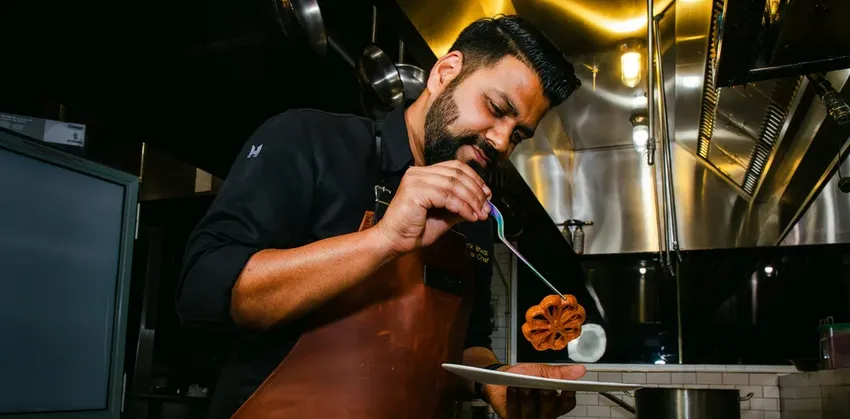

Chef Mayank Istwal discusses his journey from a science background to leading Michelin-recognized Musaafer. He details a massive culinary trip across India to revive lost recipes and the unique challenges of managing global teams on cruise ships.
Please introduce yourself and tell us a bit about your career path
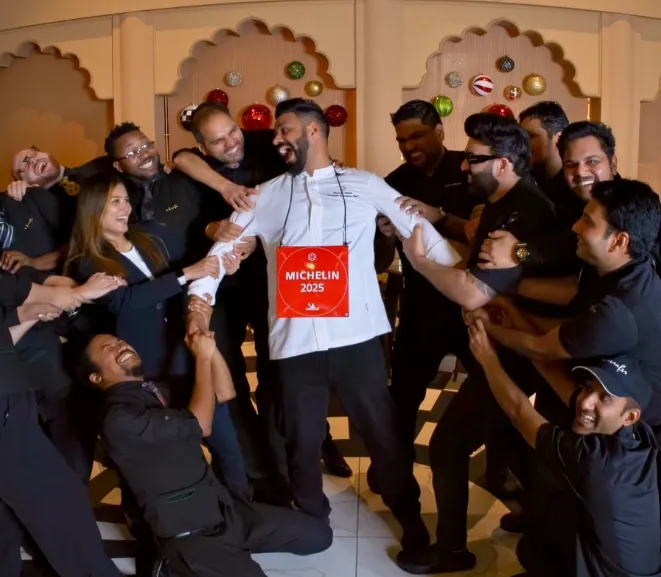
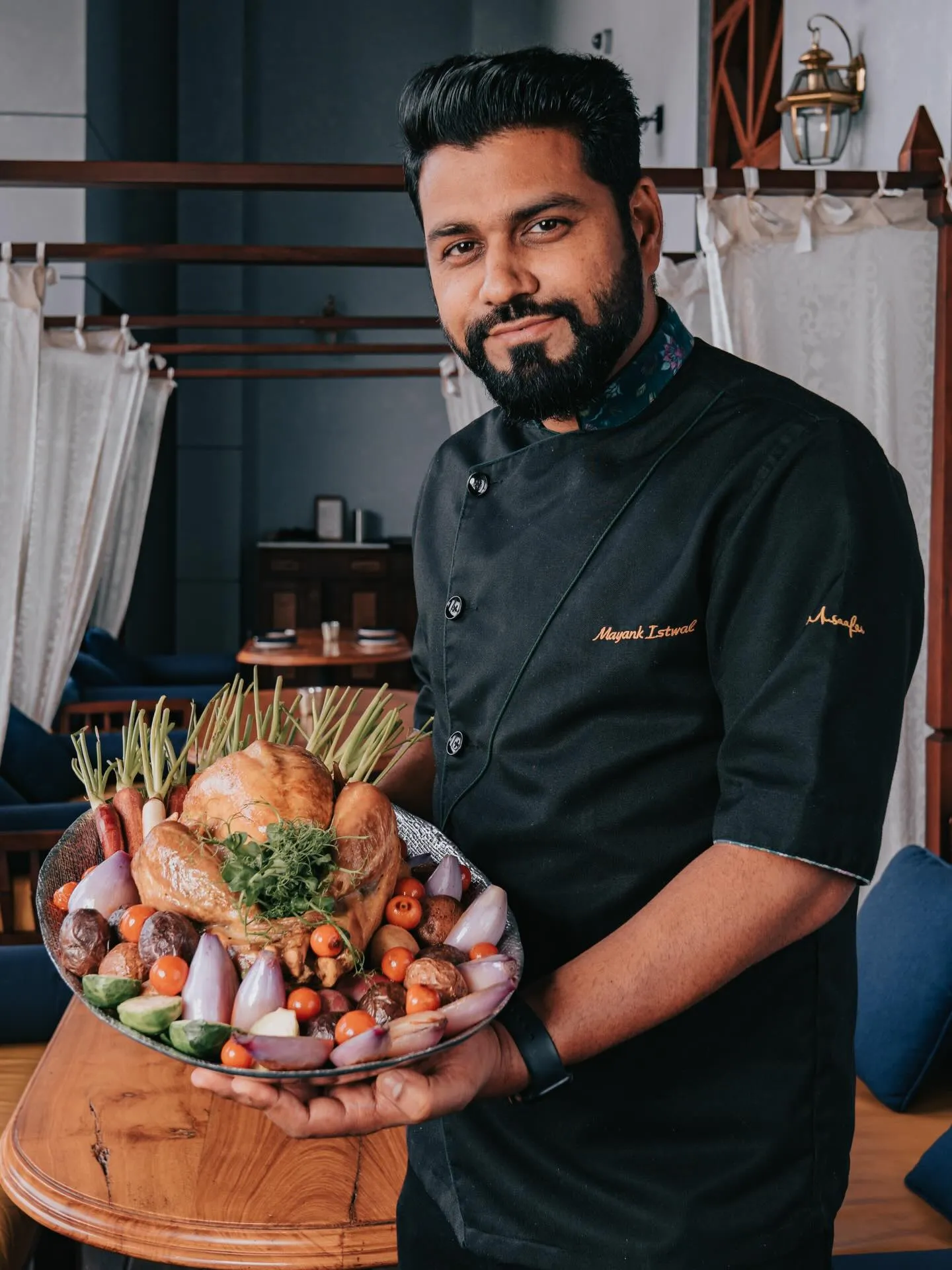
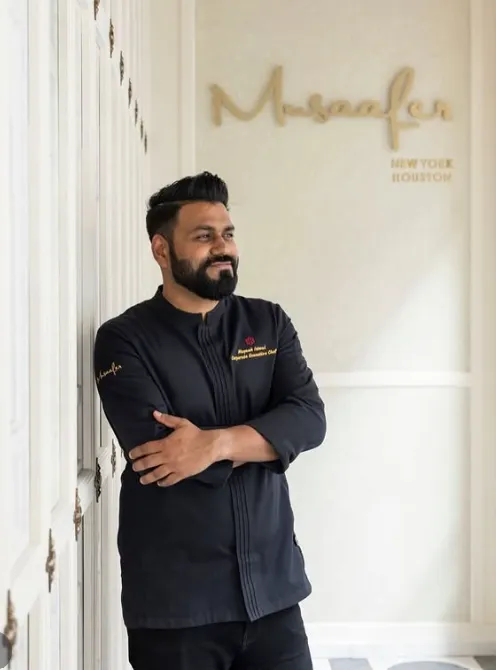
Mayank Istwal: My name is Mayank Istwal. I'm the culinary director and the corporate executive chef for the brand Musaafer. We have restaurants in West Africa. We have a restaurant in Houston that has one Michelin and then we just opened in New York City in Manhattan. We opened last year in the month of August. About myself, you know, I come from a catering family, you know, I grew up in a catering business, you know, always around food. I was pretty young when I got into this business.
I was only eight years old when I started cooking. I used to hate it in the beginning, to be very frank, and I started loving it when I turned 13. I was very attracted towards fire as an element in the kitchen. And now I realize why I chose the hot kitchen. So I really love working in the hot kitchen. So I did my bachelor's in physics, chemistry and maths. Then I did my bachelor's in hotel management and culinary science, food science. And I also studied Ayurvedic medicine while growing up from my grandfather. So it's a combination of medicine, it's a combination of science and then of course food science. So, and then I worked in India for a few years.
Then I moved abroad, worked in Australia, New Zealand, French Polynesia, like all those parts, Pacific. And then I again came back to India. I joined the Spice Route company in 2017. That is a parent company for Musaafer. You know, he's an executive chef. And then, you know, I revamped the restaurants in West Africa. And then we opened the restaurant in 2020, the first restaurant in America that's called Musaafer in 2020, right in the middle of the pandemic. And the rest is history after that. Yeah, that's the short back I just want to talk about.
While I was doing some background check, I saw that you were running a fine dining restaurant on a cruise ship.
Mayank Istwal: So I remember my first few weeks in a fine dining restaurant. It was pretty tough, I would say, because, you know, ships are always moving. And, you know, we were taking the cruise from Sydney. Sydney was the home port. And then we were going to all South Pacific Islands and coming back. We used to cruise for 15 days, 30 days, depending on where we are going. So if it's a 15 day cruise, the first two days are like being on the water. You're not hitting any island. You're not hitting any ports, nothing. So you're constantly on that and you have to keep the people entertained as well. The people who are, you know, like who has come as a guest, you know, the cruise ship. So we used to pick up the produce every day, every single day in the morning, you know, our meats, our proteins.
And then we used to start doing "mise en place" for at least, we used to make all our sauces in advance, you know, for at least for 15 days. You know, these are all the sauces that can be done in advance because you have to do that because you have two days because once the sea days are over when people start hitting these islands, they come really hungry in the evening and the restaurants are booked out throughout. Every single reservation is taken. Sometimes they overbook the restaurant.
So it was kind of challenging and tough as well, but it's at the same time very fun because you're working with so many different nationalities at the same time. You have people from the UK, you have people from the Philippines, Indonesia, like you're all around the world. So we were working with 42 different nationalities. So so much fun actually, knowing, like, and, know, like, because I was the chef in charge, it was also a test of my leadership qualities because, you know, we, all of us, we don't speak the same language. Some people, I can speak fluent English, but others, you know, like they had challenges to speak English, but we used to get work done all the time. I think the best part was we were speaking the food language. I think that was the best language we were all speaking. So we were, we were all on board at the same time.
This is a good term, the "Food Language"
Mayank Istwal: I think there's so much fun because we had a ship language. That's what we used to call it. So we had in the ship language, we had words from different languages. We have some word of Spanish, some Italian words in it, some Hindi words, some Filipino words, some Indonesian words. So if somebody wants to go to eat, they will say, I go makan. The three words are short, crisp, everybody understands. Makan in Indonesian is like I'm going to eat food. So it was fun. I know, like anybody who's greeting somebody, a lot of people will say namaste. It was very common.
And to say thank you, people were saying shukriya. If somebody is a senior, they'll say kapo. You know, like that was a common word, right? So there were like so many words from so many different languages. So we created a language on the ship. And this is how we used to talk to each other. You know, everybody likes across the board, if somebody from Spain or Philippines, wherever, like everybody was speaking the same language to talk to each other. It was the, I would say the ship language that we all created like in due course of time.
Another thing that I also found while doing some research is that you did a 100 day journey across India states to build the Musaafer menu. Can you tell me about this journey? 100 days?
Mayank Istwal: Yeah. Yes. Yes, so the journey took forever, two years, but you know why we call it 100 days is because we were taking breaks in between. We were testing all these recipes as well at the same time. So the idea of this journey was to map the entire country, all the culinary regions of India, the sub region, the subdivisions of the cuisine, then go to the small towns, small villages, pick up the recipes that are lost in time, that nobody talks about.
Generally you find a restaurant that is like a Northern Indian restaurant or Southern Indian restaurant. How about the other parts of India? Like nobody talks about it. So these are like, let's say a small little community that resides in the Himalayas. Nobody talks about their food. The community living in the Northern Eastern part of India or like the central part of India. They were like so many different cuisines that we found and so many amazing recipes, unsung recipes. That's what I call it. Because these are like still in their home, very few people eat it and that's it. You know these ingredients, these spices. So the idea was to bring the recipes number one.
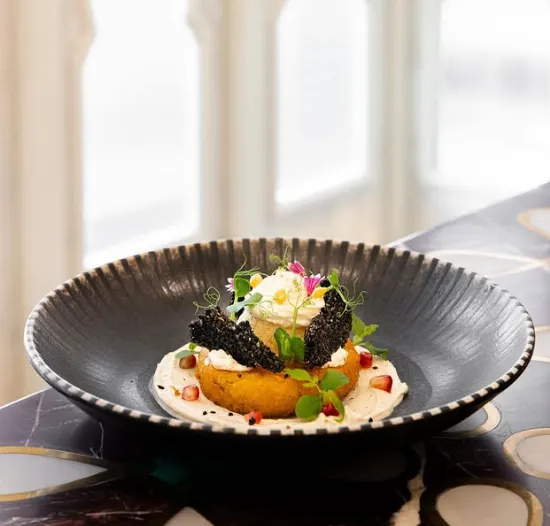
Number two was to map the spices from India because we were talking to the spice plantation people directly. So we knew the origin of our spices. These are like single origin spices that we use in the menu. You know like at the time of the pandemic because you know how the world was. Everybody was struggling, right? So we gave business to these small plantation people. We were buying from them during that time.
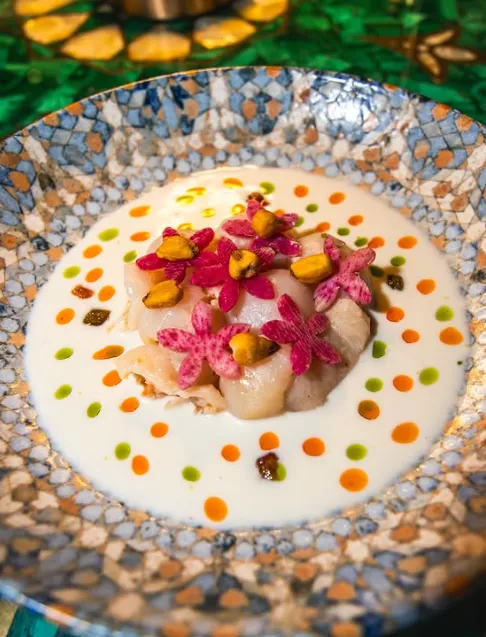
The good part was that we had a restaurant in Texas and Texas was quite liberal in terms of opening the restaurant from 25 % occupants to 75 % and 100 % in no time. But on the other hand, New York was very strict. They did not open restaurants for the longest time. So people were struggling here. So the good part was we were able to open the restaurant and we had a huge space in Houston, it's almost like a 10,600 square feet restaurant. So we were able to buy from this farmer, these spice plantation people during that time. And you know, like I made the supply chain at that point of time, how we can get these spices in the United States.
That was a challenge. And then number three was bringing the stories of these people, because you know, like, the Musaafer is also about the journey, but also about the stories of these people. You know, because all these, because the real recipes lie at home still, you know, because a grandmother will pass on the recipe, you know, to her grandchild and all that, and they will take it forward, right? If there's a grandchild and there's a girl, she gets married to a different household. She'll go to a different house. She'll take the recipe of this house to that house and they will mix the recipes and then, you know, they'll create new recipes.
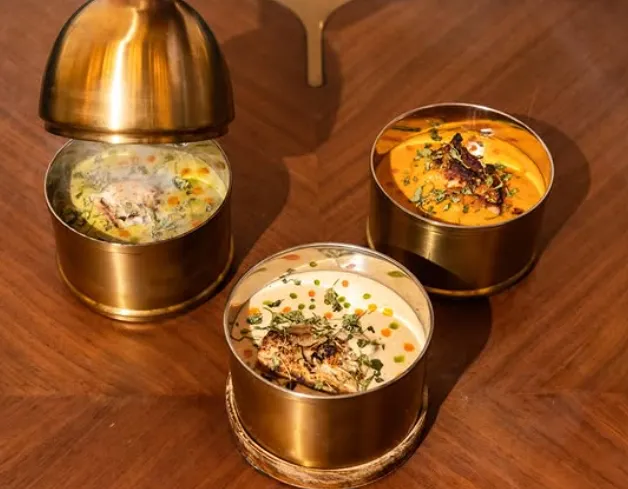
So, you know, all these recipes were like, it was like, it was like for me, like a kid in a candy store, just learning so much every single day. And I said, my God, all my life I was a chef and now I think I know a drop in the ocean. Like there's so much to learn because India is so diverse. So the beauty was like learning the stories, like how they came up with these recipes, like how it was passed on from generation to generation.
There is no evidence in the books, you know, they just maintain a little journal, or sometimes it's just passed on by, verbally it is passed on, right? And then the stories were so amazing to bring it out to people because when in Musaafer we brought these recipes, we were also talking about the stories from the journey. Because you know, like the food is not only about the five senses, you have to tickle the sixth sense of the diners by connecting with them, by telling the stories, right, of those ingredients or those source recipes from the journey.
I think that's what connects people heart to heart, because you have all the five senses right here. And you know, from your head to the lower body, it's the heart, the sixth sense. You know, that connects. I think that's what it is, you have to be more human while serving people in the restaurant. That hospitality is so important. So we thrive in that, you know, like that's our motto of Musaafer, that we have to tickle the sixth sense of the diners.

But there's a new sense these days. You eat with your phone, like you know, I see people like taking pictures. You know like because the phone eats first these days.
That's a new sense. You know like you know because you know that lot of studies have come up, you know. Once you take a very good picture of the food. There is a release of oxytocin in your body and you feel good. You know, so that's a new sense. So like that we're seeing that in this new age the phone is eating first like. You know, like everything. Yeah and then one of the stories were like you know we were in the western coastal belt of India so we had this fisherman he used to go fishing in
Check out more interviews like this brought to you by OysterLink to learn about the industry. You can get them straight to your email by creating an OysterLink account and joining our newsletter.

Loading comments...