


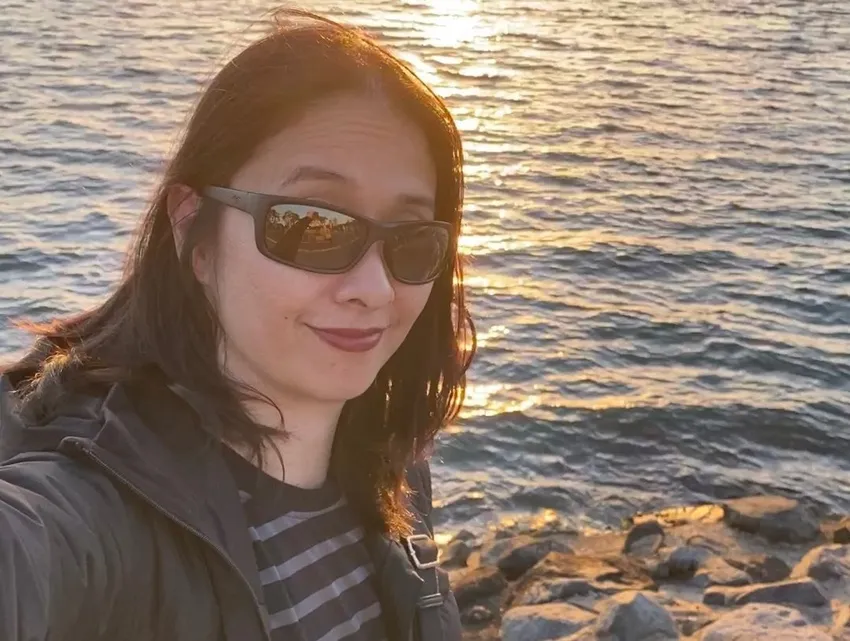

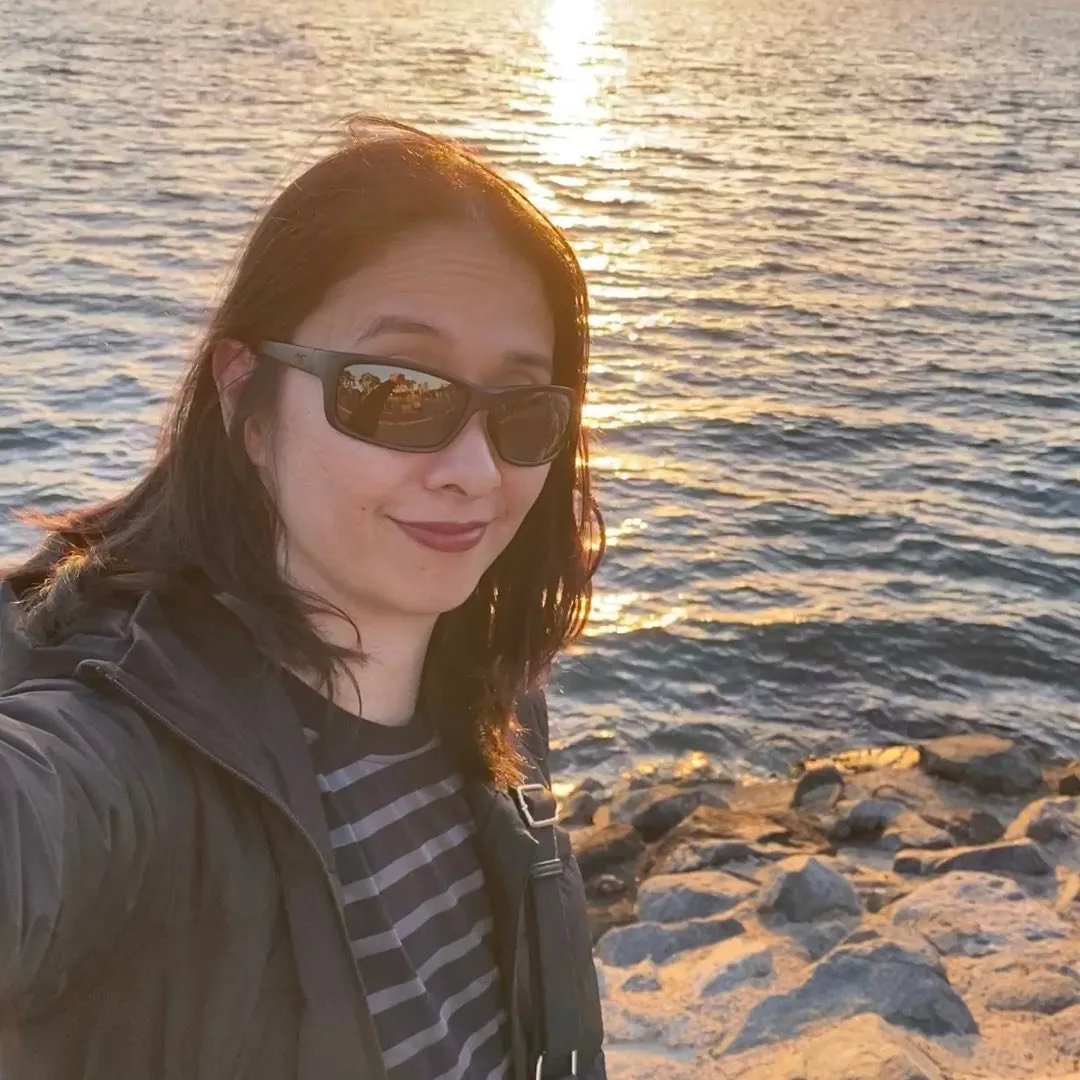
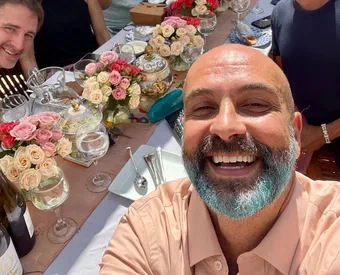
Ivy, creator of Houston Food Lover, highlights Houston's diverse, affordable, and often underrated food scene. She emphasizes authenticity over "Instagram hype" and stresses the importance of integrity in reviews to maintain a restaurant's long-term success.
How did Houston Food Lover start? What made you want to document Houston's food scene?
Ivy: Well, I love food, as obvious by my Instagram. I enjoy food a lot. I work for academia, and so I come in contact with a lot of students who are coming from different countries, different states, and they're always trying to find places to kind of remind them of home, that they're new to a city, they don't know where to go. And so I started kind of documenting my food as a way to say, this is a good place to check out. Parking here, you have to be careful of, you know, or there's valet or this is, you know, college student budget. And so it kind of just kind of grew from that. And so instead of having to repeat myself every time I talk to someone, I kind of just put it on Instagram or a website. So it's easier. Just refer to that and you can find places you can eat around town.
Do you take that as like, is it a job for you or just a hobby? What's your focus on?
Ivy: No, it's just kind of a hobby. It's mostly just trying to... Houston doesn't get a lot of love in terms of the things that we can offer. We have such a diverse city with so many different foods that, you know... When people think of food, they think LA, they think New York. Houston rarely comes to mind. That's changed in the last few years. Some of these well-renowned restaurants are kind of making headlines, but I still feel that as a food city, Houston doesn't get a lot of respect.
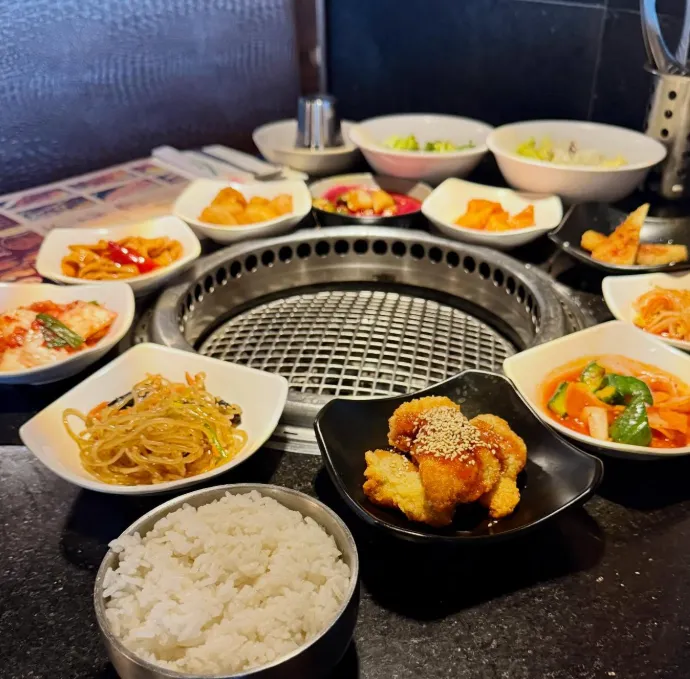
And I think what makes us different from the bigger cities is that it's the cost. You can get some really great dining options for non-fine dining prices, which you can go to a strip mall down outside the loop and it's some of the best Persian food you've ever had. Or there's a random Korean barbecue place further down. So I like that there's diversity and depending on what you're in the mood for that day, you can always find something.
What makes a Houston restaurant seem different from Austin, Dallas or maybe other major food cities?
Ivy: Well, I have one thing that I think we have that a lot of other cities don't have is that we have a large Vietnamese population and over the years there's, I don't know if you've heard it in your circles but there's Viet Cajun. So right now it's, we're kind of closing in on crawfish season but there's, I'm partial to Vietnamese crawfish. It's just the citrus and the butter and everything about it. It's phenomenal.
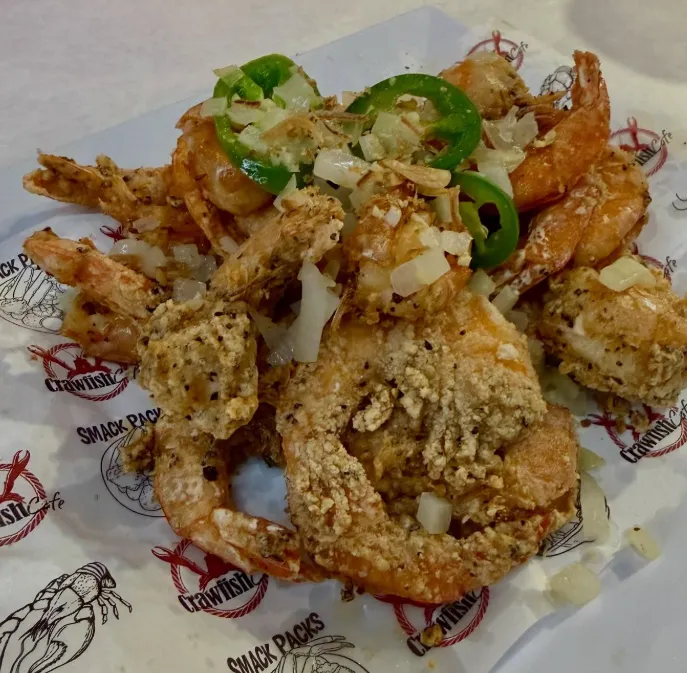
One of my favorite places to go is Crawfish Cafe. They have a Thai basil flavor crawfish. That's one of my favorite. I've eaten crawfish everywhere and it's easily one of my top five places to go. We have West African food. There's a place called Chopp'n Block that, it open up initially in the post. It's flavors that I'm not normally introduced to, but it was just something I discovered and now they have a storefront. They have two locations. And I think that one actually made the New York Times in terms of like up and coming places to keep an eye out on. So it's, I think the fact that there's so many different communities in Houston from Indian to Chinese to Vietnamese, Japanese, everyone. It's just it introduced you to a lot more food that you normally wouldn't get in other cities like Austin or maybe even Miami.
So from your experience, what cuisines or concepts feel underrepresented in Houston?
Ivy: Everyone when they think Texas, they think barbecue. We have some fantastic barbecue places. I love brisket. I think Texas brisket is top-notch. The Pit Room is one of my favorites. Pinkerton is just, when the meat melts in your mouth, you know you've done something right. I think sometimes Chinese food is underrated. We have such a large Chinese community and it's not just, most people, my family's from Hong Kong and so they immigrated over here late 70s.
My maternal grandmother actually owned a restaurant in Hong Kong when she lived over there. And so I've been introduced to all sorts of foods growing up. And so when I find those places in town, it's just kind of a treat. Like, this tastes like home cooked meals, you know? But I think people always equate Chinese with being cheap and they think about the Americanized fried rice or wontons and stuff, but it encompasses so much more than that. There's different regions and depending on whether it's northern or southern cuisine, it introduces you to different types of dishes that you wouldn't normally see in a standard Americanized Chinese restaurant.
So what else other than Chinese cuisine? Chinese cuisine is underrepresented in Houston, what other cuisine can you think of?
Ivy: I think we have a large Vietnamese cuisine, Vietnamese community. We have a little Vietnam, little Saigon. There's, I don't know, I'm partial to Asian food, so that's kind of where my interest lies, but I know we have Nigerian restaurants. There's one that opened up in Pearland. I can't think of the name off the top of my head right now, but it's hard to find something that you could like from any region you couldn't find in Houston somewhere. It might not be as numerous, but there are usually one or two restaurants from a certain region that you might not think of.
Okay, this is interesting. I mean, it's interesting why.
Ivy: I think because, well I think Houston's a port city. And it's, we have, it's also largely oil and gas, so you bring all sorts of populations into the city. And I think when you build a life here, there's, people want to find some semblance of home and so they, what's the best way to bring people together?
It's food, it's community. You share, break bread with people you may not know very well and you share that portion, that part of your culture with other people. I think Houston is very good at doing that and so over the years I think that's just how certain food populations grow, it started out as an act of love and showing other people your culture. So I think that's why we have so many different types of cuisines.
How important is the front of house experience and how is it in Houston? What's your take on that?
Ivy: It depends on what kind of dining you're going to. Fine dining is different from fast casual, different from hole-in-the-wall type stuff. So if you're going for fine dining, you want the front-of-house experience to match up with the food. But I've been to restaurants before where everything's gorgeous, the service was great, but the food was lacking. It's... I don't know what the magic formula is.
I know it when I go there. But some things that I tell people is to look for traffic. If you don't see a lot of people there, there's a reason why. Or even if you don't look at those logistics, food rotation is not going to be good. And so you run the risk of higher foodborne illnesses if food is not rotating correctly. If you have, whatchamacallit, if you have... you can have, my favorite spot is cheap and delicious. I will also do something expensive and delicious. The worst thing to do is to do expensive and terrible food because nothing feels worse than having to pay a lot of money. And then it was just the worst experience ever. And then I would even take bad food and cheap food because at least you know, you're just getting a meal and it is what it is. But there's so many dining options. We have a lot of fine dining with James Beard award, you know, worthy restaurants and I like them both. I like fine dining. I like hole in the wall. I like anything that just encompasses someone's culture and I can kind of taste what embodies a culture.
By the way, many of the chefs I interviewed always talked about the same point that sometimes owners focus on everything. They focus on decoration. They focus on how luxurious the place would be. And when you ask them about the food, the answer is, yeah, we'll get to that later. So it's sometimes the last thing they would focus on. And this happens when the owner is not a chef, when the owner is just someone who's investing in the place.
Ivy: Yes. And you can tell that, as a foodie, you can tell that right away. So if you don't have the restaurant, if you don't have the food, it's not going to last long. And I've seen restaurants that have suffered that fate. If your food is good, even if you have an occasional rude waiter or the lines are out the door and maybe the service was bad that day, if the food is consistently good, I think people will tolerate a lot more.
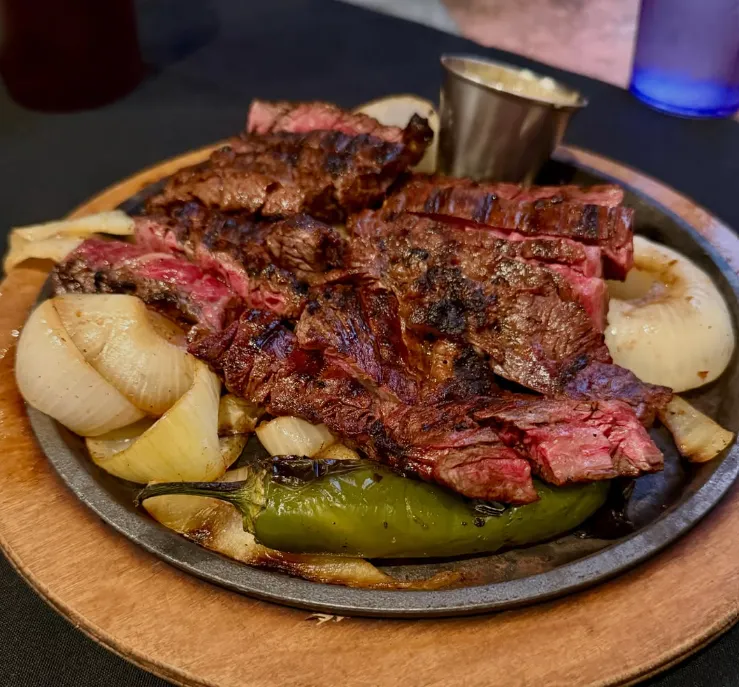
I think the sweet spot is if you have the good food and the service and the experience and those are very hard to come by. Some restaurants who stand out as consistent winners, Hugo Ortega restaurants, Hugo's restaurants fantastic, Cat Robata has the ambience and the food, Uchi's, Doris Metropolitan is one of my favorites. I go there often. The steaks are phenomenal. So it depends on what I'm looking for that day. And I take my expectations accordingly.
By the way, shout out to Chef Hugo Ortega. I interviewed him two weeks ago and we had one of the most amazing and joyful conversations for like an hour about their restaurant and their founding story and everything.
Ivy: Yeah, yeah. So if you ever end up in Houston, I highly recommend his restaurants. My favorite one from his is Caracol. It's seafood oriented. Yeah, it's one of my favorite, easily top five. But I always tell people who come visiting, you need to try that restaurant. It's just fantastic. And for people who like to sample things, they have a weekend brunch where you can kind of get a sampling of everything. So it's, yeah. And then no one's paying me for these advertisers. These are just restaurants.
Check Our Career Growth Tools


What tells you in the first five minutes whether a place is going to make it or not.
Ivy: How many people are in there, the type of people that are in there, and sometimes even just the fragrance of the food that's emanating from the kitchen. So depending on what kind of food. Referencing back to Crawfish Cafe, I step in there, I can just smell the crawfish boil like the minute I go inside. I mean, you just smell how fresh everything tastes. Yeah, and it's busy. The waits are usually during crawfish season, anywhere from an hour to two hours. And so I was like, this restaurant is gonna be around for a while. So I look at how the staff is sometimes. You always be kind to the staff because they work hard at what they do, but... Yeah, and I've noticed in my experience that if a restaurant does too many things at once, like they're trying to cater to everything and they don't focus, excuse me, on a particular set of menus or specialties, they don't do as well because they spread themselves too thin. So if I open a menu and there's like 30 different main courses, it's like, well, okay, which one are you really good at?
So those are kind of the things I noticed when I go and try a new restaurant. And sometimes, you know, we're the age of Instagram, you see a lot of hype with certain restaurants and they're like, that looks like a really cool place. And you go and you're like, okay, that was a little underwhelming. I can see why people like it because of the vibes, but the food was not matching with the ambience. So those are the kind of things I keep in mind. And I never, I don't bad mouth, just, you know, different strokes, different folks, right? I want everyone to succeed, but as competitive as a food city that Houston is, it's very, you have to have your A game to succeed well in the city.
So let me also ask you, what are the most common mistakes that you see in new Houston restaurants?
Ivy: I think of both. So some of the fine dining restaurants, it doesn't mean, when you go, it's obvious you're there for the appearances. Everyone's dressed up very nicely. It can kind of also double as kind of a nightclub area to where all the cool, beautiful people are there and you see it, and the alcohol is flowing and everything, but the food doesn't quite hit the mark because they're so focused on that branding, in my opinion, that you're missing what fundamentally makes a good restaurant, which is the food. But there are places for restaurants like that to be seen, and there's a place for them. But as far as whether I go to those very often, I try not to. I don't want to go for the food, not for appearances.
What are the top 5 restaurants that you would recommend in Houston?
Ivy: It's so much fun. I would tell them to go Caracol. If we're doing, I'm a big fan of Caliente. They're the sister restaurant to The Pit Room. And so it's Tex-Mex, so we do Tex-Mex well. So I like them a lot. That kind of encompasses kind of a very Texas area. Hugo's is also another one. There's a new restaurant that just opened up in Katy Asia Town. It's Hong Kong Cafe, I think. I would have to double check that, that tastes like home. It tastes like my grandmother just cooked it out of the kitchen and all the smells, all the memories just flare up whenever I eat over there.
They have things like Peking duck or certain traditional Cantonese style dishes. That's another one that just came up recently, it's called One Roast. It's over there in Bel Air, Asia town. It's kind of Chinese barbecue. It has the Chinese barbecue pork, the roast duck, the pork bellies, and it goes with fries. That's another one that just, that one actually kind of met the hype that I saw on Instagram. Yeah, it's hard. I love all these, like my children, and it's like, I can't pick anything. It depends on my mood that day.
Let me now wrap up with one question. What would you tell someone who's considering opening a new restaurant in Houston? What would be your advice?
Ivy: I would say research the location carefully because I've seen some very good restaurants in areas that were difficult to park or complicated traffic areas that failed because of those reasons. A lot of people have issues with parking and so Houstonians have kind of an aversion to paying for parking and so if it's difficult to get there you're going to limit your traffic flow. But if it's good enough, you know, your food is on point and everything else, you could still last for a while. But it's just in terms of long-term success, it will be very challenging to do so. I'll give you one example.
It's a good insight by the way, Houstonians don't like paying for parking. This is something that someone has to keep in mind
Ivy: They do not. They do not. Every time I've invited people out, they're like, no, I don't want to valet or I don't want to pay for parking. Because there's a lot of sprawl in Houston, right? And so they think about, if it's easy to park and if there's abundant parking, it increases the chance that someone will go. But if you have to park downtown, you have the valet, people are like, is it really good enough for me to deal with the headache of navigating through downtown or all these other obstacles?
I think research the area where you plan on opening up the restaurants. Like I would be hard pressed to move, a restaurant right next to Hugo's, you know, the same type of cuisine because you're gonna set yourself up for failure. So things kind of like that. And I know that with Houston being as large as it is, a lot of people start venturing outside the loops. And so it has to be easy to find and it has to be good, I think. These are just my personal opinions.
What about social media? Let's talk about your social media experience in this case. What would you recommend new restaurants to be found on social media? How do Houstonians take social media ads?
Ivy: It depends on their market, depends on the audience that they're catering to. If you're trying to cater to the ones looking for the deals. I'll give you an example. I went to a restaurant a few months ago that was advertised as one, uh, all you can eat buffet, whether it's this hot pot sushi, it was like an array of things and all the Google reviews were like five and you know, 4.9 to five. And I was like, okay, what's going on here?
And I realized it was because you got a free lobster if you gave a positive review. So those days are, uh, obviously skewed. So I would say if you're doing any kind of social media stuff, be honest in your presentation because I myself don't like to be deceived. If I'm willing to drive out somewhere, I want the experience to be good and not just because I get a free lobster for writing a good review.
Then let me ask you what's better in this case, is it fast paid media or slow organic growth? Again, the Houstonian take on that.
Ivy: This is just my opinion and I'm sure there's experts out there who probably have differing opinions. I think it depends on which audien ce you're trying to market to. I think for the high range or the high end dining or the fine dining, I think the slow growth is better because there's almost a desperation to it if you're just trying to bombard and you're getting influencers in there to advertise for such and such, because a lot of times influencers are kind of, I don't want to say obligated, but they would feel inclined to give more favorable reviews.
And I've done that myself. You know, I've helped out some local restaurants by doing Instagram reels for them. And it's like, you know, they're good, but you know, it's not something that I would regularly go to. And so I think being, having some integrity and being honest about what you're presenting is important for the long term, you know, for your restaurant and everything.
Check out more interviews like this brought to you by OysterLink to learn about the industry. You can get them straight to your email by creating an OysterLink account and joining our newsletter.

Loading comments...