


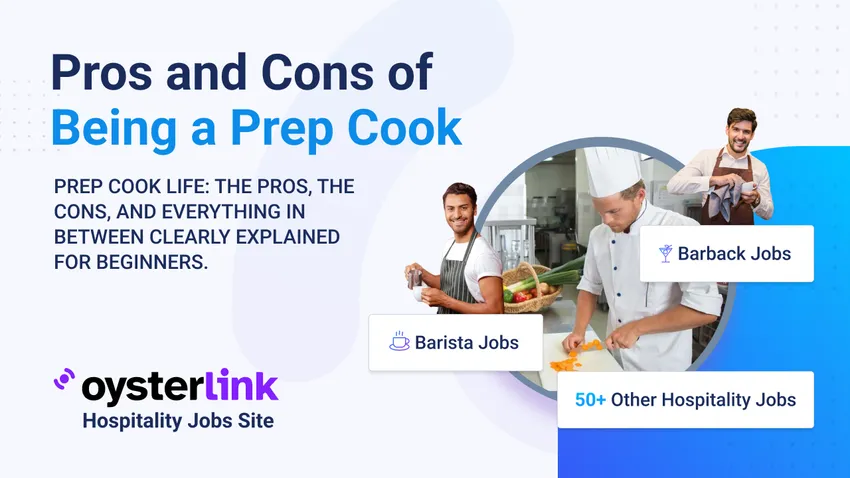

Thinking about working in a kitchen? Understanding the pros and cons of being a Prep Cook will help you decide if this entry-level culinary job fits your goals.
Below is everything you need to know about the benefits, challenges, and long-term opportunities of this essential kitchen role.

Pros of Being a Prep Cook
Working as a Prep Cook comes with several advantages that make it a strong starting point in the culinary world.
This role offers hands-on kitchen experience, consistent demand across restaurants and hotels, and beginner-friendly access for those without formal training.
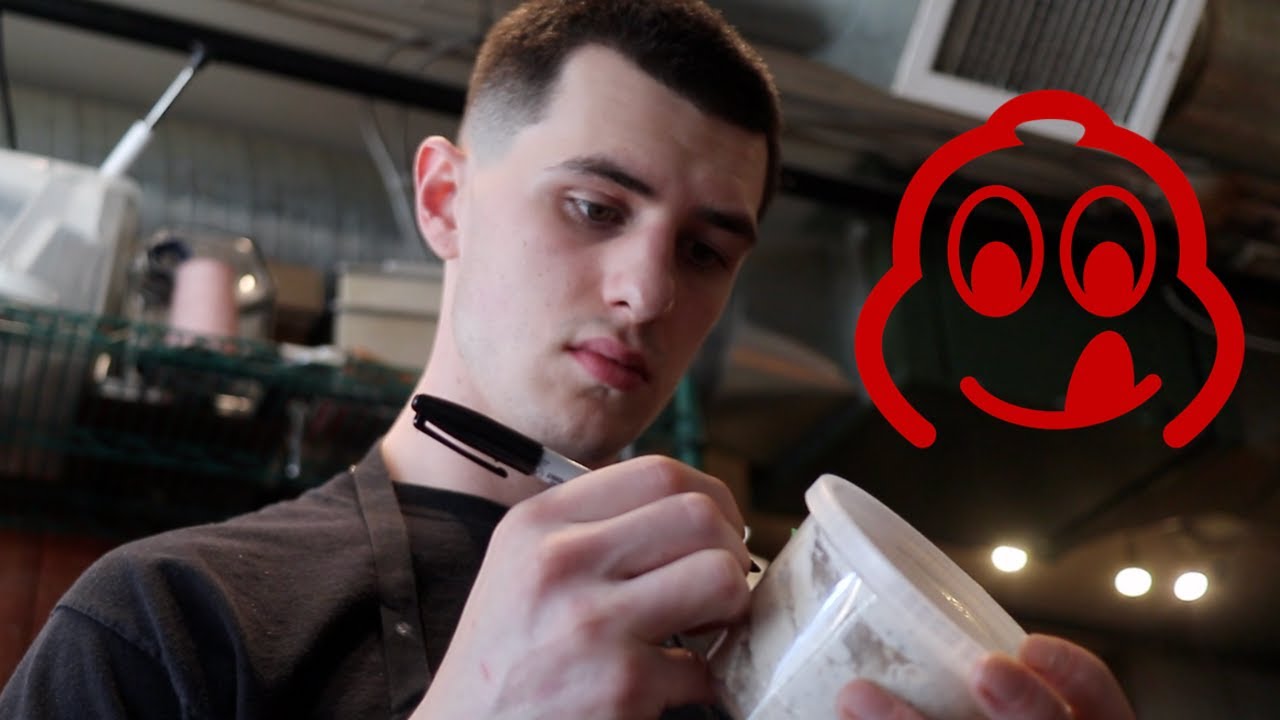
Prep Cooks learn essential kitchen skills such as knife handling, food safety, teamwork, and efficient workflow—skills that form the foundation of every professional kitchen.



The Fastest Growing
Restaurant & Hospitality Job Platform
Looking for top paid jobs? Or Hiring for your business?
Prep Cook Career Benefits: Why This Entry-Level Culinary Job Works
A major benefit of a Prep Cook career is that it’s an entry-level culinary job that doesn’t require a degree or previous kitchen experience.
Employers typically provide on-the-job training, allowing new cooks to develop real-world skills quickly.
For many people—career changers, young workers, or aspiring Chefs—this role is the perfect starting point for long-term culinary growth.
Cons of Being a Prep Cook: Kitchen Job Challenges Explained
Every kitchen role has its challenges, and Prep Cooks face several kitchen job challenges that are important to consider.
The work is physically demanding, often requiring long hours on your feet, repetitive chopping, and handling heavy ingredients.
Starting pay tends to be lower compared to other kitchen positions, and the tasks can become routine over time.
Is a Prep Cook Career Worth It?
A Prep Cook career can be highly rewarding depending on your goals. If you’re passionate about cooking, teamwork, and learning from experienced chefs, this role offers unmatched hands-on training.
It’s also a powerful stepping stone—many Line Cooks, Sous Chefs, and Head Chefs began as Prep Cooks.
However, low starting wages, repetitive tasks, and demanding hours may not fit everyone.
Check Our Career Growth Tools


Prep Cook Salary, Hours, and Work Conditions
Prep Cook earnings vary based on location and establishment type. Most Prep Cooks earn around $12–$18 per hour, with higher wages in upscale restaurants and hotels.
Work hours can include early mornings, late nights, weekends, and holidays, reflecting standard restaurant operations.
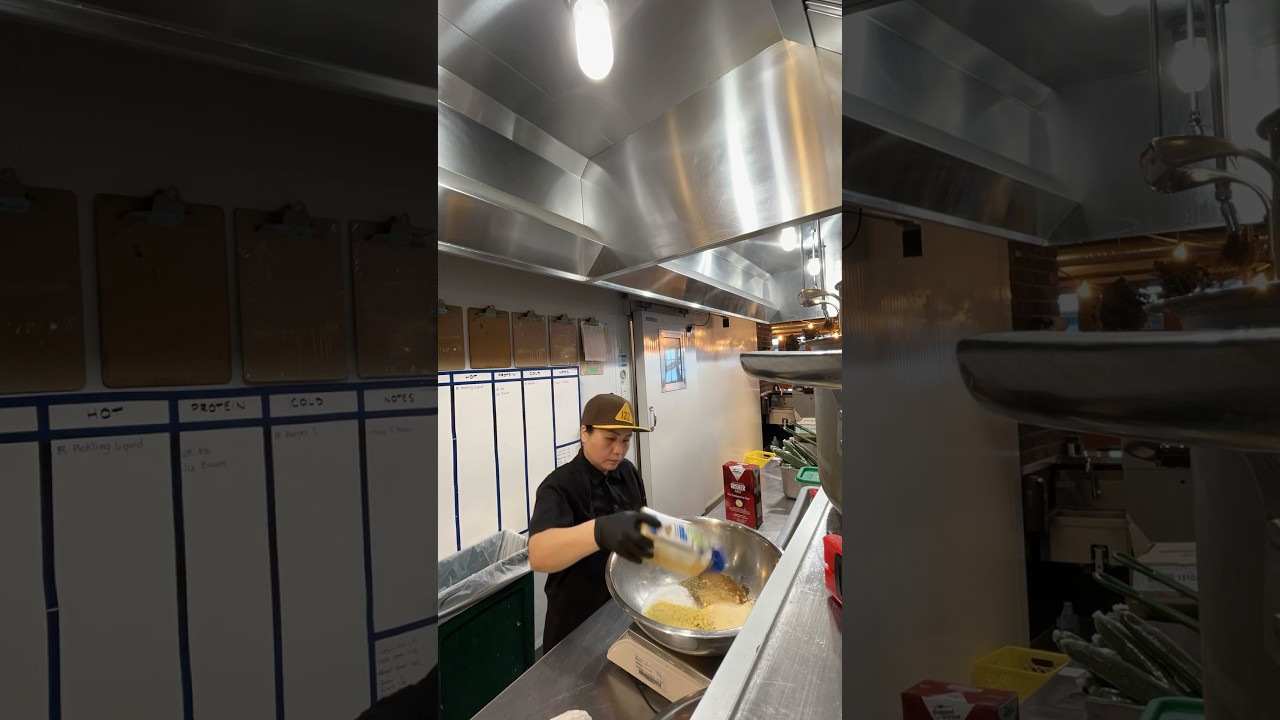
The job requires stamina, consistency, and precision, as Prep Cooks perform extensive ingredient prep and assist chefs throughout the shift.
How to Grow Your Prep Cook Career Quickly
Advancing your Prep Cook career typically involves mastering prep tasks, demonstrating reliability, and showing initiative.
Prep Cooks who take on more responsibility—such as learning new cooking techniques or assisting with station setup—often move up to Line Cook roles within months.
Continuing to practice knife skills, learning sauces and stocks, and observing experienced Chefs can accelerate growth.
Pros and Cons of Being a Prep Cook: Final Thoughts
Overall, the pros and cons of being a Prep Cook show that the role is an excellent entry point for anyone interested in a culinary future.
It offers strong training, career mobility, and consistent opportunities—balanced against physical challenges and lower starting pay.
For those passionate about cooking and ready to work in a fast-paced kitchen, becoming a Prep Cook is a worthwhile, skill-building step toward a long-term culinary career.
The Fastest Growing
Restaurant & Hospitality Job Platform
Looking for top paid jobs? Or Hiring for your business?



Loading comments...