


Line Cook Career Path: 5 Roles to Executive Chef
Line Cooks anchor a 1.45 million-strong U.S. cook workforce. This guide covers what the job involves, what it pays, and the 5 steps to growth.

A Line Cook career is the engine room of the restaurant industry, and the workforce behind it has grown nearly 31% since 2020.
This guide covers what you do, what you earn by state and city, and exactly how to climb.

What Is a Line Cook Career?
A Line Cook, sometimes called a Station Cook, is the person who actually fires the food during service.
You work a station, executing prep and cooking tasks like chopping, butchering, and plating, usually under a Chef, Head Chef, Sous Chef, or Kitchen Manager.
It is the role where you learn to cook under real pressure, and it is the most common launch point toward every senior kitchen job above it.
What Does a Line Cook Do: Day-to-Day Duties and Responsibilities
Stations differ, but the core duties stay the same across nearly every kitchen:
- Washing, chopping, slicing, dicing, measuring, and mixing ingredients
- Cooking dishes to established recipes
- Hitting the correct temperature and consistency every time
- Plating dishes to the restaurant's visual standard
- Keeping workstations clean and following food-safety rules
- Tracking inventory and flagging shortages
- Coordinating with front-of-house staff so orders land on time
You can see the full breakdown in our Line Cook job description.
Top 5 Skills of the Best Line Cooks
- Culinary skills - grilling, baking, roasting, sautéing, frying, knife work, etc.
- Attention to detail - every plate matches the standard
- Time management - prioritizing tickets through a peak rush
- Physical stamina - hours on your feet in a hot kitchen
- Communication - constant, clear back-and-forth with the team

How To Become a Line Cook: Steps, Training, and Certifications
There is no single required path, which is part of the appeal. Here is the realistic route.
Steps to Get Hired
- Learn basic culinary skills through a culinary school, community college program, or online courses
- Start in an entry-level kitchen role like Dishwasher, Prep Cook, or Kitchen Assistant to learn how a kitchen runs
- Earn a food handler certificate, since most commercial kitchens require one
- Apply for Line Cook jobs and prepare for the interview



The Fastest Growing
Restaurant & Hospitality Job Platform
Looking for top paid jobs? Or Hiring for your business?
Certifications That Raise Your Pay
- ServSafe food safety certification, required by many states
- Certified Fundamentals Cook from the ACF, which can lift salaries by 10%
- Culinary school diplomas, where graduates often start at $18 to $22 an hour
- Knife skills and butchery courses, which open higher-paying roles
A culinary degree is not required, but the data is clear: certified and formally trained cooks command higher starting wages.
Line Cook Salary and Earning Potential in 2026
The average Line Cook salary in the U.S. is $33,829 per year, which works out to $16.26 per hour, $2,826 per month, or $650 per week.
Hourly pay typically runs from $12 to $20, and anything over 40 hours a week earns overtime at 1.5x.
Experience moves the number sharply:
- Entry-level Line Cooks (0 to 1 year) earn $24,000 to $27,000
- Senior Line Cooks (10+ years) earn $40,000 to $44,000
- Salaried senior or lead roles at hotels and resorts run $38,000 to $45,000
Location is the other major lever:
- Washington pays the most at $47,368, followed by the District of Columbia at $46,655 and Massachusetts at $45,094
- Mississippi sits lowest at $30,061, a gap of more than $17,000 from the top
- Among major cities, New York leads at $48,007 while Chicago is lowest of the four majors at $39,089
For context, the broader U.S. cook workforce has seen wages climb about 27.8% since 2020, one of the fastest jumps of any hospitality role.
For the full state-by-state and city breakdown, visit the OysterLink Line Cook Salary Guide.
Where Line Cooks Work: Kitchens and Settings
The kitchen you choose largely sets your pay:
- Fine dining - the highest wages
- Casual and mid-range restaurants - solid middle-of-the-road pay
- Fast-food and quick-service - the lowest wages, often near minimum
- Hotels and resorts - more likely to offer salaried senior roles with benefits
- Specialty kitchens - steakhouses, sushi bars, and seafood spots
What the Line Cook Workplace Actually Looks Like
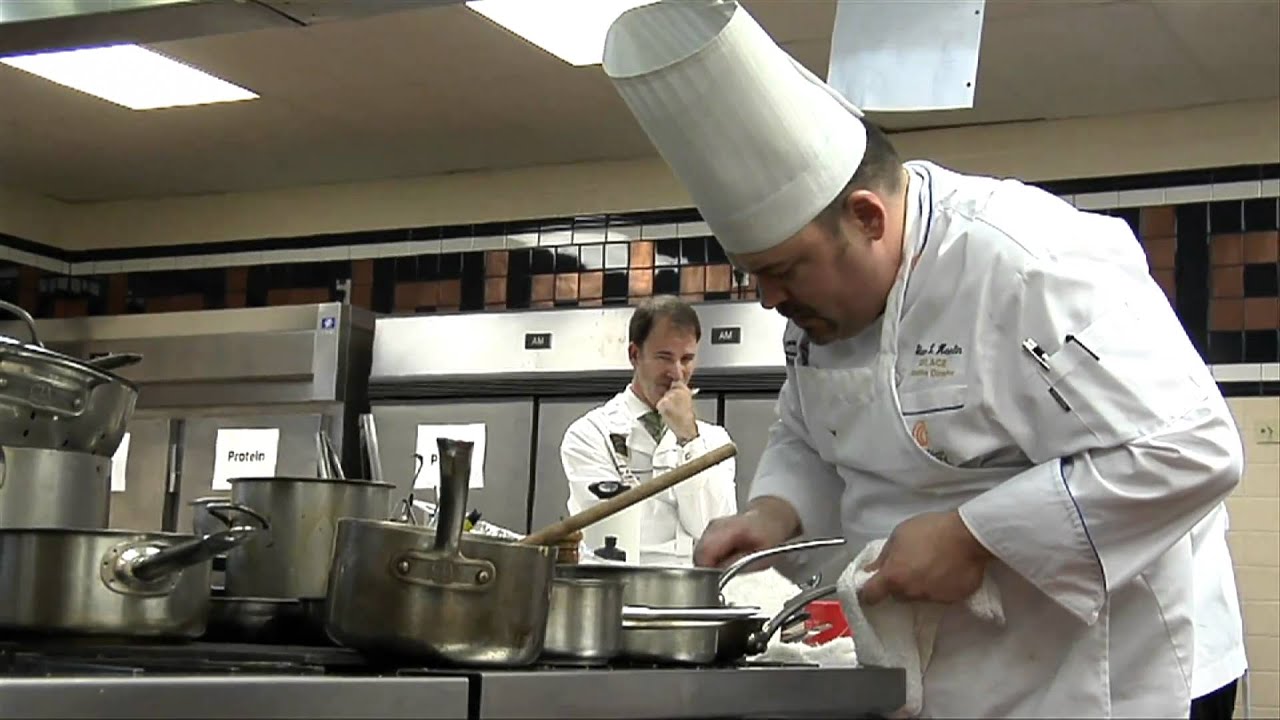
The line is hot, loud, and fast. You stand for hours in a high-temperature environment and push through peak rushes where tickets stack faster than you can clear them.
Most Line Cooks are paid hourly, which cuts both ways: overtime and seasonal busy periods can boost your check, but slower seasons can mean inconsistent hours.
The pressure is real, and so is the pace of learning, which is why the line produces so many future Chefs.
Line Cook Career Progression: 5 Steps From $33K to $90K
The line is a starting point, not a ceiling. Here is the typical climb:
- Lead Line Cook - $34,500
- Sous Chef - $56,000
- Chef - $62,000
- Head Chef - $80,000
- Executive Chef - $90,000
That is a climb of more than $56,000 from an entry Line Cook wage to an Executive Chef salary, built one station and one season at a time.
Browse open roles right now on the OysterLink Line Cook job board, updated daily.
Pros and Cons of a Line Cook Career
Every line has rewards and trade-offs. Here is the honest breakdown.
Pros | Cons |
|---|---|
Low barrier to entry, often hireable with no experience | Low entry pay, with first-year cooks at $24,000 to $27,000 |
Clear 5-step ladder reaching $90,000 | Hot, high-pressure environment during every rush |
Hands-on craft and fast skill growth | Long hours on your feet, plus no tips unlike servers |
Overtime pay at 1.5x beyond 40 hours | Inconsistent hours in slower seasons |
The Fastest Growing
Restaurant & Hospitality Job Platform
Looking for top paid jobs? Or Hiring for your business?