




What is mise en place? In this article, you’ll discover how Chefs eliminate stress and mistakes simply by preparing everything before the heat turns on.

What Does Mise en Place Mean?
Mise en place literally means “putting in place,” but in practice it’s a mindset of readiness and organization.
It’s about having every ingredient, tool and step prepared before cooking begins. This helps chefs stay focused, efficient and mentally clear during service.



The Fastest Growing
Restaurant & Hospitality Job Platform
Looking for top paid jobs? Or Hiring for your business?
Why Is Mise en Place Important for Chefs?
Chefs rely on mise en place so they’re never scrambling for ingredients mid-service.
This preparation ensures smooth workflow, consistent dishes and less stress. It also supports better teamwork, because everyone knows exactly what they need and when.
The Benefits of Practicing Mise en Place
- Increased efficiency and focus
- Quality control and consistency
- Time management
- Reduces food waste
- Safety and cleanliness
- Enhanced creativity
- Improved team collaboration
Check Our Career Growth Tools


How To Practice Mise en Place
Effective mise en place starts with knowing exactly what you’re cooking and breaking the process into clear steps.
Chefs make a checklist, gather every ingredient and tool, then chop, portion and measure everything before the heat even turns on.
By organizing their station so everything is within easy reach, they ensure that once cooking begins, the only job left is to cook — smoothly and without interruptions.
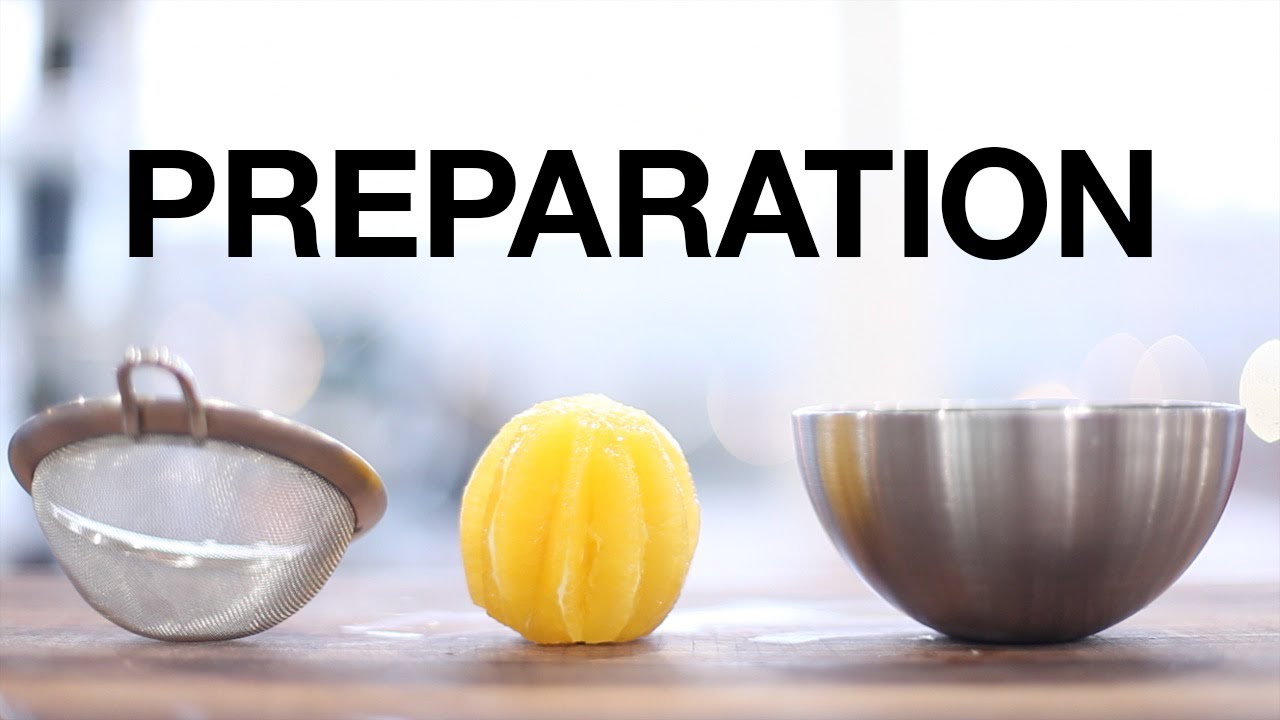
Common Tools Used in Mise en Place
Effective mise en place relies on various tools that aid in the preparation and organization of ingredients. Some of the essential tools include:
- Chef's knife
- Cutting boards
- Measuring cups and spoons
- Prep bowls
- Labels and markers
The History and Origins of Mise en Place
Mise en place comes from Georges Auguste Escoffier’s brigade system, which revolutionized kitchen organization in the early 1900s.
His structured approach assigned each chef a role and demanded full preparation before service. This method remains the foundation of modern professional kitchens.
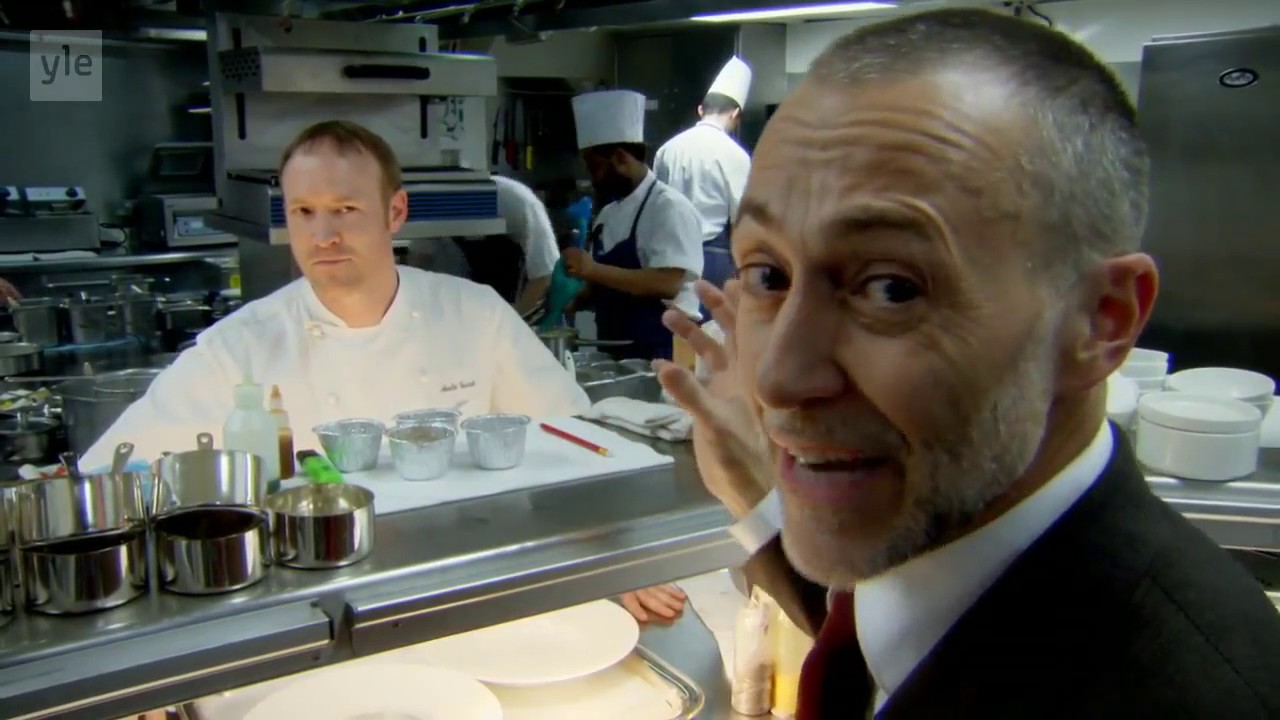
Mise en Place Outside the Kitchen
The mindset of preparation applies to offices, projects and daily life. By organizing tasks, anticipating challenges and setting up materials, people work more efficiently.
Essentially, it’s a productivity philosophy disguised as a cooking technique.
The Fastest Growing
Restaurant & Hospitality Job Platform
Looking for top paid jobs? Or Hiring for your business?
Steps to Implement Mise en Place in Your Home Kitchen
Applying mise en place at home can streamline your cooking process and improve meal outcomes. Follow these steps:
- Read the recipe thoroughly
- Prepare ingredients
- Organize equipment
- Set up your workspace
Common Mistakes to Avoid When Practicing Mise en Place
Over-prepping can cause ingredients to lose freshness, while being too rigid can limit creativity.
Forgetting to clean as you go also creates clutter that slows you down. Staying balanced and flexible keeps mise en place effective.
Conclusion: What Is Mise en Place
Mise en place reduces chaos by ensuring preparation happens before cooking starts. It comes from Escoffier’s brigade system, which structured kitchens like a hierarchy to maximize efficiency.
Today it’s a foundational skill across restaurants, culinary schools and even non-culinary fields where preparation leads to better results.


Written by Mitko Terziev
With over eight years of experience in the field, Mitko is a seasoned content specialist who has penned thousands of articles covering a wide array of topics. Before writing, he spent a few months working as a Bartender in one of the best bars in his hometown. In his free time, Mitko enjoys immersing himself in the worlds of gaming and nature.

Reviewed by Stefan Petrov
With over 10 years of experience as a writer and editor, Stefan has worked in the automotive, IT, health and hospitality industries. Familiar with Google Search Console and other SEO tools like Ahrefs and Semrush, Stefan uses his experience to create content that's visually appealing to the user but also ranks in the SERPs.



Loading comments...