



Whitney Hazelmyer discusses transitioning from high-end hospitality to running a boutique cooking school. She explores the shift toward education, the reality of restaurant "grind" vs. romanticized media, and why flavor and community trump aesthetic Instagram-friendly decor.
Introduce yourself and tell us a bit about your career path
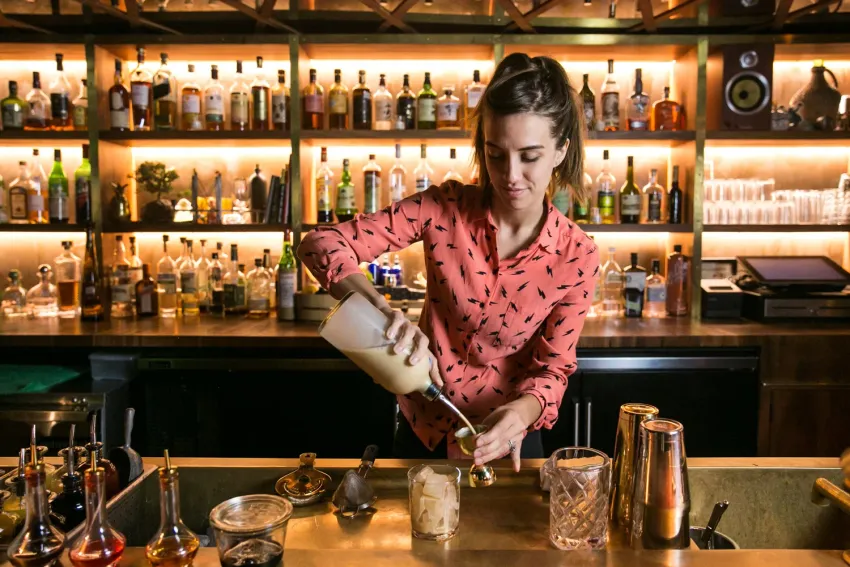
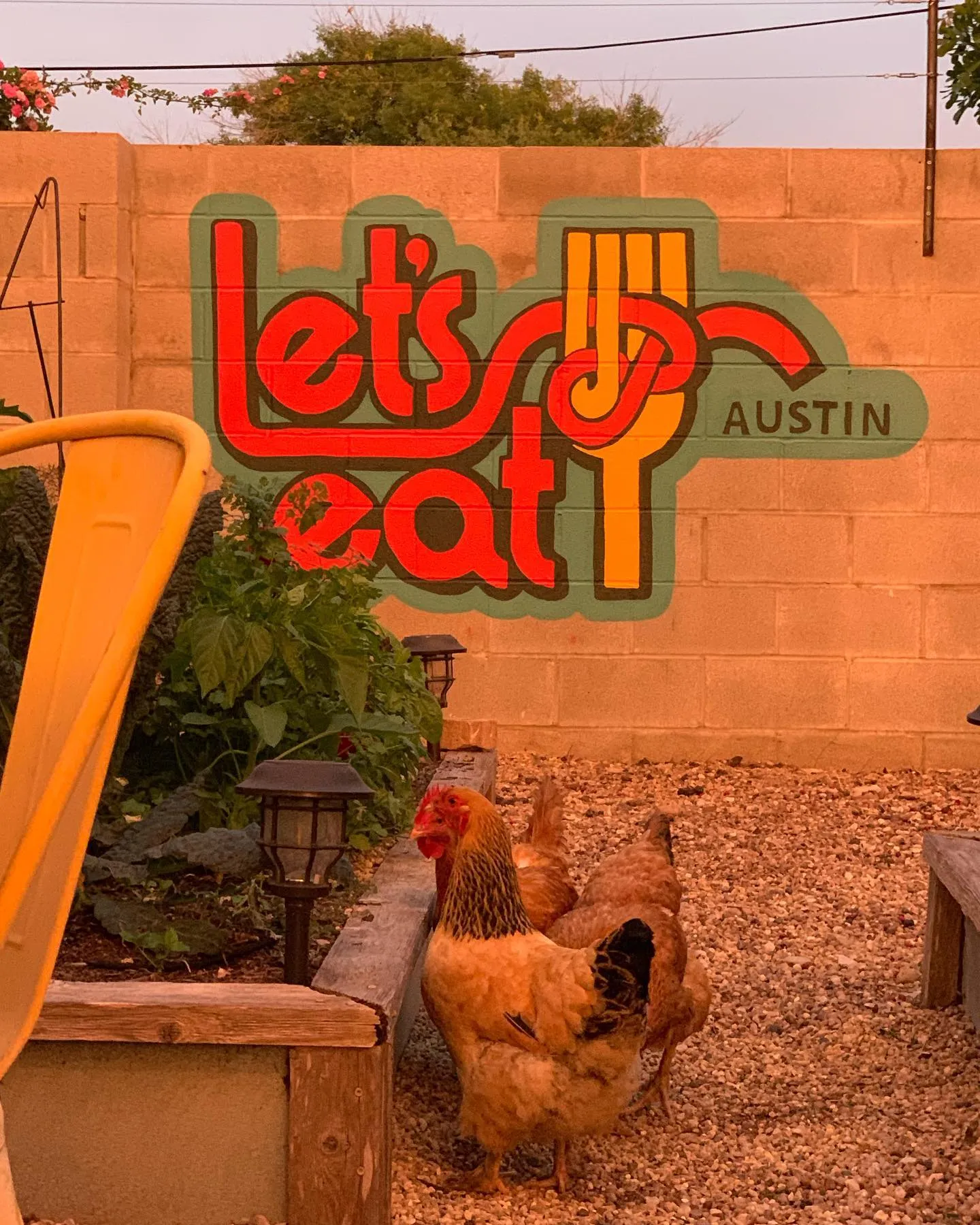
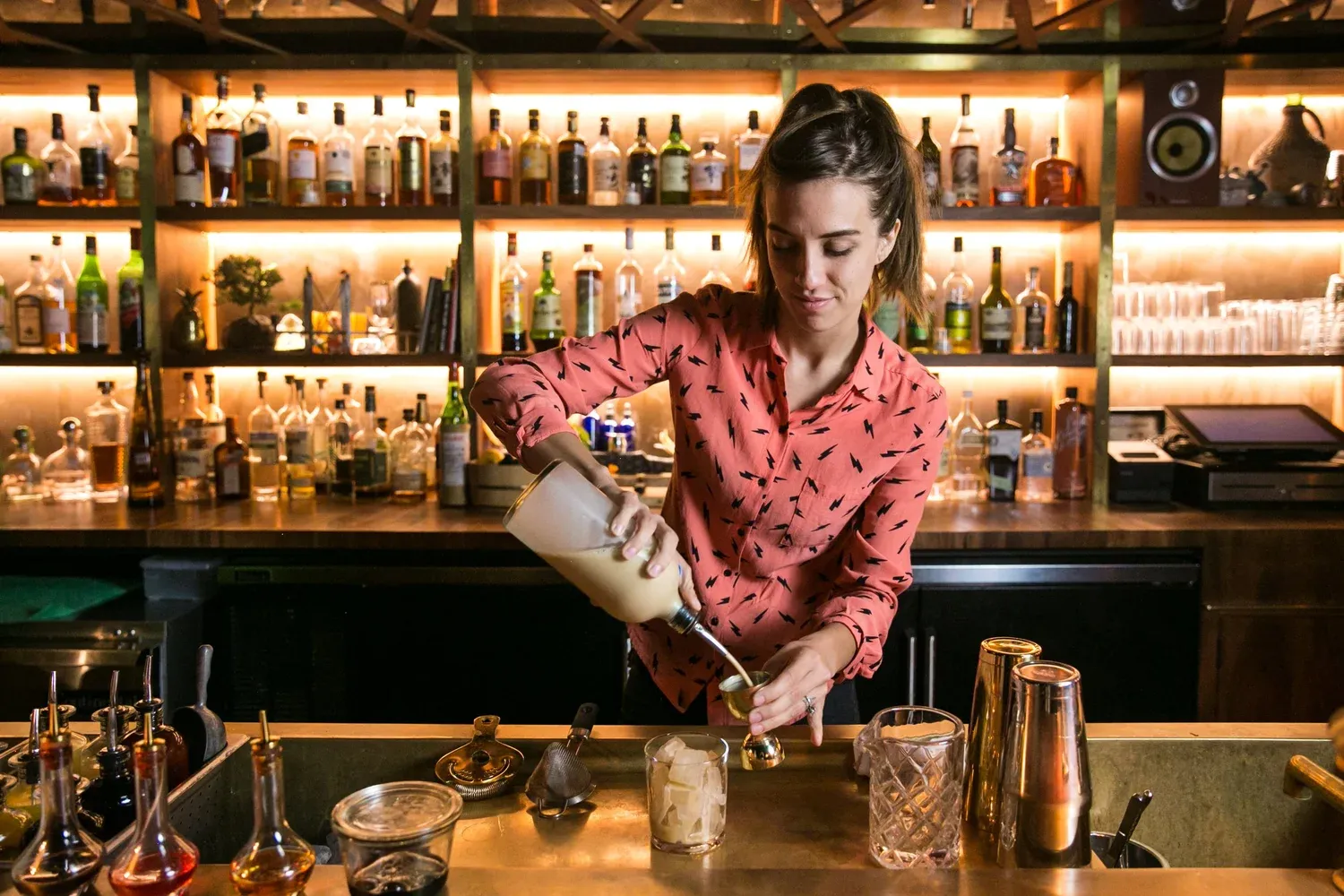
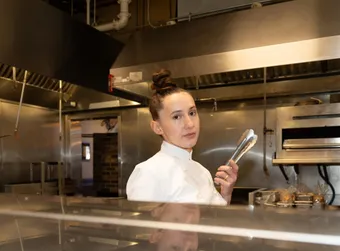
Whitney Hazelmyer: I am one of the co-owners at a cooking school called Let's Eat Austin, where two of my cohorts and I, we met probably back in like 2015. We all worked for the same hotel group. Erin and I met at Otoko, which is an Omakase Kaiseki, a very high end sushi restaurant that's located inside the South Congress Hotel. And then our third partner, her name is Megan, and Erin met at culinary school and they were on a culinary cooking team. Like they cooked competitively. I opened up the bar at Otoko. So the trifecta of us was kind of like this, it was holy. It was like a holy Trinity. And we came together and started teaching classes out of Erin's home.
He moved out of there shortly after because we were teaching classes seven days a week and twice on Saturdays and Sundays. got, we are really busy, really fast. And of course we launched it right before the pandemic. But we survived doing private parties, teaching very small classes, you know, two, three people teaching outdoors. And we survived somehow. And then right when things kind of opened up again, I mean, that's when it really took off and became full time for Aaron and Megan. And yeah, we've cultivated a really great space in East Austin, you know, Aaron is moving now, but Megan and I are still there teaching the same menus. And it's been quite the journey.
What got you into teaching cooking?
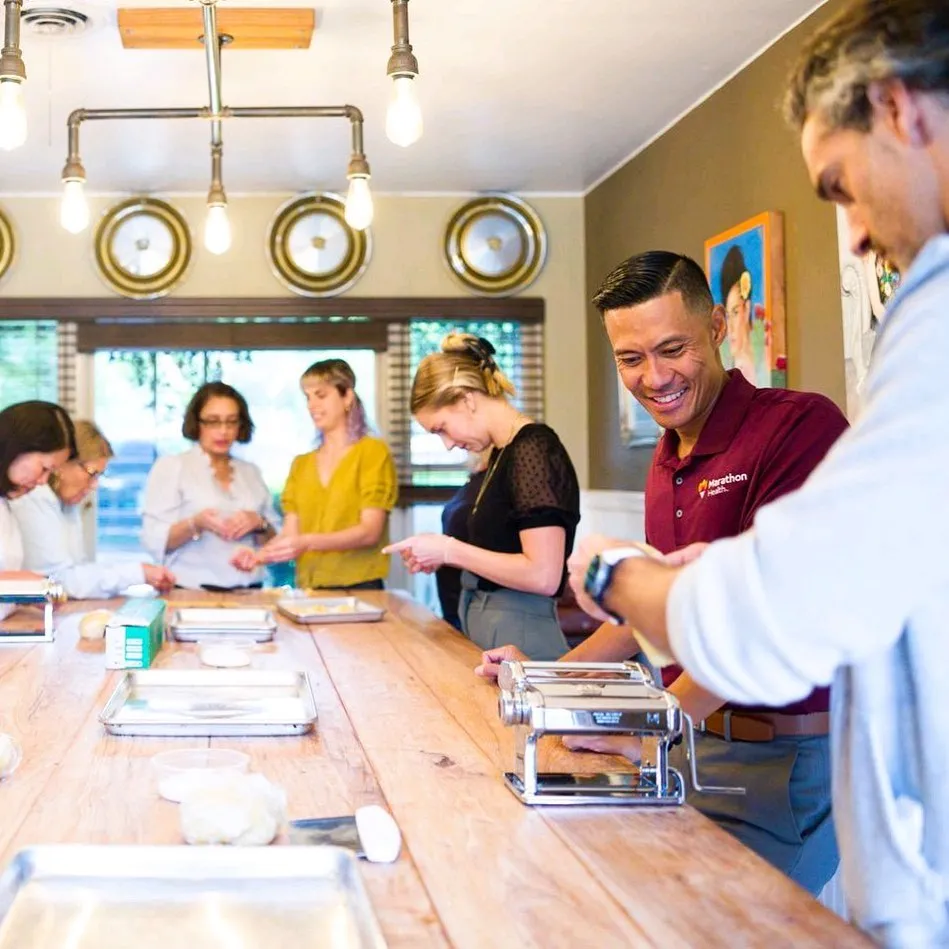
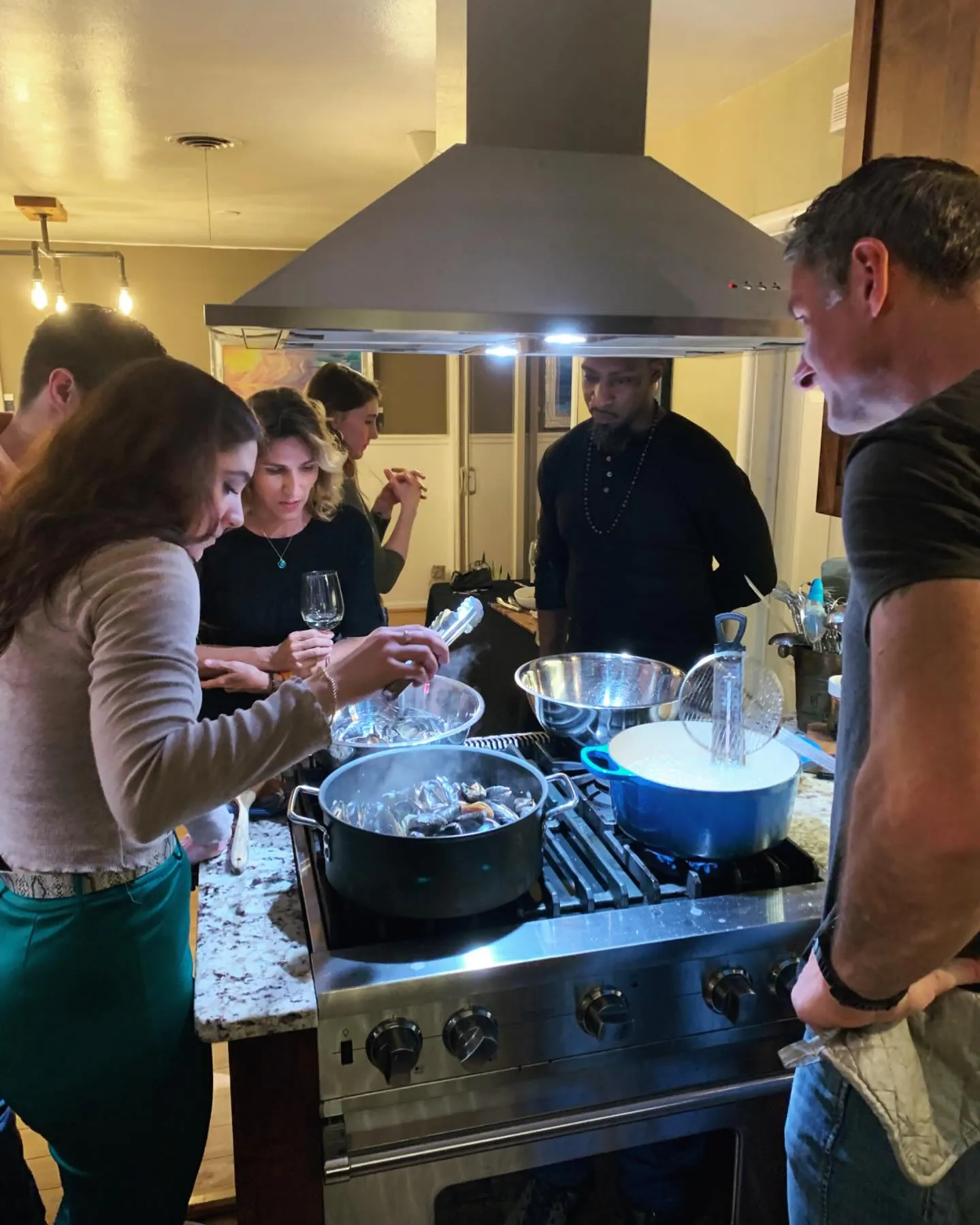
Whitney Hazelmyer: You know what it is? I'll tell you. I'll dish it out. Working for the hotel was essentially, you know, I had to teach this couple who was getting married at the hotel and one of the add-ons that they had offered was learning how to make cocktails with me. And unfortunately for the hotel, I saw how much money they were charging to have a one-on-one with me. And I was like, I wasn't going to see any of that money and they had such a great time and it was so much more rewarding than bartending. And I know Erin and Megan feel the same way. Kitchen life is stressful, it's high pressure, it's a total grind, but being able to slow down and teach people one-on-one became way more satisfying, way more hospitable.
It was invigorating instead of getting off of a shift and all your buddies are going to go to 4 a.m. You felt sad. You felt like, wow, that was amazing. I connected with people. We told them the history of black pepper. We told them the history of salt. It was so much more rewarding and so much less work. I mean, it's still a lot of work, I mean, restaurant life is just at the next level and getting break and it was a, didn't plan it that way either. It was just like, you know, while I did that with the hotel, Erin left Otoko and went to work at Sir LaTob that sells all sorts of kitchen equipment and they quickly scooped him up and had him teaching classes. And we were like, we were both connecting the same tendril. like, what is this? People want to learn. Okay. That's cool. You know, combined, I had been in the kitchen industry for 22 years. So it was like a really great pivot to do something more relaxed and more fulfilling.
So that one experience revealed the market demand.
Whitney Hazelmyer: Never thought about it. I did cocktail competitions. I had been published in cocktail books, but I had no idea. And that's about all I could understand when it comes to the hospitality and restaurant industry. Or you could go open up your own bar and it's like, I don't want to do that at all. So seeing that it was just that one day and that's what really got me thinking about it.
What is the biggest misconception that people pick up from cooking shows, for example or food media that you have to undo in a cooking class?
Whitney Hazelmyer: My God, everything. mean, literally everything. I think it's so interesting because the people who are in the food industry, in the restaurant industry, or even just love food and cook at home, there's a nuance that they get. Like when I meet other restaurant people or back a house or front a house, they get it. But most people don't get it. Most people are freaked out. Most people go to the grocery store and you go look at people's and whatnot, it's, they're buying a lot of already made food, a lot of prepackaged food. There's a lot of lore or, I don't know what you would call them, like misconceptions that, my grandma said this one time when I was 10 that you never do this thing. And you're like, what are you talking about? Do that all the time. So we realized this with cocktail classes. I'm like, all right, we're gonna make it, a wagyu infused Russia cocktail with a strawberry balsamic truffled syrup.
Then I realized that when I would have people who were wanting to learn to execute that drink, I'm like, no, we can't do this. We got to start at the very, very, very basics and build that foundation. I think all of us were like, we thought, you know, to do a class, we've got to really beef it up and teach them how to do the things and the sous-vide and but at the end of the day people are coming to you because they don't they don't know the difference between regular flour or double o flour or kosher salt or malden salt or for me it's just like basic things like bourbon and rye so I think a lot of people lack we get we get people who are you know we do a lot of team-building things so there are aficionados or home cooks that know a lot. But for the most part, people want to know the very, very big, how to hold a knife is a big one. How to cut an onion blows people's minds. I know, like that's like a 20 minute ordeal, but to us, we're like, you just cut the onion and you know, and I think it was really cool to see that something so simple could spark so much.
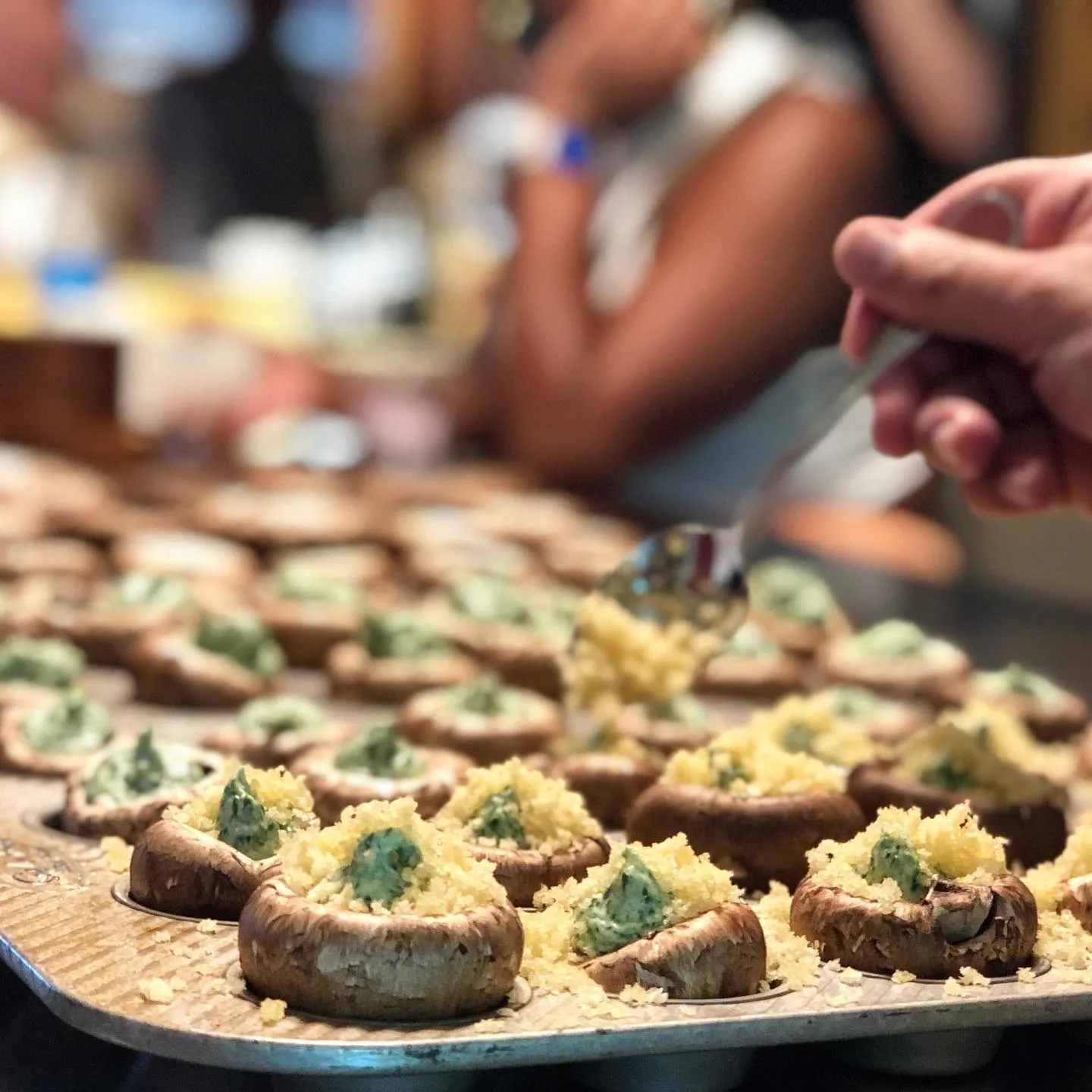
I don't know, childlike wonder in somebody. Like, I never knew that if I cut, you know, an onion with a dull knife, I'm going to start crying more because you're, you know, crushing the skin versus like, you know, using a sharp knife or whatever. All sorts of examples like that I think. I don't know, we get emails too. People are like, that became a staple. That's the recipe I'm going to pass down. And we're like, whoa! Like you can't even wait. We didn't mean that. Like, are you serious? And they're like, yes, your Alfredo sauce changed our lives. And we're like, you know, really, really flipping people's perspectives into like, as the economy gets out of control and as going out to drink, it's like twenty five dollars for like a fancy cocktail now, which is just just insane. But if I'm paying a hundred dollars for two people to go out to eat.
Why don't you come to me and we're going to like to do the whole thing from start to finish. You're going to get one-on-one time with me. We love talking. We love joking. Like, you know, it's a totally different experience for just a little bit more money versus I don't know about you or what, you're said, but after COVID a lot of really seasoned front of house staff, they never came back. And when you lose that quality of service, I'm not gonna go out to eat, know, it's over time and time again, especially being in Austin, you're like, my people are gone. I don't know. I don't know if this is where I'm gonna keep going because fine, but it was the service that brought me here.
Have any of your students switched to a cooking career?
Whitney Hazelmyer: That's interesting. I don't know. People do ask often, I want to go to cooking school. What cooking school do you recommend? And Erin and Megan are like, go work at a restaurant because you're going to learn more at a serious restaurant, like a restaurant that cares with the CDC that's involved and engaged. You're going to learn more by doing prep for 60 hours a week than you'll ever learn in cooking school. You know, cooking school was still very important and you know, they met teachers that changed their lives. But at the end of the day, we tell people like, go work at a restaurant. It's not glamorous, you're not gonna make any money, but you're going to be a different person when you're all done.
A lot of people these days romanticize restaurant work; they love cooking at home. They believe it's almost the same thing and they can have their own restaurant so what would you say about that?
Whitney Hazelmyer: Yes, people, you know, we're in a residential area. We teach small, intimate classes. So somebody comes in and they go, what's the name of the, you know, like what's it called? Cozy Meal. I'm going to do this. And then we always kind of chuckle. like, OK, go do that. And we definitely want we've consult with people who do want to teach out of their own home.
But I don't think a lot of people romanticize it and they don't understand. What happens when you get somebody who doesn't like what you're doing and doesn't vibe with you? How are you going to make sure that that turns into a five star review? What are you going to do? You know, like that restaurant, all of our combined experiences have trained us to literally anticipate. Any type of scenario. What happens if you burn if you forgot about the shrimp on the grill and you know, like what are you gonna do? Do you have a backup? it? What?
It's not TikTok anymore. This is the reality. It's not social media!
Whitney Hazelmyer: I could talk probably for three years straight on just like, because I worked at James Beard restaurants and I've sat and done the whole thing. And these mind blowing scenarios that you would never understand. Did you send that person to an anaphylactic shock because you put the wrong gluten free sticker on it or it was made with whatever. They were allergic to nightshades. Did you check it? And it's like, I mean, you could go, I could go on about just how insane my experiences have led me to run a business, a successful business where I can anticipate that. So if you think like, it's just taking pictures of your food and hashtagging it or whatever, that's fine. But you're in for a rude awakening.
If you could change one thing about how restaurants train their new hires, what would that be?
Whitney Hazelmyer: You know, it's so funny. I currently have a seven year old daughter and her best friend's mom is an executive chef at a restaurant. And she is going through the hardest time right now trying to find line cooks because you know, for hundreds of years, we think about the history of restaurants in France and then how that's kind of come over to America and without getting too tangential, like they can't grind. They don't want to grind.
And if you want to be a line cook, you have to come in at 10 a.m. You're going to leave at 1 a.m. You know, it's really high stress, high stress and high pressure. And I think with the right chef and the right team, it can be less abusive. I've seen a lot of abuse in the back of the house just because it's the nature of high. It's just high stress, you know, like when you've got stuff going and you're doing 500 covers in a night, it's like, you don't have time to be like, hey, how are you doing? Are you okay? Do I need some water? It's like, there's no time for that. I think it's really trying to, what I would do, trying to find line cooks is you do have to pay them more.
You know, I know I was in a restaurant that got in deep trouble for shift pay, which was legal. It turned out it was illegal in the state it was in because you can't have somebody work for 16 hours and then be like, well, you know, that's what you get. You'd have to pay them more and you'd have to mentally prepare them. Like this is a high stress job. Are you prepared to be in that kind of environment? You know, because I think people are constantly losing line cooks, I don't think they get it.
And it's, it's like, they don't understand the full capacity. And I think I would really try to not only prepare for that, but find people who would do well in that situation. And, and I don't know, that's what I would do. I'm like, you got to prepare them and pay them as much as you can. Tell who's ever at the top, take a pay cut because I've seen that too. Like, oh, well, the board, they want to up the prices. Like, OK, well, your line cooks are still only making $10 an hour and they're quitting like crazy. And then how many weeks is it going to take to train somebody?
It's crazy. You're bleeding money because you're not paying people enough. Then the flip side of that is, you know, especially with how expensive things are now, it's hard to make money. It's hard to make money on food. You know, we're seeing that too at Let's Eat Austin. It's like, God, I mean, our cost per person has, you know, gone up 40%, but we're not, we can't charge more because we know we're going to lose a lot of people. So it's just, you know, waiting for those prices to come back down or trying to find other solutions.
Do you consider opening a restaurant?
Whitney Hazelmyer: No. No. I don't, I almost think that the work culture, just the general culture. Like it's not glamorous, it's stressful and you don't make a lot of money. And I think it's collapsing. I think it's gonna be really hard to find talent. I don't know, a lot of people I know, one of the chefs I worked with, he went and moved to San Francisco and was working at a hole in the wall, like taco space, because he wanted to ditch the fancy life. It's like, I just want to make good food. I don't care if we get the accolades and whatever, it was just like too much for him and you kind of start losing those people to the really good ones, to just the places that are gonna focus on food. So it's tough.
What's the one technique you teach in a class that you wish every restaurant in Austin would adopt?
Whitney Hazelmyer: Sometimes professionals in kitchens like professional settings, they forget a lot of stuff even when it's basic stuff because of the whole you know, when it becomes a routine. But from a teaching perspective, you still see those kinds of things. So what would that be? I was helping my co-business partner, Megan, teach brunch. And I'm thinking, brunch, I already know how to make biscuits, already know, fruit salad, whatever. I have never learned so much in my life. And the biggest takeaway, and she goes over this in the class, was what separates your home cooking from your restaurant cooking is a restaurant's gonna double the amount of seasoning.
A restaurant is going to know how to salt something. A restaurant is going to know how to make something good. It's going to know how to make a sauce, go make you go, wait a second, what's in this? Because they're not, you know, we see this a lot. like, just a little bloop. You're like, what are you doing? I see that with cocktails, like, here's a little drop of bitters. Like, what are you doing? That's the seasoning for your soup. And go like we encourage people to season more. It doesn't necessarily always mean salt, but I remember Megan and I went, we checked out this brand new restaurant and we took one bite and we're like, you've got to be kidding me. There was no flavor, you know, and it was very beautifully plated and it was a high quality piece of protein, but we were like, my God, how are you getting away with this? We were like, we got to bring seasonings in our.
I'm like, okay. But then why am I coming to your restaurant if I gotta start seasoning it myself? But I think that's the biggest takeaway is teaching people to really push. I think people are scared and they're timid and they're like, well, I don't like too much of this or too much of that and that's fine. But it's like, well, let's push you to the edge. And I always tell people, we can fix it. If we push it too far, then we know our limits and we can dial it back or we can just make a new sauce or whatever. It's no big deal. I think that's where the learning is, really kind of just pushing people off and getting comfortable with experimenting or going, you're like, really? That sounds like too much. You're like, no, it's not. Just go. You know, and that's an experience that they're going to remember too. So that is what I would suggest.
If a chef is moving to Austin and wants to open a restaurant, what would you tell them?
Whitney Hazelmyer: As somebody who's consulted a lot and walked away from people because I'm like, this will never work. And guess what? I was right 100 % of the time. You don't care about the food. If you don't care about the food. I sat down once, I won't name them, one of the ritziest restaurant groups in Austin. And they're trying to reel me in or whatever. And they're talking about the chairs in the curtains and all the aesthetics, the location. And I was like, OK, what about the food? They're like, well, we're not there yet. We're just going to fire all the staff and we'll rehire anybody who wants to be hired. But we're and I'm like. You've already signed the place, you've already moved in and like you don't know about the food. It's like I can take it, one bite and know for a fact that you don't care about the food. So what my suggestion would be, find the cheapest spot, go to the restaurant, know, resale stores, collect free stuff. There's stuff on the Facebook marketplace in Austin's amazing. There's tons of restaurants like, you know, patch it together. Just get solid service.
Like that, I've talked to a coffee shop owner. He was like, I don't care if people like the coffee as much as I want people to come chat with my staff. I want this to feel like a community. If you bring the community aspect into the restaurant and you keep your costs low because you don't care about what neon sign you want people to take pictures in front of or whatever, and you care about the food.
Check Our Career Growth Tools


You're going to be set. And I know for a fact you're going to be set. You could even just open up a trailer. Like I knew two guys who opened up a trailer. The food was so good. They were able to do brick and mortar in a year because the food will speak for itself without a doubt. So that's what I say. Don't care about what it looks like because now the pendulum's swinging too. There's a coffee place in Austin that's called Hole in the Wall. And it's weird. It's just a big cement wall. There's a hole. And like you get your coffee that way because you know now people can go Instagram it or whatever but I'm like because people are swinging back now to just like less is more. So you know it's just keep your opening costs low, keep your food costs low but like put love and make good food and you're going to be set.
Check out more interviews like this brought to you by OysterLink to learn about the industry. You can get them straight to your email by creating an OysterLink account and joining our newsletter.

Loading comments...