


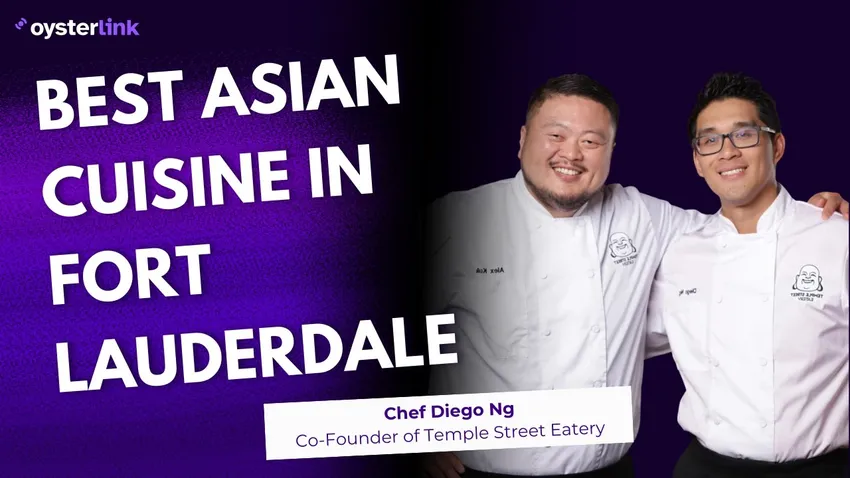

Turning a small fast-casual concept into a community-focused brand takes more than just good food. For Diego Ng, success comes from balancing heritage-inspired cuisine with building a strong team and staying in tune with the local community. We at OysterLink recently sat down with Diego Ng to talk about his journey.
Please introduce yourself and tell us a bit about your career path
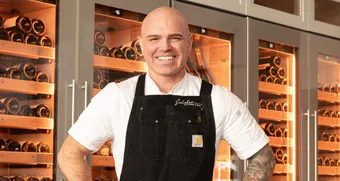
Diego Ng: My name is Diego Ng, Co-Founder of Temple Street Eatery in Fort Lauderdale. I’ve spent about 20+ years right now in the hospitality industry. I went to school at Florida International University in Florida for hospitality and focused a little bit more on restaurants.
Can you tell us more about your restaurant?
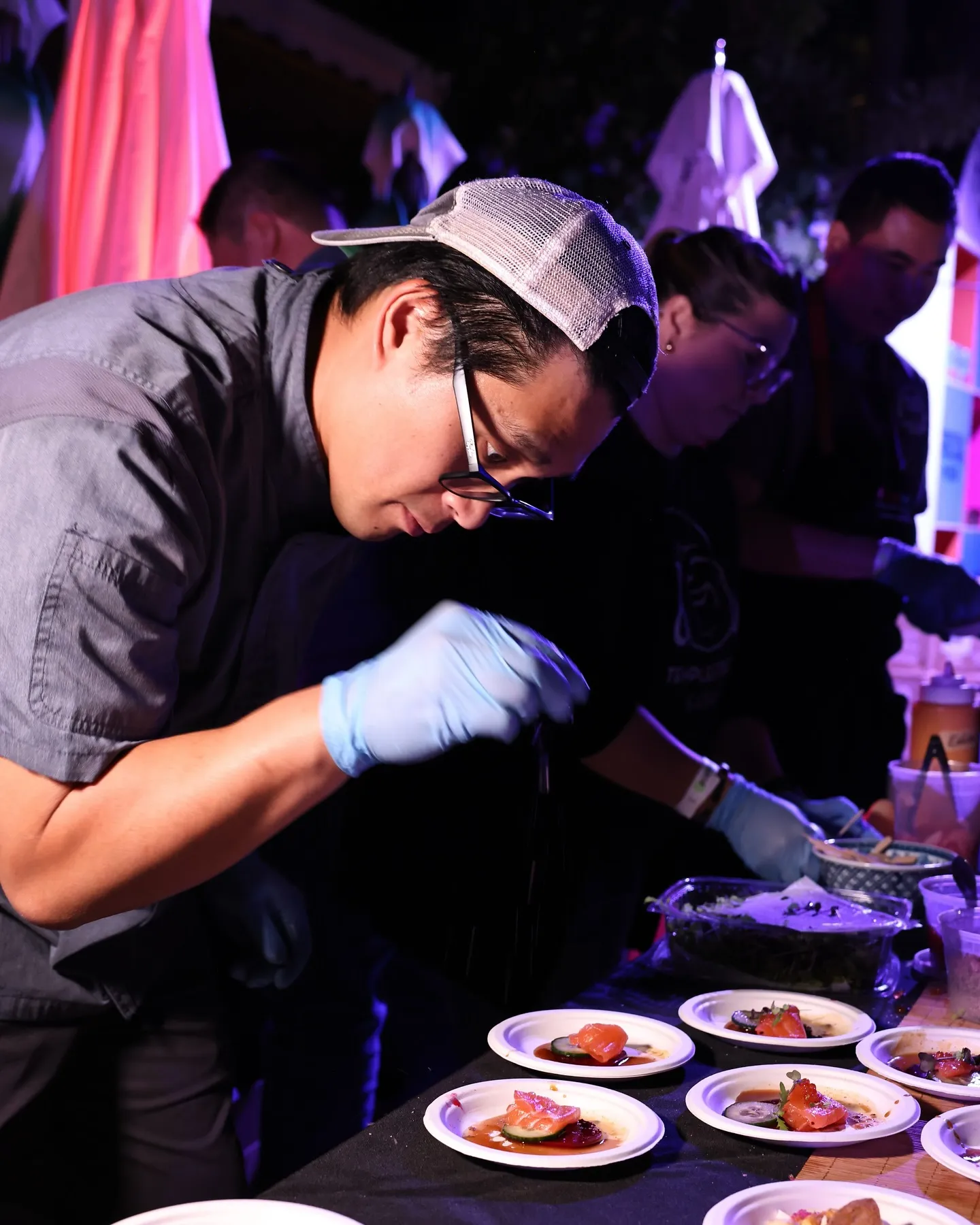
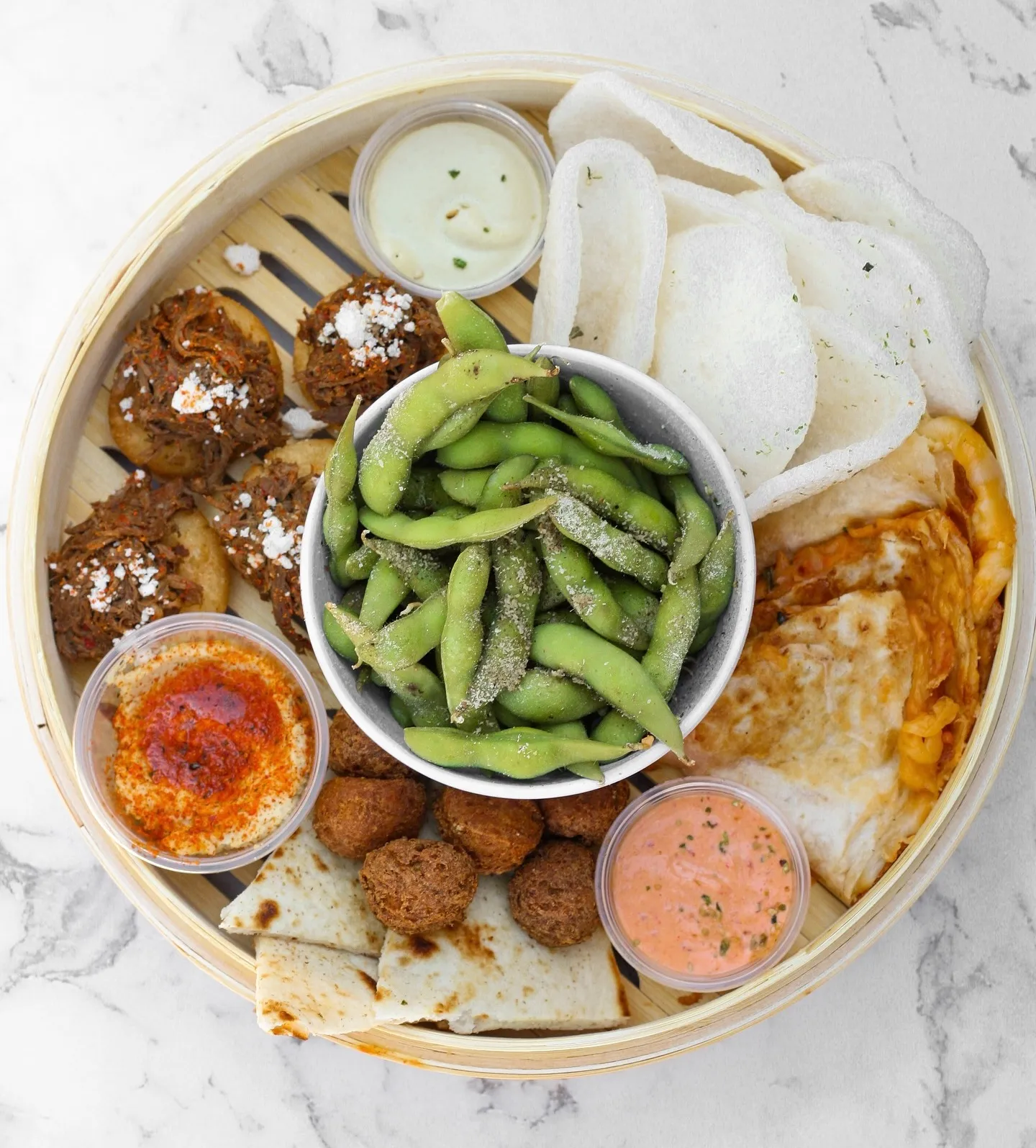
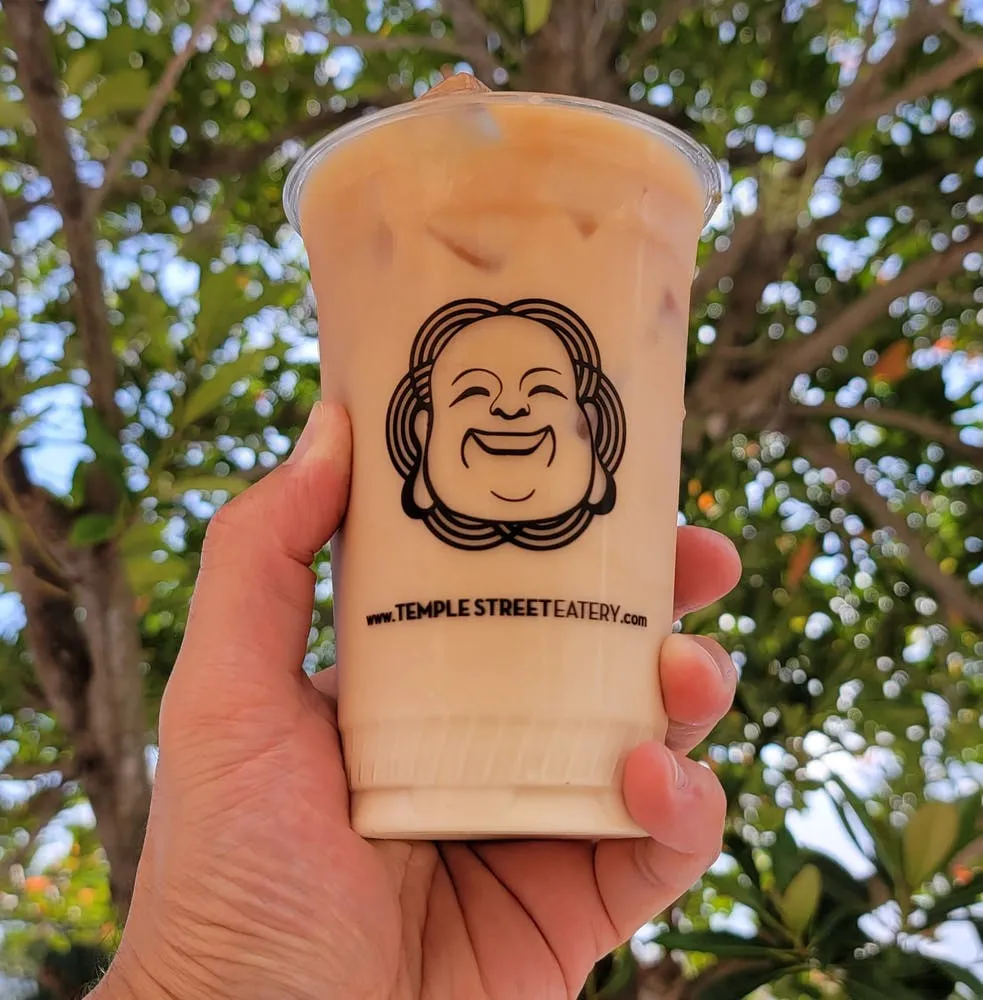
Diego Ng: Yeah, so for our restaurant, we call ourselves Asian American comfort food. It’s an over-the-counter, fast-casual restaurant. We focus on what we say Asian American food, which is a little bit of Chinese, Japanese, Korean, and Vietnamese, with a little bit of a South Florida flair to it as well. And we do it in a very casual setting. Come over to the counter and place an order. We do online orders as well. We also do catering and stuff like that.
How long have you been operating?
Diego Ng: So the restaurant has been open since 2014 in Fort Lauderdale. We expanded to Pembroke Pines two years ago, with a projection to expand one more next year.
Owning a restaurant is a risky business. What’s one thing that no one warned you about before co-founding a restaurant?
Diego Ng: That’s a great question. You really don’t know what you’re getting yourself into until you get into it. We like to say that when you open a business, like a restaurant, you might start very focused, like for me, I was strictly culinary in the beginning. I started more as a Chef.

“But once you found a business, being the Chef isn’t enough. You have to be a jack-of-all-trades and fill in every aspect of the business.”
In a market like Florida, everything is always changing. How do you keep up with trends and customer expectations?
Diego Ng: Yeah. I always say that if we sit still and wait for the guests to come, then we’re already kind of behind. You always have to start studying the trends and start looking at what is going on around your community. You want to stay a little bit fresh.
You always have to be constantly learning and applying new things. Reinventing a little bit so the business stays relevant to the times. Especially nowadays, everything is moving so much faster. Having social media and having platforms like this, you really need to stay a little bit more in touch with what is going on around you.
Speaking of social media, you have a strong presence. Who manages it?
Diego Ng: When I opened the restaurant, Instagram was just starting to boom, and I believed social media was a very important aspect. Back then, you’d just post on the feed — no stories yet — and you’d see instant results, like posting today’s specials and people showing up to get those specials. Then stories came in, things got faster and now everyone’s all about reels. So now it’s like, hey, make sure we do a fun, quirky reel about what’s going on.
“People like connection. They like seeing what’s going on behind the scenes, so we keep working on those types of things to keep up with the trends.”
How many people do you have right now, and do you face staffing challenges?
Diego Ng: Currently, between both restaurants, I have about 20 staff members. Like everybody else in the hospitality industry, the turnover rates are high.
“My philosophy is that in order for us to succeed, we need to take care of the people. So it’s not just hospitality toward the guests, it’s also hospitality toward your staff.”
So for me, it is very important to also make sure that I do the best that I can for them and try to empower them to understand their value. For example, in the restaurant industry, not a lot of people want to be a Dishwasher. But that position is the foundation.
It can be the starting point for someone who has no experience at all in the industry, and it’s the person who sees the whole shebang — from what guests are eating and how much, to when items come out, when deliveries come in and how the front and back of house work together. I tell them that the Dishwasher role is a very important position. Don’t undermine it. We all equally have the opportunity to become better.
What qualities make you hire someone immediately?
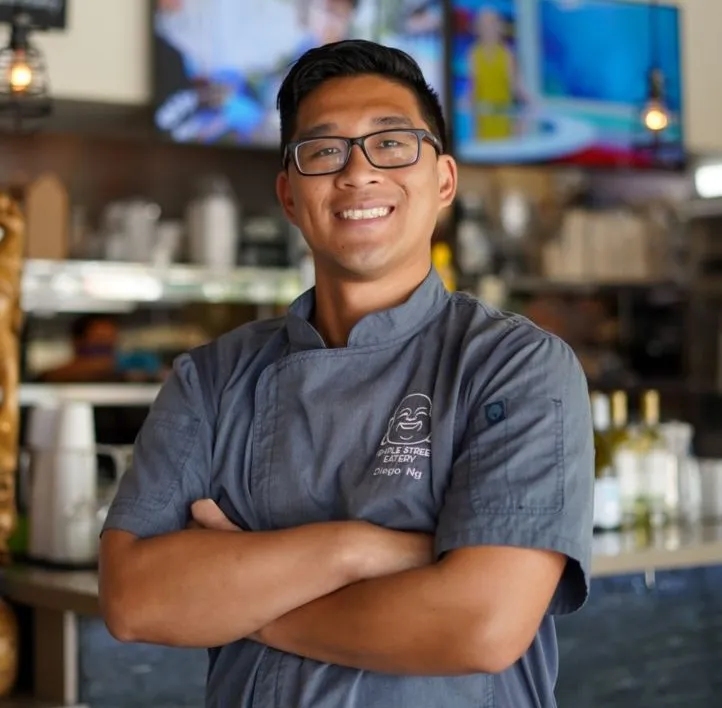
Diego Ng: It really is about personalities. When I started in the industry, I was taught to stay in a company for a long time. To have loyalty. Have an education and the ability to say you went to culinary school.
But I think it’s personality, together with grit and integrity, because there are people who are not in the industry whatsoever, but if they’re hungry and they’re ambitious and they want to learn, I like to think that I would love to be able to offer them those as a learning curve, whether it is to grow in my company or learn it and then go somewhere else.
And the opposite, what makes you fire someone right away?
Diego Ng: I actually don’t really fire that many people. I don’t believe in firing unless the person themselves drops the ball or they’re just not good people. I like to think that everybody has something good in there. It’s just maybe they don’t know how to express themselves or how to talk about it. I do like to give people the opportunity. But if the person just does not understand it or take it in, then that’s the moment where I say maybe this isn’t the right fit.
It sounds like you really believe in developing people. What’s the best advice someone gave you early on?
Diego Ng: Yeah. One of the Chefs I worked with before I opened the restaurant said something important. In this industry, some people say it’s toxic and unfriendly. But right before we opened, one of my Chefs told the whole staff in a meeting: front of house, back of house — in this place, it doesn’t exist. We are one house. We’re all a collective trying to help each other get better. We want to serve the guests and make sure everything is taken care of. There’s no need for separation. Yes, we all have our roles, and we have to focus on those roles, but at the same time, it shouldn’t be a limitation for you to pitch in.
“Even if you’re front of house and don’t know how to cook, if you take a little learning and just try to make something, you’re becoming better not just for the business but for yourself.”
You’ve built a strong team and a brand that can adapt to different communities. Looking ahead, what are your plans for the next few years?
Diego Ng: I have the second location and am now working on the third location. So I’m trying to open a third location, where I am now venturing into solopreneurship. This year, that’s one of the biggest things. Yes, we were Co-Founders, and there were two of us who started this, but now they recently left the company, which means that I’m now doing it on my own. Of course, I have a beautiful team that is building this with me. I want to open that third location and then see where it takes me, whether I can grow my brand a little bit bigger, maybe in other parts of South Florida or even outside of South Florida.
Will this new location have the same concept and dishes?
Diego Ng: It will always be a base. What I like about it, like what I said, is that I call myself Asian American comfort food just because it allows me to become a little bit more like a chameleon. I’m not saying it’s completely Chinese. I can make some twists. Like here in South Florida, obviously, there’s a big Latin community, so our food has Latin influences.
I have this dream where somebody one day tells me to move to Texas and open something, and we already have the base. The noodle bowls, rice bowls, sandwiches, and stuff like that. But there will be a take on barbecue. We love to put that into the mix and the food so that it connects to that community and lets them see some of their heritage. In my case, what Asian American really means for me is seeing my heritage being influenced by my surroundings.
Check Our Career Growth Tools


How many people do you usually hire per location, for example, for your third location?
Diego Ng: All of it depends. My second location is inside a food hall, so the space is a little smaller and requires a bit less staffing. I like to see it like this: I want to keep it fast casual so it connects to everybody, from all stages of life, who can come and enjoy the food. But the size—like 1,200 to 1,700 square feet — and whether I’m offering alcoholic beverages or not, all of that affects the number of people I need.
For the third location, I think it’ll take another 7 to 10 people to make it happen. And then I also need to build the management team that’s going to connect all three locations and make it work.
Find available Head Chef jobs in Miami, or check out more interviews like this brought to you by OysterLink so you can learn about the industry. You can also get them straight to your email by creating an OysterLink account and joining our newsletter.

Loading comments...