




Understanding who reports to the Director of Operations isn’t just org-chart trivia — it’s the backbone of a profitable restaurant operation.
When reporting lines are clear, decisions move faster, accountability improves and managers know exactly who owns what.
In restaurant groups especially, this clarity can make or break consistency across locations.

What Does the Director of Restaurant Operations Do?
The Director of Restaurant Operations oversees the entire operational engine of the business, from daily performance to long-term growth strategy.
They ensure every department is aligned with company goals, brand standards and profitability targets.
Sitting just below executive leadership, they turn high-level strategy into real, on-the-ground execution across all locations.
Why the Reporting Structure Matters in Restaurants
A clear reporting structure eliminates confusion, reduces micromanagement and keeps managers focused on results.
In fast-paced restaurant environments, unclear authority leads to duplicated work, slow decisions and frustrated teams.
When everyone knows who reports to whom, accountability improves — and so does performance.



The Fastest Growing
Restaurant & Hospitality Job Platform
Looking for top paid jobs? Or Hiring for your business?
Restaurant Manager: First Line of Reporting
The Restaurant Manager reports directly to the Director of Operations and handles day-to-day store performance.
They provide updates on sales, staffing, customer experience and operational challenges. This role acts as the Director’s eyes and ears inside each individual location.
Restaurant General Manager: Multi-Location Oversight
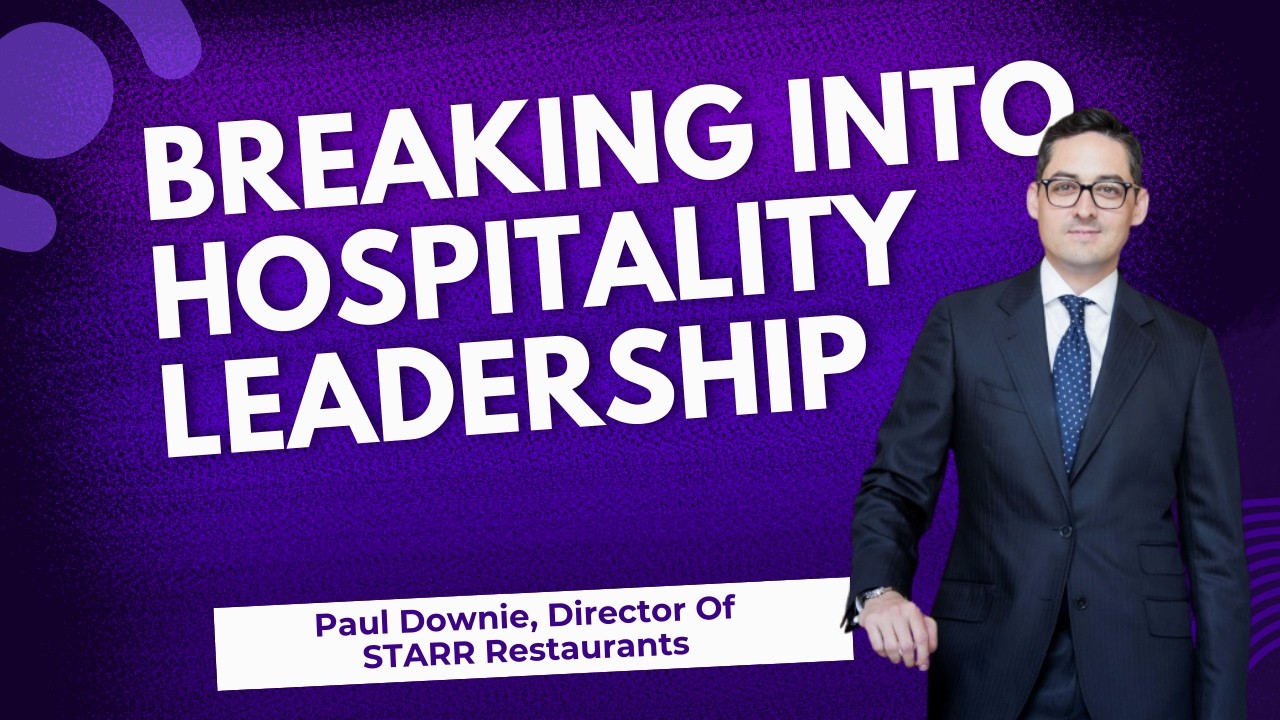
A Restaurant General Manager (RGM) typically oversees multiple restaurants and reports directly to the Director of Operations.
Their focus is higher-level execution, including payroll, budgeting and operational consistency across locations. This role bridges strategy and execution in larger restaurant groups.
Check Our Career Growth Tools


Kitchen Manager: Back-of-House Leadership
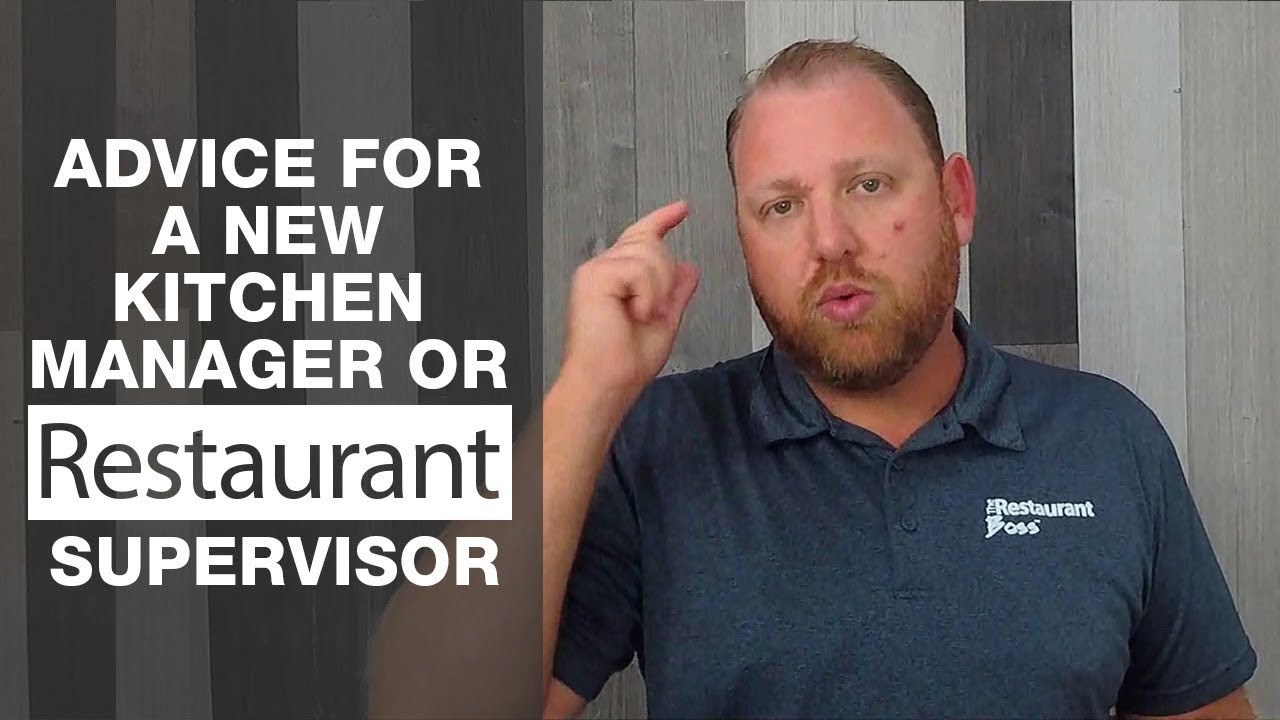
The Kitchen Manager reports to the Director of Operations to ensure food quality, safety and efficiency.
They manage kitchen staff, control food costs and enforce health regulations. Strong kitchen leadership directly impacts guest satisfaction and profitability.
Executive Chef: Menu and Culinary Strategy
The Executive Chef reports to the Director of Operations on all culinary matters.
They design menus, manage kitchen teams and maintain food quality standards across locations.
While hands-on in the kitchen, their role is strategic - aligning food execution with brand identity and financial goals.
HR Manager: Staffing and Culture Support
The HR Manager supports the Director of Operations by managing hiring, onboarding and employee relations.
They ensure restaurants stay fully staffed while maintaining compliance and company culture.
This role is critical for reducing turnover and supporting long-term operational stability.
The Fastest Growing
Restaurant & Hospitality Job Platform
Looking for top paid jobs? Or Hiring for your business?
Finance Manager: Financial Performance Reporting
The Finance Manager reports to the Director of Operations on budgets, costs and profitability.
They track revenue, manage expenses and flag financial risks early. Their insights help the Director make informed operational and expansion decisions.
Training Manager: Standardization and Growth
Training Managers report to the Director of Operations to ensure consistent service and operational standards.
They develop onboarding programs, retraining initiatives and leadership development tracks. Well-trained teams mean smoother operations and better guest experiences.

Marketing Manager: Driving Traffic and Brand Awareness
Depending on company structure, the Marketing Manager may report directly to the Director of Operations.
They oversee promotions, campaigns and brand visibility across channels. Their work supports operational goals by increasing traffic and driving revenue.

Who Does the Director of Operations Report To?
The Director of Operations typically reports to the COO, Vice President of Operations or CEO. In smaller restaurant groups, they may report directly to the owner.
Their accountability centers on overall performance, profitability and operational consistency.

What Comes After Director of Operations?
For many professionals, Director of Operations is the stepping stone to Chief Operating Officer (COO).
The role builds expertise in leadership, strategy and cross-department management. Success here signals readiness for enterprise-level decision-making.

Final Takeaway: Clear Reporting Drives Better Results
Knowing who reports to the Director of Operations creates structure, speed and accountability.
In restaurants, where margins are tight and execution matters, clarity isn’t optional, it’s essential.
A strong reporting structure empowers managers, supports teams and drives consistent success across every location.
The Fastest Growing
Restaurant & Hospitality Job Platform
Looking for top paid jobs? Or Hiring for your business?

Written by Mitko Terziev
With over eight years of experience in the field, Mitko is a seasoned content specialist who has penned thousands of articles covering a wide array of topics. Before writing, he spent a few months working as a Bartender in one of the best bars in his hometown. In his free time, Mitko enjoys immersing himself in the worlds of gaming and nature.




Loading comments...