



Understanding the differences between Bartender vs Barback roles is essential for anyone working in or managing a bar.
This guide breaks down how bartenders and barbacks work together, what sets each role apart, and how both contribute to an exceptional customer experience.

What's a Bartender?
A Bartender is the front-of-house professional responsible for preparing and serving drinks to customers.
Beyond mixing cocktails, Bartenders often manage inventory, handle cash transactions and oversee Barbacks to ensure smooth operations.
What's a Barback?
A Barback acts as the Bartender's assistant, ensuring that the bar runs efficiently.
Their tasks include restocking supplies, cleaning, preparing garnishes and occasionally serving drinks, provided they meet the legal age and requirements for alcohol service.



The Fastest Growing
Restaurant & Hospitality Job Platform
Looking for top paid jobs? Or Hiring for your business?
Bartender vs Barback: Duties and Responsibilities
Both roles are interdependent, working together to maintain a seamless bar experience. While their duties may overlap during busy periods, each position has specific responsibilities:
Key responsibilities of the Bartender position
- Drink preparation and service
- Customer interaction
- Inventory management
- Cash handling
- ID verification
- Bar maintenance

Key duties of the Barback position
- Maintenance tasks
- Stocking supplies
- Cleaning duties
- Assisting Bartenders
Check Our Career Growth Tools


Bartender vs Barback: Key Skills Compared
While both roles require strong communication and organizational skills, each position demands specific abilities.
Skills required for bartending
- Mixology expertise
- Customer service
- Upselling techniques
- Cash handling
- Flair bartending

Skills required for barbacking
- Teamwork
- Physical stamina
- Attention to detail
- Adaptability
Career progression from Barback to Bartender
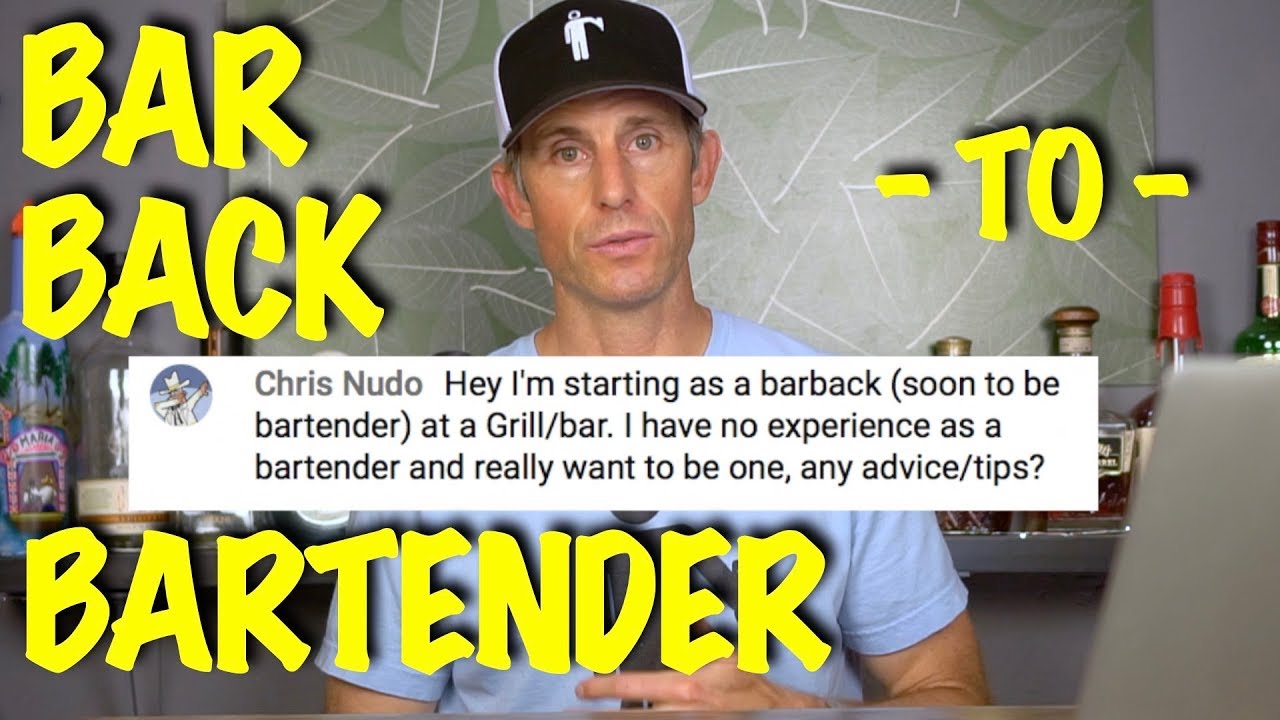
Many individuals begin their careers in the bar industry as Barbacks, providing them with foundational knowledge and experience.
This role offers valuable insights into bar operations, inventory management, and customer service, serving as a stepping stone toward becoming a Bartender.
The duration of this progression varies, typically ranging from six months to two years, depending on individual performance and the establishment's needs.
Bartender & Barback Training and Certification Requirements
While formal education is not always mandatory for Bartenders or Barbacks, certain certifications can enhance employment opportunities and ensure compliance with local regulations.
Certifications such as Responsible Beverage Service (RBS) or ServSafe Alcohol demonstrate knowledge in responsible alcohol service and legal compliance.
In our complete Bartender guide, we detail how you can get a job as a Bartender without any previous experience.
Bartender vs Barback Work Environment
Bartenders and Barbacks typically work in dynamic, fast-paced settings, including bars, restaurants and event venues.
Compensation differences between Bartenders and Barbacks
Bartenders often receive a combination of hourly wages and tips directly from customers, sometimes earning more from tips than their base salary.
In contrast, Barbacks typically earn a base wage, which may be lower than that of Bartenders, and often receive a portion of the Bartenders' tips as a token of appreciation for their support.
Tip-sharing arrangements differ by establishment, typically ranging from 1-2% of sales or 5-20% of tips.
- The average Barback salary in the U.S. is $31,688
- The national average Bartender salary in the United States is $37,090
Bartender vs Barback: Challenges and Rewards
Bartenders face the challenge of managing a high-pressure environment, interacting with customers, preparing drinks quickly and ensuring the bar is running smoothly.
For Barbacks, the challenges are more physical — carrying heavy kegs, restocking supplies and maintaining the flow of operations behind the bar.
While the rewards are typically fewer in terms of direct tips, Barbacks often gain valuable experience that can lead to bartending roles and higher earnings.
Bartender vs. Barback: Final Conclusion
Bartenders and Barbacks form a symbiotic relationship that is essential for the success of any bar.
Many Bartenders begin their careers as Barbacks, gaining invaluable experience that prepares them for the complexities of bartending.
A proficient Barback not only eases the Bartender's workload but also contributes to a more efficient and enjoyable customer experience, often leading to increased tips for both roles.
The Fastest Growing
Restaurant & Hospitality Job Platform
Looking for top paid jobs? Or Hiring for your business?

Written by Mitko Terziev
With over eight years of experience in the field, Mitko is a seasoned content specialist who has penned thousands of articles covering a wide array of topics. Before writing, he spent a few months working as a Bartender in one of the best bars in his hometown. In his free time, Mitko enjoys immersing himself in the worlds of gaming and nature.

Reviewed by Stefan Petrov
With over 10 years of experience as a writer and editor, Stefan has worked in the automotive, IT, health and hospitality industries. Familiar with Google Search Console and other SEO tools like Ahrefs and Semrush, Stefan uses his experience to create content that's visually appealing to the user but also ranks in the SERPs.





Loading comments...