


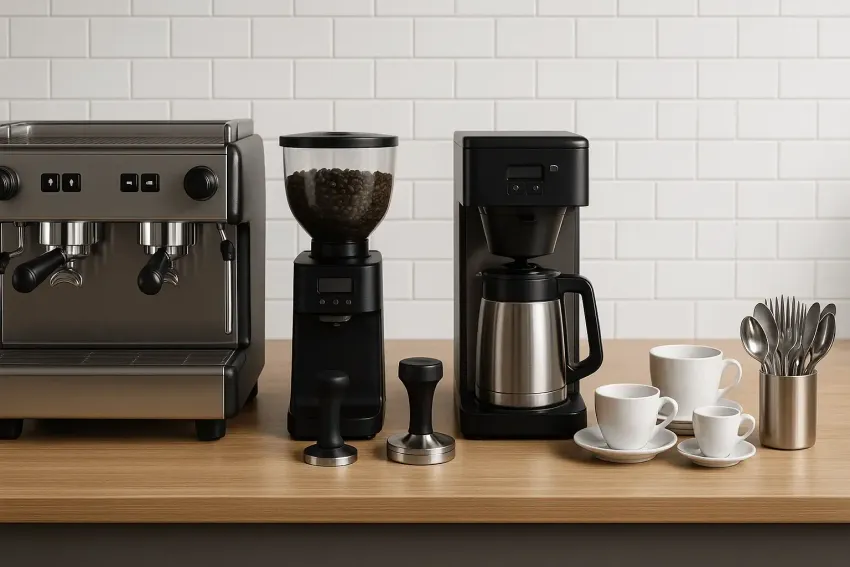

Behind every great cup of coffee lies a well-equipped shop. This article serves as a comprehensive coffee shop equipment checklist and coffee shop equipment list for new and existing owners.
Whether you’re opening a cozy neighborhood café or a high-volume espresso bar, your equipment choices determine efficiency, flavor consistency, and overall profitability.
This comprehensive guide covers everything you need — from essential espresso equipment to refrigeration, POS systems, and cleaning tools — with detailed explanations for U.S. coffee shop operations.
Most coffee shops require a diverse range of equipment to meet customer expectations.

1. Espresso Equipment: The Heart of Every Coffee Shop
Espresso equipment is a core part of both cafe equipment and coffee bar equipment, providing the essential tools needed for high-quality coffee service.
The espresso machine is the centerpiece of any coffee shop. The right one depends on your menu, staff size, and expected volume.
There are several types, including automatic, manual, and semi-automatic machines (also known as semi automatic machines).
Semi-automatic machines offer baristas greater control over the extraction process, allowing for more nuanced and high-quality espresso drinks.
When it comes to grinders, dedicated espresso grinders and commercial coffee grinders are crucial for achieving the precise, consistent grind required for optimal espresso extraction.
Essential espresso accessories include steam pitchers, bar spoons, and water kettles. Additionally, espresso tampers and espresso shot glasses are vital for crafting high-quality espresso drinks with precision and consistency.



The Fastest Growing
Restaurant & Hospitality Job Platform
Looking for top paid jobs? Or Hiring for your business?
Espresso Machine
A reliable commercial espresso machine is non-negotiable. Choose between:
- Semi-automatic (also known as semi automatic machines): Gives baristas more control over beverage extraction, allowing for nuanced, high-quality drinks. These machines are especially popular among specialty coffee shops.
- Automatic/Volumetric: Consistent shots at the push of a button.
- Super-automatic: Ideal for high-volume or drive-thru setups where speed matters.
Top U.S. Brands: La Marzocco, Nuova Simonelli, Slayer, Synesso, and Rancilio.
Expect to spend $6,000–$25,000 depending on features and build quality.
Coffee Grinders
Grinders affect flavor as much as beans do. You’ll typically need two:
- Espresso grinder: Dedicated espresso grinders are essential for achieving the precise, consistent grind required for high-quality espresso extraction, ensuring optimal flavor, crema, and extraction efficiency.
- Bulk grinder: Commercial coffee grinders are crucial for high-volume, professional coffee preparation, providing consistent grind size and quality for various brewing methods such as drip, pour-over, or French press.
It’s also important to have a regular coffee grinder specifically for brewing regular coffee and decaf drip coffee, as using a dedicated grinder for each helps maintain flavor consistency and meets customer expectations for both regular and decaf brews.
Popular models: Mazzer Major, Mahlkönig EK43, and Baratza Forte BG.
Knock Boxes
Knock boxes are an indispensable accessory for many coffee shops, providing a practical and hygienic solution for disposing of used coffee grounds.
Typically placed near the espresso machine, a knock box features a sturdy bar for tapping out spent grounds from the portafilter, keeping the workspace tidy and minimizing mess.
This simple tool not only speeds up the workflow for baristas but also helps maintain a clean and organized coffee bar, which is essential for both staff efficiency and customer experience.
By incorporating knock boxes into their daily routine, coffee shops can ensure a smoother operation and a more pleasant environment for both employees and guests.
2. Brewing Equipment Beyond Espresso
Brewing devices and coffee makers are essential for offering a variety of drinks and meeting diverse customer preferences.
Not every customer orders espresso. Having additional brew methods caters to variety and builds your brand identity.
Different brewing devices, such as automatic drip coffee machines, commercial coffee makers, and specialty brewers, allow you to brew coffee in various ways, each impacting the brewing process and the final flavor profile.
Selecting the right coffee makers for your menu concept ensures consistency and efficiency in your beverage service.
For example, in the drip coffee brewer subsection, it's important to use high-quality coffee filters.
Coffee filters are fundamental to the brewing process, ensuring a clean and smooth extraction that highlights the coffee's flavors. Always keep backups on hand to avoid interruptions in service.
Beyond coffee, consider adding iced tea brewers and a hot water dispenser to your equipment lineup.
Iced tea brewers enable you to prepare and serve large quantities of iced tea efficiently, while a hot water dispenser provides consistent hot water for brewing tea, preparing instant beverages, and supporting various kitchen tasks.
This additional equipment expands your menu and improves overall service efficiency.
Drip Coffee Brewer
Essential for quick, consistent brewed coffee. When using a commercial coffee maker, always use high-quality coffee filters to ensure a clean extraction and optimal flavor, especially when brewing regular coffee. Opt for dual-brew systems to handle both regular and decaf.
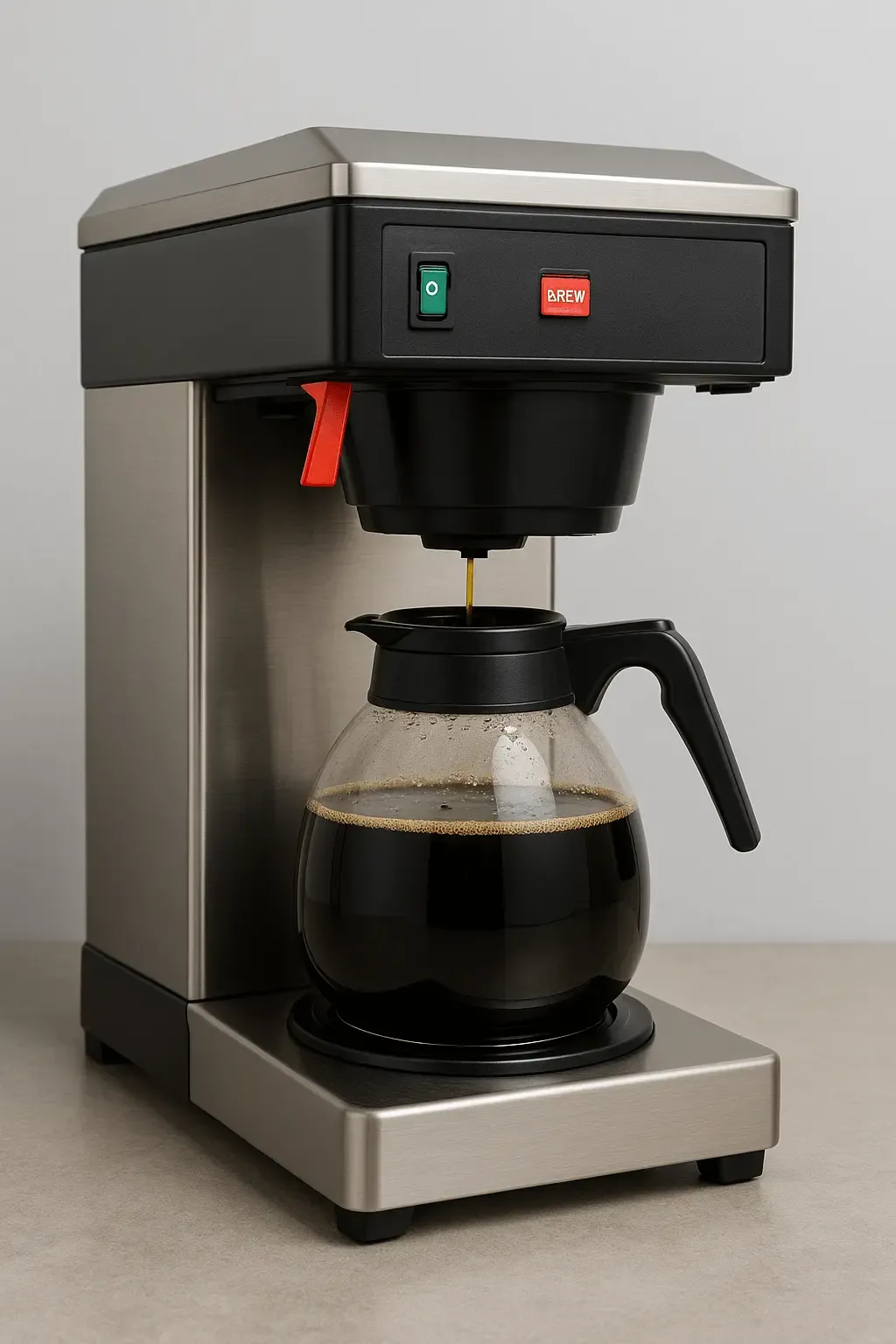
Brands like BUNN, Curtis, and Fetco dominate the commercial U.S. market.
Pour-Over Setup
Showcases craftsmanship and attracts third-wave coffee enthusiasts. You’ll need:
- Pour-over drippers (Hario V60 or Kalita Wave) – allows for precise control over the brewing process
- Gooseneck kettles
- Digital scales
- Brew timers
Cold Brew System
Cold brew sales have surged in the U.S. — every coffee shop should offer it. Cold brew coffee can be made in-house using quality beans, or you can source ready-to-serve cold brew or specialty beans from local coffee roasters to ensure unique flavor profiles and freshness.
Options include:
- Immersion brewers (Toddy system)
- Nitro cold brew kegs and taps for a premium presentation
3. Coffee Bean Storage and Handling
Proper storage keeps beans fresh and flavorful. Consider also storing lemon wedge bags and tea ball infusers as part of your accessory inventory to enhance drink flavor and presentation.
Airtight Bean Hoppers and Containers
Use airtight, opaque bins to block light and air. Brands like Planetary Design offer café-grade storage solutions.
Scales and Dosing Tools
Precision is everything. Digital scales ensure consistent shot ratios and brew strength.
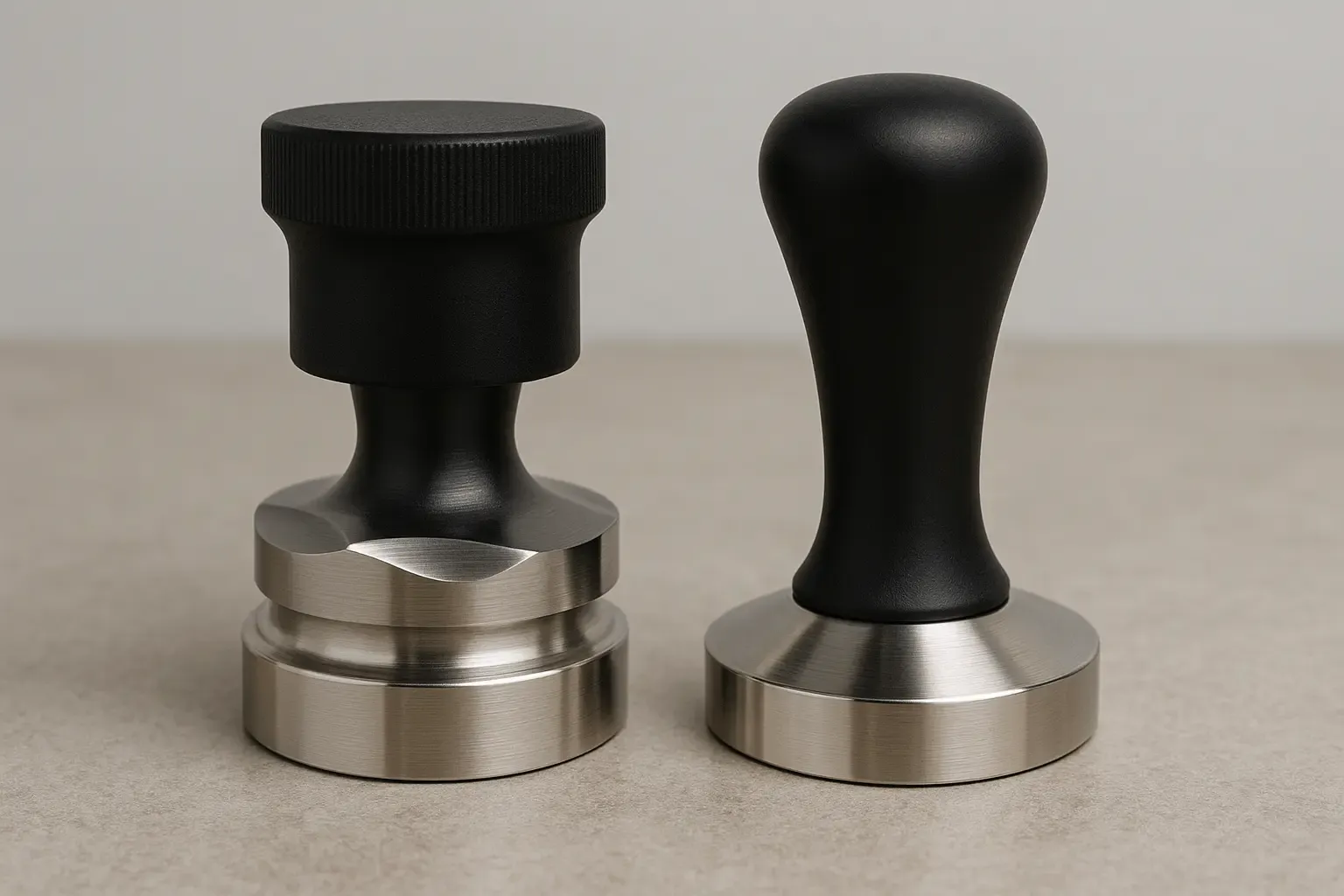
Tamper and Distributor Tools
Espresso tampers are essential for achieving consistent espresso extraction. For espresso consistency, invest in ergonomic tampers and levelers.
Automatic tampers like PuqPress can boost speed and reduce wrist strain.
4. Refrigeration and Food Prep Equipment
Equipment coffee shop supplies, such as refrigeration and warewashing stations, are essential for maintaining a safe and efficient environment in your café.
Even if you specialize in coffee, your café will need cold storage for milk, syrups, and perishable items.
For food prep, investing in the right cooking equipment is crucial for preparing menu items efficiently and safely.
When choosing commercial equipment, prioritize durability and ensure compliance with health and safety standards.
Refrigerators and Coolers
Common types:
- Under-counter fridges: Keep milk within reach of the espresso station.
- Reach-in refrigerators: Store larger quantities in the back-of-house.
- Display coolers: Showcase bottled drinks or grab-and-go pastries.
Freezers
Needed for frozen ingredients, ice cream (for affogatos), or smoothie bases. Freezers are also essential for storing ingredients used in frozen drinks like frappes and smoothies.
Prep Tables and Sinks
Stainless steel prep tables and three-compartment sinks are required for compliance with U.S. Health Department codes.

5. POS and Order Management Systems
Efficiency at the counter is just as important as efficiency behind the bar.
POS (Point of Sale) System
A modern POS streamlines orders, tracks sales, and manages inventory.
Leading café POS systems include:
- Square for Restaurants
- Toast
- Clover
- Lightspeed
Choose one that integrates with online ordering and loyalty programs.
Cash Drawer and Receipt Printer
Even in an increasingly cashless world, you’ll need both for occasional cash transactions and receipts.
6. Blenders and Mixers for Specialty Drinks
If your menu includes frappes, smoothies, or blended drinks, you’ll need:
- Commercial blenders: These are essential beverage equipment for making frozen drinks and cold drinks, such as frappes, smoothies, and iced beverages. Commercial blenders offer superior power and reliability compared to standard home models, making them ideal for efficiently handling frozen ingredients and ensuring consistent results.
- Mixing tools for syrups, sauces, and whipped cream
Blenders should have sound enclosures if your shop focuses on a calm, relaxed ambiance.
7. Water Filtration System
High-quality water equals high-quality coffee. Hard water can damage equipment and alter flavor.
A comprehensive coffee shop equipment checklist or coffee shop equipment list should always include water filtration as essential beverage equipment.
A commercial-grade water filtration system removes chlorine, sediment, and minerals while maintaining the ideal balance for extraction.
Look for brands like Everpure, 3M, or BWT Bestmax that are certified for foodservice use.
8. Dishwashing and Cleaning Equipment
Health regulations require all coffee shops to maintain strict sanitation standards.
When it comes to cleaning tools and supplies, it's essential to include coffee equipment cleaners as part of your equipment coffee shop supplies. These specialized cleaners are necessary for maintaining espresso machines, coffee pots, and other commercial equipment, ensuring hygiene and prolonging equipment life.
Regular cleaning and maintenance of all commercial equipment is also required for compliance with health and safety regulations.
Dishwasher
Invest in a commercial under-counter dishwasher for rapid cleaning of mugs, cups, and utensils.
Sanitizing Sinks and Drains
Health inspectors require:
- A three-compartment sink (wash, rinse, sanitize)
- A handwashing sink separate from dishwashing
- Floor drains for easy spill management
Cleaning Tools and Supplies
- Descaling solution for espresso machines
- Cafiza cleaning tablets
- Milk line cleaner
- Coffee equipment cleaners (including sanitizers, scale removers, and line cleaners for espresso machines, coffee pots, and other coffee shop equipment)
- Bar rags and sanitizing buckets
The Fastest Growing
Restaurant & Hospitality Job Platform
Looking for top paid jobs? Or Hiring for your business?
9. Furniture, Fixtures, and Front-of-House Essentials
Your coffee shop isn’t just a beverage station — it’s an experience. For any coffee house, having the right paper hot cups and curbside pickup supplies is essential for serving customers efficiently and safely, especially as modern operations increasingly rely on takeout and curbside service.
Seating and Tables
Choose commercial-grade chairs and tables that match your brand’s aesthetic. Leave enough space for accessibility compliance under the Americans with Disabilities Act (ADA).
Condiment Bar and Self-Service Station
Include:
- Napkins, stirrers, and sugar alternatives
- Lids and straws
- Creamer dispensers (refrigerated for dairy)
- Lemon wedge bags for adding fresh citrus flavor or garnishes to drinks
- Tea ball infusers for steeping loose tea leaves or herbs to enhance beverage flavor
Display Case for Pastries
An attractive pastry display encourages add-on sales. Consider refrigerated glass-front cases for freshness.
Designing the Espresso Bar and Coffee Bar Layout
A thoughtfully designed espresso bar and coffee bar layout is essential for any successful coffee shop.
arrangement of espresso machines, coffee brewers, grinders, and other key equipment should support a smooth workflow, allowing baristas to move efficiently and serve coffee quickly during busy periods.
At the same time, the layout should create a welcoming atmosphere that enhances the customer experience, with comfortable seating areas and visually appealing décor.
Strategic placement of the espresso bar can also encourage interaction between staff and customers, fostering a sense of community and brand loyalty.
By prioritizing both functionality and aesthetics, coffee shops can create a space that not only operates efficiently but also leaves a lasting impression on every guest.
10. Storage, Organization, and Workflow Tools
An efficient bar setup maximizes speed during peak hours.
Under-Counter Storage
Keep essentials like napkins, filters, and backup cups within arm’s reach.
Shelving Units
Stainless steel or epoxy-coated shelves maintain hygiene and organization.
Labeling and Inventory Tools
Use date labels and airtight bins to manage rotation of beans, milk, and pastries.
11. Serveware and Dishware
Serveware and dishware are more than just practical necessities—they are an extension of your coffee shop’s brand and a key part of the customer experience.
Choosing high-quality, durable materials ensures that cups, mugs, and plates withstand daily use while remaining easy to clean.
Custom-designed serveware, such as branded espresso cups or unique coffee mugs, can elevate the presentation of your drinks and reinforce your shop’s identity.
Features like comfortable handles, spill-resistant lids, and stackable designs add both style and functionality, making it easier for staff to serve coffee efficiently and for customers to enjoy their beverages in comfort.
Thoughtful selection of serveware and dishware helps create a cohesive, memorable experience that keeps customers coming back.
Check Our Career Growth Tools


11. Safety and Compliance Equipment
U.S. coffee shops must meet OSHA and local fire safety requirements.
Must-haves:
- Fire extinguisher (Class K for grease and electrical fires)
- First aid kit
- Slip-resistant mats behind counters
- Proper ventilation for espresso machines and ovens
- Security system and security systems to protect your coffee shop from theft and break-ins
- Commercial equipment that meets safety and compliance standards
Always verify local health and fire department codes before opening.
12. Optional but Valuable Additions
These tools elevate the customer experience and operational efficiency:
- Milk frother or steamer wand cleaner
- Espresso machine maintenance kit (protects your investment and ensures your espresso machine operates smoothly)
- Ice machine (for iced lattes and cold brew)
- Hot water dispenser (provides a steady supply of hot water for tea, hot chocolate, and other beverages)
- Music system for ambience
- Security cameras and alarm system
- Wi-Fi router (customers expect it)
Offering menu options like hot chocolate appeals to non-coffee drinkers and broadens your customer base.
Cafe owners should also consider the unique needs of a drive thru coffee shop, as equipment and setup requirements may differ from a traditional café.
Small touches like branded cups, reusable mugs, and loyalty cards also strengthen your brand identity.
13. Budget Breakdown: Estimated Costs for Coffee Shop Equipment
| Equipment Category | Estimated Cost Range |
|---|---|
| Espresso Machine | $6,000 – $25,000 |
| Coffee Grinders | $800 – $2,500 each |
| Drip Brewer | $1,000 – $3,000 |
| Cold Brew System | $500 – $1,500 |
| Refrigeration | $2,000 – $10,000 |
| POS System | $1,200 – $4,000 |
| Dishwasher & Sinks | $2,000 – $6,000 |
| Furniture & Decor | $3,000 – $10,000 |
| Smallwares & Cleaning | $1,000 – $2,500 |
| Total Setup Estimate | $20,000 – $60,000+ |
When planning your budget, remember that coffee equipment needs will vary depending on your menu, concept, and the specific goals of the coffee shop owner.
For example, a coffee shop owner interested in roasting their own beans may need to invest in a coffee roaster, which can impact both costs and the ability to customize flavor profiles.
Actual costs depend on location, shop size, and whether equipment is new or refurbished.
14. New vs. Used Equipment: What’s Worth Buying Secondhand
Buying used can cut startup costs by up to 50%, but requires due diligence.
Best bought used:
- Stainless steel tables
- Shelving units
- Refrigeration (if under warranty)
Buy new:
- Espresso machines (for warranty and reliability)
- Grinders
- POS systems
Always ask for service records and test equipment before purchase.
15. Maintenance Tips for Longevity
A coffee shop runs nonstop — and so should your machines. Regular maintenance keeps operations smooth.
Daily:
- Backflush espresso machines
- Clean steam wands and grinders
- Empty drip trays
Weekly:
- Descale brewers
- Sanitize refrigerators and drains
Monthly:
- Replace water filters
- Calibrate scales and thermometers
- Use an espresso machine maintenance kit to help extend the life of your espresso machine and keep it running smoothly
Partner with certified technicians for quarterly servicing.
Conclusion
Launching a new coffee shop starts with a well-crafted business plan that outlines your vision, target market, and operational strategy.
Careful planning helps coffee shop owners secure a prime location, forecast expenses, and identify the essential coffee shop equipment needed for daily operations.
Investing in high-quality espresso machines, coffee brewers, grinders, and refrigeration units is crucial for delivering consistent, delicious drinks and maintaining efficiency behind the bar.
Selecting premium coffee beans and a variety of syrups or milk alternatives allows you to create a menu that stands out and appeals to a wide range of customers.
Additionally, implementing a robust point of sale system streamlines order processing, tracks sales, and simplifies inventory management—key factors in reducing waste and maximizing profitability.
By focusing on these foundational elements, new coffee shops can create a memorable customer experience and set the stage for long-term success.





Loading comments...