



A Catering Sales Manager blends event sales and coordination to drive revenue and deliver standout client experiences.
If you’re considering this fast-paced hospitality role, it’s important to understand both the rewards and challenges.

Who Is a Catering Sales Manager?
A Catering Sales Manager is responsible for selling event spaces and catering services while coordinating event details from inquiry to execution.
They work closely with clients, chefs, and operations teams to ensure each event runs smoothly.
This position is common in hotels, resorts, banquet halls, and high-end catering companies.
What Does a Catering Sales Manager Do?
A Catering Sales Manager oversees the full sales cycle for events, from handling inquiries and conducting venue tours to negotiating contracts and closing deals.
The role also involves coordinating event details with Chefs, operations teams, and vendors to ensure smooth execution.
In hospitality-driven environments, this position balances event sales, hospitality management, and event planning to maximize revenue and client satisfaction.

Pros of Being a Catering Sales Manager
Below, we’ll explore the key benefits of working as a Catering Sales Manager, including high earning potential, networking opportunities, and career growth.
1. Strong Earning Potential With Commission Opportunities
Catering Sales Managers earn a base salary plus commission or performance-based bonuses.
Earnings depend on:
- Venue type (hotel, banquet hall, or restaurant)
- Event size and revenue
- Sales performance and booking volume



The Fastest Growing
Restaurant & Hospitality Job Platform
Looking for top paid jobs? Or Hiring for your business?
Average salaries include:
- Entry-level: $45,000–$60,000 per year
- Mid-level (with commissions): $60,000–$90,000 per year
- Senior-level or luxury venues: $90,000–$120,000+ per year
For those with strong sales skills, this role offers high earning potential through commission-based incentives.

2. Career Growth in Sales and Hospitality Management
Catering sales provides a strong foundation for advancement in:
- Director of Catering or Banquet Manager roles
- Hotel or restaurant sales management
- Luxury event planning or hospitality consulting
Many Catering Sales Managers move into higher-paying executive roles in hospitality or corporate event sales.
3. Engaging Work With New Clients and Events
Unlike repetitive office jobs, this role involves:
- Meeting and networking with clients to plan memorable events
- Visiting venues and coordinating event logistics
- Collaborating with Chefs, vendors, and Event Planners
For those who enjoy client interaction and event coordination, this job is dynamic and rewarding.
Check Our Career Growth Tools


4. Opportunity to Build Relationships and Industry Connections
Catering Sales Managers work with:
- Corporate executives for business events and conferences
- Wedding planners for luxury and destination weddings
- Vendors such as florists, DJs, photographers, and rental companies

5. Combination of Sales and Event Planning
This role blends hospitality sales with event coordination, allowing Catering Sales Managers to:
- Negotiate contracts and close deals
- Assist with event logistics and menu planning
- Ensure smooth execution on the event day

6. Work in Exciting and Prestigious Event Venues
Catering Sales Managers often work in:
- Luxury hotels and resorts
- Exclusive country clubs or private estates
- High-end catering companies or fine dining restaurants
The Fastest Growing
Restaurant & Hospitality Job Platform
Looking for top paid jobs? Or Hiring for your business?
Cons of Being a Catering Sales Manager
While the role has many benefits, it also comes with challenges, including high-pressure sales targets, demanding clients, and weekend work.
1. High-Pressure Sales Environment
Catering Sales Managers must:
- Meet monthly or quarterly sales quotas
- Compete with other venues and caterers for bookings
- Convince potential clients to commit to contracts
2. Long and Irregular Work Hours
Catering Sales Managers often work:
- Nights and weekends, as most events take place outside of regular business hours
- Early mornings for venue tours and vendor meetings
- Long days during peak wedding and holiday seasons
For those seeking a traditional 9-to-5 job, the unpredictable schedule may be difficult to manage.
3. Dealing With Difficult or Demanding Clients
Catering Sales Managers must handle:
- Last-minute changes or special requests
- High expectations from brides, corporate clients, and event planners
- Emotional clients, especially for weddings and milestone celebrations

4. Multitasking and High-Stress Workload
Managing multiple events requires strong organization and time management, as Catering Sales Managers often:
- Handle several event bookings at once
- Juggle multiple deadlines and client expectations
- Ensure flawless execution while handling last-minute changes
5. Physical and Mental Demands on Event Days
On event days, Catering Sales Managers must:
- Oversee event setup and troubleshoot any issues
- Walk between different departments and venue locations
- Stand for long hours during receptions and banquets
The Fastest Growing
Restaurant & Hospitality Job Platform
Looking for top paid jobs? Or Hiring for your business?
6. Competitive Industry With Seasonal Fluctuations
Catering sales depend on seasonal demand, meaning:
- Peak seasons (weddings, holidays) are extremely busy
- Slow months (off-season periods) may reduce commission earnings
- Competition from other venues may impact booking success
Is Being a Catering Sales Manager Worth It?
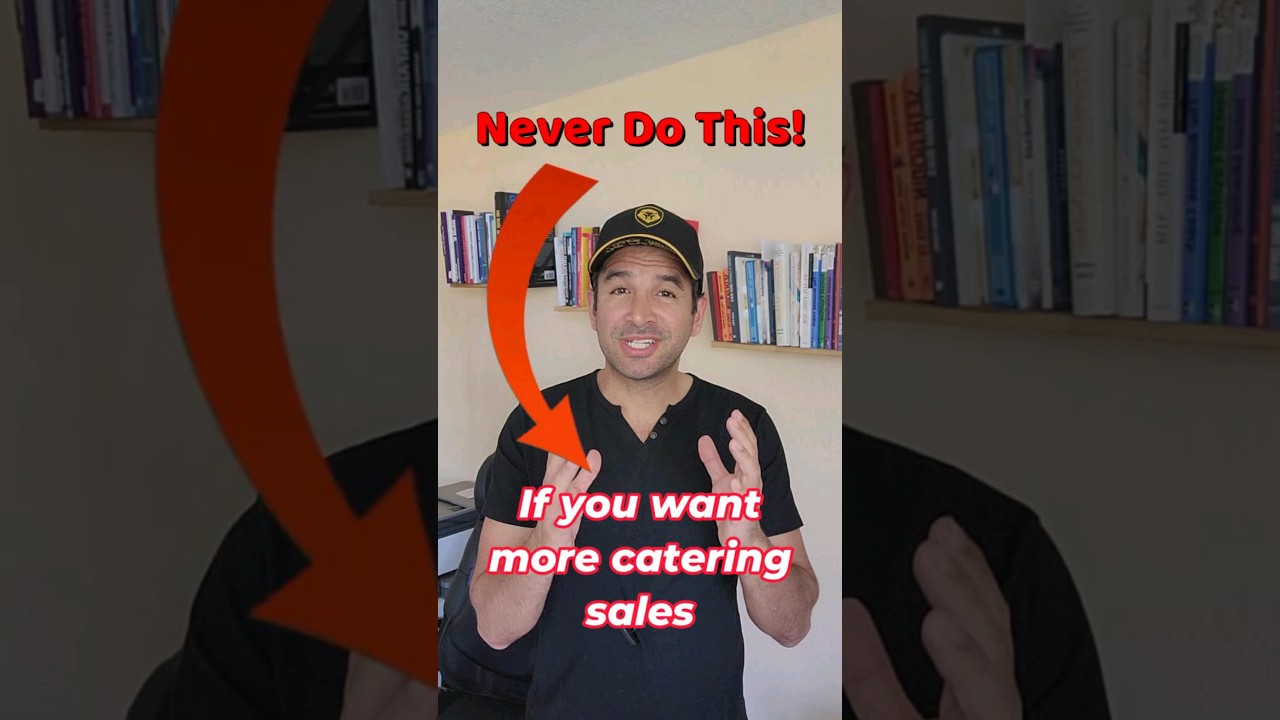
This career is ideal for professionals who thrive in event sales, hospitality management, and event planning.
It offers strong earning potential, variety, and career growth for organized, sales-driven individuals.
However, it requires flexibility, resilience, and comfort with pressure. Those who prefer predictable schedules may find other hospitality roles more suitable.

Conclusion: Is a Catering Sales Manager Role Right for You?
A Catering Sales Manager role offers high income potential, exciting work environments, and long-term career growth.
It’s a strong fit for professionals who enjoy client interaction and goal-driven work.
Success depends on sales ability, organization, and adaptability. With the right skills, it can lead to senior leadership roles in hospitality and event management.
The Fastest Growing
Restaurant & Hospitality Job Platform
Looking for top paid jobs? Or Hiring for your business?

![11 Pros and Cons of Being a Pastry Chef in [year]](/content/spotlight/28d415b7-2c06-4ad2-aaa8-0e496fb422f7/poster/1758793953397-pros-and-cons-of-being-a-pastry-chef-featured-340x191.webp)
Loading comments...