




Understanding the pros and cons of being a Head Chef is essential for anyone considering a future in professional kitchens, culinary leadership, or restaurant management.
If you're exploring a Head Chef career or aspiring to lead a high-performance kitchen, this guide breaks down the reality of the role so you can decide whether this intense but rewarding path fits your goals.

What a Head Chef Really Does
Head Chefs manage culinary operations from menu creation to service execution. Their responsibilities include staff training, food quality control, cost management, and maintaining kitchen standards.
This role requires both creative vision and operational discipline, making the Head Chef the driving force behind a restaurant’s success.



The Fastest Growing
Restaurant & Hospitality Job Platform
Looking for top paid jobs? Or Hiring for your business?
Pros of Being a Head Chef
Being a Head Chef offers creative expression, leadership authority, and significant career influence. It’s a role for those who want to shape the dining experience from the ground up.
Creative Freedom and Menu Development for Head Chefs
Head Chefs enjoy full creative control over menus, culinary concepts, and seasonal specials. They experiment with ingredients, elevate presentations, and set the restaurant’s culinary identity.
For Chefs who thrive on innovation, this is one of the most rewarding aspects of the job.

Leadership and Career Growth in a Head Chef Role
As kitchen leaders, Head Chefs guide teams, build culture, and drive performance. This experience prepares them for roles like Executive Chef, Culinary Director, or restaurant owner.
Leadership visibility also positions them for media features, competitions, and industry recognition.
Check Our Career Growth Tools


High Earning Potential and Prestige in the Culinary World
Head Chefs can earn from $50,000 to over $250,000 depending on concept, location, and acclaim. Bonuses often come from profit-sharing, food cost control, and restaurant performance.
Awards and media appearances can further boost income and reputation.
Business Influence and Operational Control for Head Chefs
Beyond cooking, Head Chefs impact profitability through cost management, vendor relationships, and kitchen efficiency.
They make decisions that directly shape guest experience and restaurant success. For those who enjoy the business side of hospitality, this adds meaningful responsibility.
Successful Head Chefs can also gain major industry recognition through:
- Winning culinary awards (e.g., Michelin stars, James Beard Awards)
- Receiving media coverage in food magazines and TV shows
- Collaborating with celebrity Chefs and high-profile restaurants
Cons of Being a Head Chef
Despite its prestige, the role is physically demanding and mentally exhausting.
High expectations, nonstop service hours, and pressure to perform create real challenges. Below are the key drawbacks prospective chefs must understand.

Long Hours, Physical Demands, and High Stress
Head Chefs work long shifts, often 60–80 hours per week, including weekends and holidays.
The kitchen environment is hot, loud, and fast-paced, requiring stamina and resilience. Managing service while leading a team adds to the mental load.
Kitchen Leadership Challenges and Staff Turnover
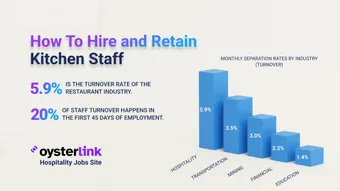
High turnover means constant hiring, retraining, and conflict resolution. Maintaining morale in a high-pressure environment is a daily challenge.
For many Chefs, people management becomes more demanding than cooking itself.
Financial Accountability and Menu Costing Pressure
Head Chefs must balance creativity with profitability. This means monitoring food costs, reducing waste, portioning, and vendor pricing.
Missing targets can impact restaurant margins, making financial discipline essential.
Is a Head Chef Career the Right Fit for You?
This career is ideal for Chefs who thrive under pressure, value creativity, and aspire to lead. It offers prestige, influence, and growth — but demands sacrifice and self-discipline.
For those wanting more structured hours, roles like Sous Chef or Culinary Instructor may be better suited.



![11 Pros and Cons of Being a Pastry Chef in [year]](/content/spotlight/28d415b7-2c06-4ad2-aaa8-0e496fb422f7/poster/1758793953397-pros-and-cons-of-being-a-pastry-chef-featured-340x191.webp)
Loading comments...