


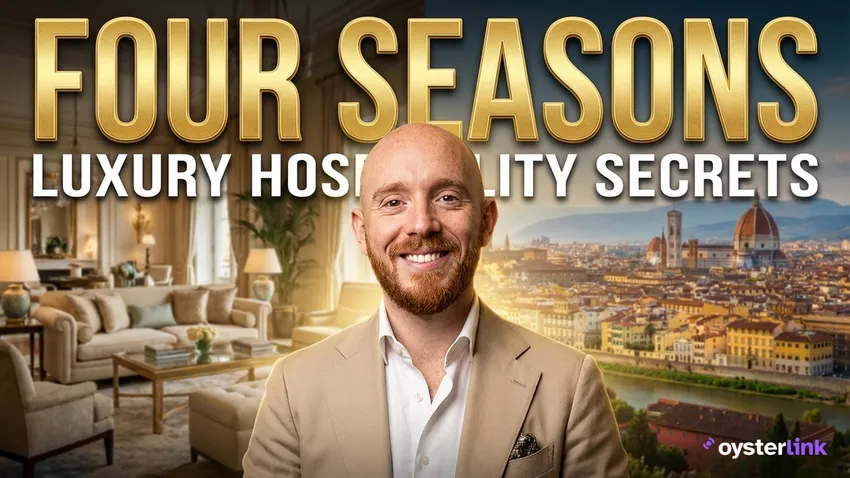

Explore the philosophy of world-class service through the lens of elite hospitality. Learn how to transform routine transactions into memorable experiences by mastering cultural awareness, team transparency, and the "battlefield" of experience.
Please introduce yourself and tell us a bit about your career path
Salvatore Procopio: I would like to define myself as a passionate hospitality operator that is trying to experience as much as possible along with my students the infinite possibility of the hospitality industry and different and several perspectives. I'm Salvatore Procopio. I was born in Naples, 1990, and my family runs a few restaurants.
We actually own a couple of restaurants. And so I had a chance from the very beginning to experience dining rooms, pouring water, assisting in whatever sort of operation. Of course, as you can imagine, at the very beginning, you are forced, you know, to help adults in whatever type of operation, during very busy days and moments and situations.
I worked in Rome for a few restaurants, always during the summer time because that was the only way for me to do that, until I got this opportunity to work in the best hotel in Naples, which is like a five-star hotel with a Michelin-star restaurant. At the age of 21, I was supervisor of this restaurant, so I was in charge of whatever aspect of this restaurant, including budgeting, financial reports and everything. So it was way too much for me. But somehow I managed everything. So I developed this kind of idea so that I could be even more ambitious.
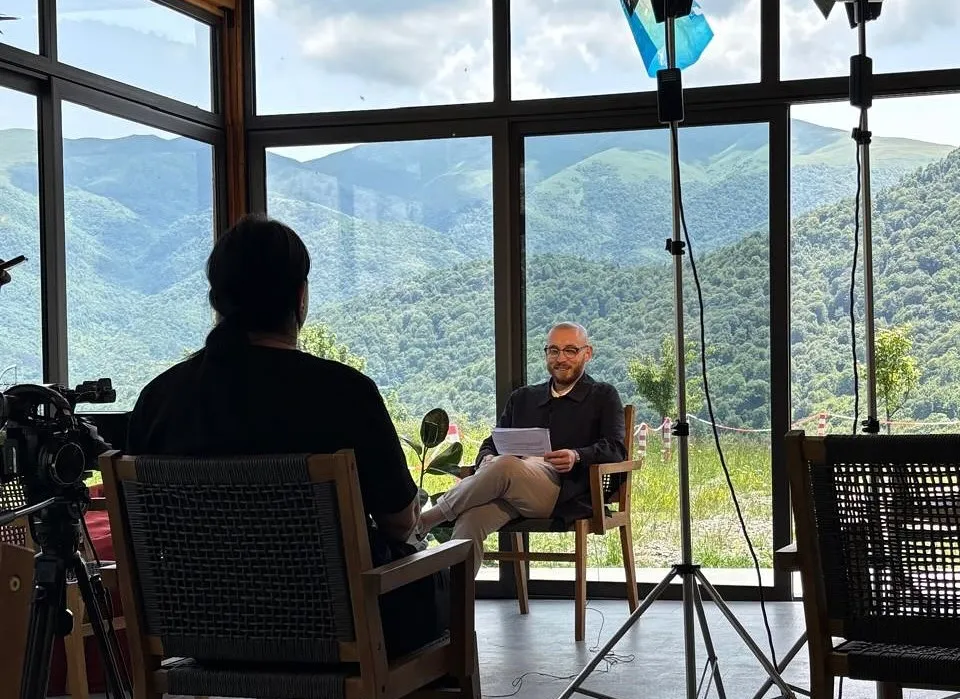
And so I started working for the Four Seasons and from that moment on I completely changed my perspective about hospitality because of course Four Seasons brings everything to a very top level in terms of operations, terms of respect, terms of networks, terms of prestige, in terms of understanding the fact that what you do when you work for those companies is much more than you, yourself and your profession and professionality.
But you represent one of the most beautiful companies in hospitality, but only in hospitality is ranked as one of the best companies to work for. And of course you learn the importance of standards, of training, of creating the right sequence of service.

Service hospitality is based on tangible and intangible aspects. The tangible aspects are 100 %. While on the other side we have other aspects that are essentially linked to intangible characteristics like soft skills.
An example can be the way you look at the people, eye contact, the way you smile, what kind of energy you put in what you're doing. So there are so many different things that can be better.
Did you gain all that experience in the Four Seasons? How you should look, how you should behave, how you should approach people around you!
Salvatore Procopio: From the very beginning, no matter what type of position you will cover for them, they give the same tools to everybody because what they look for is consistency. And the fact that every single time you walk in whatever Four Seasons, in whatever part of the world, you are treated in the same way. The golden rule for them is to treat people as you want to be treated by them. That's the golden rule and it's written everywhere.
And then you have this week's program back in the time called Embark where they actually pay you just to be there and study the philosophy, the mission, the values, and the vision. And so it's a beautiful moment where you get in contact with the general manager, the human resource manager with all the head department. It's an incredible opportunity. Of course, they share everything with you. So they hide nothing from you. They were like total disclosure because everybody has to know everything about the company.
Every month they have towns, where everybody gathers, you know, in order to understand numbers and if everything is working. So they train you, as I said, for consistency, but they also allow you to reflect on how you're supposed to behave in front of a guest, which is something that at one point after many years, I think, you can realize by yourself.
But you need time, you need a lot of experience, you need a lot of time, and they help you in reflecting better about these points. Like for example, one of the first things they taught us was this service word, it was an acronym, where service, the S stands for smile, the E stands for eye contact, R stands for recognition, and so on, you know?
And they use this simple tool, you know, in order to let you understand what you're doing. So someone is very good autonomously in like delivering all this positive energy and like the brand values, for example. But other people might not be that effective. So they need a kind of assistance, you know, to express the best part of their talent. So they are potentially very good, but they probably don't know why smiling is so important when it comes to hospitality
Tone of voice is very important. They teach you when it's possible, like, and you are allowed to shake hands, you know. You, for example, do not offer your hand to someone that you don't know. You wait for your guests to shake your hands and then of course you accept.
And they teach you how to behave according to different cultures, you know? During Shabbat, for example, for Jewish people, you know, there are certain things that they appreciate and other things they are considered disrespectful. The importance of the Halal, for example. So it's an ongoing and constant training process. They allow you to grow as a human being, first of all, and then of course, as a professional. So you do things in a very strategic way.
The way, for example, you manage complaints, and they have like internal procedures, where everybody has to be informed about whatever type of problem might arise with a guest. It's called a glitch. So it's like a document, it's like a file that you need to fill in with all the most relevant info. And this document is sent and it's shown to everybody. So every single hospitality agent, I would say, they get in contact with the same guest.
There are so many different things that are studied in order to be perfect. And of course, it's a training they give you for free. And it's a training that you will carry with you forever and ever, that you can apply every single time. Because what most people do not realize is the fact that hospitality in terms of soft skills, they cost nothing. They cost the training. But they make the difference. They make the difference in terms of upselling.
They make the difference in terms of brand awareness. They make the difference in terms of brand reputation. They make the difference in terms of creating something that is experiential and not transactional. That's the problem with hospitality most of the time. It's considered to be transactional. So you give what they pay for, and it's not considered to be 100 % based on the emotions and so memorable experiences, right?
Another beautiful training was about, for example, self-regulation, how to manage complaints, as I said, how to adjust your behavior according to different moods and situations, how to deal with the drunk people, with super excited people, how to deal with the furious people. So it's something that honestly it's quite hard to get as a training.
And then of course once you're done with the training you need to consider there are parallel processes in terms of training. Like you always at the beginning like constantly guided by your designated trainer. So you have one person like working with you shoulder by shoulder, they show you how to do things. And if you are a young professional, it's very effective in your life path because you are constantly trained by someone that transfers everything to you. And then of course you have probably one of the most beautiful clientele in the world, course celebrities, VIPs, course very important people and every day you have the possibility to star and to get in contact with the most talented and gifted people in the world
Can you name a few?
Salvatore Procopio: There are certain guests that I cannot mention because Four Seasons allows guests to get registered under a private name. But I can tell you a few, for example, the first time I met Jeff Bezos. 15 years ago I remember that I started my shift around 3.30. I used to work at the bar, one of the beautiful places I worked for, very dynamic, where this constant interaction with people was absolutely required. And I remember very well that before starting our shift, we used to have like 20 minutes, like a touch base with everybody.
But that day we were incredibly busy. And so all the supervisors, all the managers were busy with other things. So anyway, I had to start my shift. So I just jumped in and I started doing my things. And I checked all the tables and then I stopped at this table and I started this conversation with this sports guy. And it was like a very genuine conversation about whatever aspect, like what do you like, what kind of food, is your first time in Italy. He looked at me absolutely not in a surprised way.
And we had this like half an hour conversation about whatever, you know, he's like one of the smartest guys I've ever met in my life. And so from one topic to another subject, and it was very interactive. And then when I left him, because in the meantime, I noticed all the people around me like, trying to get my attention, you know, like what you're doing. So at one point I had to stop.
And so they came to me like, okay, I hope you know who this guy is. And I went like, look, honestly, for me, it's just like a guest, I don't know. And they told me everything about him. And of course, at that point I had the chance to connect the fact that he was like the super boss of Amazon.
But I can tell you so many other stories like I met Steven Spielberg, one of the most humble and smart people I've met in my life. I played table football with Jay-Z, the rapper. He was in Florence for a wedding and I mean it was like a VIP wedding. They took all the places, and it was a buyout. And they made this beautiful party. And I remember in the garden there was like a kind of huge tent with all these different attractions.
I was there, he was there and he invited us to play. And I remember that winning this battle was expensive. Okay. So, the prize was this expensive bottle of Japanese whiskey. And of course, I mean, I grew up playing that game, so I knew very well how to do it. Probably it was like his first time. And so we won and he just like, he had a lot of fun.
Actually that was my first day. So I started my first day, my first Four Season experience with this huge party and the first thing they sent me to do, I had to get the order from Jay-Z and Beyonce. So I didn't know about the fact that they were sending me to get the order for them.
So as soon as I opened the door of this private room and I saw them with the guards and other people, the staff, I was kind of shocked. But they were so relaxed and so cool and so easy going. At one point, after like 30 seconds, then I stopped breathing, then you realize that you have to be more confident and more able to understand what they want.
And I think that's the most beautiful characteristic of hospitality. So as I said at the very beginning, you stop focusing on yourself and the guests always first. Okay. So at one point they stop being like celebrities, but they are just like guests and you want the best possible for them.
And this is all because you worked at the Four Seasons. It was like the door opener, let's say, for that kind of introduction and connection.
Salvatore Procopio : I spent one year working for the Waterside Restaurant in London. It's one of the first three Michelin star restaurants to get three Michelin stars in London. And it's one of the few restaurants that back in the time used to have Elizabeth the Queen. Personally, I was not authorized to get in contact with the Queen, but Diego Machaga, the general manager, was the one that could do that.
But of course, working around the service and understanding all the people around the Queen and the Royal Family and serving £40,000 bottles of wine, it makes the difference. It gives you much more confidence because it's kind of a challenge for you once you pass that challenge. You feel like you are a better person. So once you talk to Jeff Bezos, come on, you can do whatever type of a conversation with anyone else.
Are you still with the Four Seasons or have you left?
Salvatore Procopio: One of my best like clients and of course, he became a very good friend of mine was the PR manager of this very prestigious International School of Hospitality that is under the American University of Florence. This institution was looking for a wine instructor, a hospitality instructor to teach in South Korea in one of these schools.
So since I love traveling and since this was like an amazing opportunity because it was kind of a long period, three months, it's not easy to spend three months in South Korea together with locals and teaching wine and hospitality. So I accepted. So I took these three months and I spent these beautiful three months in South Korea. Then I challenged myself with teaching and I realized that it was something that I love very much.
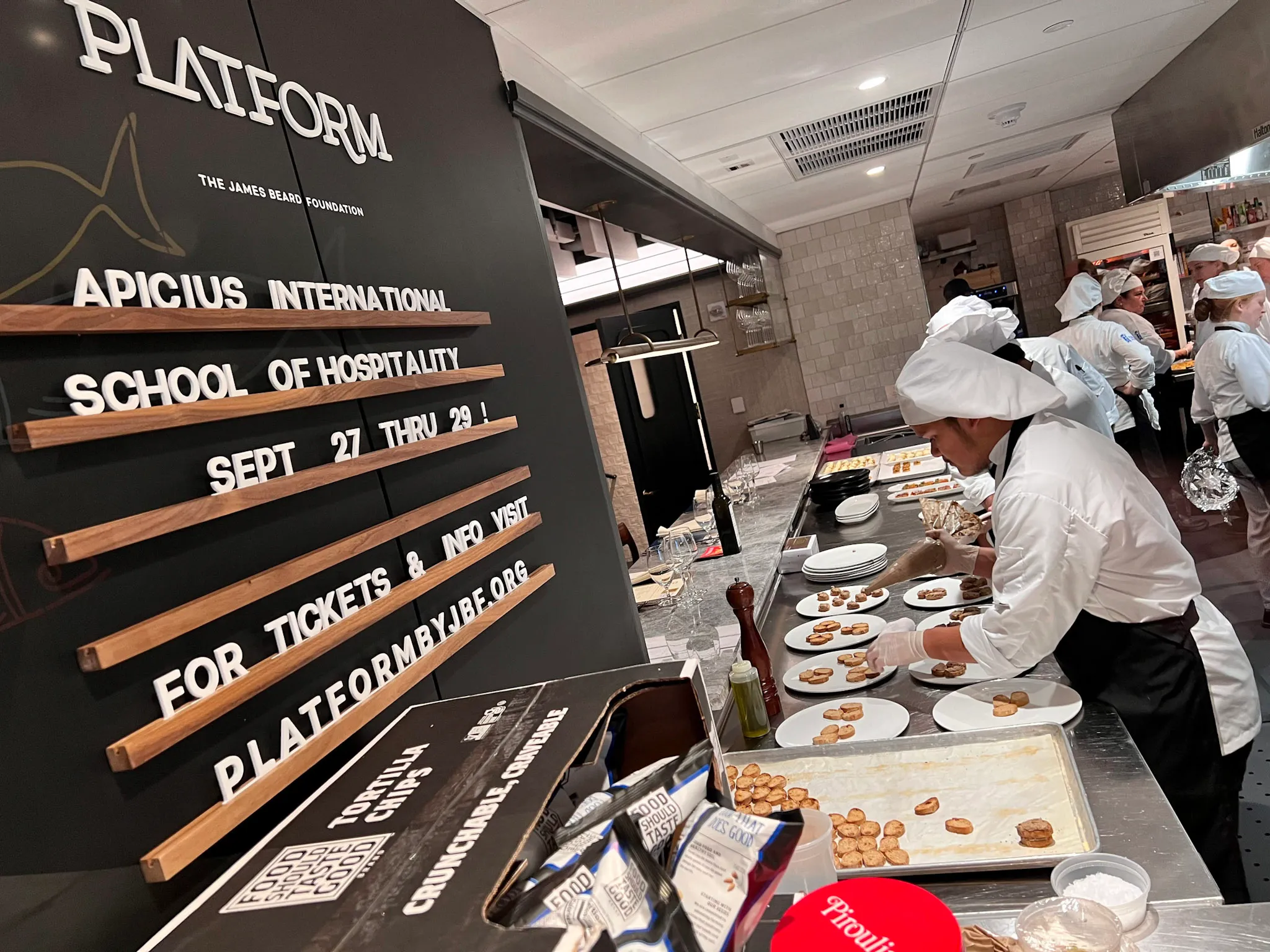
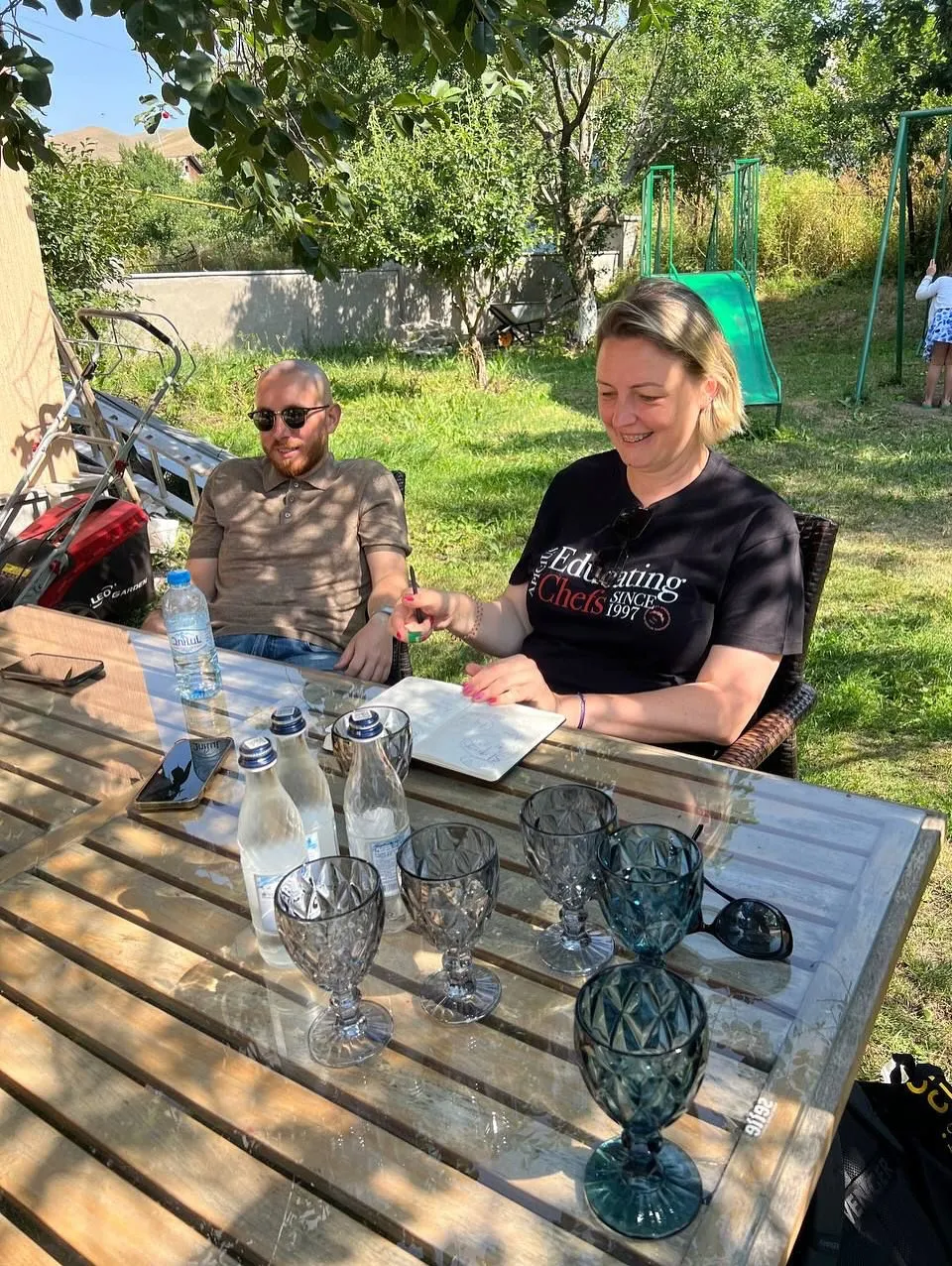
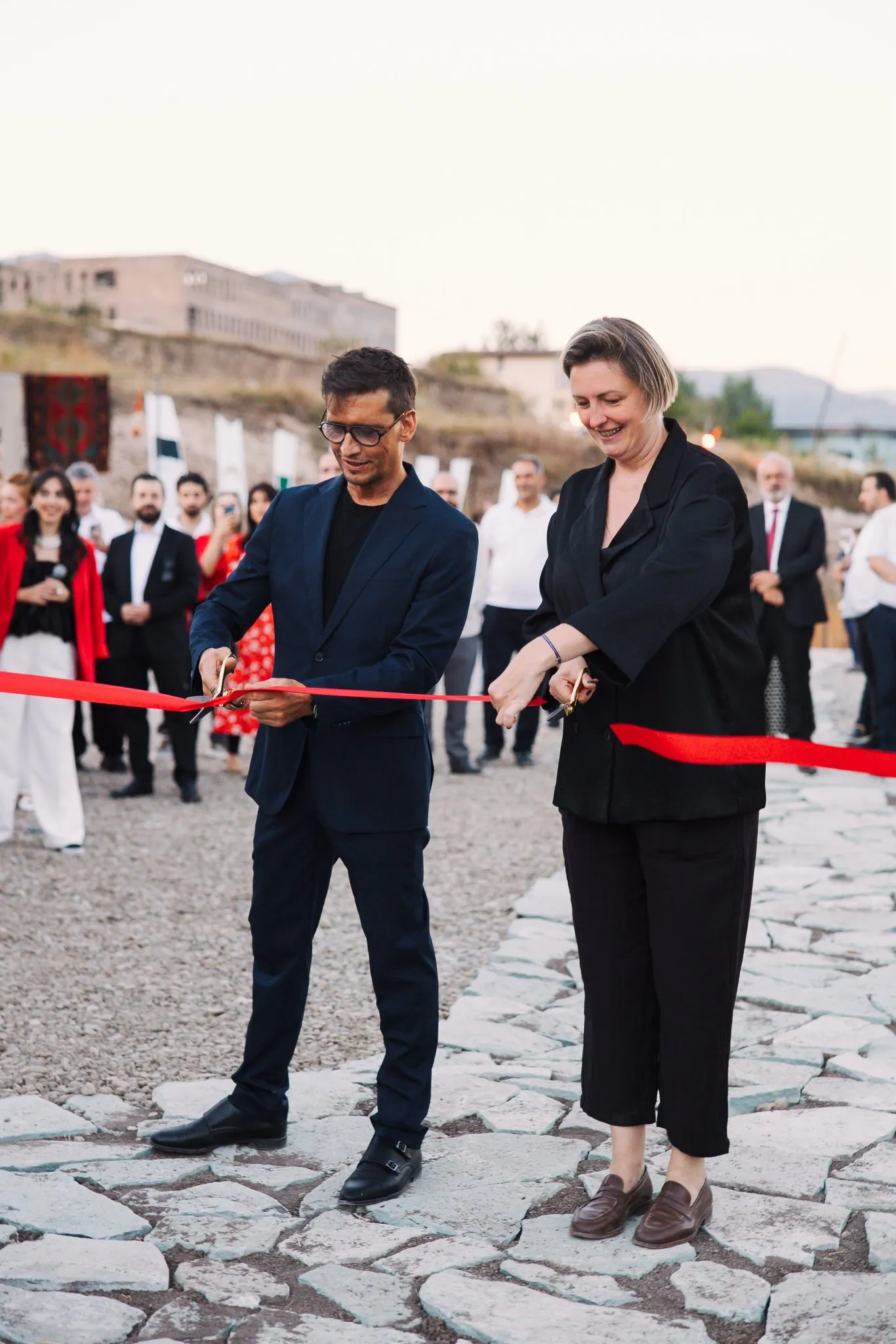
And so they proposed to me this position that I'm covering from 2019. So I'm the hospitality manager and the PR coordinator of APICIUS, International School of Hospitality. And we have a campus here in Florence as we have a campus in Armenia. It's like a spin-off project that we recently started. I mean, recently in terms of opening, it's kind of a project started like two years ago. Now we opened the school in September. And I think we're doing amazing things in Armenia as we've been doing amazing things here in Florence for 25 years.
Do you franchise worldwide?
Salvatore Procopio: We have been contacted by Green Rock Foundation. They selected a few partners for this adventure, for this amazing project in Armenia. So after a lot of meetings and
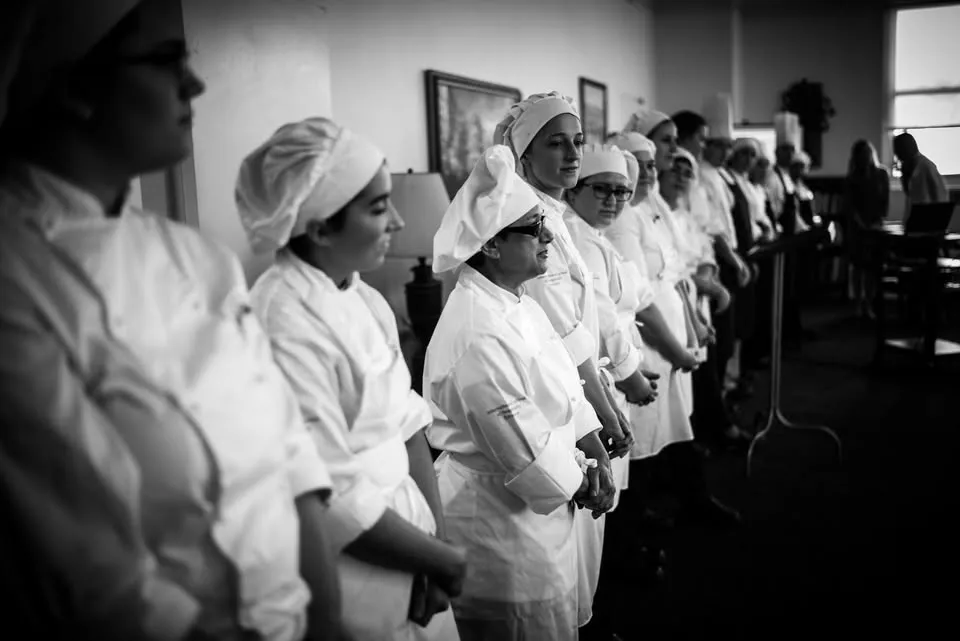
moments that we spent together, they realized that we could be the right partner for them. And here we are. Last September, we opened the school. All the programs, all the faculties are exactly the same. The teaching meter is exactly the same, which is essentially based on experiential learning. And so students have the possibility to learn by doing things for real. We are about to open a restaurant there as we have two restaurants here in Florence. They are fully operated by the students, supervised by the instructors. Food is prepared by the back of the house students, culinary students and the front of house students take care of the service, wine and food service.
So it's something real, different from an internship. Because in an internship scenario you are not supervised by a mentor. So they actually require you to do things that are necessary, you know, for the service. But in our academic environment, together with the experience that you acquire, you're constantly paid to a mentor, to an instructor. And so everybody can achieve important results because mistakes are corrected and the process is facilitated with the presence of the supervisors.
Do you believe that formal education is still important in the hospitality sector?
Salvatore Procopio: I will say that it's absolutely required to be very on the dot, especially if you want to get higher positions. It's fundamental. Long term is absolutely fundamental. In the short term, it might be considered as not necessary because experience might be considered as the most prevalent aspect.
And so of course, experience is everything. I didn't mention when I talked about myself that I got my degree in economics at University of Naples and then I got my master’s in wine industry and management and marketing at the University of Florence. And then I got another master’s at the Bocconi University in Milan.
So it's absolutely important to keep an eye on the experience. So a little bit of both. And through us, for example, we allow this possibility. So it's studying. So it's like a classic, the canonical approach. And on the other side, you have a similar experience all the time.
When people study hospitality, whether at Apichus or any other hospitality school, are they going after the certificate, the piece of paper that you can show to an employer in the future to say I am certified and then start the learning journey. Or do they actually learn?
Salvatore Procopio: For us, it's much easier because since experiential learning is one of the main components, they can definitely prove they know how to do things by the book because they have all the necessary experience. For example, if you are a certified chef, what we give them is like a certificate to prove that this student is a chef de partie or a sous chef, for example. Okay. Then of course, the way they perform is fundamentally linked to their ability and their experience. The more you work, the better, the better you are. So I think in order to be a very like ⁓ a good professional, need to be a little bit, you need to focus a little bit on both aspects.
Only with a certificate without knowing how to do things, definitely that's not enough. But of course, only experience at one point will lead you nowhere since you don't have those competencies that are required in order to lead a team, to manage more complex aspects like budgets, like financial reports, a team composed of multiple people.
Check Our Career Growth Tools


Do you believe that social media recently has been somehow replacing getting those certificates? Someone with hundreds of thousands of followers gets access to job opportunities that others with certificates and training can’t access
Salvatore Procopio: I will say working on your social media is a better way to work on your storytelling. But then at one point, you need to face real challenges and your ability will be like a test and you need to demonstrate how able you are in facing those challenges.
So inevitably you can adjust the storytelling, you can better introduce yourself, you can better show what you're able to do. And so that is absolutely a very fundamental requirement, I would say. But it's also true that at one point you need to know how to do things for real. And so that the only way that I know is to work hard and experience as much as possible.
Sometimes I see beautiful presentations and amazing candidates with this huge social media presence, but then when they face a very challenging situation, they don't know how to survive because they've never experienced it. You need to somehow experience the battlefield if you want to be like a warrior.
Check out more interviews like this brought to you by OysterLink to learn about the industry. You can get them straight to your email by creating an OysterLink account and joining our newsletter.


Loading comments...