


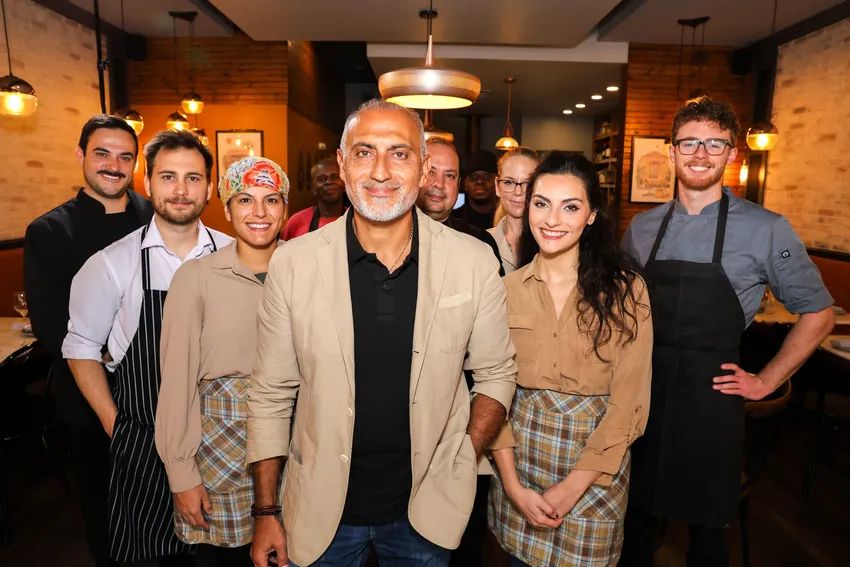

What happens when a top-tier corporate executive trades a VP title for a 40-seat independent restaurant? Nicolas Kurban discusses his journey from Lebanese family kitchens to the Las Vegas Strip, and the grit required to build his own hospitality empire.
Please introduce yourself, tell us a bit about your career path.
Nicolas Kurban: My name is Nicholas Kurban. I'm currently the owner and founder of Kurban Hospitality. We own a couple of restaurants and concepts in South Florida, mainly in Delray Beach.
My background goes way back. I started in the business when I was young. My dad owned restaurants in Lebanon. So I grew up loving the business. I came to the U.S. when I was 18. I went to college. Got to graduate from the hospitality management in Ohio State. And my plan was always to go back to Lebanon and help grow my dad's business. I did go back, I would say, when I graduated. I went back, spent around 7, 8 years. When I was young, I helped my dad grow his business. I also opened three restaurants on my own, even when I was 24, 25 years old.
We did well, but as we all know, during the time, I would say that was in the 90s, Lebanon was going through a lot of turmoil. So I decided to kind of come back to the US and really focus more on the growth here. Even though I was an entrepreneur in Lebanon, I never really worked for anyone when I graduated, other than working for my dad and for myself.
I had to go back and take the employment pass, right? When I came back, I was in my early 30s. So as much as I felt I knew a lot about the business, and I did know a lot about the business, but no one cared because my business was in Lebanon, so I cannot brag about, “hey, I own restaurants in Lebanon.” So I had to go back to the US, and I made myself, I kind of grew into it. So I was lucky enough to end up in Las Vegas, and somehow I connected with a good friend who was at that point a vice president for Wolfgang Puck.
And Wolfgang at that point had many restaurants. He was technically the chef to be in Las Vegas. Spago, Posterio, Lupo. And he hired me as a general manager for Spago and the rest is history. I kind of end up running one of the most successful, busiest restaurants in Las Vegas. I made a name for myself. Eventually I ended up being a director of operations for Wolfgang Puck, helping run the four or five operations. At that point I think they had a 60 million dollar operation on the strip in Las Vegas. Fast forward three years later Thomas Keller was looking for someone to open his first outside restaurant from Yountville Bouchon in the Venetian.
I was lucky enough to get the job, I guess, even though it was very hard to choose anyone. I remember the recruiter told me, look, you're the number nine that Thomas Keller interviewed, so don't keep your highs up because he's very particular. I said, hey, I'm looking forward to meeting him. I got hired. I flew to Yountville. I remember sitting on the second floor of the French Laundry, and that's where the interview happened. And we connected, and he hired me to be his Director of Operation for Bouchon. I opened Las Vegas, Bouchon, and the Venetian for great success and ended up going back and forth between Yountville Napa Valley, and Vegas, helped open the bakeries, and ran the operation.
And then move forward. I really wanted to do more than a restaurant at that point. I think after a few years I really made a name for myself and I felt I needed to grow out of the restaurant business. I need to be a little bit more. I would say food and beverage hotels, casinos, not only restaurants and fine dining, casual dining, room service, banquet, nightlife, pool, anything. So I was hired by Wynn as a Wynn resort to be the fine dining director for Wind Resort. I was there for a few years and then I was recruited by Borgata Casino to be the vice president for Borgata which at that point Borgata in 2007 was probably the best casino in Atlantic City. Had Bobby Flay restaurant, Michael Mina had a restaurant, and Wolfgang Buck had a restaurant. you know transition there
I was there for five years. Eventually got recruited to go to Melbourne, Australia. Worked in Melbourne, Australia for Crown Casino. And the really highlight of my career, and I say that because as much as I've loved working for Wolfgang Puck and Thomas Keller and obviously Wayne, so my background became very high-end luxury, hospitality, whether it's restaurant business or casino business, I got recruited to be the regional vice president for Four Seasons Hotel for Asia Pacific.
And I flew and I was living there in Singapore base which is the APAC office of Four Seasons was in Singapore and I was responsible for I would say almost a half a billion dollars worth of food and beverage revenue with Four Seasons and we're talking here restaurants and hotels all over China, Japan, Tokyo, Maldives all the way to India, South of Asia, Sydney.
The job was amazing because it had an operational focus. Obviously with all the P&L, I had to kind of be responsible for the profitability of every restaurant or every food and beverage inside the hotel. But I will say 70 % of my job was really looking at three, four, five years and looking at concepting. So going into the market, studying the market, doing a market survey and understanding if Four Seasons is opening in Tokyo or Kyoto or in Guangzhou or Hangzhou or whatever, how many restaurants should we have in that four season? What kind of concept are we going to have? Should we have Chinese? Should we have a rooftop? Should we have a speak-easy? Are there too many Italians? Can we compete with an Italian restaurant?
And from there, try to sell this concept to the owners of the hotels, obviously the asset managers, and from there work with amazing designers to really design the restaurant. And that was really most of my work working with people like Tony Chi, Adam Tehany, David Rockwell, Avroco, all these amazing restaurant designers who really are used by the big casinos.
Fast forward, move back to the US, end up working for Kimpton Hotels as a regional VP for restaurants and bar and help them also grow the Kimpton food and beverage outside as IAG acquired Kimpton. So I'm telling you that because that's how I end up in South Florida. I lived here because they wanted me to be on the East Coast overseeing obviously the Caribbean. You know, within two, three hours flight of all the property I was managing.
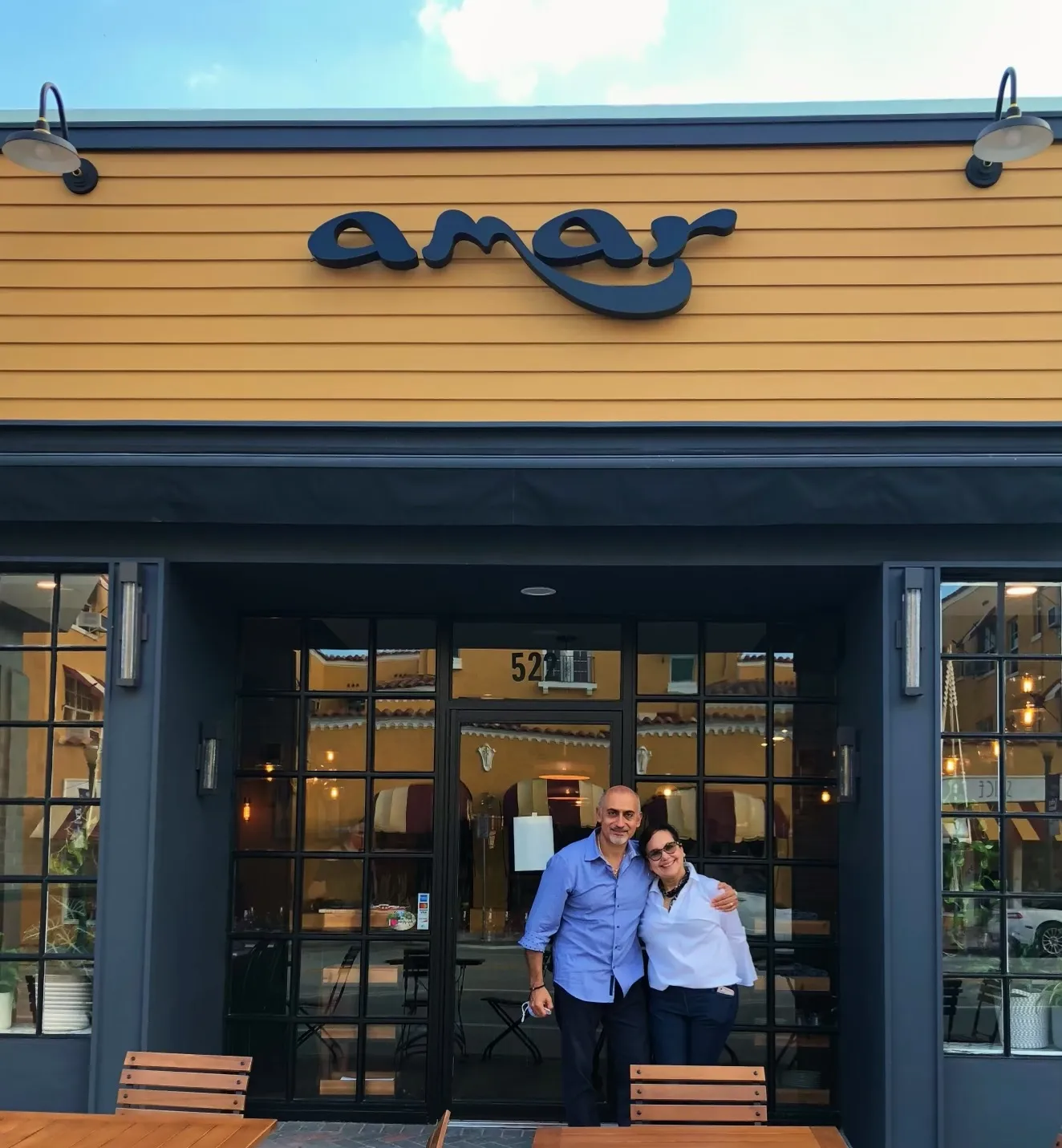
COVID happened I decided to do things on my own; wrong timing to open a restaurant, somehow I decided to jump in it there was a small pizzeria on Atlantic Ave which is a premier street in Delray Beach beautiful street all the restaurants the galleries it I just jumped on it and I said what I'm gonna do I'm gonna do a Lebanese restaurant.

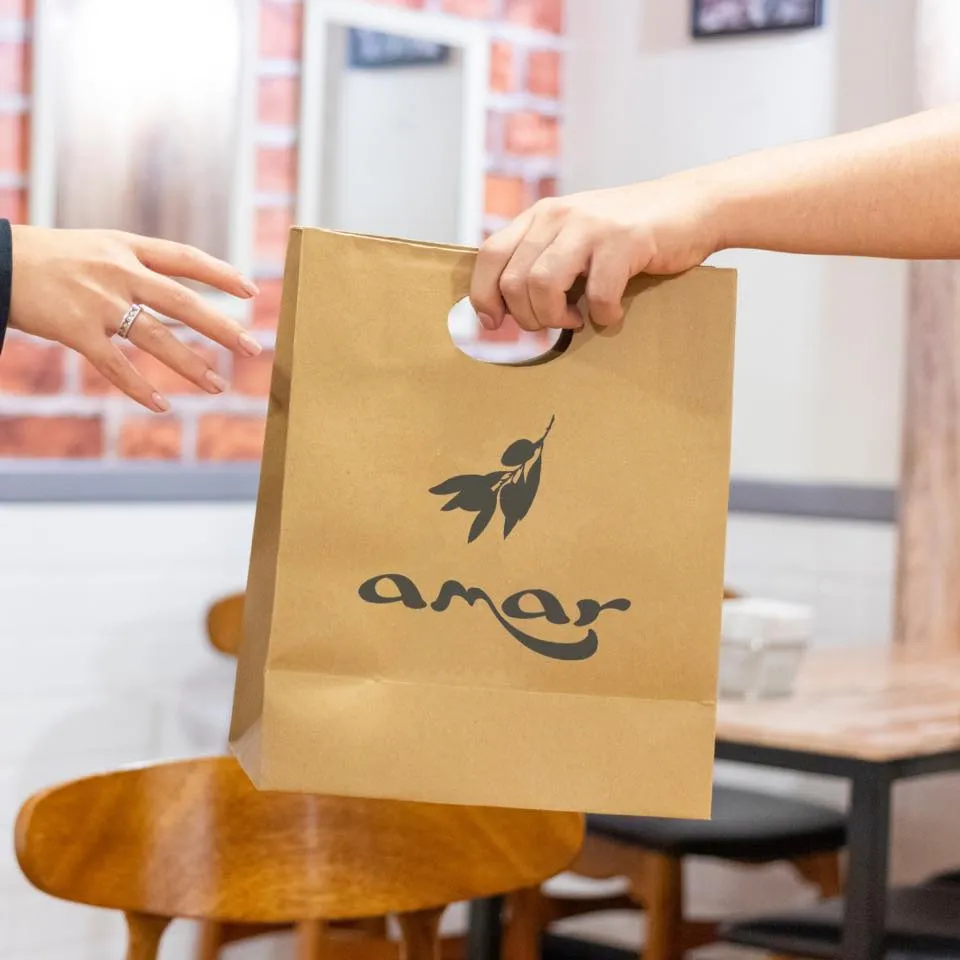
People thought that I opened a Lebanese restaurant called Amar. This is the concept that I own. Because I'm Lebanese. Which is interesting because Amar is my first Lebanese restaurant. So it just happened that I felt that this Lebanese cuisine, Mediterranean cuisine was exploding in the US. And you look everywhere, you'll find tons of sushi restaurants, tons of Italian restaurants, tons of steak houses, and you name it, and you don't find Mediterranean restaurants.
So I decided to do it because I think Lebanese cuisine or Eastern Mediterranean cuisine, Lebanese, you know, Turkish, Greek, Israeli, Palestinian are definitely now, I think, the cuisine to be. Now, we talk in Philadelphia, Michael Salmonov from Zahav made it very popular. My friend, Philippe Masoud llili, is in New York. So the cuisine was exploding, the restaurant was doing very well. And I know for a fact that once people get used to it they're gonna love it because it has all the ingredients of a lot of of maize a lot of small plate to share a lot of vegan option a lot of vegetarian option fresh organic you know not heavy and plenty of variety so I opened a small restaurant we're talking here 40 seats no bar beer and wine and you know it was a big risk big risk because I kind of opening an ethnic restaurant.
Atlantic Ave was more touristy and more approachable food. So you find Italian cuisine and steak houses and tavernas. It wasn't yet known to be a destination dining like New York or Miami or, you know, DC or something like that. But I opened and honestly, from day one, we were packed. Like I felt that we hit the spot. Finally, most of the feedback was, finally something amazing on the Ave something different.
As you know, Delray Beach gets a lot of snowboarders. So a lot of people have second homes here from New York, from Connecticut, from DC, from Montreal, from Toronto. And all of these people love Lebanese cuisine because they're used to it. There's plenty of Lebanese restaurants in New York, DC, Toronto, Montreal. So we became very popular.
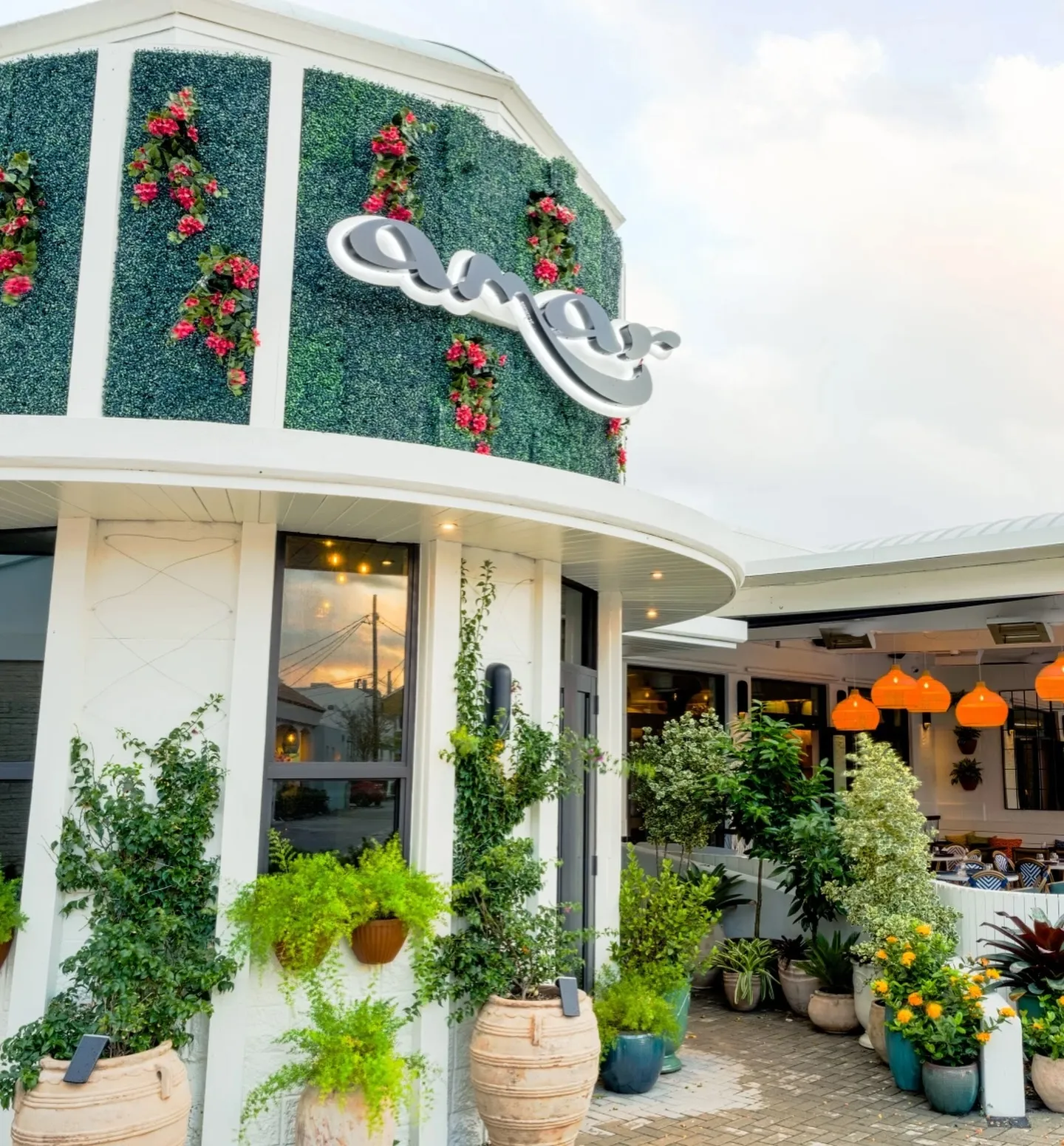
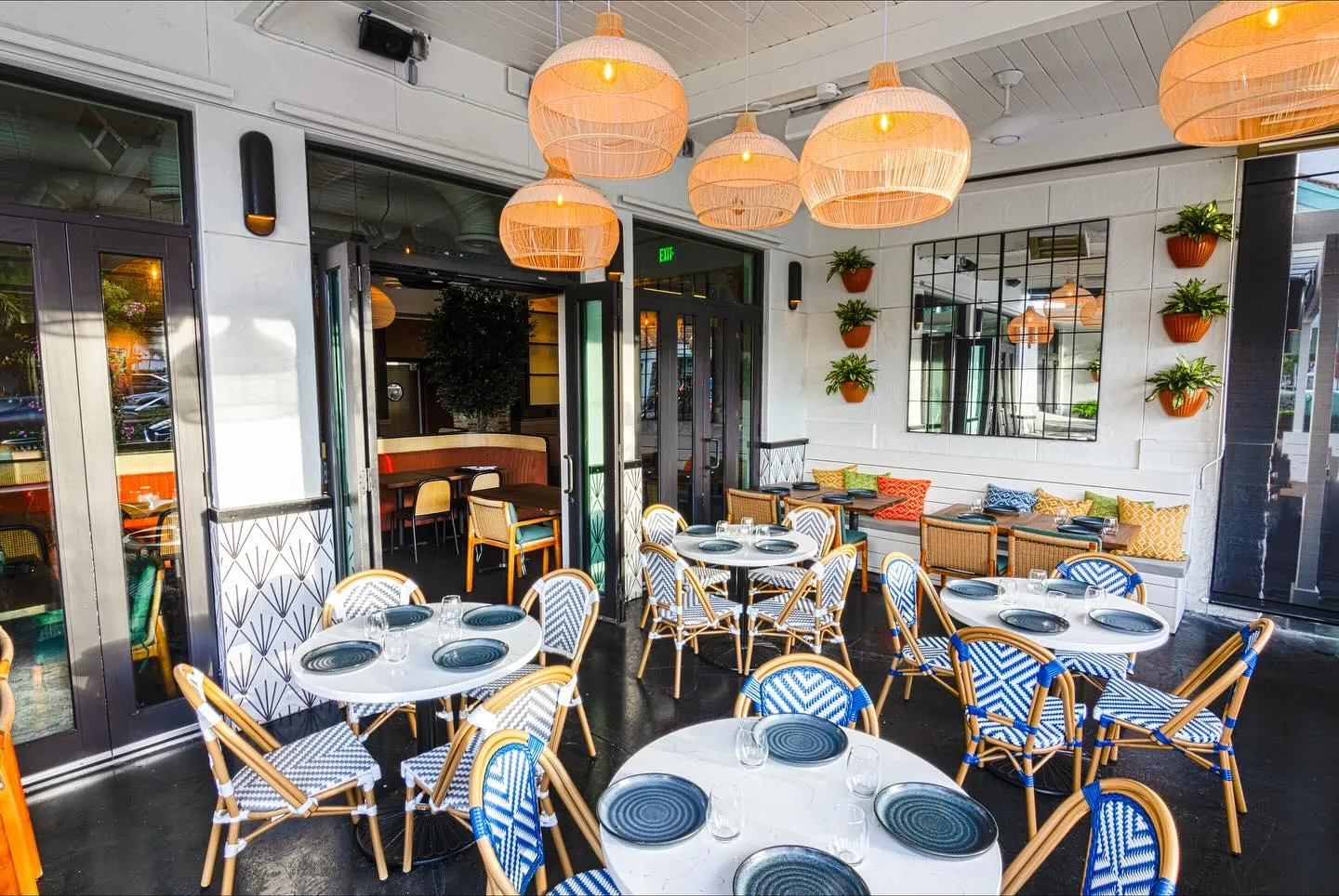
And three years later, I definitely outgrew the concept. Not a small restaurant, the restaurant that I'm in right now was an existing restaurant, kind of one out of business. I bought the restaurant and I took it, it went from a 40 seat restaurant to 200 seat restaurant, full liquor. We went from, you know, 1.5 million operations to a five million dollar operation right now, dinner only.
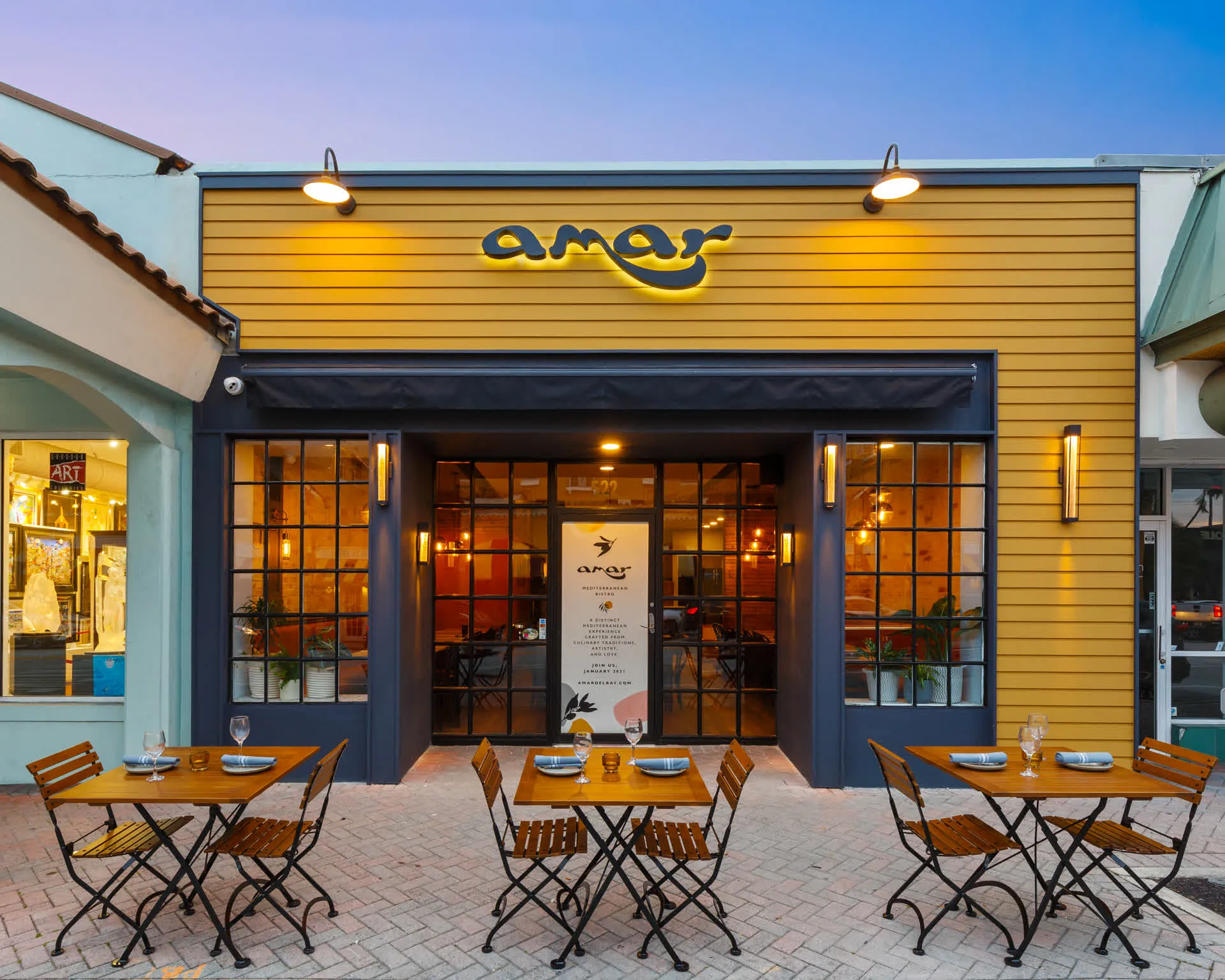
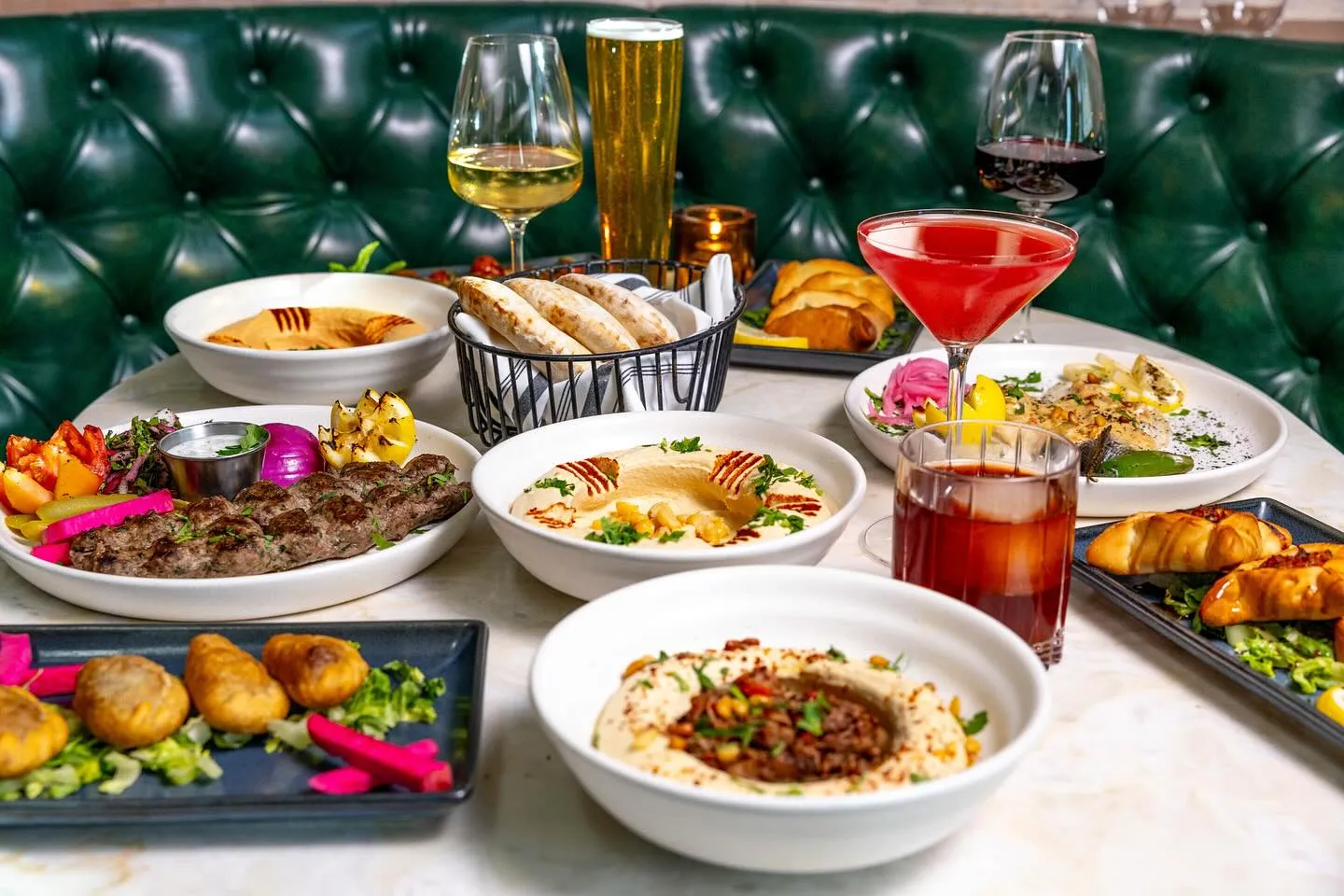
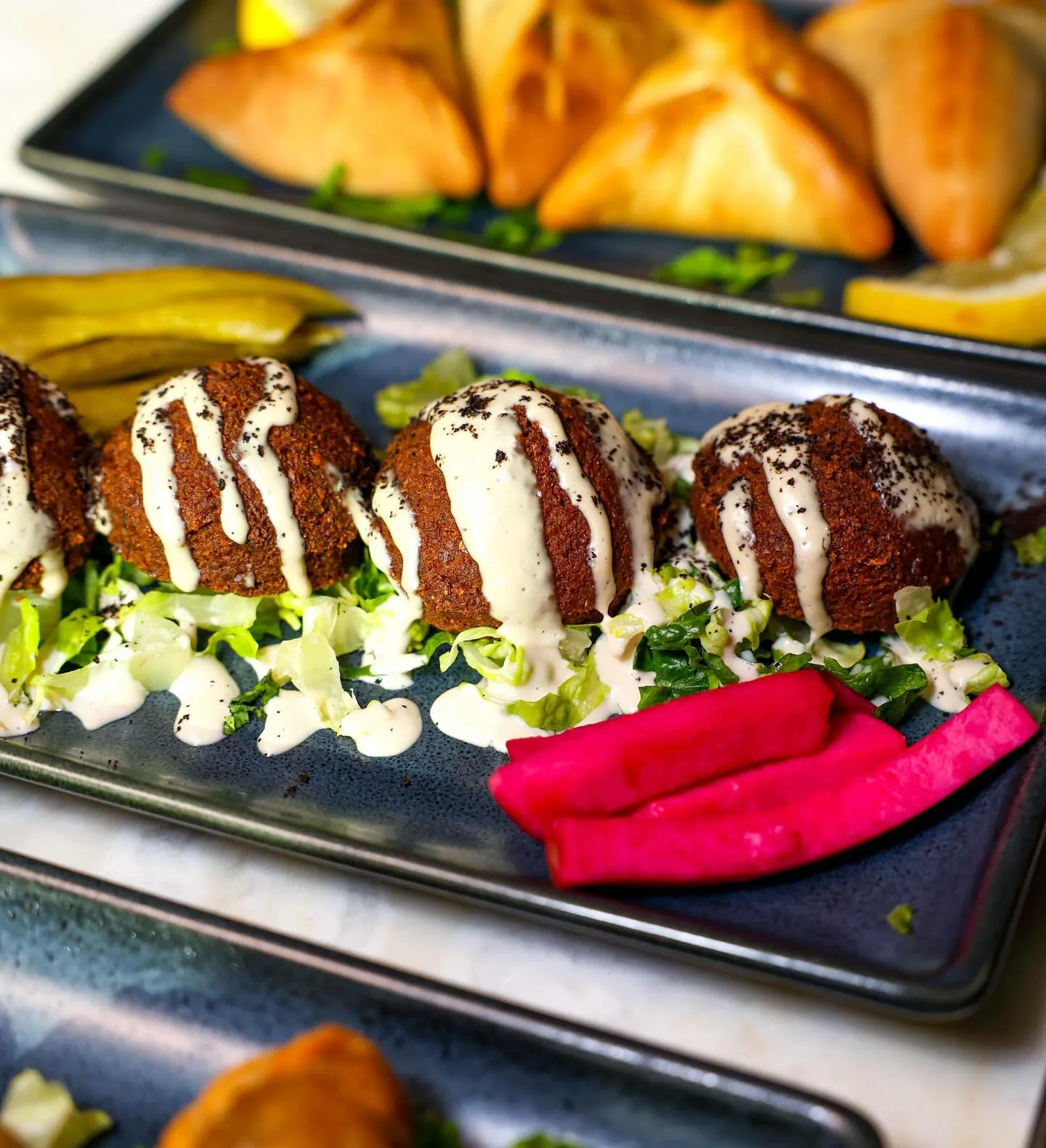
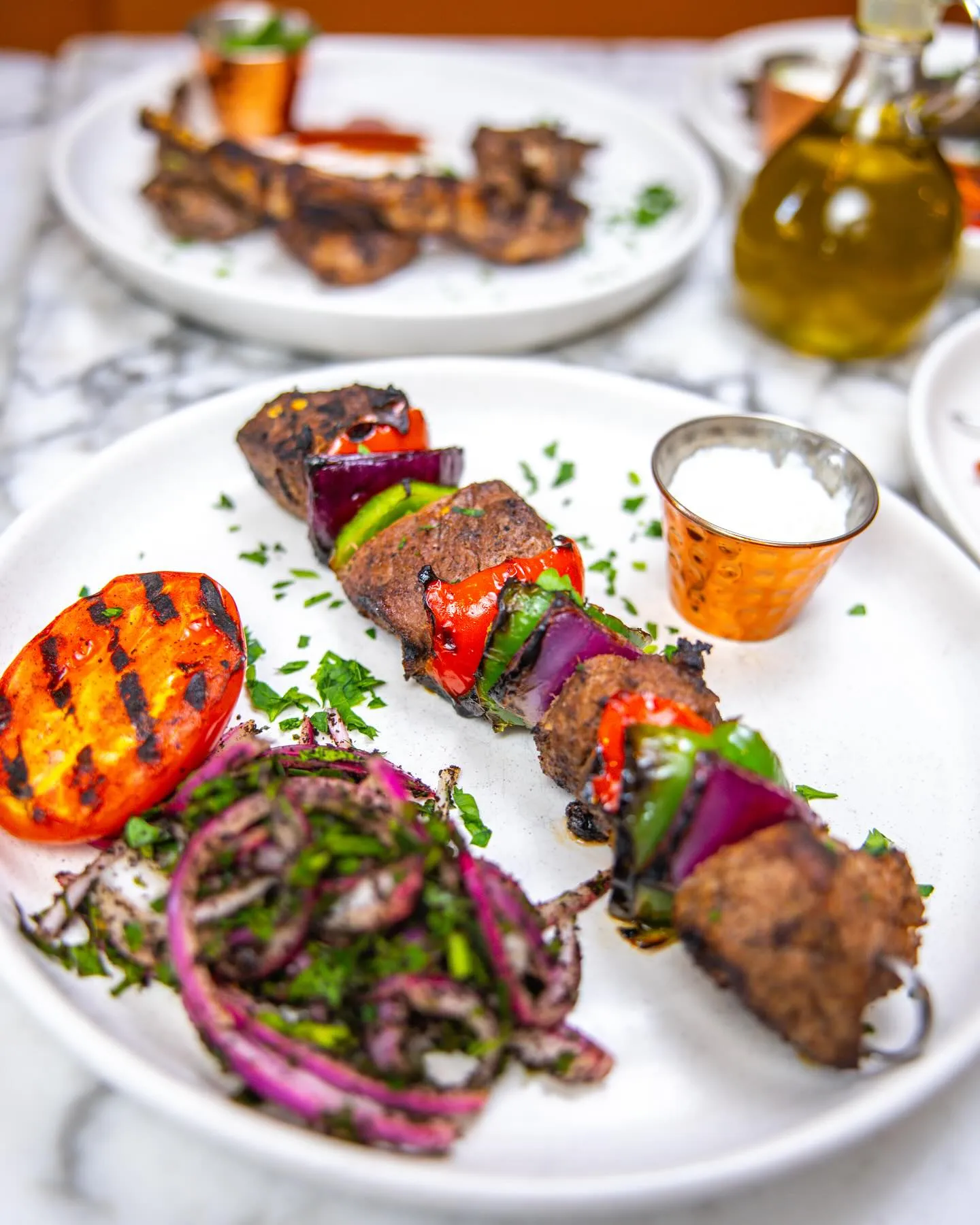
So the concept has been very strong. We've been very popular from day one. We're still packed every night. You know, we've had an amazing team. And in the old location, I still have the old location, I turned into Amar Sandwich Shop. So now we have two concepts kind of together. We have the fine dining Amar, which is the whole Lebanese Middle Eastern cuisine, the meze, the kebabs, the desserts, huge wine lists from all over the world, from Lebanon and Napa and France and you know, huge beer lists, huge cocktail lists.
But then I felt that I had that location on the air that I didn't want to let go. I still had 10 years on these. So I turned to a sandwich shop, which actually hit the spot. The cuisine kind of, and what I mean sandwich shop, I call it Amar Lebanese Street Food and it's about you go in and you're get an amazing shawarma sandwich an amazing beef shawarma chicken shawarma falafel flatbread hummus balls falafel balls and it's been also a success since we opened so yeah here we are owning two concept that I think have room to grow and yeah that's where we go
I'm not surprised that Thomas picked your name among the other nine candidates. Probably he just saw that you're Lebanese. I mean, hospitality runs in your veins
Nicolas Kurban: I was lucky, but obviously from my experience and I've always felt that I know a lot about business of all kinds. And I think that's really my background because I started as an entrepreneur. So even though I was an employee for Thomas Keller, was an employee for Wolfgang Puck, I was an employee for the Casinos, I never approached any job as an employee.

I approached every job as I owned the job because that's my background. So the way I approach, the way I lead, the way I kind focus and care comes from the idea that I'm always an owner, you know, I don't I never consider myself an employee even though I was making a salary and I could have Shut down when I come home
That's why the end I end up opening my own restaurant was I knew it's in my blood like there's so much I can take from anyone who can hire me So I had to do my own decision and I think at that point it was it was a little late I thought I I wish I opened my own restaurant 15 years ago because I probably would have owned 20 by now, if not more. But hey, I'm happy I did it, and I'm very optimistic about the future and about our growth for the company.

Let me go back to the names you mentioned: Four Seasons, Borgata, Thomas Keller, Wolfgang Pank, Kimpton. Each one of those by the way for many is the end of their career. How do you know when it's time to leave such a great position to another position?
Nicolas Kurban: Yeah, good, great question. Look, I mean, every job you go into, you feel, look, I knew. Look, I knew Thomas Keller wasn't my final job. I was still young, I needed more. I know Wynn wasn't my final job. Because every time I, you know, like you get to a point, people like me, they always wanna do more. So if you are managing 20 restaurants you wanna manage 40. If you're managing a team of 1,000, you probably wanna do more. I would say the highlight, again, I go back to the Four Seasons.
The Four Seasons could have been my career because at that point that was a company that ticked all the boxes. Not only I was doing some amazing concepts and creating some you know But but but you know, I mean at the end I was living overseas. I wanted to come back to the US and The Four Seasons was going through a lot of changes at that point. You know going from private to public to going back to private was all turnover in the higher management and You know, sometimes you don't click with all the higher ups.
Some people you work with and they see your vision and they let you do your job and other people decide to micromanage you and think that they know better. And sometimes you decide maybe you should go somewhere where you're a little bit more appreciated. But in the end, Four Seasons could have been my last job. I mean, it was an amazing brand. Living in Singapore, you can't complain. One of the best countries in the world. Traveling for a living. Asia, China, Japan, Maldives. Bangkok, you know, it's a dream job. But yeah, but maybe everything led me to come back and do my own thing. That's how it is sometimes.
How was the shift from being in a senior position, like a corporate executive to an independent owner?
Nicolas Kurban: You know, it's interesting because I always knew that I, because I started as an entrepreneur, right? So I worked for my dad and I opened my business. So I know how hard owning your own business is. But you know, I never, it was a wake up call for me to come back and do my own business.
And there's many times, to be completely honest, I woke up and said, what the hell am I doing here? I know, like, you don't know how much these corporate jobs can be stressful, no doubt. And there's always traveling and hard work and meetings and, you know, dealing with life. But you have the resources, right? You have the resources, you know, like you need them, you call the accountant, hey, I need data. I need this Excel sheet. You have a designer in-house. have a development person in-house. You have an HR person in-house.
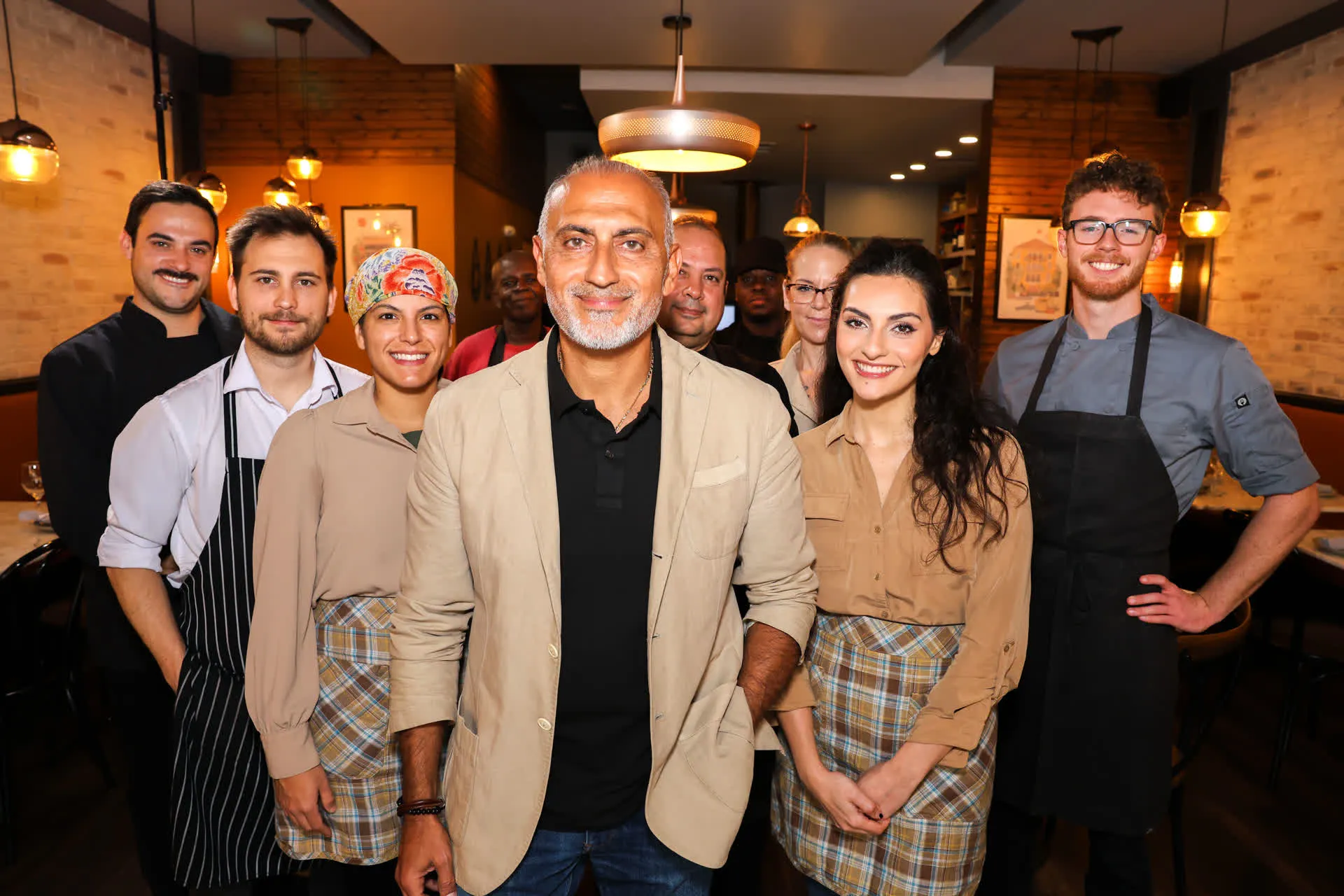
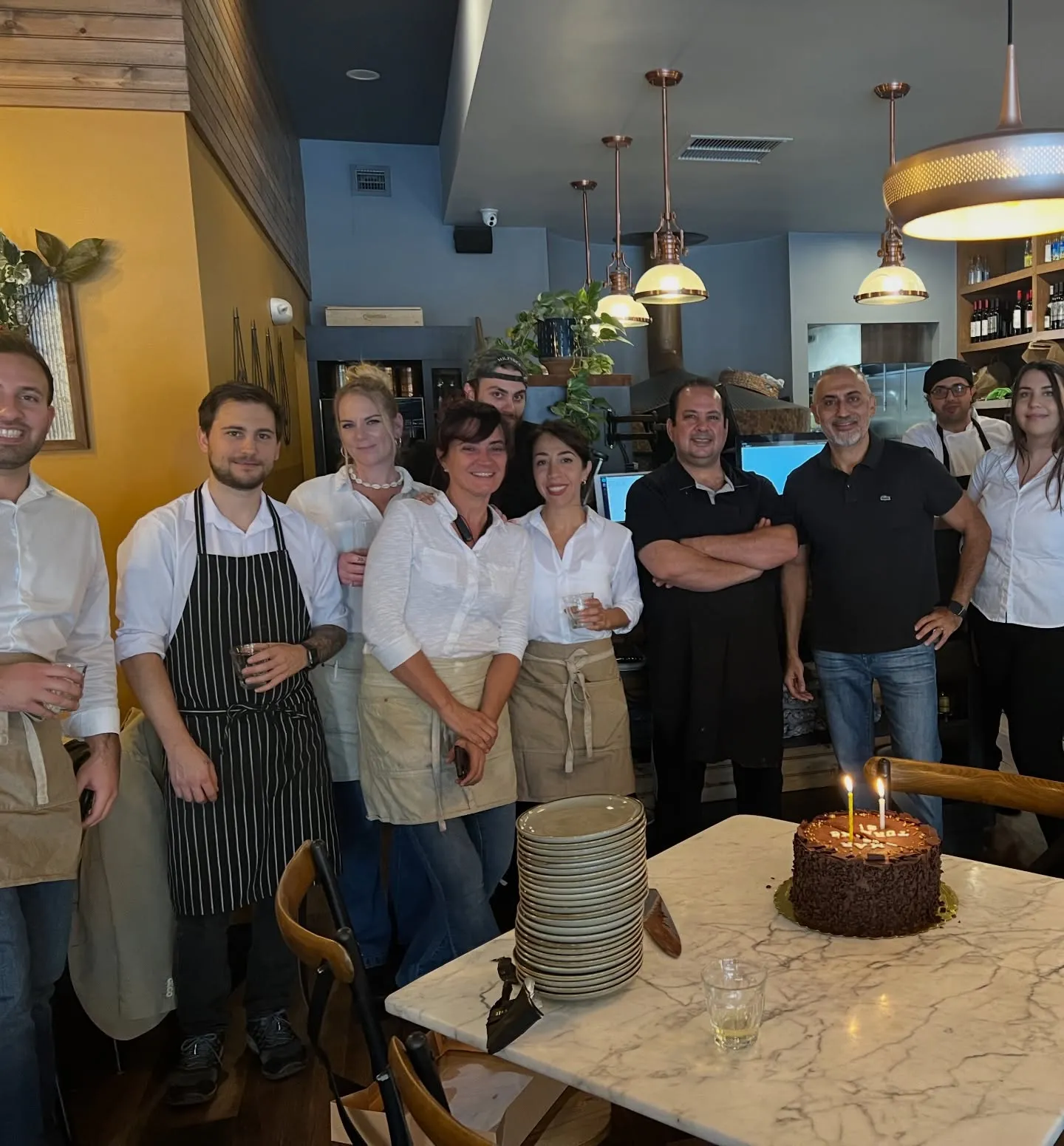
The amount of resources that you have as an executive makes it very very easy right now you come back and you start as an entrepreneur and Obviously you're still you know like right now. I kind of do everything so now I'm the accountant. I'm the marketer. I'm a social media expert. I'm the HR. I'm the babysitter. I do have a good team I have a probably around 50 to 60 employees between two restaurant I have an amazing management my daughter works for me my son of the works for me I have a lot of people have a great accountant, so I'm starting to build this infrastructure. I have a great marketing and PR company.
But at the end, I have to touch everything. There's, it's hard to kind of let go because there's a lot of small details that you have to be involved in. And at the same time, I'm not small, but I'm not that big. So there's, there's, so much I can hire. I wish I could hire a full time HR
So you have to do things till you grow. And hopefully after we have three or four or five restaurants, then you can afford to have in-house HR, in-house accounting, in-house social media, you know, a purchasing person who can do all your purchases so you don't have to do your purchase yourself, you know. So it has to take time to get there. But I enjoy it. Like, I mean, I enjoy it for a while. like, well, you know, I kind of was proud of myself.
I know how to do things. I delegate it so much during my corporate life that you get a bit spoiled even though you know how to do it. But like why should I do it? Let them do it. I pay them for it. Yeah, I mean like okay, so what? Let them do it. No, I do it now. Like I enjoy it and it's good to know that push comes to shove. You can do everything.
And only when you're cornered as an entrepreneur and you wake up one day and you feel like, am I gonna be able to do payroll tomorrow? Am I gonna be able to do this? My managers show up, so I have to show up even though I'm so tired and I don't wanna work tonight. So there's stuff that comes out of you as an entrepreneur that only an entrepreneur will know because you have no other person to depend on other than yourself and you just do it.
At some point have you felt that maybe I should go back to the corporate job and just quit all that headache and all that responsibility of managing the business?
Nicolas Kurban: I don't want to get into a lot of personal stuff. I mean, during this time, I lost my wife. So my wife was my partner and she helped me. was also IT, but she also was an amazing cook and you know, and we kind of partnered together. She's the one. So there are two ways. First, losing her was a big moment for me and everyone was like, okay, should I just, you know, that was a dream for both of us. Maybe I should continue going back. So that was a moment that was tested.
But there's also a lot of moments where even when I own my restaurant, I've been in this business for a long time and I get a lot of calls from corporate, from recruiters telling me, hey, this is a huge job and your name came up. It's like, I'm fine. And then I got back to bed and I used to tell my wife, this is a lot of money. Like, this is amazing. Like, I don't know if I want to give it up. like, she was like, slap me in a way, like in a nice way. It's like, no, that's it. We'll commit to it. We're doing our thing. You have to continue. So there's always temptation, right? During that time. Now I don't have the temptation.
I have a big restaurant. I have another small restaurant. I know I can grow. Like I'm happy. Like I don't know what kind of job unless someone calls me and offers me money that I can't refuse being CEO maybe of a half a billion dollar restaurant group maybe. If they buy me out at the same time maybe I'll do that too. But honestly yeah, it was fun but it was not enough for me. Like the guy who manages a huge corporation of restaurants and FNB to run a 1.5 million operation at 40 a seat. It was kind of fun, but it was boring at this point like you know, you can do it so much so Good question.
But yeah, no I mean you always get tempted because there's these people calling you and you go see these huge casinos in the Bahamas or Macau and you know, I made a lot of great friends to this date I probably know half the presidents and everyone who's in between all the way to Las Vegas. I know a lot of people know me and have been busy at times. So they call me from time to time and say, what are you up to? You want to consult? You want to do this? You know, I can do some consulting. Last summer, actually, it was slow. And a friend of mine who is the president of the Ocean Casino in Borgia called me and said, we're opening a couple of restaurants. Will you come and help us? I have a couple of daughters who live in the area. I said, why not? So it was kind of a consultation, seeing the family. It was fun. I went back and forth every two weeks. I took it.
Nice change, you know, because it was slow here, but I could not do it full time. You know, like it was, it was tempting, but I don't know. The more I work for people, the more I realize that I'm not, I'm not set up to, to, to, to work for anyone anymore.
From your decades of experience, what's one piece of career advice for every hospitality job seeker in the US?
Nicolas Kurban: I think you have to grow slowly. I know, I think there's a lot of. There's a lot of temptation for people, young people, to jump right away. So you'll be an assistant manager for two, three months working for, say, Thomas Keller, and someone will knock on your door and offer you a general manager. And most of them, they offer a general manager because you're working for Thomas Keller. They have no idea that you can't even, you're still not there. You're two years away from being a general manager. And some people will jump on it because, okay, you can go from $70,000 a year to $150,000.
But that's a huge mistake because you're not ready. You will fail as a general manager and you'll be fired and you will lose as a manager. You know, it's like a line cook. You know, gotta be a line cook before you become a sous chef.
You gotta be a sous chef before you become executive chef. Time will help you. The experience cannot be fast-track.
There's nothing wrong, I did it, to jump on opportunities when they're there. They're different, you know, and I did it. But you have to know you can do the job, you know. Just the title, eventually, you cannot BS your way around. You cannot lie to people. In order for you to be general manager of a $10 million restaurant, you need to know everything. You need to know how to lead, you need to know how to do P &L, you need to understand numbers, you have to know the beverage, you have to know how to deal with the customers and the dishwasher and the bartender takes a lot of qualifications.
Qualification only can be gathered while you are a system manager for two or three years and hopefully you're working for a general manager who's teaching you and mentoring you. The other piece of advice said be careful who your boss is.
Make sure that you're working for someone that he's teaching you. I worked for a lot of people for a lot of years and didn't learn anything from them. Other than that, I know they were my boss and I had to do what they're doing, but they had no... But luckily I also worked for a lot of people.
You know, work for people who will teach you, will mentor you. They tell you if you're making a mistake, they tell you how to get there.
And I think that's very valuable. The experience you get in your mid-20s to mid-30s is very important. And that could set you up to be very successful or not very successful.
And this is why today, I see people who were managers and now they're vice presidents and they're very successful. I see people who were managers and they're still general managers after 30, 40 years. They're still in the same position. Why? Because all they do is move around without learning anything and they become general managers. They never really get to direct operations to the vice president, because they're not really acquiring these skills and not investing in themselves or working for people who are really helping them learn. That's a big problem in this.

You went from 40 seats to 200 seats. Now you have two concepts. What are the future plans?
Nicolas Kurban: After opening the sandwich shop, I kind of realized that there's two ways we can grow. At this point, I'm open to opening more in different cities, but I think Florida today, I can open another four five in Florida alone without going anywhere else. Like Miami could be amazing. I actually just looked at the location in Fort Lauderdale a week ago.
You know, West Palm is amazing, Tampa is amazing. I mean, all these within an hour to two hours drive, I can open another Amar and a sandwich shop and grow my company from $6 million to $20, $25 million without going to Atlanta or going to DC or New York. Yeah, do I love being in New York? Of course. Do I want to be in Austin, Texas? Maybe, you know.
At this point in my career, I think maybe, unless I get someone to invest in private equity, heavy investment where money is not a problem, and you can really go grow quickly like many other restaurants did very fast, then maybe. But if I'm going to take it day by day today, I can see myself potentially opening one full Amar every two years and maybe a couple of sandwich shops every year. The sandwich shop is a very easy operation to grow.
And actually has more potential in my opinion than the restaurant because because people are looking for that you know, you know, this is what I do It's like, you know, it's like very fast fresh meat fresh chicken, you know hummus balls Salad balls rice balls you put the you put the falafel on top you put the chicken on top, know, you know easy to do You know in and out we do amazing lunch business delivery business catering business and imagine that having these in Miami or Fort Lauderdale under a building, it will explode. And it's self-checkout.
The labor part of it's also very beneficial. Where it takes 40 people, on a Saturday night when we do 400 covers at Amar, I have 30 people working at Amar. I mean, it's a lot of people to produce 400 covers right? Three bartenders, two hostesses, two managers, 10 servers, five bussers, three dishwashers, 10 line cooks. It adds up, right?
You go into a sandwich shop, I have two people in the kitchen, one person up front, and we're doing $1,000 an hour. It moves, it's just very smart business, and I think it has a lot, because to me today, the growth, other than the money, which is a problem, means, the funds. Your biggest problem with growth is labor, it's people, right? This is the biggest challenge, everywhere.
Check Our Career Growth Tools


Finding the right people, which they don't exist anymore, I guess. No one wants to work or work, now, or they want to get overpaid in many ways for no experience. Turnover is a problem. So, you know, that's the only thing. If you can find the right labor mix, you know, you cannot do, you know, we can't be robotic and AI cannot take over the restaurant, you know.
But you can definitely use a lot of technology in our business, more so in the fast food place, than the fine dining because again, you can have two, three people in the kitchen, they can do self-checkout, you can automate a lot of stuff that could make you a little bit more profitable and easier to invest. You know, I will need five to 6,000 square feet to open an Amar. I could open an Amar sandwich for 1,500 square feet. I will need three, four million dollars to open an Amar. I could probably open a sandwich shop with half a million dollars.
So you see the difference in this. But ideally I can do both if the location, you know, you can do a hybrid concept as well, which is, which is, you know, interesting. So yeah, if we can, I would love to open more, more, you know, Fort Lauderdale, West Palm, even Boca, you know, there's, there's a lot of growth. Tampa is amazing. There's lots happening in Tampa and St. Petersburg. So, you know, I'm always on the lookout for, for great opportunity or the new development, you know, Yeah, residential multifunction or a second generation restaurant that opened, went out of business, you go in, you spend a little money and then you turn it and make it your own space.
Find available Head Chef jobs in Miami, or check out more interviews like this brought to you by OysterLink so you can learn about the industry. You can also get them straight to your email by creating an OysterLink account and joining our newsletter.

Loading comments...