


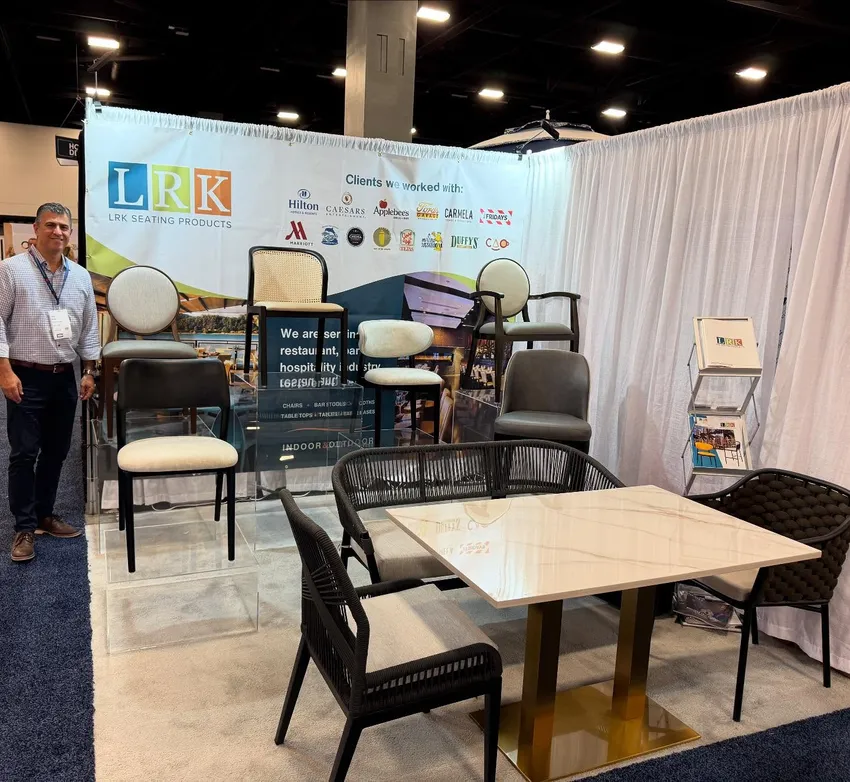

Chris Riccio draws on 30 years of hospitality experience to discuss the role of commercial-grade furniture. He emphasizes how strategic seating choices influence customer comfort, table turnover, and brand identity in restaurants.
Please introduce yourself and tell us a bit about your career path
Chris Riccio: My name's Chris Riccio, born and raised in Miami. I grew up, understanding and being involved in the restaurant business. Primarily due to my father, who was the first one to bring Kentucky Fried Chicken to Puerto Rico way back when. And, from there, he opened up, close to 13 restaurants. He brought Riccio's Casa Roma from San Juan, then he came to Florida and opened up Riccio's West, and I went to work with him at the pepper mill. I grew up in hospitality, learning how to serve tables, bus tables, anything that was required of me.
So, fast forward, we got out of that industry, and my father opened up a manufacturing, a furniture manufacturing facility here in Hialeah, Florida called King Arthur Chair Company, and I loved it. So while I was studying, I decided to go work for my father again. I took other little jobs here and there, but I really enjoyed that segment of the industry, and we grew from there, and we opened up Allied Hotel and Restaurant Furniture.
Since my dad's passing, in 2013, I continued on, but then recently, I joined up with LRK Seating, and that's where I'm now, with a great family operating facility that truly understands a great product, great service, but more importantly, we're really centered around that customer-building relationship. We don't just sell furniture, we are building relationships for the future, and that's why I'm excited. So, I've been in the industry close to 30 years, and I'm at a place where I just want our industry to understand the insignificance of customer relationships, along with all the technology that's taking place.
What an interesting journey. By the way, we usually interview chefs or restaurant owners, so this is really interesting to have you today, like, from the other side of the industry, if it's the right way to call it.
They say AI can recommend the best restaurant for you, but of course, it cannot make someone feel welcome when they walk in. So my question is, can furniture make you feel welcome?
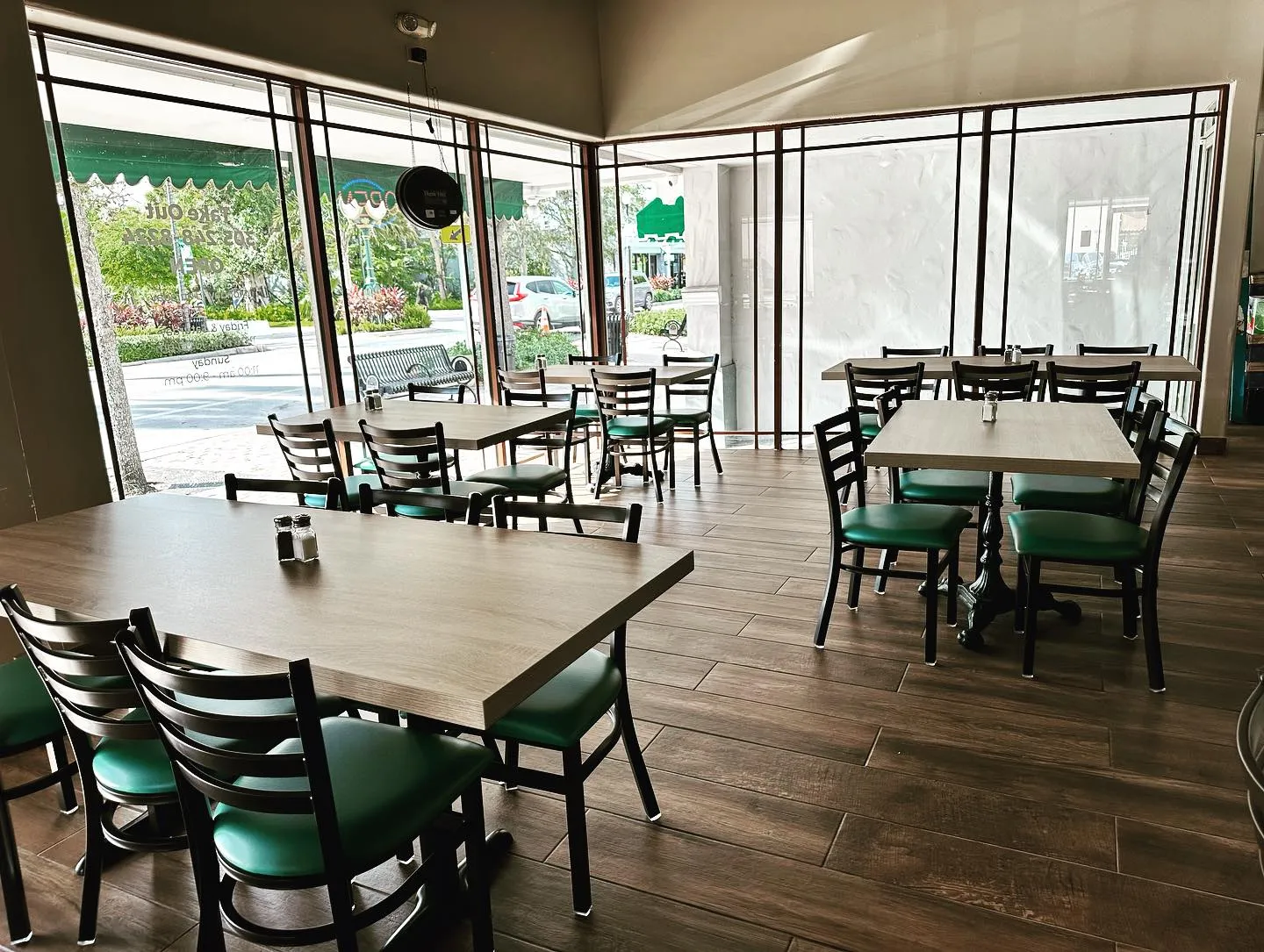
Chris Riccio: Absolutely, absolutely, and that's when our designers and our procurement companies really come into play. And yes, this side of the industry, where we are about customer relationships, and when we decide to go into a project, we like to really get the feel of, first, the client, and their perspective, and then their vision. And once we understand their vision, we partner with procurement companies and designers. We can create the feel, that's very inviting for that, you know, particular restaurant or hotel.
Can furniture layout alone improve the table turnover rate?
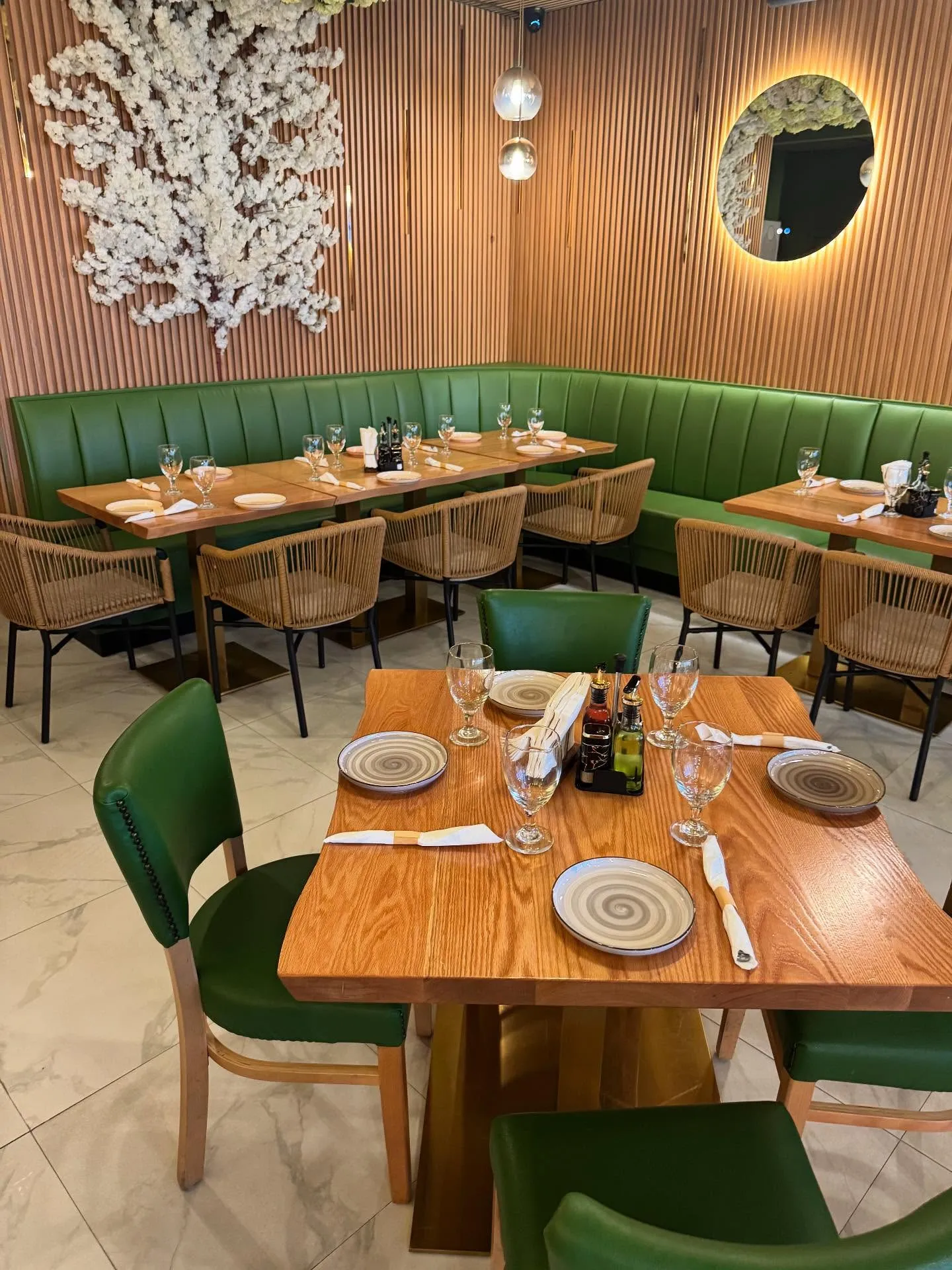
Chris Riccio: Absolutely. Absolutely. So, if the restaurant is set up in such a way where it is designed to improve turnover rate, then it will be successful in that aspect. If it's not, if you're putting in the wrong type of seating, where, let's say you're more fast casual, you want quick turnover, but you're putting in real plush seating that people are going to spend a lot of time there, you're defeating, you're battling at that point. So, that is very important, is to understand the concept, you know, are we looking at fast casual? Is it more formal dining? And then we cater to those specific pieces of furniture.
When restaurateurs reach out to you, do they already know what they need? What is the right option for them?
Chris Riccio: Well, you know, Matt, it's a combination of both. You know, we get calls from prospective restauranteurs, and they have something in place in their mind, they have an idea, and we work alongside their designer, and we will give them exactly what they want, basically. Many times, they have a vision, they have something on paper, or they have something that they want to recreate, and we have to kind of figure out, you know, what it's all about, and put it together. And it requires a lot more personal touch. And that's where AI and the personal service separate a little bit, right? AI can't feel that. AI can't get into the minds of the purchaser or the restaurateur. So that's where this part of the industry is so vital, so important.
Does the color of seating actually affect how long people stay? Or is that just too overthinking about it?
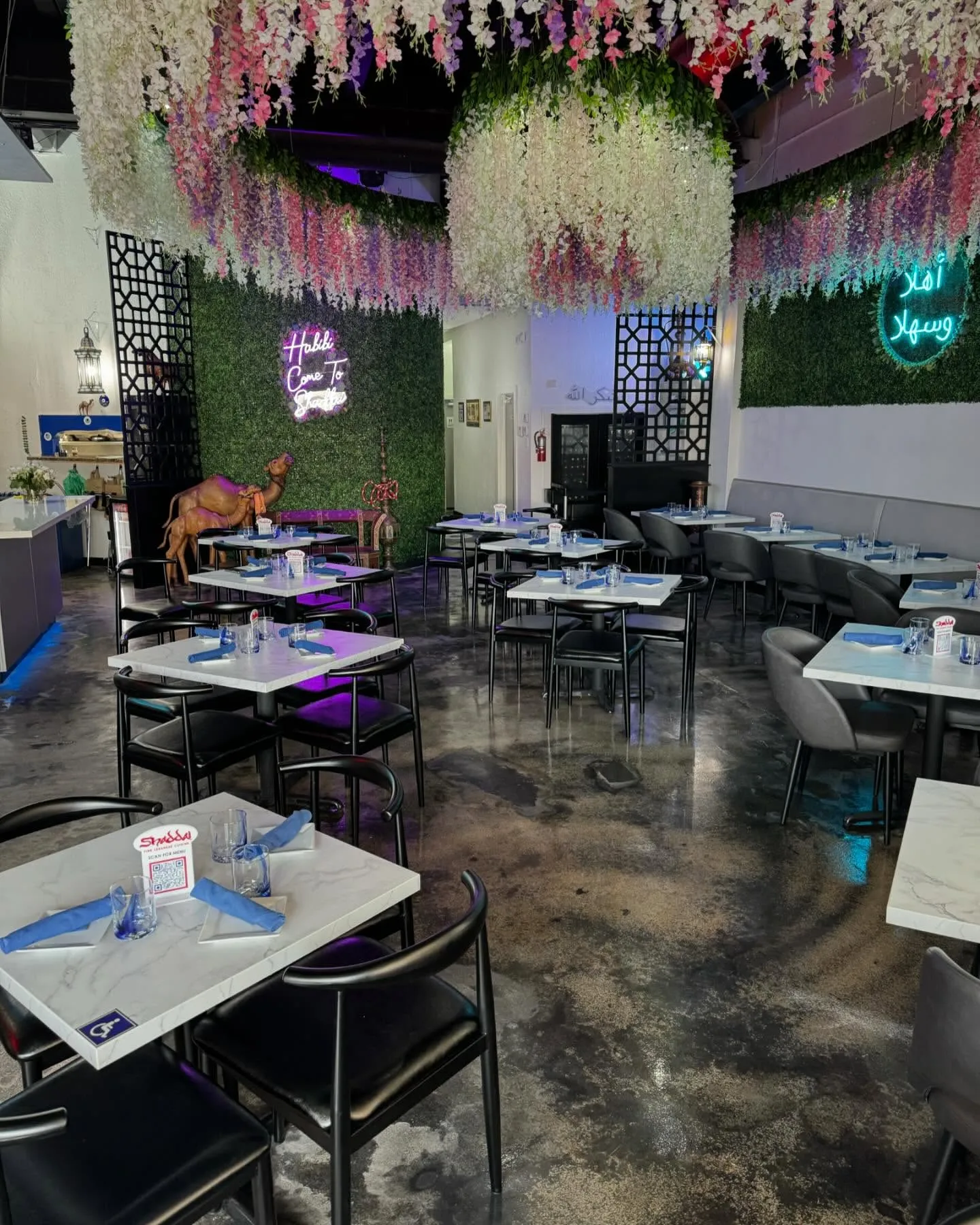
Chris Riccio: No, I mean, listen, I just was at a restaurant, and I walked in, and we didn't furnish it, but it was beautiful, but there must have been 4 or 5 primary colors just scattered in the place, and when I first walked in. I was like, oh boy, you know? But it worked. It worked for the concept, and it did a great job. Sometimes, if you, you know, obviously overstep the color palette, and it looks a little bit too, you know, crazy, it could disturb the patron somewhat, and not feel welcomed or warm.
So, talking about mistakes, what is the most common mistake you see hospitality businesses make when choosing seating, for example, for their restaurants or their spaces? I think the most common mistake is that sometimes they rush about the process, or they wait too long to purchase their furniture, so they can't really spend the time that they really intended. So they waited until the last minute, and then all of a sudden, they're trying to do too much with too little time, and they need to get open. And I think that's a huge area of concern for a lot of restaurateurs, that they better prepare themselves, because they're doing so many other things, in all fairness.
They're very busy trying to get set up, they got the kitchen equipment, they have permits and all kinds of things. So, a lot of times they'll wait for the last minute, and want their vision, but we can't accomplish it that fast. So that's a common error. Another error I'd see is where, believe it or not, where too much money is spent in the wrong areas. And a lot of times, that cripples the restaurateur as they start their process.
When you say money spent in the wrong areas, what do you mean by that?
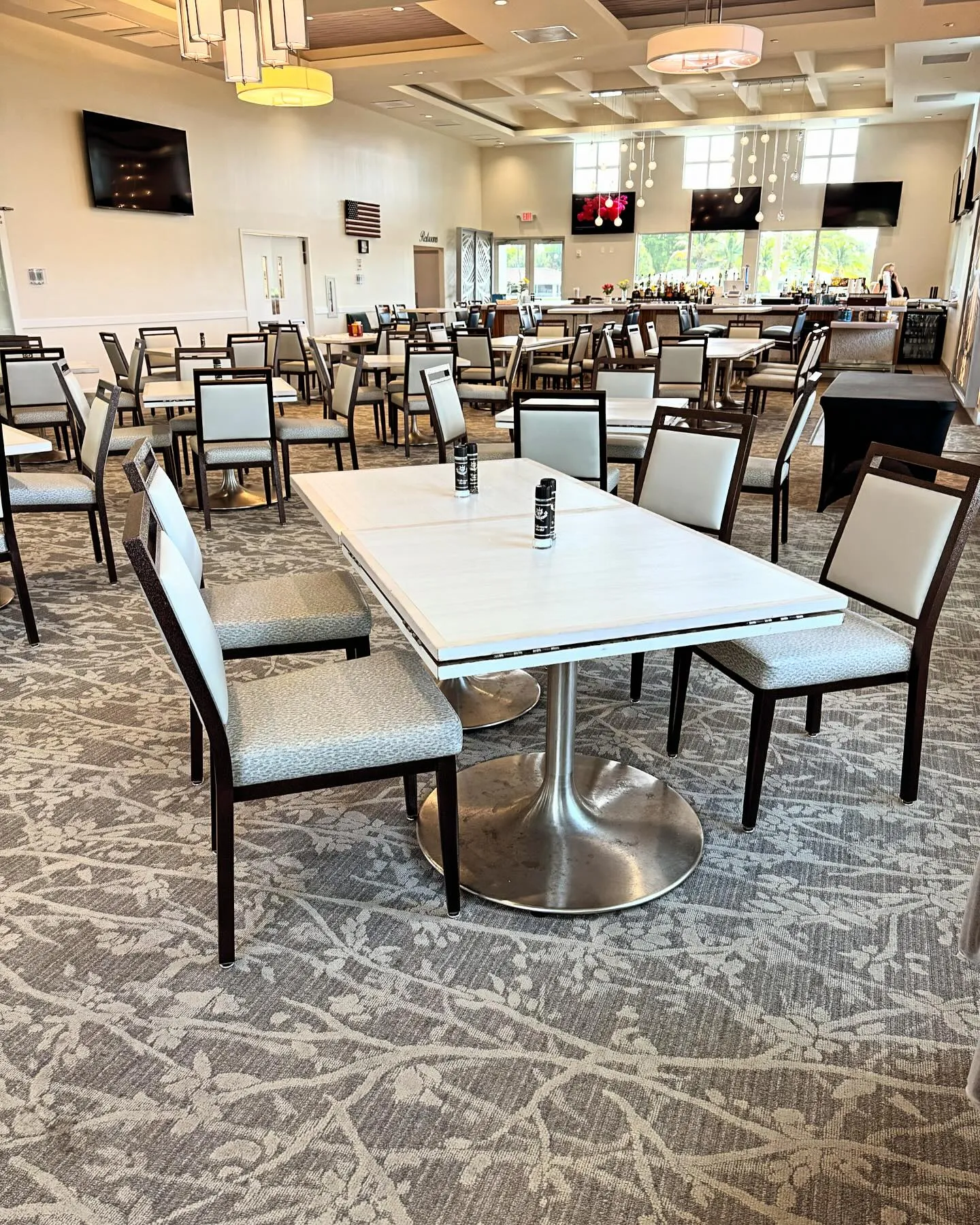
Chris Riccio: Not necessarily the suppliers, so to speak, but sometimes they're putting so much emphasis on something that they want done in the restaurant. We recently did a job where the client was envisioning these really beautiful walls, and the vision was beautiful, but she spent close to $50,000 doing the walls, and then she left herself short for other areas, and so those are the kinds of things where you need a good designer, a good operator to come in and say, okay, let's see how we can accomplish that look, with less money, and let's focus over here, and let's put this whole thing together properly so you're not suffering.
Check Our Career Growth Tools


If someone is running a restaurant or a hotel is looking for a furniture supplier, what are the three things they should evaluate before signing any contract or making any decision?
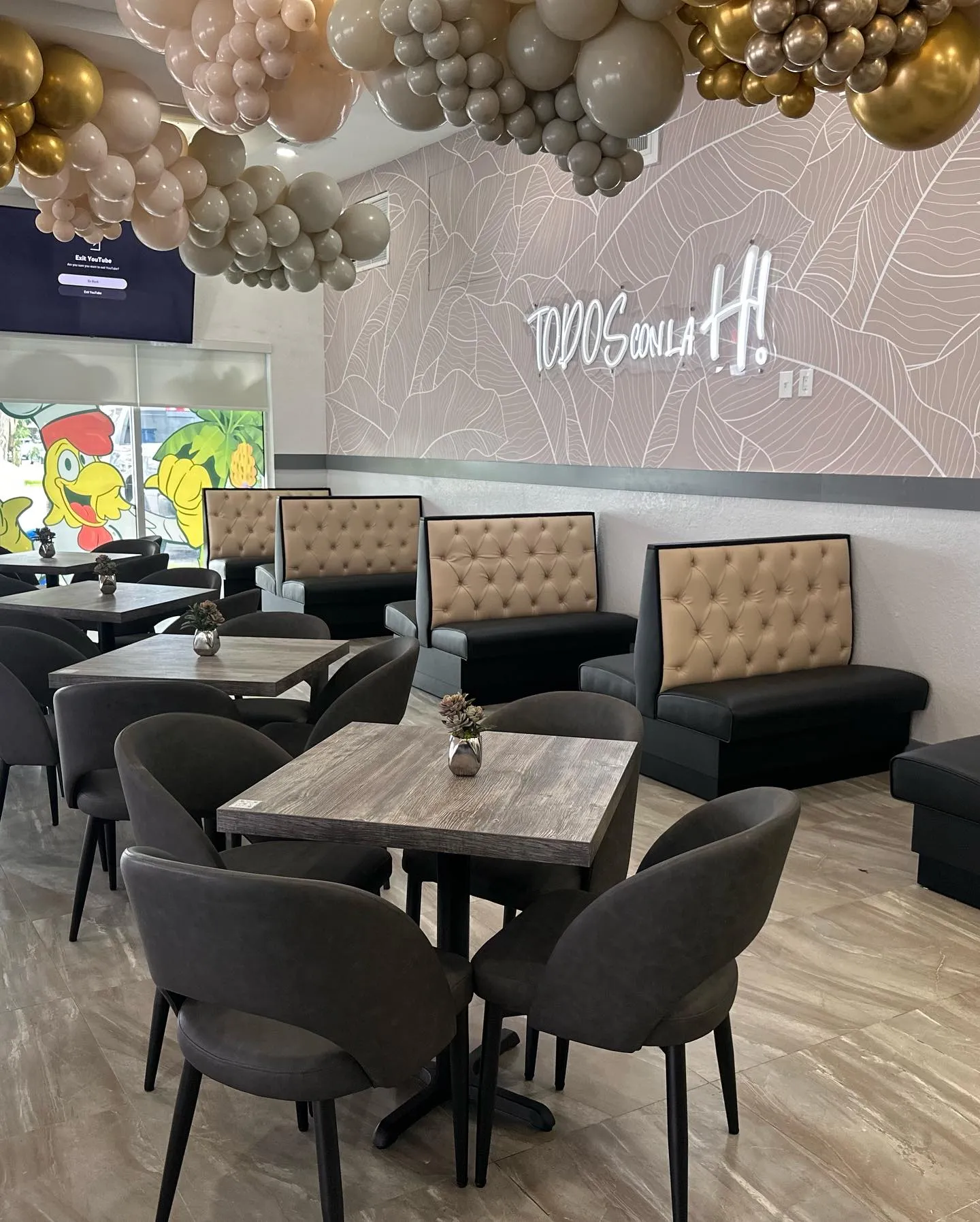
Chris Riccio: Absolutely, great question. Before they make that decision, I would have them do a search, understand how long that company's been in business. I would probably go see their facility, if they have one, and that's a big point. You know, it's nice to know that you can still go to a brick and mortar supply house and see products, meet the people that are there, and get a feel for that. Also, I would definitely check out reviews on the clients, and I'd make some phone calls. I would actually call some other people that have dealt with the supplier, and ask about their experience, who they dealt with. But those are the three things I would recommend for someone. Selecting a supplier, just to really do your homework, because it's easy to point and click and order something, and a lot of times that's fine. When you talk about, you know, really getting what you need and so forth, you gotta make sure you're with the right supplier.
What would you recommend would be the good after-sale service that people should be looking for?
Chris Riccio: Absolutely, great question. So, a lot of times, what I do is I love to follow up, I'll go out there and visit, see if they have any questions on-site. You know, it's one thing, you can still make a phone call, obviously, we have a lot of clients that we can't just get in the car and go to, but for my local market.
Upon completion of the sale, we do a follow-up, we like to take pictures together, we like to, maybe post them on social media, things like this. And also, one of the best things is to go visit their restaurant as a customer. You know, bring your friends and family, you know, and share the experience, and help them grow their business.
What is the one thing that a restaurateur could do tomorrow without a massive budget to make their spaces feel more human?
Chris Riccio: The one thing they can do as far as in terms of buying their seating package, or what do you say? Buying the receiving package? Yeah, I think one of the good things is, you know, get a feel for their client base. You know, see what they currently have, if they have existing furniture, you know, kind of find out what the response is currently with their clientele. You can kind of get a feel. Then I would definitely go to your local supplier and share with them and say, hey, you know, this is what we're seeing in our restaurant, this is our existing furniture.
We find it to be a little uncomfortable if they're sitting there longer than 30 minutes. We're also looking to achieve a look that's gonna match. Who we are, you know? And that's very important, because some people will see a beautiful sign, they'll, you know, hey, these are great steaks, and then they walk in, and it doesn't match who they are. So, for that restauranteur to go out, step out, call one of us. Or a designer, and just say, hey, look, I'm really needing to try to bring this closer together so my clients feel that our products match our seating, our seating matches our look, and everything flows together.
What are the biggest shifts you're seeing right now in hospitality furniture trends?
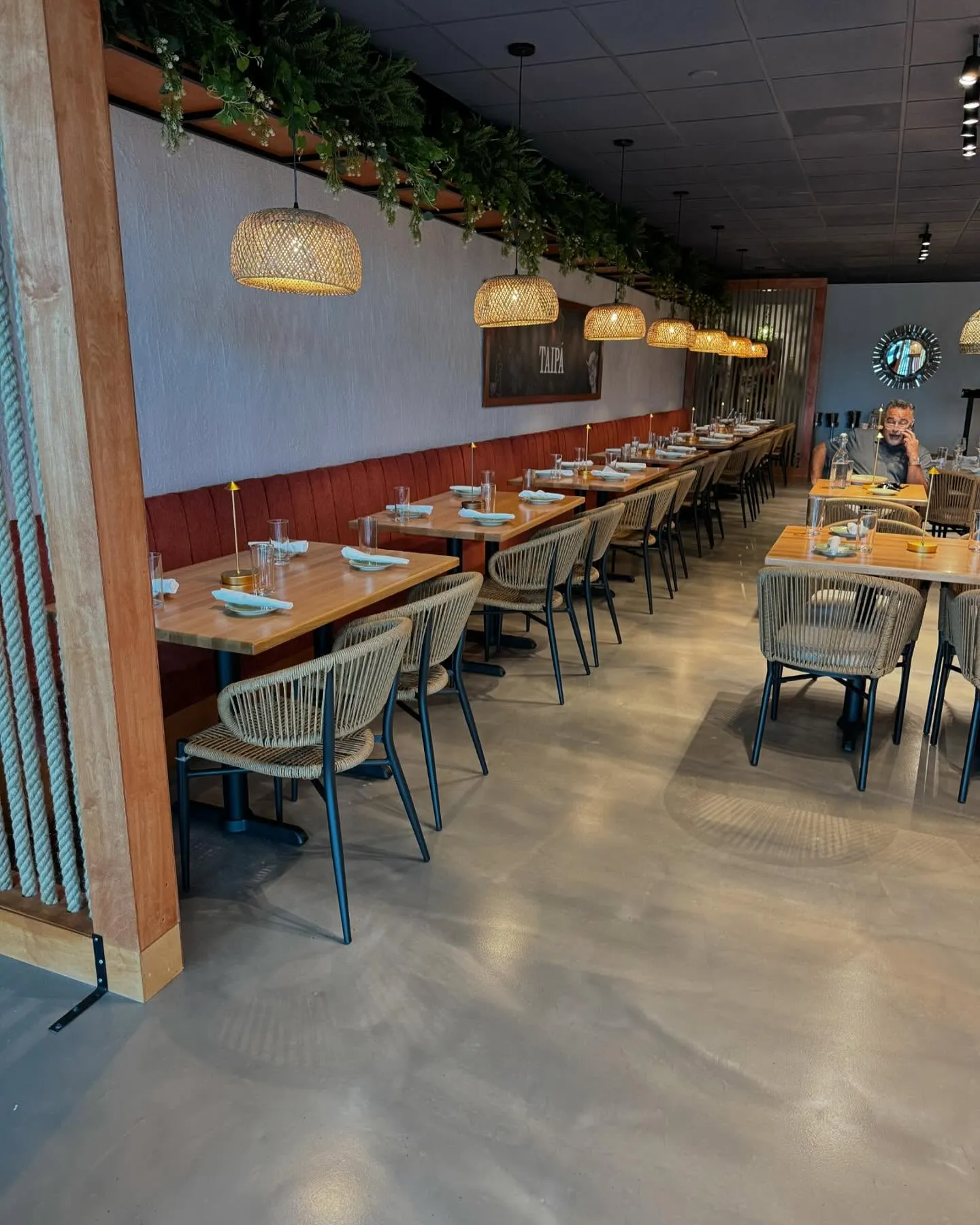
Chris Riccio: In hospitality furniture trends, we're seeing a lot more requests, maybe not so many requests, but we're seeing a shift in where spaces in hotels and even restaurants are becoming living experiences, if you will. So, many customers are looking to go to places where they can just relax, feel good, and that furniture better matches that vibe. I mean, it really… because otherwise, you're going to miss the mark.
And so, a lot of times, in hotels, you know, they have outdoor seating that plays a significant role. Sometimes they have balconies. You know, we're in a project now where we have 10 balconies that we're redesigning for a designer, with a designer. And each balcony has to have its own unique feel. And so it's very important that… that we see that those spaces are filled properly. So we see a shift in more customized looks. In these spaces, whereas before, it was just filling it up, you know, let's match every room looking the same, and it did okay then, but now we're seeing more customized looks for spaces.
What is the most underrated piece of furniture in the restaurant?
Chris Riccio: The most underrated piece of furniture is the table base. That part better be strong, right? Be very supportive. In many cases, you don't need to spend a lot of money on the base, but when you have a good commercial base, it makes a world of difference. The next thing I would say would be a commercial chair. As a whole, a commercial piece of furniture is very important, where we see a lot of people putting in residential items in a contract facility, a commercial facility. And that's a danger waiting to happen, really.
Can cheap furniture ever look expensive, or not?
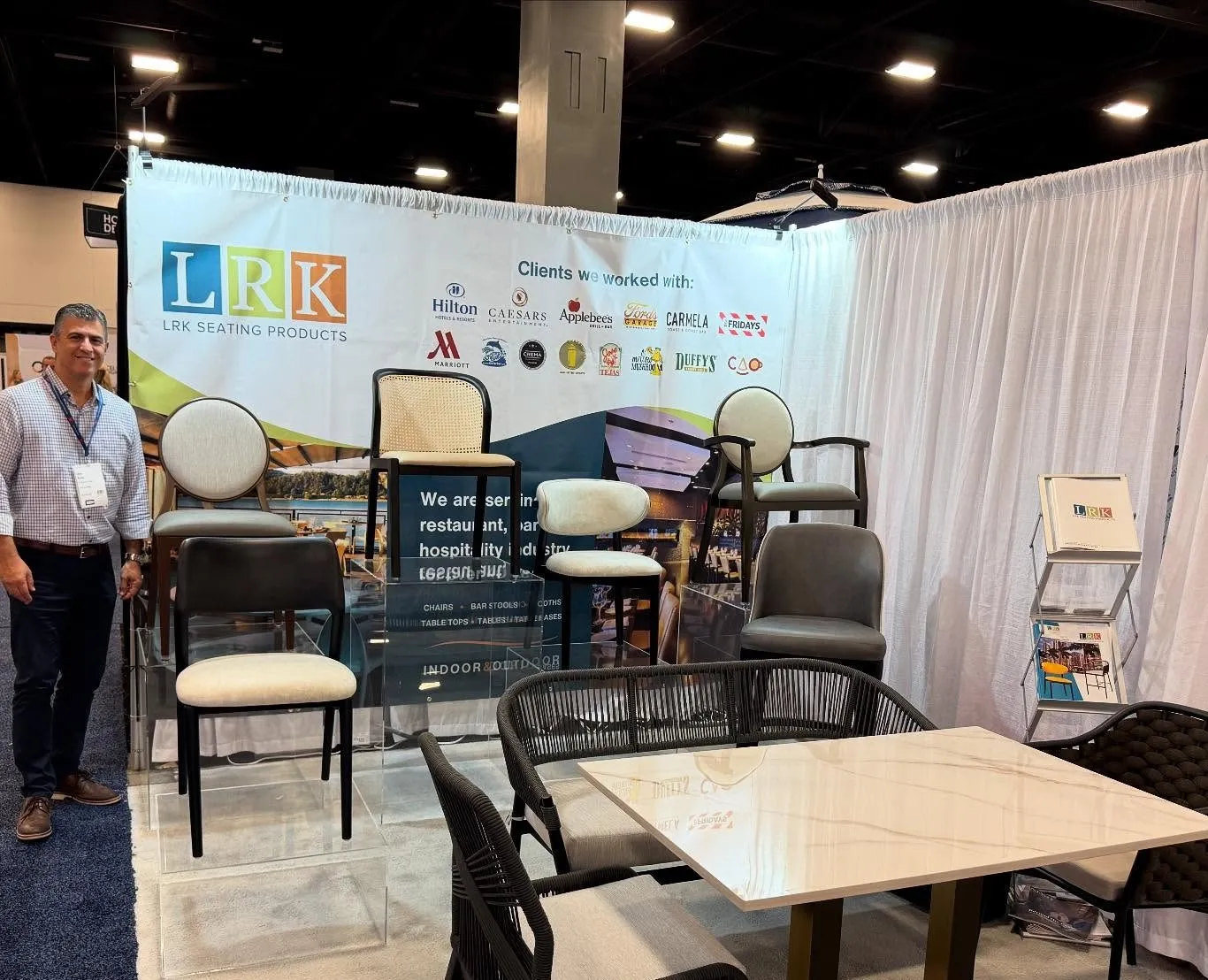
Chris Riccio: I think it can. I mean, we have some really nice products. They're commercial products, they're inexpensive, we hate to use the word cheap. So we have some really nice, budget-friendly furniture that, you know, you can put a beautiful upholstered seat on there. We have a clear coat finish that really is a little bit more industrial and brilliant, so it's gonna bring some feel to your restaurant, and you're not breaking the bank. So yes, there's still a lot of affordable furniture on the market.
What fabric should every restaurant avoid?
Chris Riccio: What fabric? Non-commercial, obviously. If you get something that's not gonna hold up or withstand the elements, you gotta look for a very strong, rub content. So, in many cases, you have 250,000 rubs, 500,000, you want to look for the best rub margin so that you don't have an issue.
What is the biggest waste of money in hospitality furniture?
Chris Riccio: Wow. The biggest waste of money. Yeah. I can't say there's a waste of money. I think if you purchase right. I think all your seating is important, so I don't know if there's really a waste, unless there's something that you're just trying to throw in there, and you want some real expensive-looking pieces that just don't fit, but I can't see. If it's a good commercial product, whether it be a chair, a table, a bar stool, a banquette, a booth, as long as it's, you know, done right, made right, upholstered right, you're fine, yeah.
Check out more interviews like this brought to you by OysterLink to learn about the industry. You can get them straight to your email by creating an OysterLink account and joining our newsletter.

Loading comments...