


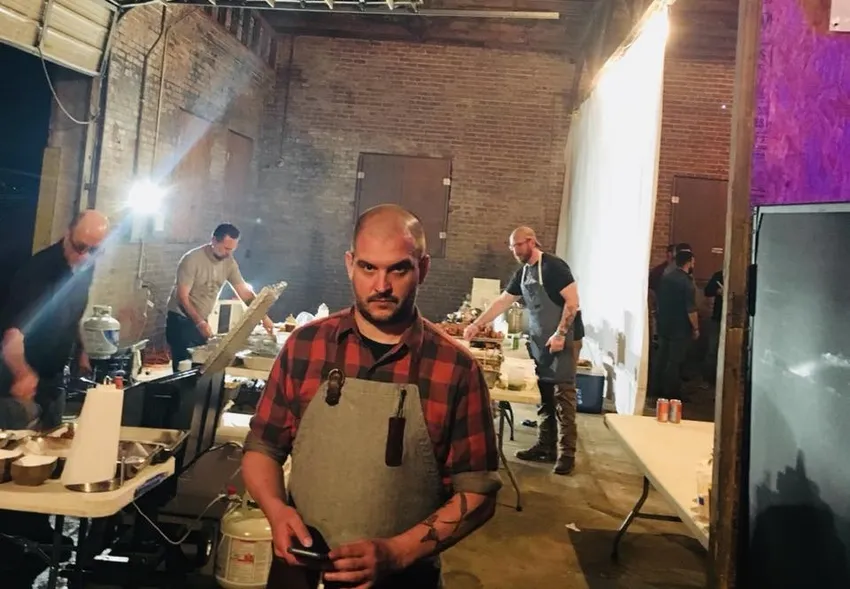

Chef Ryan Lachaine explores the differences between owning a restaurant and working at one. He reflects on the decade-long journey of owning his restaurant, Riel, and the relief of moving back to a corporate-supported role.
Please introduce yourself and tell us a bit about your career path
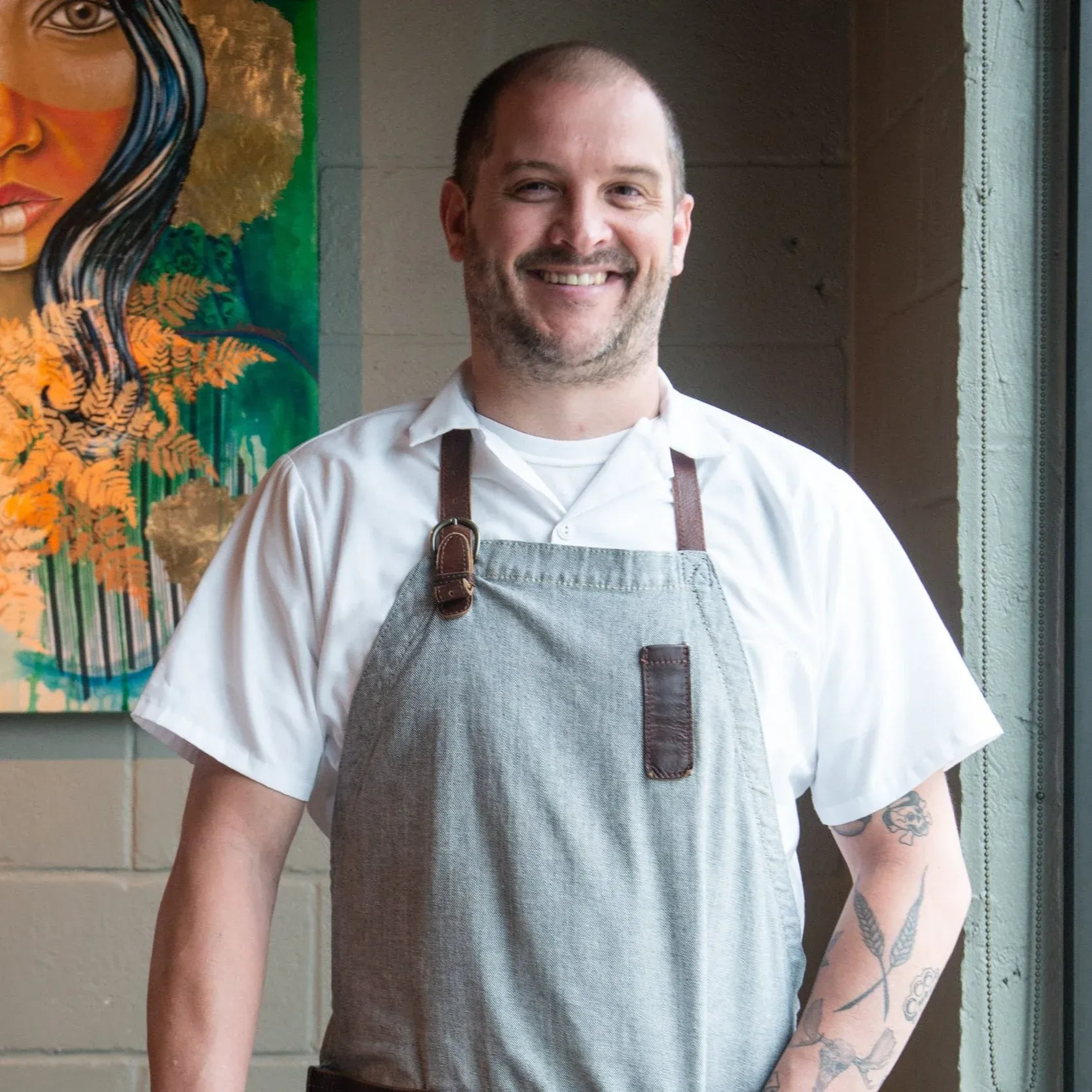
Ryan Lachaine: My name's Ryan Lachaine, I'm a chef in Houston, Texas. I've been cooking here for maybe about 15 years or so. I'm currently the executive chef at a restaurant called State of Grace. I'm originally from Canada. I moved down here about 20-some-odd years ago to Houston. Went to culinary school here and, and took it from there. So, you know, I started off maybe a little bit later, in life. I was just right before I was 30, I kind of went to culinary school.
So I kind of had to fast-forward things a little bit. I've cooked at a restaurant here called Gravitas, it's no longer around. I cooked for Bryan Caswell, who's a fairly well-known guy, for actually cooking for him twice, once as a line cook, once as a chef de cuisine. I was the opening sous chef at a place here called Underbelly for Chris Shepherd. For 2-3 years, and recently, I had my own restaurant called Riel. It was open for 10 years, recently closed last year in August, and now I'm the executive at State of Grace.
How did owning a restaurant teach you about the industry that working in one never could?
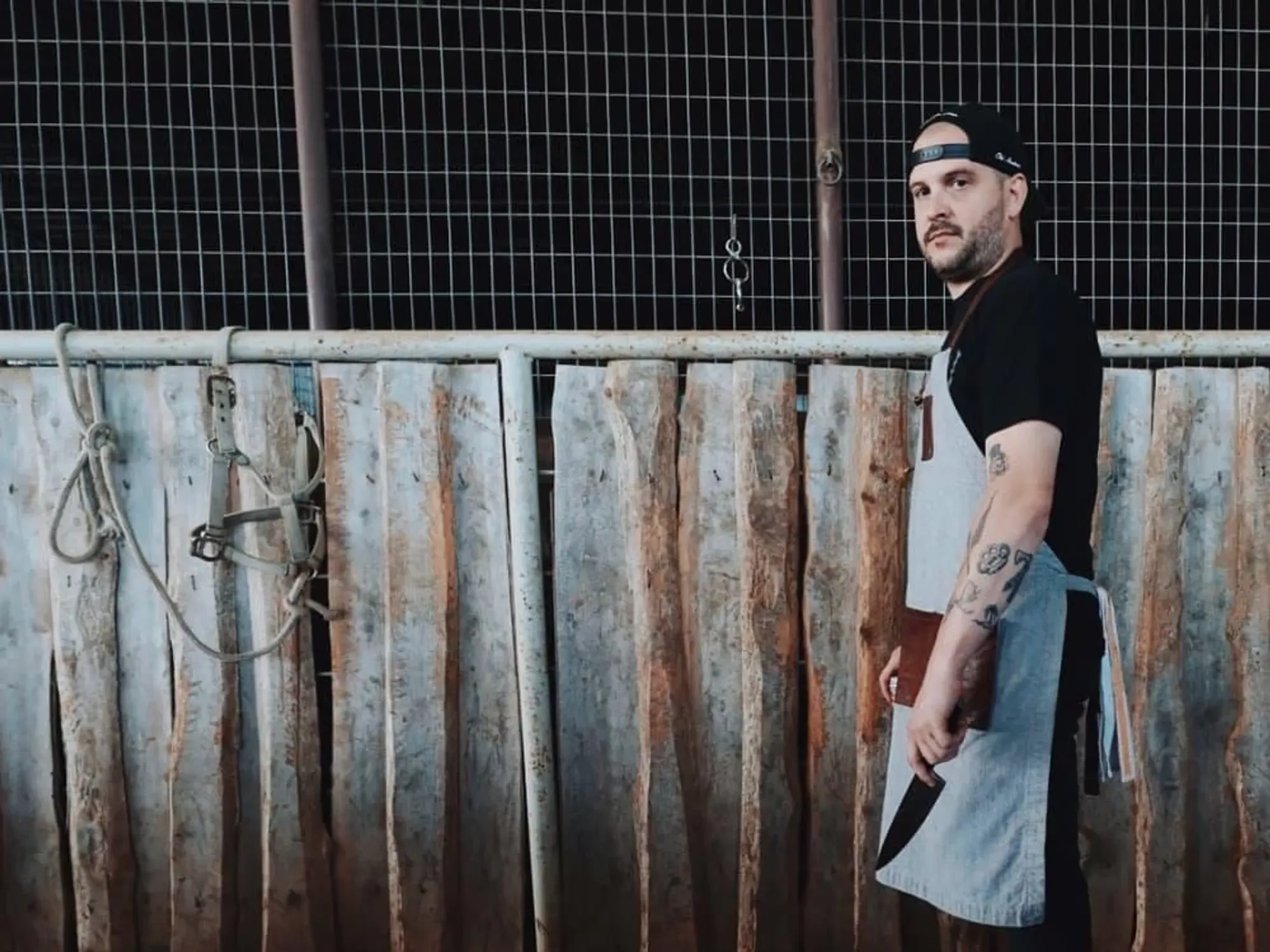
Ryan Lachaine: I'm an older dude, so, you know, after working for several guys in town here, you know, I figured that it was probably the next step was to open my own spot. So, you know, I was lucky enough to find a decent place and, and open it up. It was, you know, we had a good run, 10 years, but, you know, it was obviously a difficult one.
We were open for 6 months, we got hit by Harvey, a terrible hurricane here that, you know, that's never good for business. You know, we had a couple winter freezes down here in Houston, things don't work out, you know, and obviously the, you know, we went through the pandemic as well. Here, so, that, you know, obviously changed, you know, changed the landscape for everybody, so it wasn't the easiest 10 years, but it was, it was a good run.
How did you decide it was time to move on? I mean, from owning a restaurant to moving on, that's not an easy decision.
Ryan Lachaine: You know, I was in a situation, my lease was running out on at Riel, and, you know, you kind of have to make a decision after a while, like, do I want to keep doing this and rolling the dice here, you know, and having to do everything on my own with, you know, minimal support?
Being able to go work for somebody else, that where there's a lot of support there, and if I need something, you know, it's there. I'm not… I'm not the only guy that has to take care of everything. So there's, you know, it's a… it's a business decision you have to make, and it's also kind of a… a light decision do I have to make. You know, I don't want to keep killing myself and doing this, and being the executive chef, and the IT guy, and the social media guy, and the plumber, and the electrician, and all that kind of stuff, you know what I'm saying?
You mentioned you joined this industry later; weren't you from this industry from the beginning? Did you go to culinary school?
Ryan Lachaine: No. So, like I said, I'm originally from Canada, I'm from Winnipeg, Manitoba, so right above North Dakota. My ex-wife is a Houstonian. I used to play hockey and coach hockey, and when I finished doing that, I moved down to the U.S. And, I was kind of lost a little bit, trying to figure out what I, what I, you know, what I could do, because I've been, you know, I've just been sitting in a hockey rink since I've been, you know, 3-4 years old. I went to business school, and couldn't stand it. I did what probably everyone says I shouldn't do, just because I enjoyed cooking and that kind of stuff. I went to culinary school, and, you know, thank God it kind of worked out.
Check Our Career Growth Tools


What is the hardest thing about leading a kitchen as an executive chef, compared to what is the hardest thing as being a restaurant owner?
Ryan Lachaine: Well, you know, restaurant owner, you're dealing with, paying bills and, and, and leases and, you know. Like, like, all that kind of the business side of it, right? I don't claim to be a great, great, best business guy ever, but, you know, you have to deal with that kind of stuff. Excuse me. You know, being an executive chef, I feel now you just you have to be a good leader, and you have to, you know to figure out ways to motivate your staff, and keep them happy, and get the, you know, at the end of the day, get the product that you want, you know, out on the table for the customers and that kind of stuff, so it's kind of apples and oranges. You know, the business side of it, you're sitting on your computer, you're on the phone, that, and the executive chef side of it, which I'm way more comfortable with
I always feel, you know, being a good leader and producing good cooks, right? Like, I feel I owe it to some of these kids and, you know, young men and women that work for me, that if they're gonna come here and they're gonna work their ass off, like, I at least owe them, you know, something. I can teach them something, so they'll be better, so they can have the same opportunity that I've had. You know, if they want to move on and open their own place, that if they need, you know, some help or something, that I can kind of give them the playbook that I had, you know, I can, like, they can learn from mistakes that I made.
A lot of chefs these days somehow underestimate the importance of business management when it comes to running their own restaurant.
Ryan Lachaine: Yeah, you know, 100%, like, you know, I always I'll tell people, like, you know, if they're younger guys, or someone's like you need good operators, you know what I'm saying? You know, you need someone to take care of that. If you're trying to produce, you know, a certain level of food and experience at a restaurant, it helps out if there's someone, you know. Dealing with the business side of it, so you can focus on your team and the product you're producing there. It's tough having to do everything.
You know, and then switch gears at, you know, 4 o'clock or 3.30 or whenever, when your restaurant's about to open at 5, to get that stuff done, right? And that, I think, kind of goes full circle to having, having to teach and coach and maybe mentor your staff to take a little bit of that weight off you that you can, you know, I was very fortunate when I had, you know, Riel, that I had some really, really good sous chefs with me, and I, you know, I put in a lot of work with them.
But, you know, that eased a lot of the pressure off me that I knew that if I wasn't there to have to take care of that stuff, that the restaurant was in good hands. You know, because at the end of the day, you have to produce good food, right? Like, no one sees that side of it when you're, you're, you're, you know, you're figuring out your taxes, or you're doing, you know, things like that. You're, you know, you're the TABC down here, stuff like that. No one sees that. All they see is the food that's produced, so having a good staff, I think, is important and takes a little bit of the pressure off, you know, a business owner having to deal with that, the business side of it.
If you had the opportunity to open a restaurant again, will you ever go through that, or just you're done with opening a restaurant?
Ryan Lachaine: That's a tough one, you know. Obviously, if the situation was ideal. If I had the operators behind me, that can manage the things, you know, like managing the money and managing all that kind of stuff, and I could focus now just on food and that kind of stuff, you know. Would I do it, you know, maybe, I don't know, like, the situation I'm in now at State of Grace with Rocket Farm and that, you know.
Having that company behind me is nice, right? It gives me the opportunity to do a lot of things I couldn't do before, because I have a lot of support from people, right? I don't have to worry about my PR, like, doing that, or my Instagram. It takes doing that stuff; it's a full-time job, like, that takes a lot of time to, like, you know obviously, they set me up with you, like, I wasn't out there pounding the pavement, trying to, you know, trying to do something, so that helps a lot, and that security, you know, in my opinion, I sleep a lot better at night having that, that security and those folks behind me.
And you can probably even focus more on what you're doing in the kitchen
Ryan Lachaine: Absolutely, yeah, you know, absolutely, you know, if something breaks at State of Grace, you know, there's someone that I can call that will help me out, like, I'm not having to deal with that, or if you know, we get hurricanes or bad weather down here sometimes, where things get a little dicey, like, that's not, you know, I don't have I'm not sweating it as bad as I was, you know, being a small business owner.
What do you look for in a line cook that your resume cannot show?
Ryan Lachaine: We bring people in, I obviously, if there's, you know, we'll have people on stage for an hour, come in and cook; you just look at them, like, you can see. I can see by now how people work in a kitchen, how they kind of move, and that, and usually, if someone's in staging for a job, I'll put them with one of my better cooks that I trust that, like, you know, and I'll ask, like, you can see, like, it's in my opinion, and I've said this before, cooking's easy, right? For me, it's easy. I can teach you how to cook.
I can't teach you how to be a team player, I can't teach you to work well with others. So that's the main focus for me, is like, man, can this… can this person come in here, and can they fit in? Because it's a tight little weird community. I don't care how big your kitchen is, you know, you're stuck back there with all these people, 8, 9, 10 hours a day. If you can't get along, or if you're a cancer back there, you know, cancer spreads real quick, like, I don't want you there. If I see potential in you, I'll hire you, and I'll teach you how we do things here. Now, what you do with that is up to you. Right? But if I think that you can fit in this kitchen, and you'll be, and you'll be, you know, you'll mesh well with everybody, I'll bring you on, no problem.

What is the biggest mistake that restaurant owners make in hiring?
Ryan Lachaine: It's looking at a resume, right? It's just, like you know, I've come across a lot of guys that have worked, you know, at Michelin Star Place all over the world and that. And you get them in there, and they're just clowns. You know, it looks good on paper, but, you know, they may have $10,000 worth of knives and staged at Noma, or, you know, worked for some super famous guys, but they just can't get along with anyone, and they can't do and in my opinion, I don't care how good you are.
If you're gonna make my life harder at my already hard job, I don't want you in there, and I think that's a problem. People look at some of these men and women coming in, and they look at their accolades first. Instead of looking at them kind of as human beings, and what's gonna happen, you know, with here, because, like, that 4, 5, 6 hours of service is intense, and if you can't figure it out, you can't get along, you can't be a team guy, then, you know, you're no good to me, anyways.
This is probably happening a lot in this industry due to people trying to climb the ladder so fast.
Ryan Lachaine: Everyone wants to be the sous chef till it's time to be the sous chef, right? You know, everyone wants to do this and do all this other shit until, like, you have to work 10 hours. You know, you have to come on your day off because two guys called in sick, and, you know, or, you know, someone got something wrong with them. You know, everyone, like, you're the you're the person, and it just kind of hard, and in your executive chef, whatever, it's just a different kind of hard. You know, but you get to a certain level, and this is show business, baby, like, this is what we do now. And I don't think some people think that. They think that once you become a sous chef, you're walking around with a frickin' clipboard and a laptop, and not doing anything.
I think it's not for everybody. I've seen it numerous times, where you hit that point where you gotta make a decision here, man, where you're gonna live this, it's a lifestyle, or you're… you're not, you know? People think that you go to, like, there's some kind of secret, you know, thing or that. No, man, it's just hard work, like, I’ve seen a lot of people that maybe aren't as talented as some of these people that just don't work for them, and they're way more successful than these guys that have, you know, been all over the place.

It ain't TikTok, it ain't the Food Network, it ain't all that. It's not all that stuff. It's a frickin' grind. And I'm like, man, I love it.
Right? You know, and I know other guys like that, it's hard and that, we complain, but man, like, I love this stuff, and I like the lifestyle, I like working at night, I like all that stuff.
What are the red flags that you look for in a potential candidate during an interview?
Ryan Lachaine: Like, some of these cooks come in kind of cocky, or they start, like, interviewing me. And that kind of stuff, like, I don't really owe you anything. Right? Like, you know, if you want, you can go somewhere else. And if I don't get a good feeling like that, like, you're just maybe talking about yourself, or where you've been, and what you've done, and all this kind of stuff; it's kind of a turn-off, a little bit. You know?
And the colony world's very, very, very small. Like, very small and very ancestry, so we all know each other. In some way, shape, or form, we know someone that knows someone that can validate if what you're saying is true or not, or if you're this and that. So it's not that hard for me to call a reference if you put something on your resume and find out what the real deal is, you know? So, I just kind of get a feel from people. You look at them and just see how they're kind of talking to you and that. I don't get a good vibe from them, then I just don't hire him, that's it.
Check out more interviews like this brought to you by OysterLink to learn about the industry. You can get them straight to your email by creating an OysterLink account and joining our newsletter.

Loading comments...