


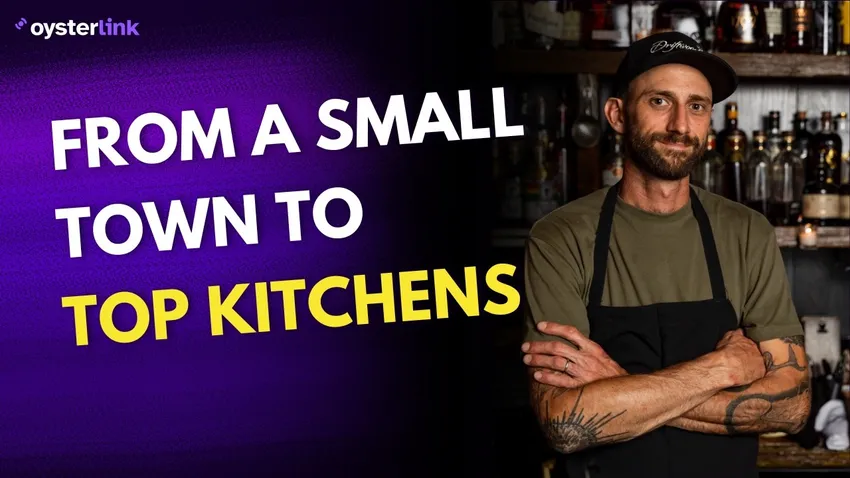

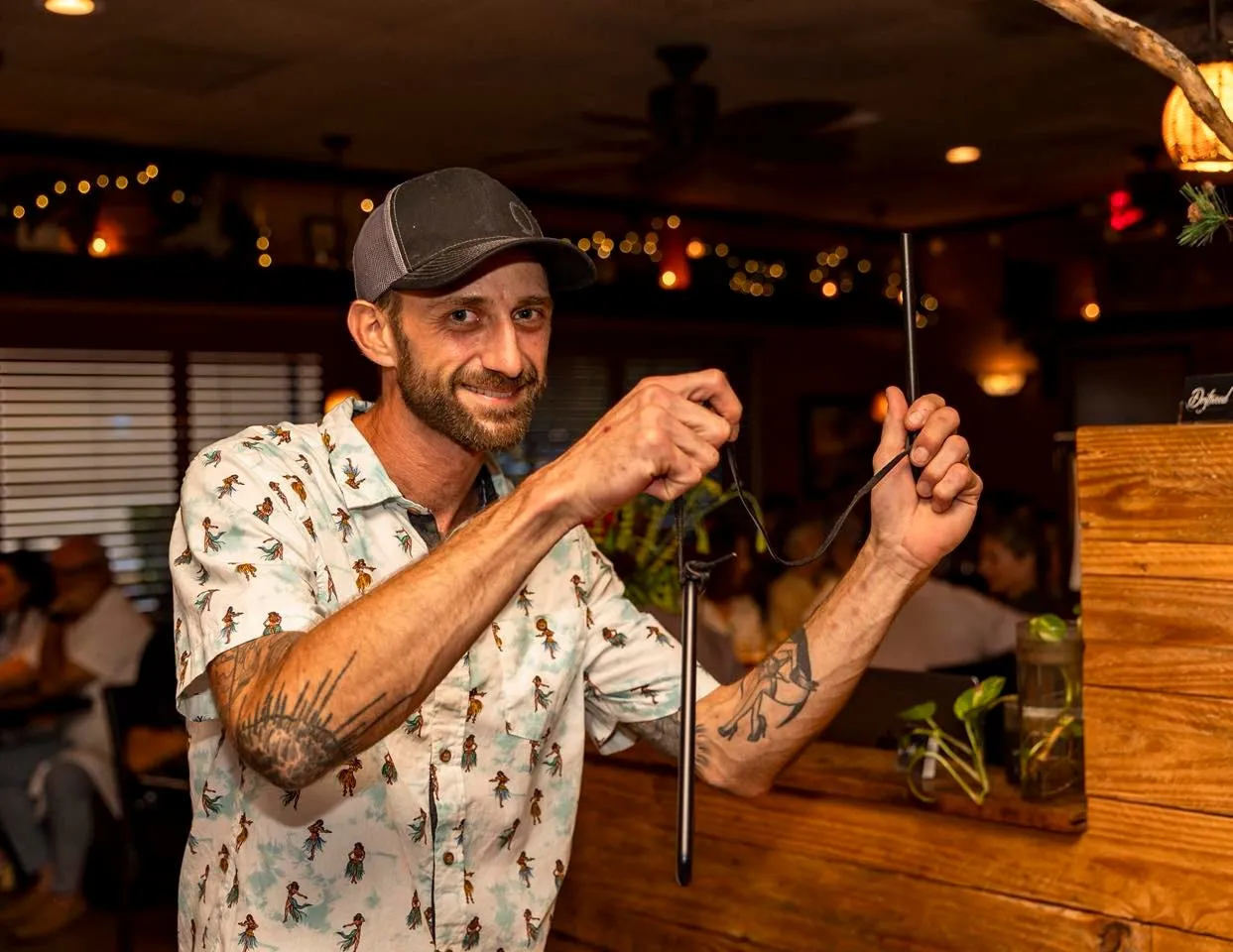
From scrubbing pots at 14 to the kitchens of 11 Madison Park and Marea, Jimmy Everett’s career is a study in culinary excellence. Now back in his hometown, he discusses the grit, high-stakes openings, and the obsession with quality ingredients.
Please introduce yourself and tell us a bit about your career path.
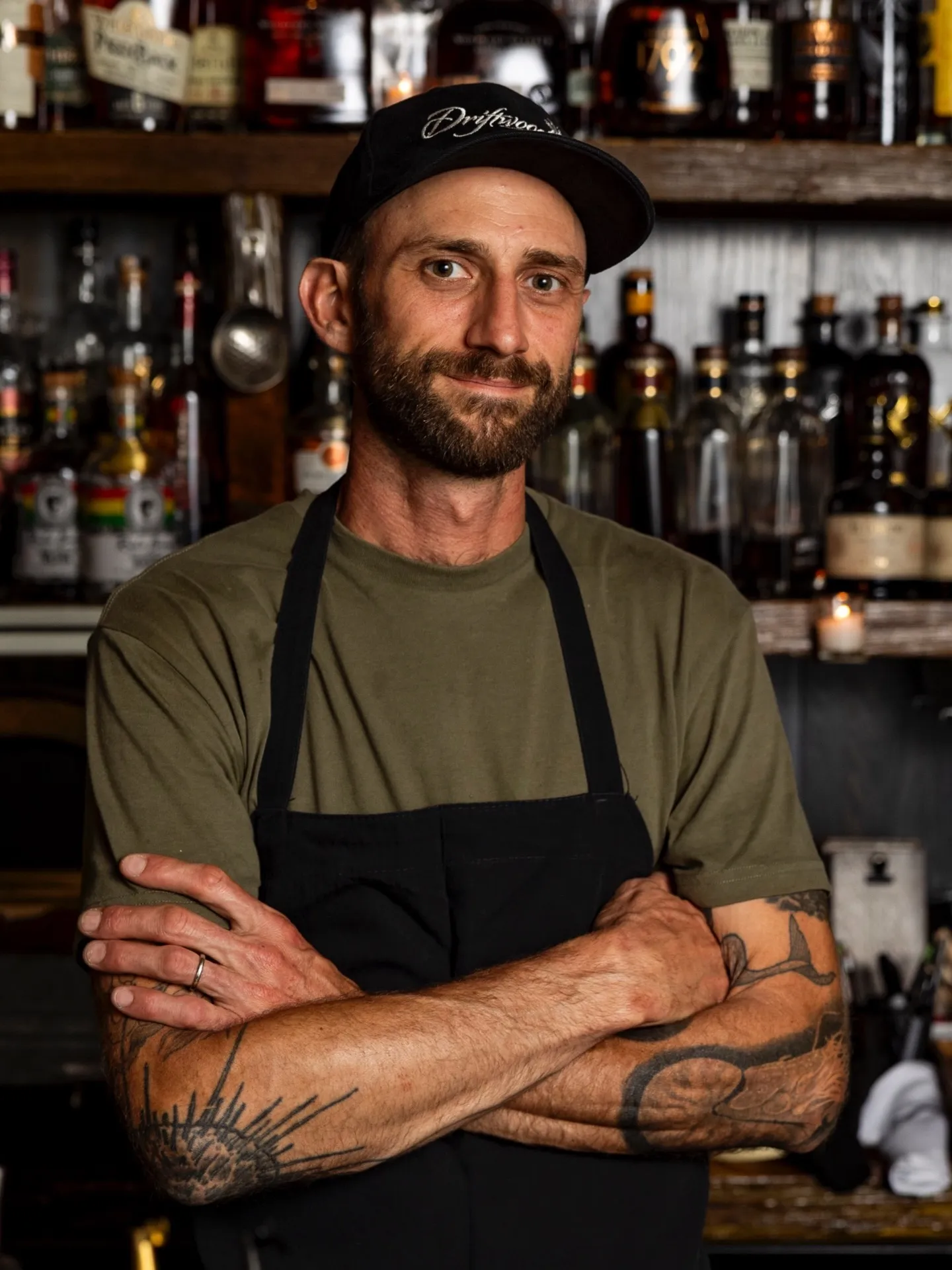
Jimmy Everett: I was born and raised right less than a mile I actually born less than a mile from Driftwood where the restaurant is That wasn't planned out that was coincidental, but I'm very much a local from this area Boynton Beach When I was I grew up I got into trouble when I was when I was young in the you know 14 15 and That kind of pushed me to have to work be working. So I started in hospitality at a pretty young age. I started as a bus boy at 14, around 14, got into the kitchen at 15, and that's kind of how it started. From there, you know, at that time, this area wasn't really known for good quality food. In fact, I didn't even know what a really good restaurant meant or what good chefs were, just because I had, at that point, I hadn't really done too much research.
And also getting information was a lot more difficult back then. You actually had to go buy cookbooks. You couldn't just ask your phone, you know, to give you information and look through Instagram and stuff like that. I was once very interested in cooking and I didn't really have an interest in hospitality at the beginning. It was definitely more kitchen culture. That's what attracted me initially. Obviously over the first few years of my career, that is when I developed that passion for hospitality and better quality food and stuff like that. But I started off at a country club down in South Florida. I ended up going to the Culinary Institute of America in upstate New York when I was almost 18. So I did the year and half program there for the associates. I did an externship in the middle of that. I did an externship on Nantucket Island at a restaurant called American Seasons with Chef Michael La Scola.
And then I went back, I graduated, and then I returned to Nantucket for another season there. And then I had my heart set on New York, New York City at the time. I was going to school in upstate New York and I had the opportunity to take the train down into the city while I was going to school and eat at some of the restaurants and do a few stages. So I definitely was, after graduating, I knew I wanted to be in New York City. And there was one restaurant, WD-50 at the time, that really stood out to me as just being that, at the time that was like the cutting edge restaurant in the country. They were the first restaurant really doing the weird stuff, I guess. There were quotations in there, but that's when the molecular gastronomy kind of started blowing up, coming over from Europe, coming from a lot of those restaurants in Spain and in England. You know, at the time it was like, it was wild.
Fat Duck in England, El Bulli, Mugaritz, Arzac. There were some restaurants, but in the US, there were very, very few. I think at the time, it was like the French Laundry. Thomas Keller was definitely the top chef in the country at the time. So as I was kind of that younger, I was a young cook. My goal was to become a great cook. I had no desire to own a restaurant, become a chef even. I just wanted to, I wanted to cook and I wanted to become the best I possibly could. Quite frankly, I still have that attitude today. I come in, I own my own restaurant, but I'm still coming in with the same purpose, trying to do a little bit better every day. That's a really big part of, I think, everybody needs to have something that can motivate themselves rather than just looking for outside things to motivate. So, as I mentioned, I was very focused on New York City.
Before I went to New York, I ended up visiting my sister in California just for a few months. Then, and the idea was to save up money, in re, like to be working to save up money. But in reality, I, that's when I went to the French Laundry and Bouchon and you know, I, I did the Napa wine trails. Even though I was under 21, I think I was 19 at the time, but I wanted to kind of see a lot of those things I had heard about in culinary school and then also at American Seasons on Nantucket because that was really the first restaurant doing good quality food, I guess, like that higher level food. At the country club, it was really more of like prime rib night and you choose your protein, your starch, your veg, your sauce, sort of thing. Whereas at American Seasons on my externship, that was the first time I really saw very intentionally sourced products, very good quality products.
You know, stuff that was like literally coming from the farm that day it was harvested. And that's where I really started developing that passion for higher quality. sorry for jumping around, but my heart was set on New York City, WD 50. I finally got to New York, but I was broke because I spent all my money, the money I saved, on the French Laundry, frankly. So I got to New York, I was staying on a friend's couch in Brooklyn. And I was going every day with a resume to WD 50. That was literally my focus for, for the first, I think it was like three to four weeks, literally every single day, hop on the train, go drop off a resume. I knew that hostess, the hostess that was taking my resume very well. but they weren't hiring and it came to a point where I just needed money to survive. I, I, I was kind of outstaying my welcome.
I had a few couches to crash on, that only lasts for so long. I ended up, my friend that I was sleeping on his couch, he was working at a restaurant called Tabla, which was owned by Danny Myers or the Union Square Hospitality Group. And he had told me about the restaurant next door that a new chef came in, fired half the staff, sent the sous chefs home to shave, just kind of really cleaning house. And I was like, well, that sounds like fun. That sounds like a good, you know, I wanted to get my butt kicked. I knew I wanted to, I was young. I wanted to, I was learning about all these really high level restaurants and I wanted to be a part of that. I wanted to experience that even if it was at the expense of chefs screaming at me and yelling at me and even firing me, whatever. I just wanted to, I wanted to have that under my belt. So to me, that sounded like a great opportunity.
And it turned out that that was actually 11 Madison Park. That was Daniel, that was three weeks after Daniel Humm had taken over at 11 Madison Park. So my first job in New York was at 11 Madison Park. Literally less than a month after Daniel Humm started there. So obviously, you'll fast forward several years and become number one in the world and one of the best chefs in the world. But at that time that was us trying to do three Michelin star food, but we also had to do three to 400 covers every night. So it was really a challenge. I, there was a high turnover rate, as I mentioned, you know, there the standards were really high. The atmosphere was tough. I personally was fine with it, but there were definitely plenty of people that weren't, it was a very intense atmosphere.
That was, I spent about 14 months there, a little over a year. I mean, I was a very young cook and that was the first restaurant that I was actually in. I jumped on the meat station. And when I stodged there, the meat cook that I was helping, he got fired. So it was like, had to, you know, that was just my door opened. And so it was like, okay, I'm just, didn't really know what I was doing, but I figured it out. So I ended up working at the meat station there, which was definitely known as the hardest station in the restaurant. And like I said, about 14 months, I met some of my best friends there. And that was a great first job in New York because there was such a high turnover rate. I met so many connections, so many other chefs and cooks in the city that it was just, I didn't realize it at the time, but that really opened up a lot of doors for me after that.
So I ended up leaving 11 Madison Park because I got an opportunity to work at WD-50. So one of the many people that had come through 11 Madison Park's doors, one of them, he's passed now, but his name was Marcelo. He had left 11 Madison Park, he was working at WD-50, and then he was leaving WD-50. So he was looking for a replacement. So that's where he reached out to me, knowing that I had wanted to work there. And I went, I did two stages, I got hired and turned out to be the best job of my life. Even to this day, working for myself, that was probably the, when I say best job, I just mean, I think that was really a very critical timing because of my age and my level of experience at that point. Up to that point, I love Madison Park, you were trained to be a soldier. Yes, chef, we chef, just do as I say, not as I do, you know, don't ask questions, just do it. At WD-50, when I started there, it was the complete opposite. Wiley wanted to, he would ask you, well, why are you doing that? And it's like, well, I don't know, you know, like just asking those very simple, but very important questions.
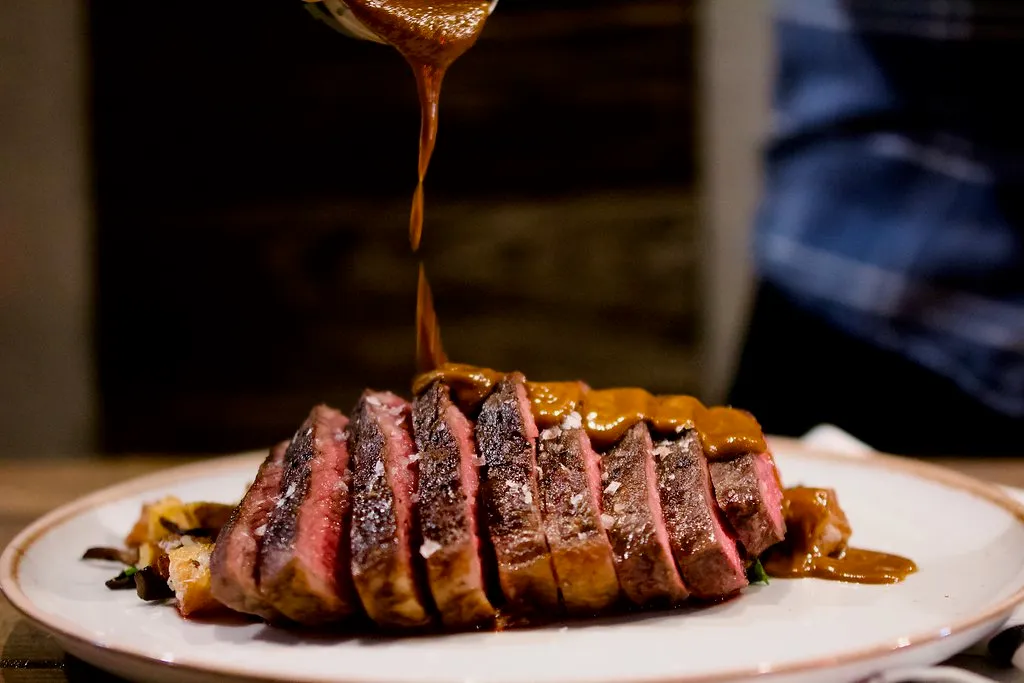
So at WD-50, I was required as a cook, and was required to create the dishes that were coming off my station. I had no idea that was what I was signing up for. This was a Michelin star restaurant. I was just like, no, I'm trying to learn this. I'm not ready to do this sort of thing. But it didn't matter. That's, that's the job. So it really had a huge impact on how I looked at food. These are the classic cooking methods. This is how you would typically roast a carrot or even butcher a fish, for instance. Everything was questioned. It was always, why are we doing it this way? And is there a better way to do it? WD-50, when I say it was the best restaurant I ever worked at, that's what I mean where it really drastically changed the way that I thought about food.
which in turn was a huge pivot point for me in my career. So I never intentionally wanted to leave WD-50 but one of my good friends who I worked with at 11 Madison Park, Jerry Gadbaw, he had left when he left 11 Madison Park, he had gone to work at Alto with Michael White. So we kept in touch where he's one of my best friends to this day. But he was trying to convince me to be a part of an opening on Central Park South that he was working on with Michael White, which was Marea. So I didn't, to me, Italian food sounded boring as hell. Like, I mean, I don't want to leave WD-50 where I'm fried mayonnaise and pickled beef tongue and you know, like a carrot and coconut sunny side up egg, you know, to go do Italian food, it just sounded really lame. That was ignorance, obviously.
To me, that wasn't exciting. And also, I was a cook. I didn't think that I was ready to go be a manager or a sous chef. Because in my head, when you take that step, you're not learning anymore, now you're teaching. So in my head, it was like a very cut dry, you're either learning or you're teaching. So I was completely wrong, obviously. But in my head, that's why it took, it took him probably three months to convince me to leave WD-50. So I finally did. I ended up spending a little under two years at WD-50 before I left. But it was to be a part of the opening team, actually pre-opening of Marea So I was part, when I started working with Michael White and Jared Gadbaw that was actually at Alto a few months before Marea opened. We were working on R &D, just basically testing all the recipes.
Trying out everything and just kind of piecing together what would be Marea's opening menu. And then opening day came, we opened. I think we had something like 24 to 36 hours from when we turned the gas on till we had to open. So it was a real crunch. And this is a big restaurant. It was very, it was a very intense opening, but it was all friends. Jared Gadbaw that he was the chef to the cuisine opening. He was one of my best friends. Our friend, Amador, who we used to shoot pool with till four in the morning every night. He was one of the sous chefs. Lauren Desteno, is actually now the Alta Marea Group corporate chef. She was one of the sous chefs. We were all friends that just, we used to work together, but we were all friends that loved food. you know, it was almost like a, it was almost just like a game. It was like, all right, let's see what's the best food we can do and how much fun we can have doing it.
And it worked because it sold, know, I mean we it almost didn't feel like work We were just having so much fun I mean we were ordering we were getting like three shipments from Japan every week from from Tsukiji market that was open at the time We were getting fish shipped in from from Australia, New Zealand langoustines from Scotland I mean lobby of blue lobsters from from Brittany I mean just anything you can imagine like that. If there was any really good quality product out there, we were getting it in or we were trying to. We were getting this fish that was like $60 a pound coming from Tsukiji market. And we couldn't, you know, if we were able to really focus on those ingredients, do the right techniques with it. Sometimes we were experimenting. But as long as we were able to make sure that we were selling it, it was very well received. And it was just
I was almost impressed, you know, it was one of those things where it didn't even seem hard. This was just what we all love to do. And we're in an amazing environment doing it. We got one Michelin star first year, two Michelin stars our second year. Every James Beard awards, like pretty much it was in those first two years, anything you can imagine is that a restaurant gets awarded for. It was just kind of raining on us. I've never really focused on those types of things. But looking back, when I saw how many accolades Marea got in that first couple of years, it was impressive. And because remember that was also, what was that, 09? So that was like right after that big crash that was really affecting restaurants. Actually when I was leaving WD-50, that was really negatively impacting WD-50. So it was a very scary time to be opening such an ambitious restaurant.
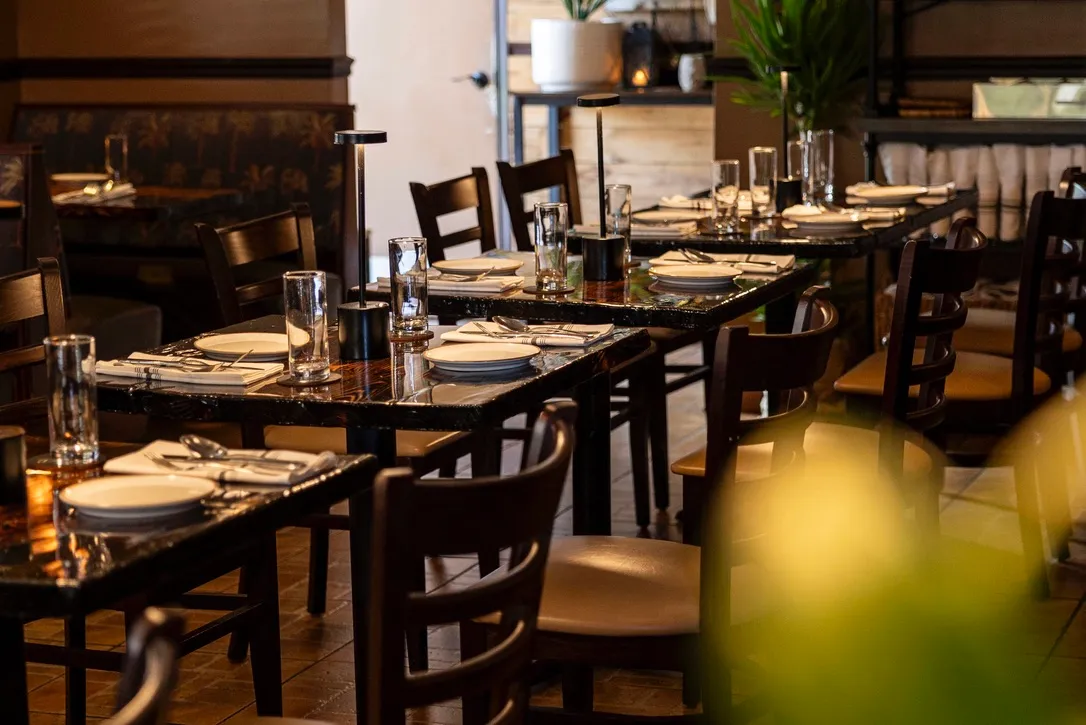
It was like a five million dollar restaurant back then, which today, who knows about, like all the wood from the interior was getting shipped in from Italy. All the installers were getting shipped in from Italy. It was just really no expensive spare sort of thing, which was very ambitious considering the times we were in. So, Marea was a blast. I was buying like $50,000 a week worth of seafood, like from all over the world. So that really started. I don't want to say I grew up fishing and stuff like that in South Florida. So I always I always really had a deep appreciation for the ocean for seafood for really fresh good quality seafood, I guess. But when I was working at Marea purchasing all that seafood, that's where I really honed in on just I really just developed like a almost insatiable like I if there was good
product out there, I wanted it. I wanted to figure out how to get it. It was just one of those things like that was my job, but it kind of turned into just something much deeper for me that I carried. I definitely carried. I carried it with me for several years after that and even today. But it got to a point at Marea where I was sick of New York City. I had been there for about six or seven years at that point and I just wanted to get out of the city. I loved my job. I loved the people I was working with. I just needed to get out of the city. So I put my notice in with Jared. It was like in the summertime. I told him, by winter I'm planning on leaving the city. And then that turned into Michael White offering, asking me to go open up a restaurant in Hong Kong for him. So I was like, okay, well I want it to travel. I can get paid to travel doing this. So I'll give it a shot. And that was what I did. So I ended up going to Hong Kong to open up a restaurant called Almolo.
And that was the first international restaurant for Michael White at the time. And that was about it. I spent about a year, a little over a year there. Lots of challenges, the typical ones you would expect, know, on the other side of the world, language barriers, staffing, cultural differences, I guess is the big thing. You know, in Hong Kong, I was coming from a two Michelin star restaurant in New York to Hong Kong. I didn't realize this, but in a Chinese family, the only person that's allowed to yell at you is your dad. So I learned very fast, you don't raise your voice at people. Things like the red envelope on Chinese New Year, I learned that very fast. Definitely some cultural things. I had a blast just with ingredients because there's a ton of ingredients there. I used to have a guy that would deliver live cuttlefish, like huge cuttlefish, live shrimp, mantis shrimp.
He'd literally ride a bike with a bucket of water on the back and deliver it to the restaurant. And I was like using things like live mantis shrimp to make stock, you know, because it was very inexpensive, but I just had a blast with that type of thing just because it's so rare that we are able to use that type of product here in the US. But for the most part, it was, so Hong Kong was my first chef job. So I took it very seriously. I wanted it to be the best I possibly could.
The company that I was working for was based in Hong Kong, we weren't 100 % aligned where I guess my focus was quality and I wanted things to be the best they possibly can. This is my first chef job so I'm taking it very seriously. There were definitely some disconnects there. So the company was very focused on numbers, very much, you know. I'm not trying to talk bad about them. I think there was just more of a, I didn't have a full understanding of the company's culture, the company's morals and ethics, I guess, and their primary like focus, which again, was very, was 25 at that time. So I was probably not looking into that as deeply as I should have, but now since then I've learned to do my research. So I ended up after about a year, I think it was 14 months total.
I left Hong Kong, I resigned with Michael White and the Altamarea group in New York. When I went back to New York, I just finalized things with Michael White and Amos. They're the owners of the restaurant group in New York. Just like updating them, let them know how everything was going. I did train somebody, I found somebody, trained them to replace me before I left, obviously.
And then I was, I wanted to get out of the corporate world. I found myself being 25, 26 on a computer, in a clipboard, more than on a cutting board. And that's not why, that was never why I wanted to do this. So I really focused on the things that I love about food and cooking and restaurants and hospitality. So I traveled around, my wife and I, who we met at Marea, followed me to Hong Kong, and were still together. We were not husband and wife, but we were dating at the time. ⁓ We traveled around from Puerto Rico, Mexico, California, Florida. We basically just looked for anywhere that had a beach, we were trying to get there. So we were just trying to spend time on the beach with a beer, margarita, just kind of chill out. Like that was for, we took about three months off at that point.
And then we ended up visiting my brother in California and our plan was to go to Hawaii, but we ran out of money. So we stayed in California. We were in LA in Southern California. And ⁓ honestly, I was really surprised at how much I really loved California. The weather was beautiful. It was very chill. Being a New York cook, we always kind of had this. Like anytime somebody came from California, they were always like five times slower. It was like, you know what I mean? It was just like, as a New York cook, when we saw California cooks coming, we kind of had something in our head already, you know? So all that stuff was wrong. The whole like, you know, I also had kind of like a superficial, I guess somewhat, somewhat had a, I don't know, misconceptions about LA and that area and what it would be like living there, what the people are like and what restaurants would be like.
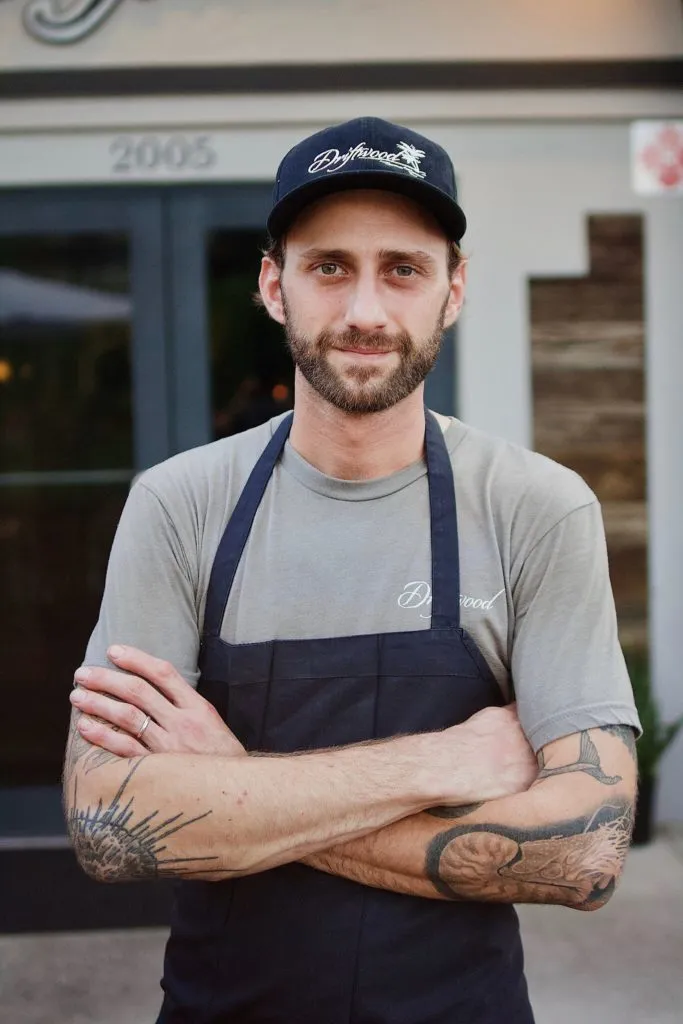
So, I really thoroughly enjoyed my time there and I started off working at a very small farm to table restaurant. I was going to the farmers market every day picking out the food or the like produce going to the fish market picking out the fish going to the restaurant preparing it open chef's counter cooking in front of people being able to see their reaction see talk to them about the things they do and don't like that was my first time ever being able to do that and even being able to see that reaction is because looks don't lie. You can read reviews, people can tell you, that's great. But when you're actually watching somebody eat the food that you prepared, for me, that was the first time I was able, I actually ever realized how important that is. Because that's how I could really understand little, small little things. That even sometimes the people eating it don't know how to word it. I was able to kind of see that and I really appreciated that.
Granted I was only making like 250 bucks a week at the time. So you know, I didn't really care, you know, that wasn't really a focus of mine. It was always just what do I need to be doing right now for myself or for my career? But my wife did get pregnant with my girlfriend at the time, but now my wife. She got pregnant and I had to kind of kick it into gear. We were living in a studio apartment in Koreatown. I had a car that I paid like eight hundred bucks cash for. I don't even know if it was a legal purchase or I don't even know how that all went down.
Check Our Career Growth Tools


Basically we were just, we weren't too worried about anything. And we were just trying to really enjoy life, see somewhere new. And I wanted to really get the most out of that area, now, LA and the amazing produce that they have there. Because that is one thing that, I mean, I've not been anywhere else in the world that can compare to Southern California and the variety of produce and the consistency, the year-round aspect of it, the different climates that are all within a driving range from LA is really incredible. So I ended up taking a job opening up a small restaurant called Sunny's Hideaway. I met the owner through a friend of a friend, but that was a very small restaurant.
It was supposed to be consulting, but then once my son was born and, you know, we kind of stayed a little longer than we were planning on. So I think we stayed in LA for a total of about two years. When my son was six months old, that was when we decided we needed to come back to the East Coast, mainly because of family. My wife's from Puerto Rico. I'm from Florida. Our son was the first grandchild from both sides of our family. So our family.
Yeah, they hated that our son was all the way in California. Nobody could, you had to fly out to see him. And so we had a lot of pressure from family. But also my wife and I, didn't really have like, we couldn't have a date night, you know? We didn't have that support that it's great to have with a young child as well. So there were definitely a lot of different, you know, reasons for us coming back here. I initially moved back to open up a hotel in Deerfield Beach called the Royal Blues.
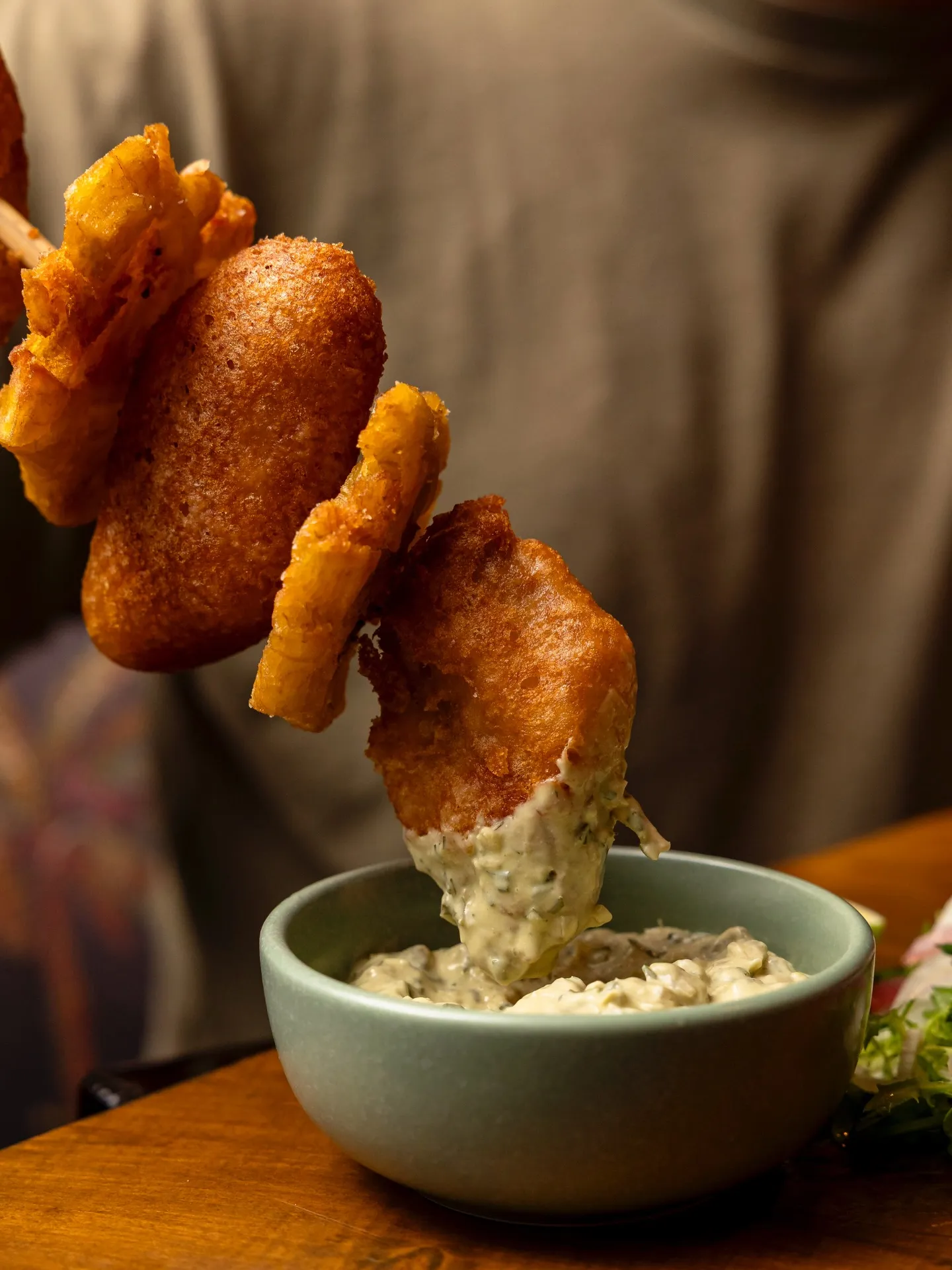
I had about two weeks' notice to drive across the country in my Volkswagen Jetta with our little Chihuahua and our six month old son. We made that trip, I think four days. We found an apartment, and we settled in Boca Raton, which is fairly close to where I grew up. And, and then within about three to four weeks of working on that project, became very clear that this is not what I'm going to be doing. There was a delay and then I was expected to be a private chef for the owner, which entailed traveling all over the world with him and it just wasn't what I signed up for. So I got out of that fairly soon, fairly quick. A friend of mine that I knew from New York named Giovanni, he had a restaurant down in Fort Lauderdale called Valentino.
And he had, at that point it was probably one of the top restaurants in South Florida. It's high end Italian, very similar to what I was doing at Marea. And I knew, I knew Giovanni because he used to go on stage at restaurants in New York city in the off season. So I actually met him at Marea in the first few months. He spent about a month up there. So that's how I knew him. But then he had reached out to me when he heard that I moved back down to Florida and he asked me to go help out at the restaurant.
So I started working with Giovanni down in Fort Lauderdale. It was a bit of a commute. It was about a 45 minute drive to and from or 45 minute drive. But for me that kitchen was just like New York City. So it was the first restaurant that I had been in since I left New York that not only had that energy, but also the ingredients because we were no expenses spared. If we wanted something, we were ordering it in.
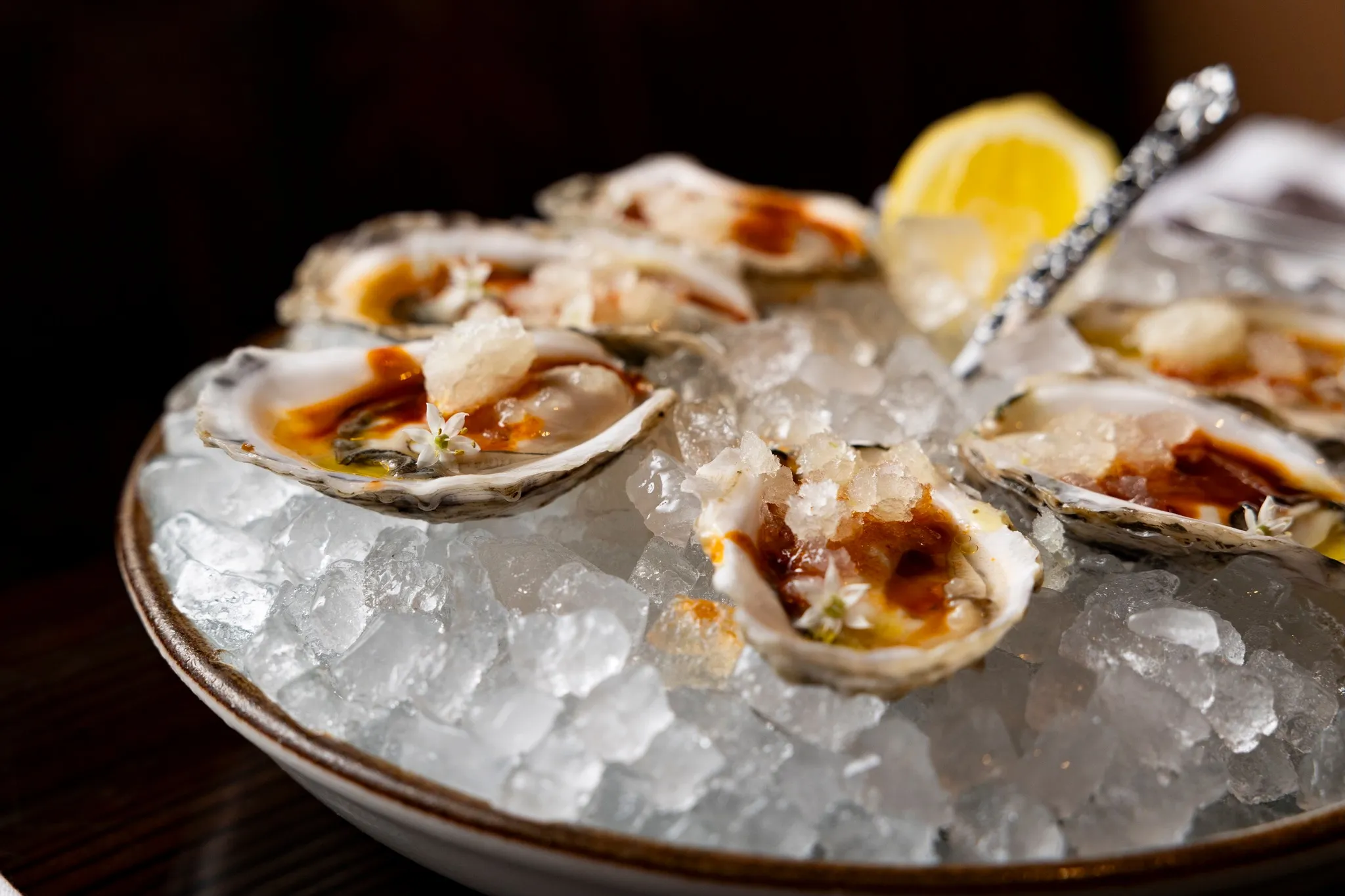
We were getting the best quality products we could. And if we needed to charge for it, we just charged for it. And we, quite frankly, a lot of the clientele there, wanted the best products too. So it worked out really well. Same as Marea where if you just focus on doing the best you can, using the best quality products you can, as long as you're, you know, there are people there to support it. So it worked out very well. I loved, I loved, I started there just kind of helping out, covering different stations.
I ended up taking over as chef de cuisine after like six months just out of necessity. And at that point, my wife and I were really looking around South Florida, not just South Florida, but Florida for what would be our restaurant. We knew we wanted to be working for ourselves. Just after numerous different places, after leaving New York, we couldn't really find someone that we were really happy working for a company that had the same, you know, had the same, morals. I don't want to use that term too much, but you know, the way that people do business, you know, that was kind of what we constantly came across was we don't really feel proud being a part of this. And I knew whatever it was that I was doing, even if it was out of the restaurant, that I knew that I needed to feel proud of what I was doing on a day-to-day basis.
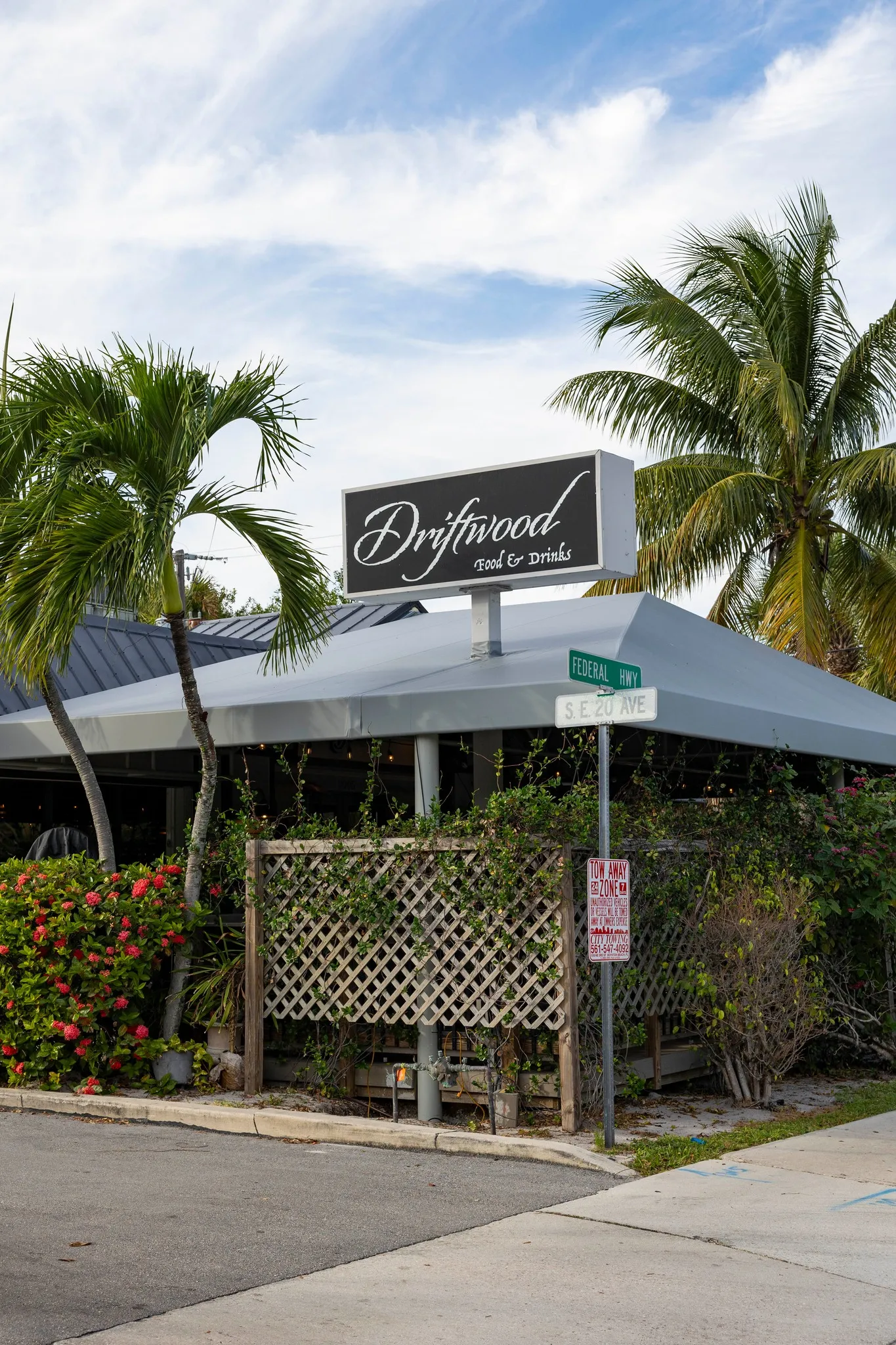
So that's when my wife and I kind of realized we needed to do something on our own. So while I was at Valentino, we were looking at, I mean, from Key West all the way up to Jacksonville, we were looking at different locations, we had a few different business plans we were putting together, different concepts, and finally we came across this one that just coincidentally is like a mile from where I was born and very much like where I grew up.
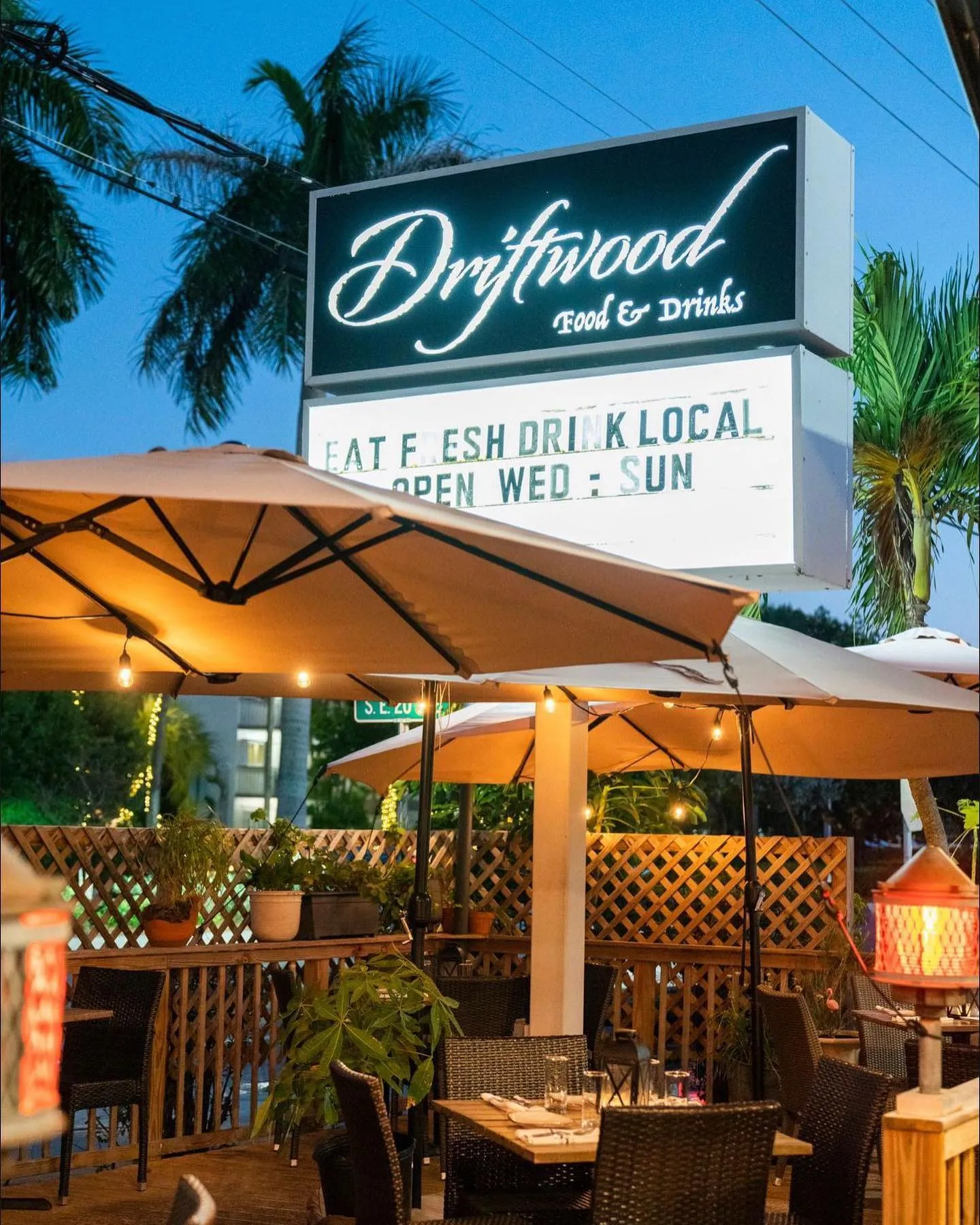
My pediatrician that I had is like right down there. When I was like two years old, I remember biting a chunk out of my dad's arm trying to give me a shot. You know, so there's a lot of childhood memories here that, you know, I have a big family, you know, I played baseball down the street from here and stuff. So, we just happened to come across this place. The property was for sale as well as the business. So that was a huge deal. We weren't looking for, we weren't looking to become landlords. We were just looking to open our restaurant.
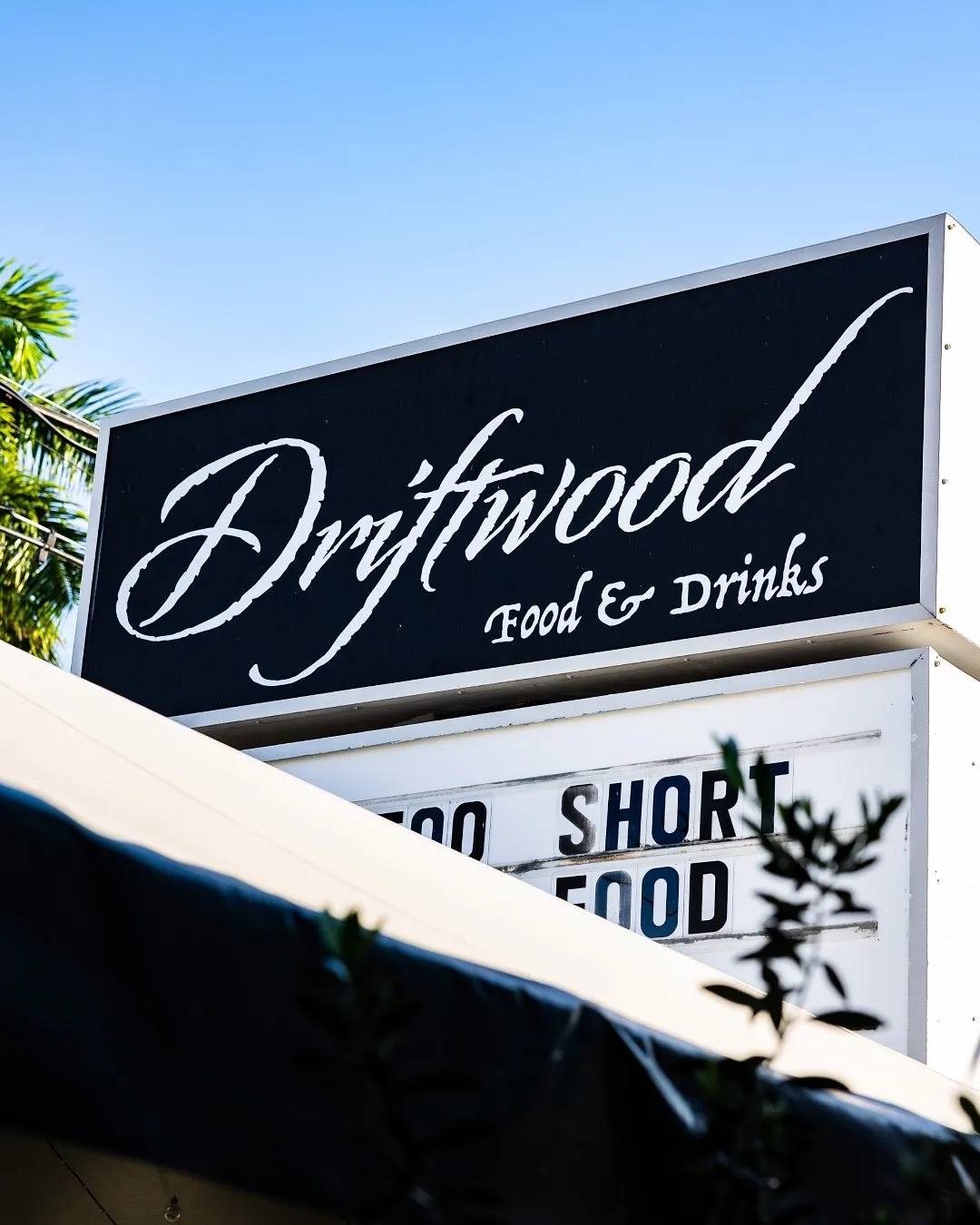
But if we hadn't done that, we wouldn't be in business today. So this is looking back eight years later. So that was about eight years ago, eight and a half, we ended up finding a restaurant called Scully's and it was a diner. They had been open for about 15 years and it was up for sale. We saw the potential it had. I still had no clue what a single menu item would have been.
But I just knew that it had character. knew that we could make this our own, this building. So we started, I didn't have any money, but we kind of just figured out how to get an SBA loan for the property. And here we are. So, I mean, we've been open for eight years. Our menu has definitely evolved. There are some things that have been on the menu since day one for the reason that I want to, those are things that center us. There's key, like our shrimp and grits, our chicken and dumplings, our dry rub chicken wings. There's just certain things that I like to keep on the menu because A, I haven't been able to come up with a better version of them yet. But B, they are things that I think really helps identify us as a concept, as a brand.
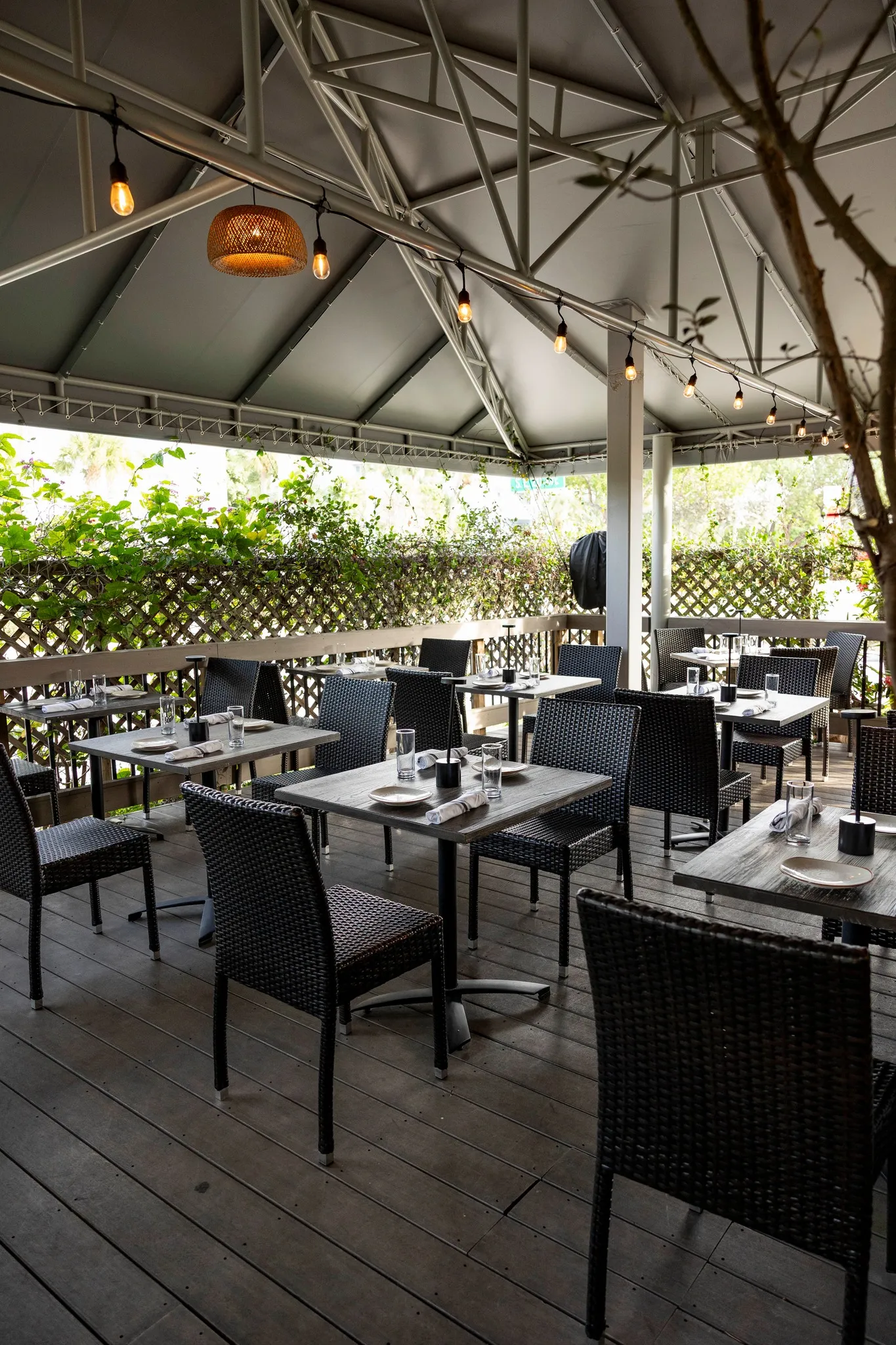
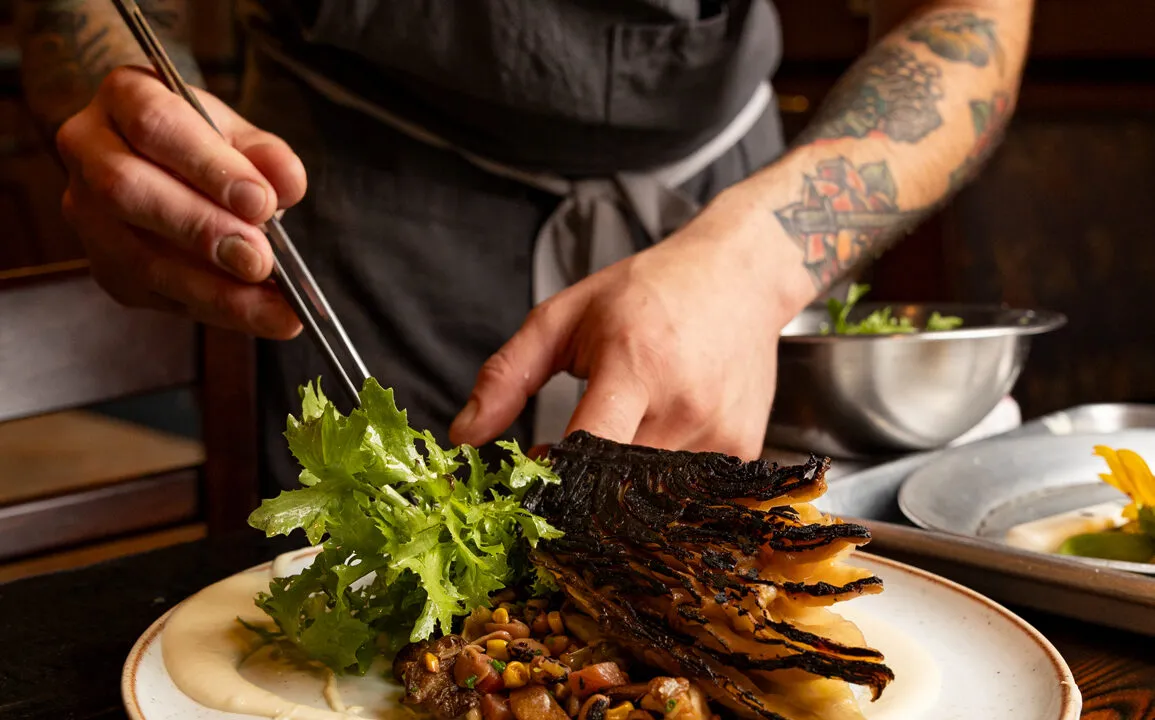
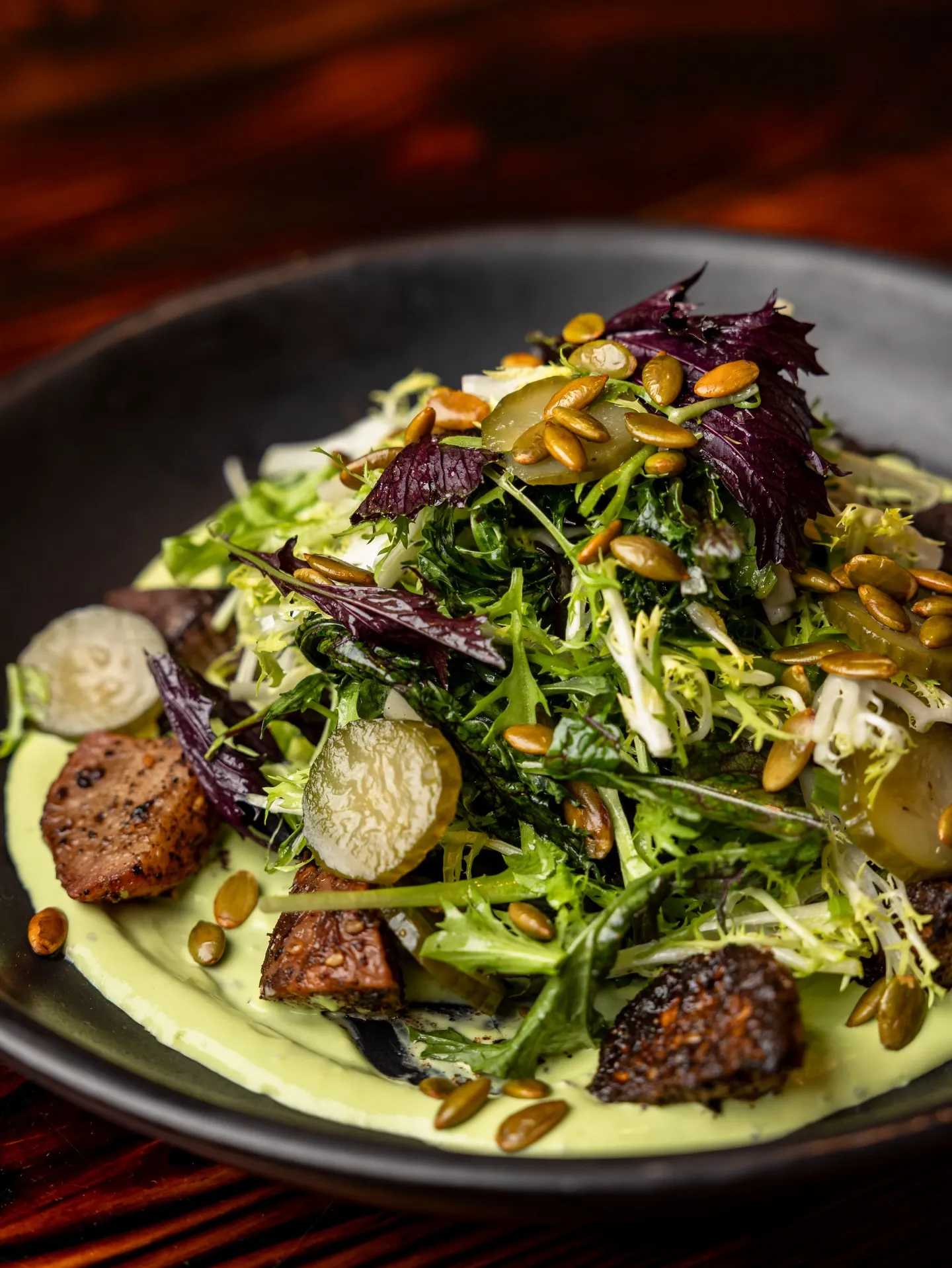
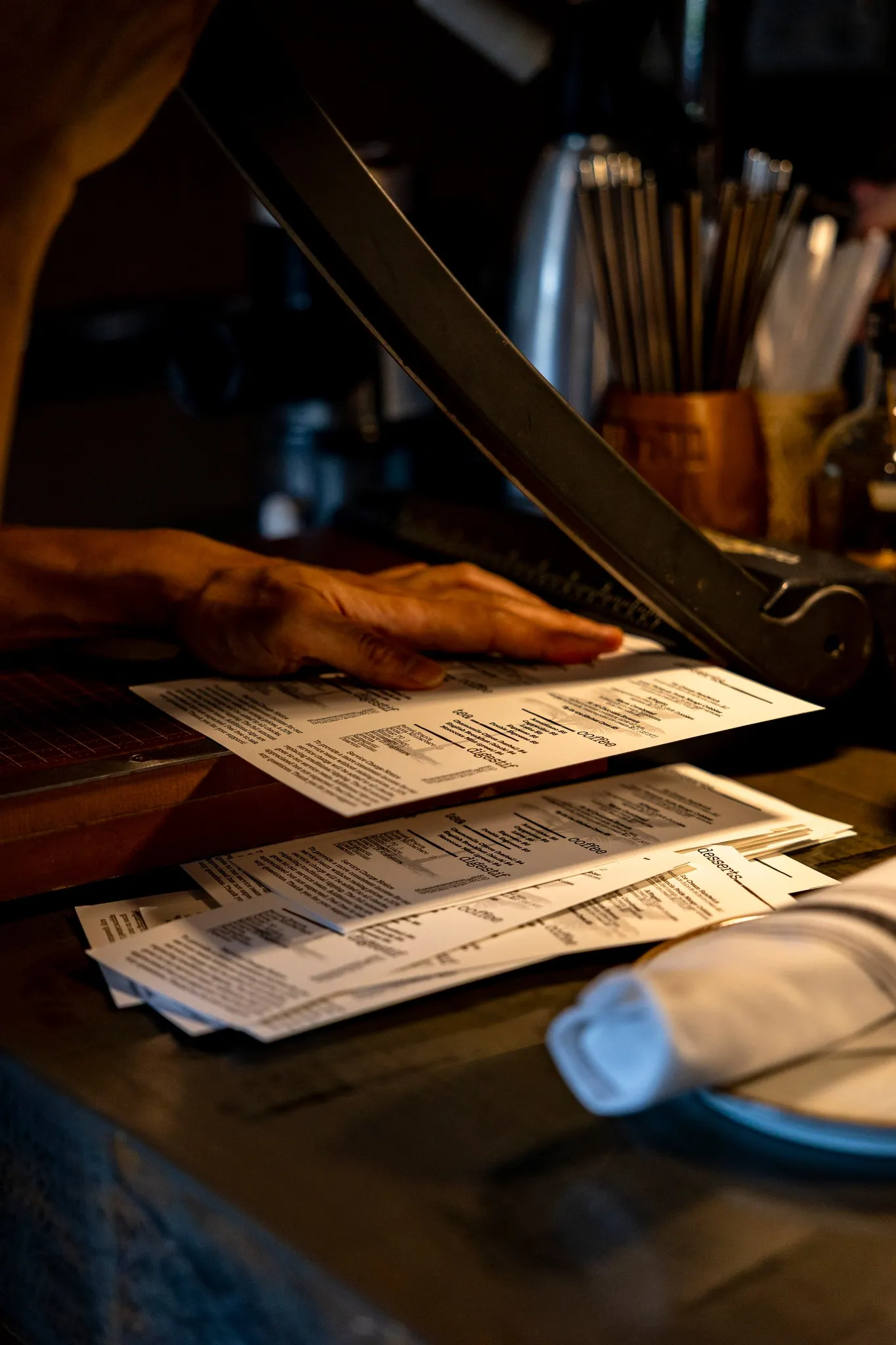
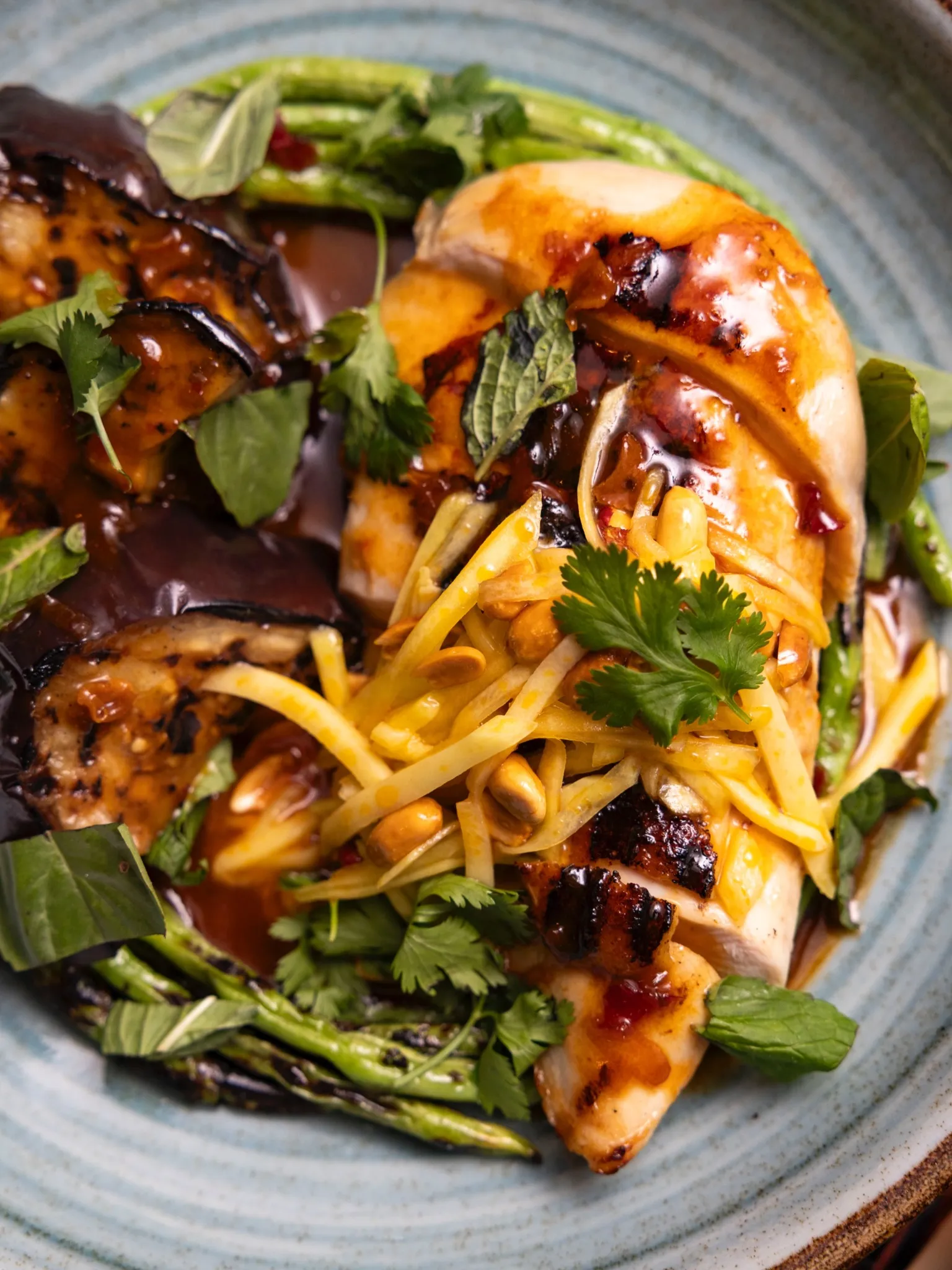
And I think it is very important to keep them as staples and then everything else can kind of revolve around that but it just kind of keeps us centered. But outside of those few items, we change the menu every day. So we can print like in probably an hour, I'm gonna be assessing everything. We're gonna be reprinting the menu for today. We're not gonna change the whole menu but like for instance right now I know I have a truck of golden tilefish that just landed. It landed last night in Cape Canaveral, which is about two and a half, three hours north of here. They're offloading this morning. They're on their way down here. I know we're going to have golden tilefish on the menu tonight. I know that there's a swordfish boat coming in off of Fort Lauderdale right now about to land. I have a guy that's ready to pick up about a 60 pound, which is a tiny sword, but I have those people, have people that kind of work for us helping, you know, just helping source the, these really special products that
And timing, excuse me, timing is everything. So just figuring out how to kind of coordinate all those things, extremely difficult. But I think that's the type of thought process that very, very few chefs or restaurant owners ever do. So that's just the way that I think is the best way to operate. It's not, it's definitely very expensive and you know we haven't made any money in eight years since we opened. Meaning, whatever we make goes right back into the business, goes right back into, you know, to the team too, you know, we've done plenty of improvements around the building and stuff like that. But the purpose of us being here is definitely very different than I think a lot of other restaurants around here. I think their purpose, their purpose for being there, is different. It's a business, right? So we, we, we want to be, we obviously need to survive and we need to, we want to thrive as a business.
But there's so many other things that go before the financial aspect that those have to be in place if they're not. Everything else is off the table, you know, as far as I'm concerned.
You mentioned something in the beginning. You said I own my own place and it motivates you to cook. So do you still cook or are you just focused on managing the place?
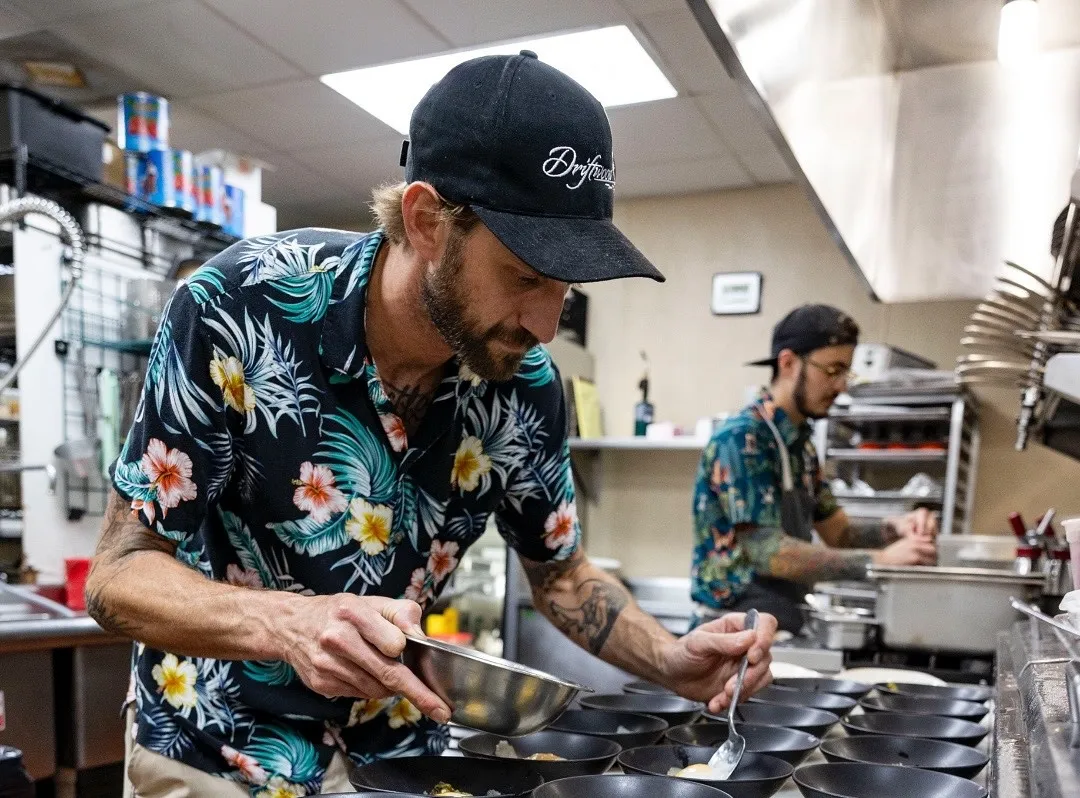
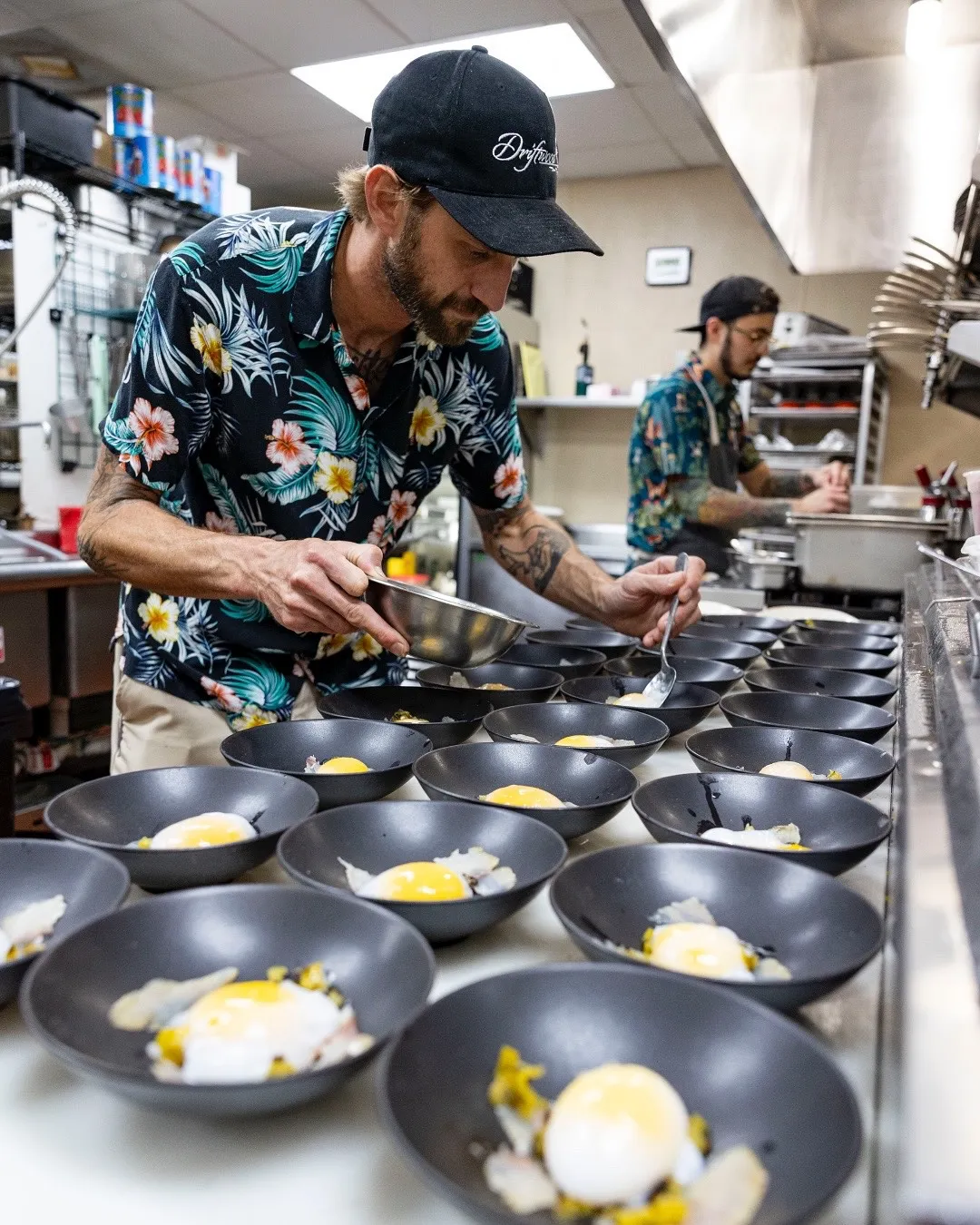
Jimmy Everett: I sweat through this shirt three times this morning. So I was trying to get a change. No, no. mean, I mean, I mean, I'm the first one in every day I open up the restaurant, I get everything started in the mornings. I, you know, I like to do all the butchery, I have my role. So usually I'll be in first, I'm receiving deliveries. I'm getting all the big projects started, because we don't really have a prep kitchen.
Our kitchen is like anything that needs to be prepped, it has to be done, cooled down, put away before we open at four o'clock. So that's usually what I'm focusing on is just getting all that all the prep items done, stocks going any butchery or all butchery we've been we and all of our fish comes in whole scales on. So that butchery is a big process. It's at least two to three hours every single day here.
I mean, I have my hands in everything here. I'm not on the line nowadays. I definitely, when we opened, it was myself in the kitchen with two people and my wife in the front with two people. And we had a bar manager. That's how we started. Over eight years, we've definitely grown. My son is 12 now, right? So my wife's more of a baseball mom. She does all the admin stuff in the mornings.
Stuff like that, but she's not necessarily here actively during service. I'm not, I don't plan to be on the line cooking because that makes me have to focus on one thing. Whereas it's very difficult. Like my role has to be that general oversight. So I try to, I mean, yeah, at any given day, I need to be freed up to where I need to focus on whatever, basically putting out whatever fire is actively going. And sometimes that's different areas of the restaurant at different times, yes, very much still actively involved with the restaurant.
Jimmy, you worked at 11 Madison Park, WD-50, Marea and all the other restaurants and the places that you mentioned. Can you give me what is the one big lesson that you brought to Driftwood from all those places you worked at?
Jimmy Everett: I think there's so many. There's so many cooks, chefs, restaurant owners, they do things because that's what they did when they were young. That's what the other chefs or restaurant owners or managers taught them to do, and so on. I think that whatever it is that you're doing, think about it. Make sure that it applies because in any restaurant, any business for that matter is going to have its own nuances. There's going to be things that are different from other things and things that are relevant now but may not be relevant next year.
So keep in mind, we opened in 2018. Our two year anniversary was COVID lockdowns. We got through that and figured that out. We had that whole year, you know, granted at that time, my wife and I weren't even really paying ourselves, we couldn't afford to pay ourselves for that first few years. So when COVID happened, we were we had credit, we could barely pay our mortgage, we it was, we racked up so much credit card debt. So we had to adapt, right? You have to make sure that whatever it is you are doing makes sense. Because I think way too many people, they think that the way that they were taught to do it is the way that you do it. But in reality, those are the types of restaurants that are not going to be able to survive things like COVID or any major changes in the general atmosphere, like an industry's atmosphere, which right now, the restaurant industry is all screwed up.
In my opinion, it doesn't make sense right now. There's from for a lot of reasons, which is a whole other conversation. But the point is, if you're not thinking about what you're doing, if you just do what you think you know, without actually putting that thought into it making sure that you're doing it the right way with the right people at the right time. All those things have to kind of come together. Otherwise, you can be doing yourself a disservice or you can be taking yourself in the wrong direction, not even realizing it. We've done plenty of that here. But I think that the number one thing that I could say that I took from life is make sure whatever it is that you are doing, that it makes sense, that you're doing it for the right reasons at the right time in the right place, whatever. That's what I would kind of summarize.
What surprised you the most in the first year of ownership that nobody warned you about?
Jimmy Everett: That's a really good question because I went into it expecting chaos, just expecting like every day of fire. I really had a very open mind going into it.
Well, because I have, because I knew I had opened, mean, this, I think this was like the eighth, seventh or eighth restaurant that I'd opened been a part of the opening. So I had been through numerous opening processes, which is always going to be the most difficult time in any restaurant. So I guess like I had, I had, I wouldn't say there was anything that really just like, my God, like I can't, I can't do this.
I mean, if you want to fast forward a few years, since I guess over the last couple years, insurance, nothing could have prepared me for what we pay for insurance right now. It's absolutely insane. Like triple what we pay for our mortgage or our rent. It's ridiculous. So that's being in South Florida. But I mean, that's one of those things that I'd say like, if you would have told me 10 years ago, that I'm going to be paying $220,000 a year for insurance if I own my own restaurant. I would laugh at you, you know? And I'm not talking about a big, big, Marea-sized restaurant. I'm talking about an 80-seat restaurant, you know, with a parking lot and, you know, we're a standalone building and stuff. But I'd say the insurance expenses right now are just completely obliterating restaurants.
That would be one of those things that I'd be like, no way, no way. Lately over the last few years. So with inflation, when we saw inflation going crazy, and basically since COVID, we saw different layers of inflation, we saw pricing, we saw, you know, eggs, you saw toilet paper and all that stuff that was in the news. But the thing with restaurants, the things that really, really increased was labor.
First of all, if you can't find the cooks, it ends up costing you more because you're paying the ones you do have over time and then you're burning them out and then that ends up costing you more. So labor, just the raw cost of products. Okay, that's one thing. Food, the cost of the food is so minimal compared to all the other expenses. So like cleaning products, tripled, maybe even quadrupled. Paper towels, soap, the things that are not on the menu.
That's what it comes down to. So when we have to increase our prices because of all the other things, but not the food, that's difficult for the consumers to put together because they're still comparing the price of your burger to the price of that burger or the price of ground beef at the store. You know what I mean? So that's been a really huge challenge is how do we hold our value as a business because we're also a restaurant that makes everything from scratch.
We rely heavily on labor. Luckily, I'm the one that fills in the gaps. If we can't afford to pay for somebody to come in and do this, I'm doing it. If somebody calls out, I'm doing it. I fill in those gaps. So I think that's one thing that our business has that I think a lot of other restaurants don't have. Whereas those types of things would have put us out of business years ago. You know, like we just wouldn't have been able to recover from certain things if I wasn't able to just jump in and figure it out.
If a young cook told you, you know, they wanted to follow a path like yours from a small town of Florida, like you mentioned, to top NYC kitchens, to even outside the country, to owning your own place.
Jimmy Everett: First of all, there's a few of those kids that are already doing that. So I've had kids coming to the same high school that I went to, same culinary program. They've already been through here, worked here for a few years. Three of them went through culinary school. One's in New York City right now. One's back here, but she already went through the culinary program to Thailand for a Michelin star stage.
I'm very big on bringing up the younger generation and mentoring and giving them the right guidance and tools. As far as what I would say to somebody. Never I think I think that what I mentioned about using your head and thinking about what you're doing making sure that whatever it is that you are doing is intentional and not just on repeat you know that would be one thing for sure
I've learned over the years how important your brain is for you. Sometimes you have to trick yourself. Humans by nature are lazy. You want to conserve energy to survive. There's certain very, I guess, visceral, basic human instincts that we have to fight to get certain places in life. I think about those things all the time and how it affects me. But I think that the thinking about what you're doing, but also giving yourself the best chances, does that make sense? if I know that I tend to be less motivated doing these projects, the only person that can fix that is me. So I need to figure it out.
How do I motivate myself to do this? How do I become more excited? Not because that's what I love to do, but because I know that that's my job and I need to do this faster, better, 10 times or 100 times every day. When you come across things like that, like certain challenges, it's more of how, because I've seen things as simple as peeling onions or picking herbs take somebody into a bad place.
where they're so, they can be great at cooking on the line, they can crank out a hundred dishes in an hour. But when it comes to certain tasks that they say they don't like, or they maybe have never been taught how to do properly, or they just don't see it as important, if you don't have salt, you know what I mean? If you don't have like peeled carrots, like onions, the very the things that are our core base products, like you need to take that as serious as you do foie gras, filet mignon, oysters, truffles, because and that's what I think the younger generation just doesn't see they don't see they don't see it as like they're excited about the expensive stuff or about the gels, the foams, you know, all the fancy stuff, the things that are different.
I try to train my young cooks, everything is important. And if you're not willing to sweep the floor underneath you, then you can get the fuck out of my kitchen, excuse my language. But that's how I handle it. Like, you need to have a dishwasher following you around, you're useless to me, because then I'm paying two people for you to do one job. You know what I mean? And there's plenty of places you're going, you're not gonna have that person there. What are you gonna do? Are you gonna complain that they're not there? Or are you gonna figure it out?
So I think that type of thing and that's all that's all psychological. That's all just like human X, you know, what do we expect because that's what was there. That's what we were given or that's what we were taught or you know, so I think that I think the biggest thing that young cooks need to do is keep an open mind and it's on you, right? You need to figure out certain things. I can't figure it out for you. You know, I have some cooks that come through here that have had numerous cooks that they really struggle with certain things or they blank, blank, they just go blank when it gets busy or something like that. I can't fix those things. can share how I've dealt with those sorts of struggles. I can make suggestions, but ultimately I'm not a psychiatrist, but I might as well be, you know, like just dealing with people and especially when you're in kitchens, that's like the, I don't want to say the max. I mean, you're probably firefighters and there's plenty of first responders that probably have like a little bit more on the line than us. But a lot of people, what we really love about it is because of that adrenaline and that high energy. And you need to be able to turn that into focus. If you take that and you turn that into chaos and you just let everything happen that's gonna happen, that's what the plate's gonna look like. That's what the food's gonna look like and that's what your business is gonna look like.
So how do you kind of control all those moving parts? Like being able to control it, make it make sense for you, but you really have to do it one thing at a time. So you have to be able to focus on one thing at a time while still seeing everything. I strayed way far from the question, but did that kind of answer it?
Check out more interviews like this brought to you by OysterLink to learn about the industry. You can get them straight to your email by creating an OysterLink account and joining our newsletter.

Loading comments...