


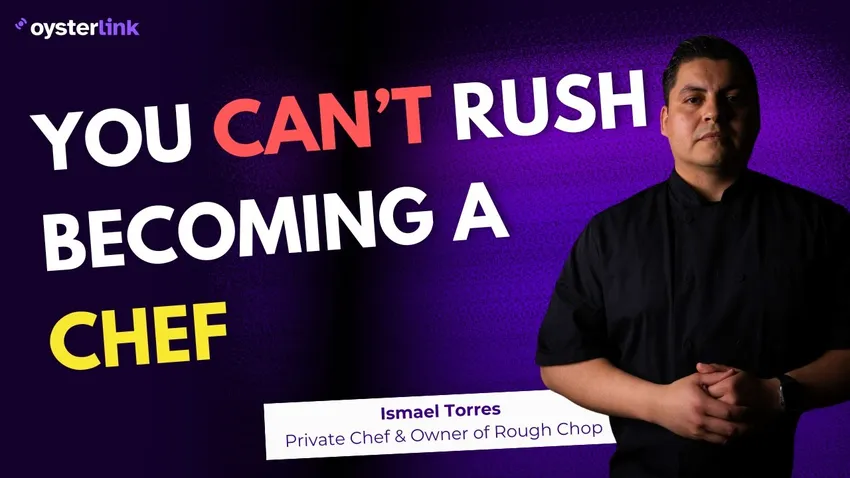

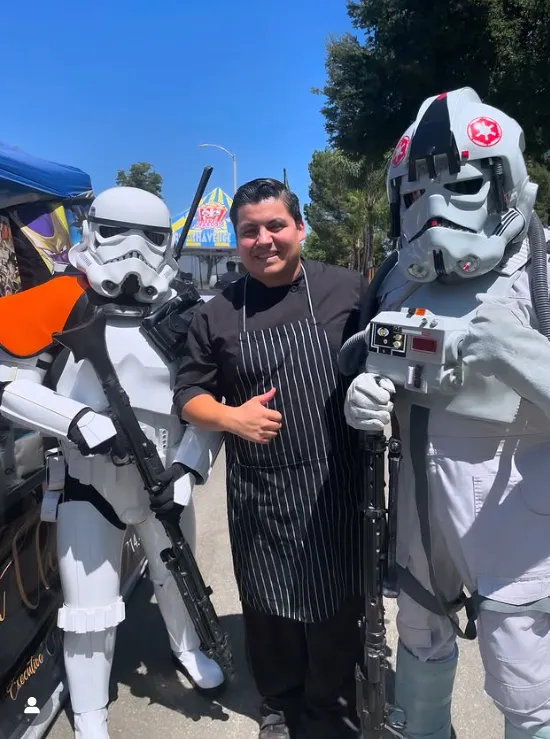
Chef Ismael Torres never planned to work in hospitality. Yet through unexpected twists, long hours and lessons learned from seasoned mentors, he built a career as a Private Chef, with multiple awards, recognition and a successful company to boot.
We at OysterLink sat down with Chef Torres to hear his story, explore his approach to mentorship, humility and building a successful Private Chef business and learn how he turned an unplanned path into a fulfilling career.
Please introduce yourself to our readers and listeners, and tell us about your career path
Chef Ismael Torres: Yeah, about my background, I personally never intended to be a Chef. I went to school to be a Police Officer and tried to go down that route. And while pursuing law enforcement, I actually went through a period of time when I was working two jobs in the hospitality industry, specifically in a bar restaurant. And due to medical issues, I wasn’t able to get hired in any of the agencies. So I decided to pursue a career in the culinary arts, mostly out of spite.
It wasn’t something that I wanted to do, but it was mostly to prove to people that I could do it. Fast forward to today, I’m currently a Private Chef, and I’ve won several awards and was featured as a Rising Star in San Diego. I was also a four-time Best Chef in the Inland Empire by Inland Empire Magazine, voted by the community. Now, I just do Private Chef. I travel within Southern California all the way up to all over the country.
Have you received any formal culinary education?
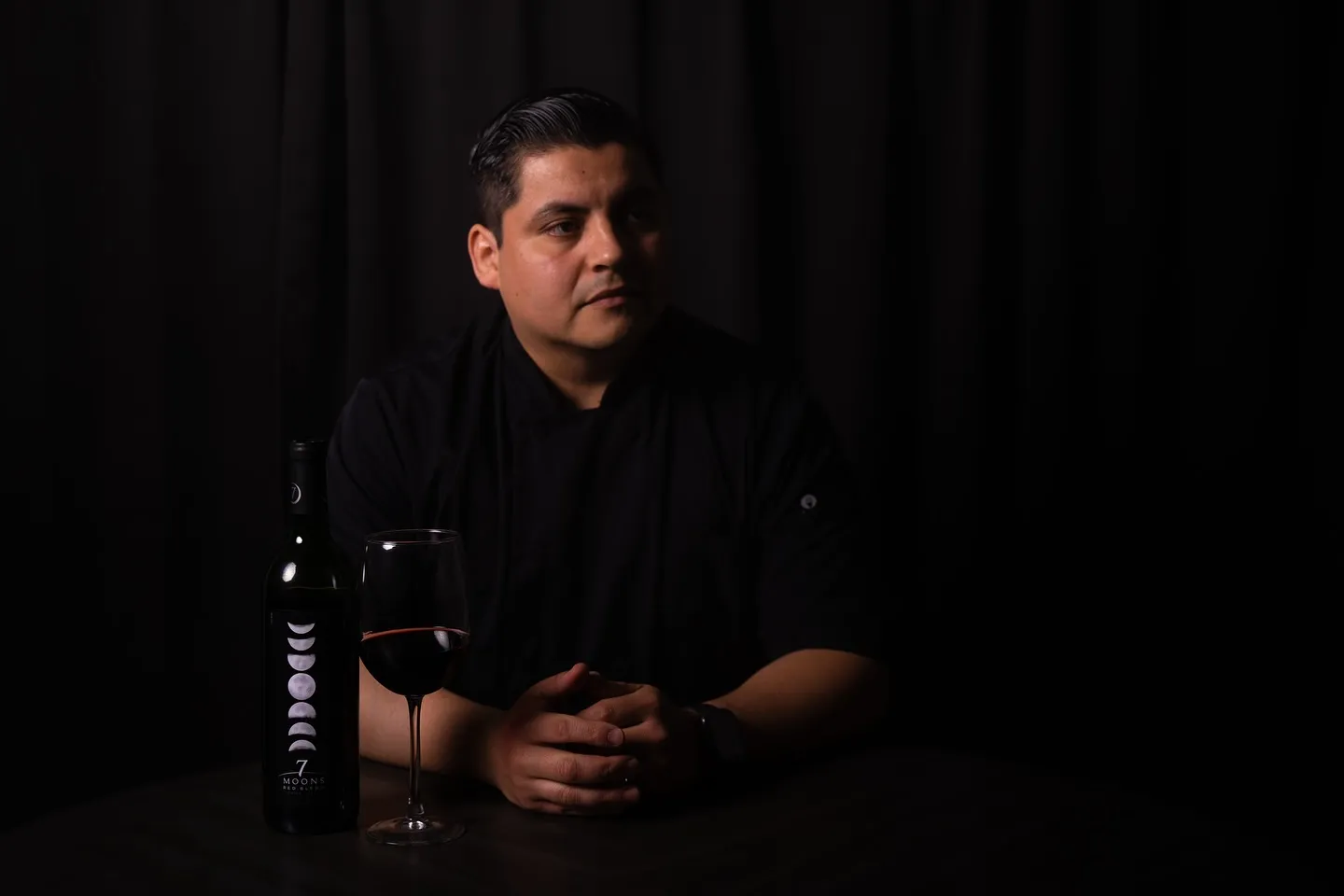
Chef Ismael Torres: No, no, everything has been through experience. And, in the industry, at least where I’m from, we call them the veteranos, the veterans, and they basically taught me the cheat codes of what it means to be good in the hospitality industry. And the one common factor that I always received was moving with a sense of urgency and doing things the right way the first time.
With your experience, is culinary school always worth it, or can you succeed without it?
Chef Ismael Torres: Yes. I’m not going to lie to you. To an extent, I think that when it comes to culinary education, it’s good for those who are probably in the industry for such a long time, because for me, you can only get so far without a degree. I wouldn’t be able to move up to the next level if I didn’t have that degree, which right now I can’t, I’m pretty much capped. But I always recommend that:

“Before entering culinary school, make sure you go into a restaurant and see what it’s really like to work at a restaurant, before you drop tens of thousands of dollars at a culinary school.”
If someone’s already taking up culinary education, what skills should they learn beyond the classroom to succeed in the industry?
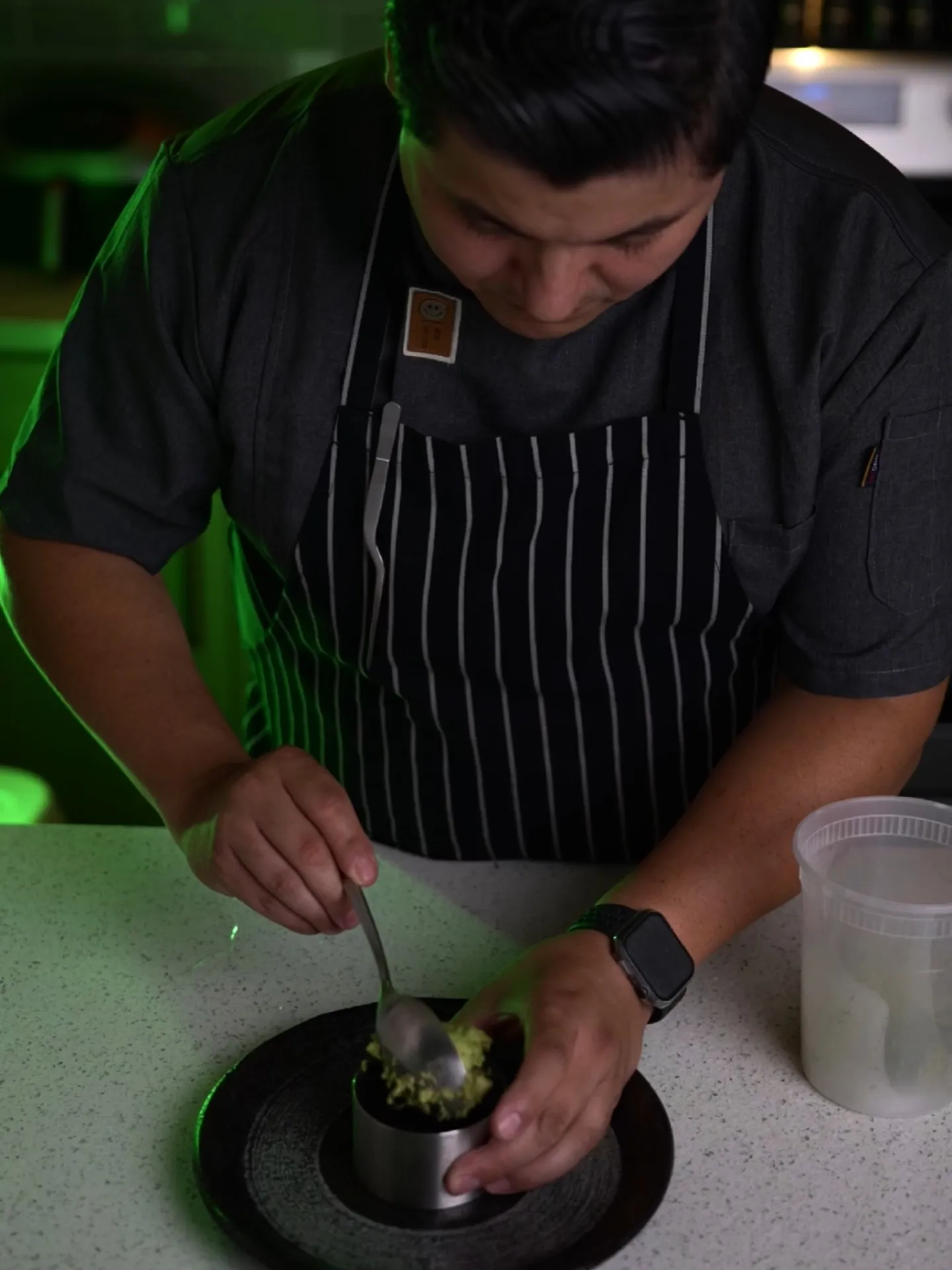
Chef Ismael Torres: To succeed in real life, I strongly recommend that they learn how to be humble. One of the things that I noticed in terms of my personal experience is that a lot of the culinary students who just graduate have a sense of ego. And I think too much ego can hurt you in the long run. Our community is a very small community. Everybody knows it.
You don’t want to be known as the person with the ego who just got out of culinary school. So learn how to be humble. Learn stoicism basically. And one of the best authors and one of the best people to learn that from is Marcus Aurelius. So I think anybody who is in the space and wants to be a good Chef and a good person, I strongly recommend it.
Speaking of ego, do you think that social media presence is causing this ego? Or is it something else?
Chef Ismael Torres: Social media really magnified a lot of people’s work, and this would depend on the following count too, right? I think that’s something that people really look into. I’m not going to lie to you, for me, I consistently looked at my following count, and that’s just because I wanted to grow my followers. It wasn’t really to toot my own horn or anything like that.
And eventually, I stopped caring about the following and started caring more about the quality of content I’ve given out in terms of guidance and mentorship. But yeah, I can’t really speak for everyone else other than for myself.
Now that we’re on the topic of building one’s presence, do you think that brands should be built around restaurants or Chefs?
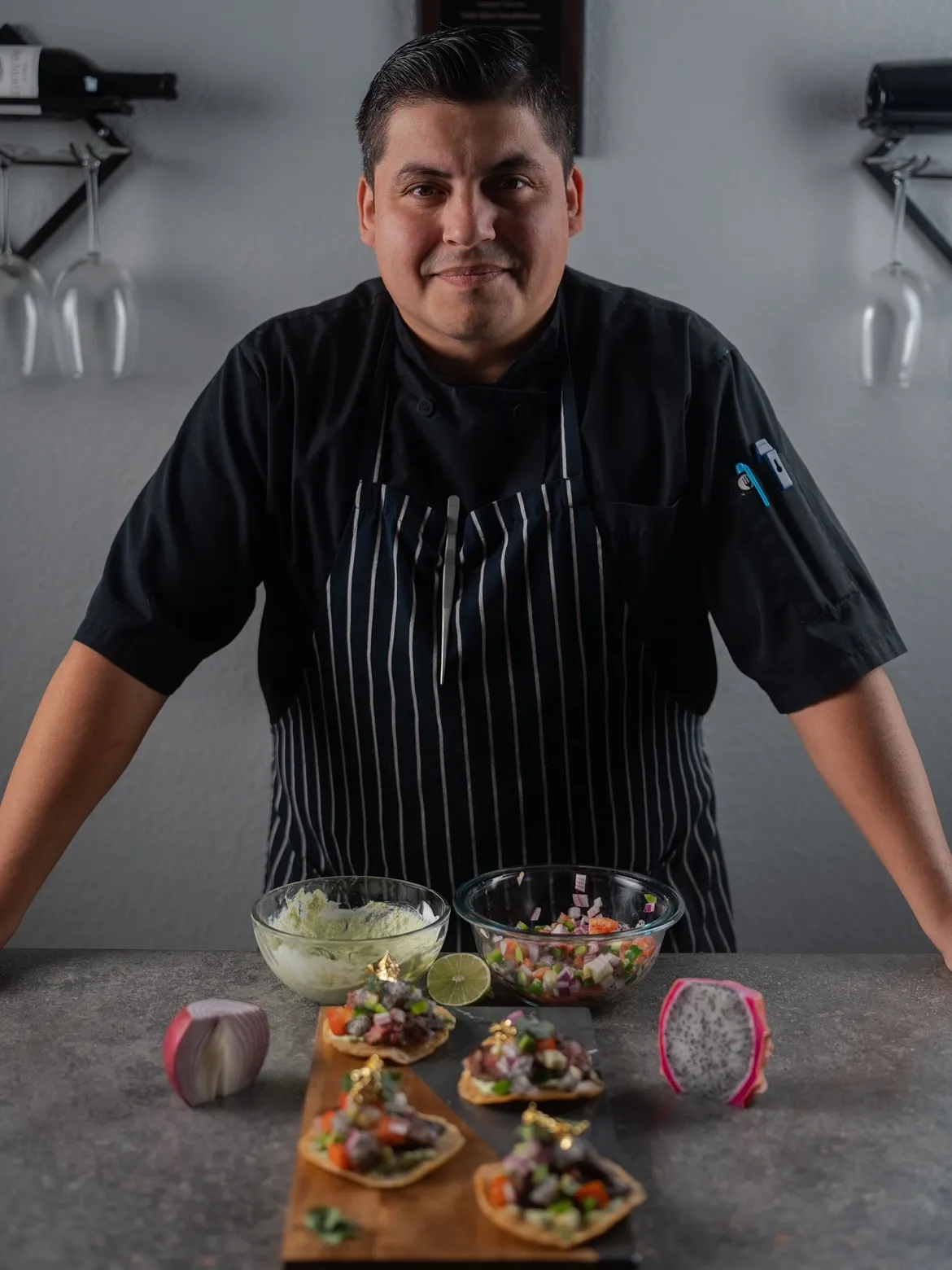
Chef Ismael Torres: That’s a good question. I think it’s both, in my opinion. I think it’s probably best that the restaurant showcases the Chef, who they are and what they’re about. And then, that gives the restaurant its identity. And I think that it’s extremely important that the Chef comes out and speaks on the restaurant platform. Again, it just really has to do with identity.
I understand that some restaurants have some sort of hesitation about that because in our industry, it’s a revolving door. Chefs and Cooks come and go. We don’t want to have that perception of consistently changing Chefs, so I understand the restaurant’s point of view on that. But if the Chef is the Restaurant Owner or a Partner of the restaurant, then it’s extremely important that they showcase who they are, what their story is about and, basically, just what the restaurant’s all about.
With that, would you hire a Michelin-level chef with no social media or a less skilled chef with a strong online presence??
Chef Ismael Torres: I would go with the Michelin Chef, personally. I have 23,000 followers, so I feel like I would be able to assist with the growth of this specific Chef, and I think that hiring this individual would probably be a lot better for my business, just because of the quality and the amount of experience that this person has. And to give them the trade-off of working on their social media presence and how we can do this together — I think I probably would go that route.
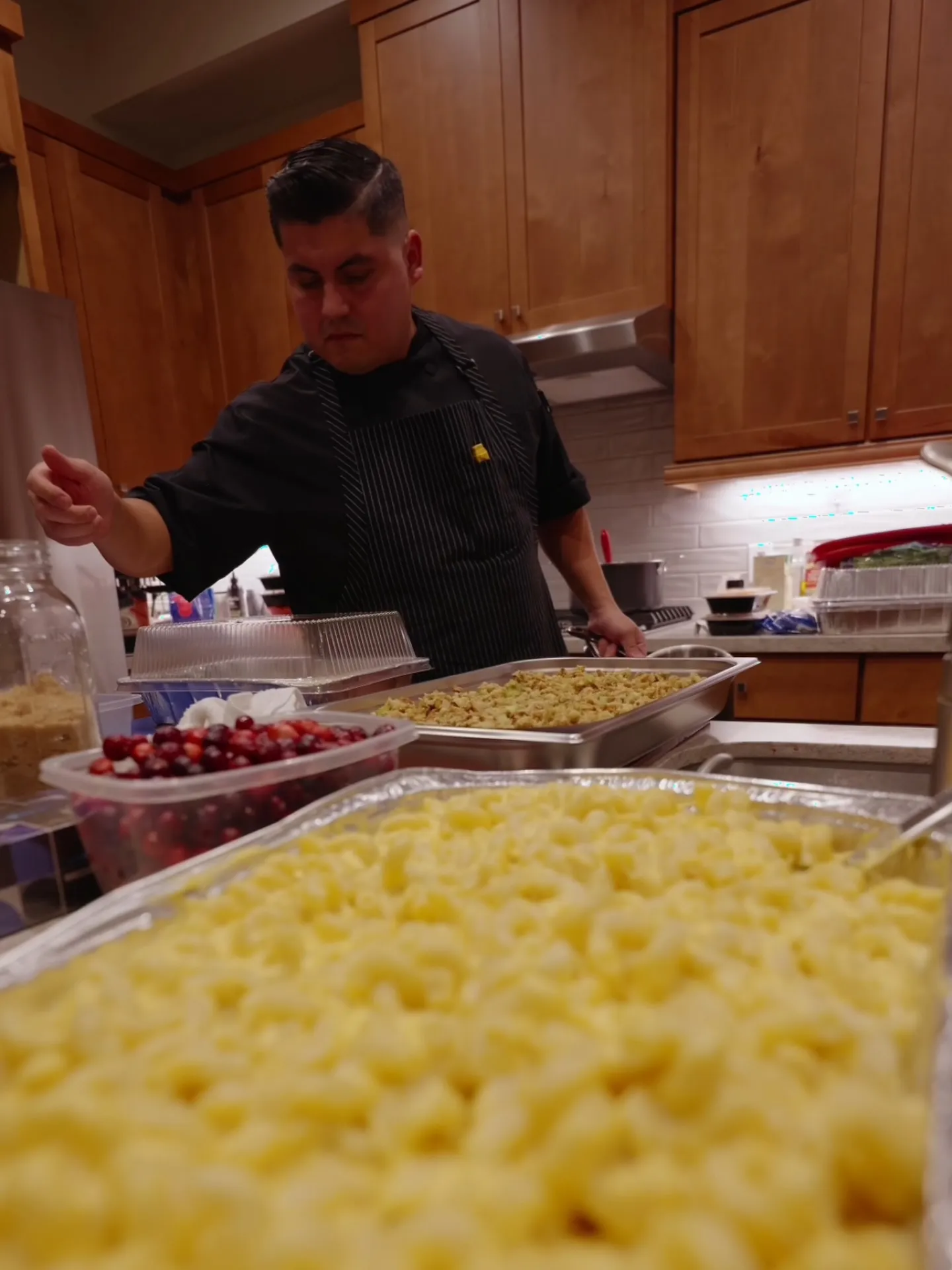
You have a great social media presence. With a $5,000 marketing budget, what would you recommend a restaurant in Miami do first?
Chef Ismael Torres: Okay, so from my personal experience, I would look for a Videographer and showcase what your story is about in your food. And make sure that your vision is clear with the Videographer, because your vision versus the Videographer’s vision could be completely different. Once that’s done, then you can switch over to your phone. I think this phone right here is probably one of the most powerful things that anybody can have. We essentially have a supercomputer in our pockets, right?
So being able to write a script to talk on camera versus doing a voiceover, or just showing off the food, is extremely important because you want to tell a story. And a story is what we as humans want to listen to. Even as children, we always wanted to have story time. And it’s always something that we’ve always enjoyed.
So, most importantly, get your story down, get what your concept is about, who you are and then if you really want to invest in a Videographer after the first time you work with them, then you can go from there.
Since you mentioned storytelling, which one fills the seats in a restaurant? Is it storytelling and authenticity or paid ads?
Chef Ismael Torres: Honestly, personally, paid ads suck. Yeah, it’s been bad for me because sometimes social media has an algorithm, right? And it’s through AI. So AI doesn’t really always capture what you’re trying to get in terms of who you’re trying to target. So storytelling is probably the best way to do it, just because you’re able to target not only the followers that you have, but also new followers.
On Instagram, they have that new feature where you’re able to release a video to your non-followers. A trial reel. So I think that’s an extremely great tool to have and to use. I don’t like using paid ads. I think I’ve used it maybe three or four times, and maybe in terms of leads, I probably had maybe three leads the entire time, and I spent more than $50. And then, there’s a community page here in my city. And I donate to them $10, $15 or whatever it is. And then, for some odd reason, I get a $2,000 client. So look into your community if that’s where you want to invest. You don’t want to invest in the whole country. You want to invest in your community.
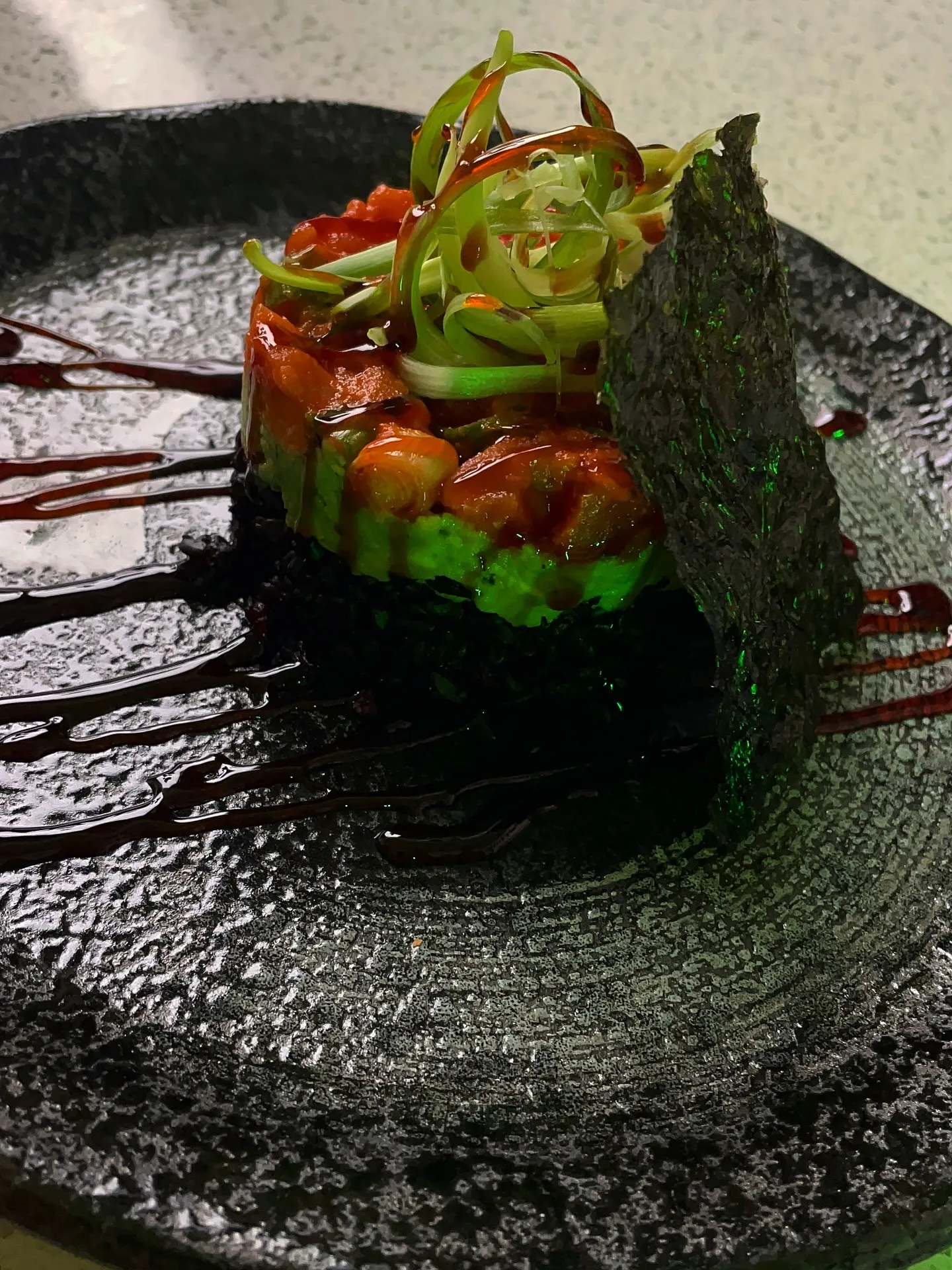
Last question about social media. Have you been in a moment where you felt that you know you’re being dragged into becoming a Content Creator rather than a Chef?
Chef Ismael Torres: Yeah, it’s really hard to keep that balance because social media is a job in and of itself as well, right? And so we want to be able to create great content, meaningful content. In my space, mentorship. And so being able to speak on my experience and then being able to show it off on social media is a pretty difficult balance, but it’s possible.
I don’t know if you noticed, but I don’t really post too many cooking videos. And one of my mentors explained to me that it’s probably a good thing that he doesn’t either because he doesn’t want to close off a section.
We don’t want to just show off fine dining. We want to be able to cater to the Michelin Guide stuff and also to the people who are making tacos on the side of the street.
Let’s now switch to your industry. Can you tell us more about your brand as a Private Chef?
Chef Ismael Torres: Yeah, so being a Private Chef can be difficult at times, mostly because of client generation. When it comes down to the clientele, the thing that they’re focused on is money. How much is it going to cost to have a Private Chef come to my home and prepare a professionally done meal right at my home? And then, also trying to sell them why they need to go with a Private Chef and spend a little bit more, rather than going into a restaurant and getting the same quality?
And my thing is you have to sell the exclusivity and the luxury and elegance of what I’m trying to do.
So, Rough Chop is the name of my company. And we try to deliver the utmost best service that we can, that rivals a Michelin-starred restaurant. So that comes with a team, a dishwashing team, a culinary team, a service team and then we also have a Bartender and a Sommelier. And so with that being said, yes, while it adds up a little bit extra, you’ll get that personalized experience in the comfort of your own home. And that’s what we’re going for as a Private Chef.
Right now, for me, it’s been busy, extremely busy with clients ranging from 150 clients all the way to two clients, especially during the holiday season. But the challenging part is from February up until July, when we have a lull where there are no clients coming in and asking for anything. So, during that busy season from August up until January, you have to really manage your funds appropriately.
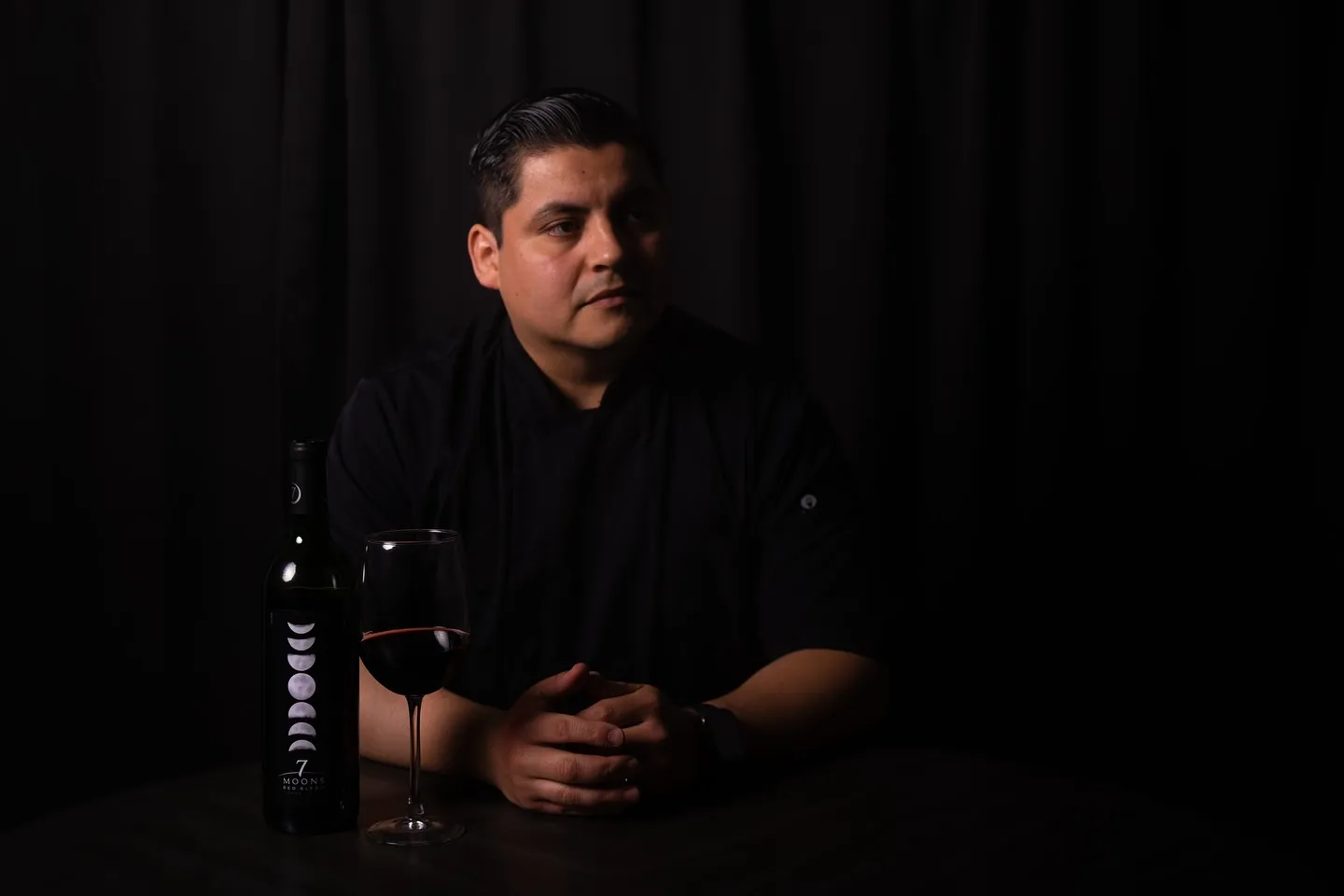
You mentioned having a lot of mentors in your career. Can you tell me the best advice you ever got from a mentor?
Chef Ismael Torres: Let me tell you a quick story. There was one time when I finally decided to go 100% in the culinary industry, and I ended up going to work at a rehabilitation center for recovering addicts. And in that center, we learned how to cook from scratch, which is something I’ve never done before, because it’s always been opening a bag of fries, dumping it in the fryer, flipping a burger, all that fun stuff, which was good because I learned a sense of urgency and consistency.
But now, going into this space of the rehab center and learning how to cook from scratch, it was extremely difficult for me to adapt. And I didn’t know what to do other than quit. So what I did was I went up to my Chef, Chef Marco. Here’s my letter of resignation. He opens up the letter, reads it and says, “Okay,” and he tears up the letter, and he says, “You can quit when I tell you can quit.” So, I, being a young kid, just said, “All right. Yes, Chef.” So I went back into the kitchen, and I continued to work. Eventually, the rehab went under, and I got laid off.
But the lesson I learned was that just because things get hard doesn’t mean that you should quit. Stick it out.
And I’m extremely thankful that Chef Marco was the one who forced me to stay rather than allow me to quit because it would have been a constant cycle of just quitting, quitting, quitting, quitting, rather than just sticking it out. So don’t quit even though things get hard. And I’m not talking about the culture of the team. I’m talking about the job itself.
Speaking of giving people chances, what gets someone hired right away? What impresses you in a job applicant?
Chef Ismael Torres: So I mentioned earlier about stoicism. People who are humble. Those are the ones who really attract me because I can teach them. I’m able to mold them into my image, into what we’re expecting. Also, the culture of my team is to create someone who is humble and not only good with the knife, but also good at listening and paying attention to the needs of our clients.
And so with that being said, it usually comes down to: Are they personable? Are they nice? Are they humble? Are they willing to learn? And that’s what I care mostly about, and then sure, the skills come after.
But during that time, as a Private Chef, when we’re working in other people’s homes, we have to give their home respect. We respect their home because we’re guests. And that’s who I’m looking for in terms of being a Private Chef. Now, when it comes down to me working at a restaurant, skills matter to me. But again, it’s the humbleness that matters to me the most.
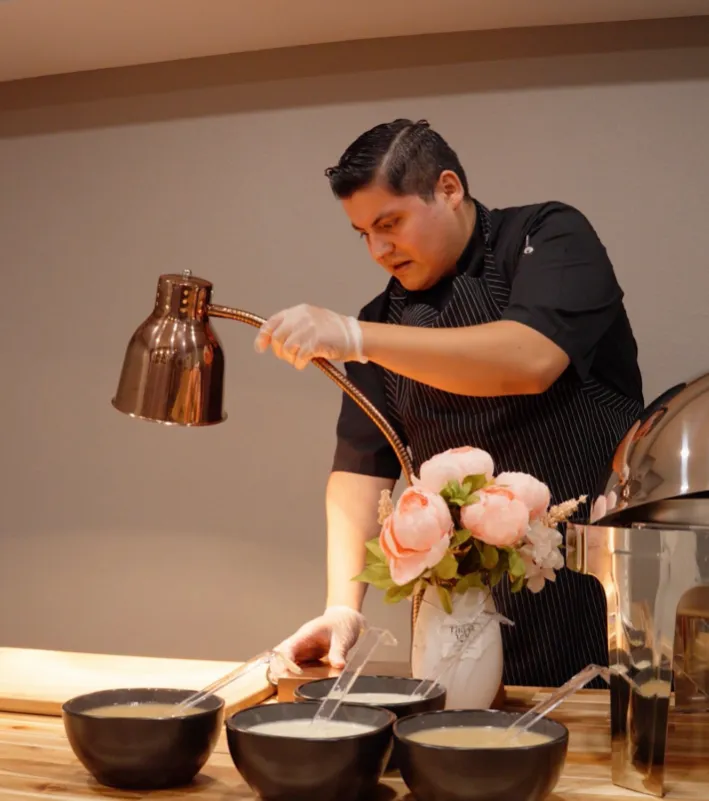
Then, what about a quality that gets someone fired?
Chef Ismael Torres: Ooh. I think it’s the toxicity that they potentially can bring in. It’s been very rare when I’ve had to let go of someone, and I credit that to my law enforcement schooling. Just knowing and understanding the psyche of the person and who they are and how to deal with it is something that I really, really do like that I was able to learn — how to wear different hats and how to understand different people and then whether I want to bring them onto my team. So that’s first and foremost, being able to read the individual.
But in terms of me letting them go, for me, it’s when they’re drinking. They’re clearly impaired. They’re posing a danger to my team, to myself, to themselves. And I think that’s probably one of the big things. That they’re not able to perform in a safe manner because I take safety very, very seriously. And then obviously, when you’re arguing with the client, that’s an immediate termination. Argue with me, but not with the client, because again, we’re in their home and we’re going to respect that.
Let me wrap up this conversation with one question about the upcoming season. So you said that February to June is the slow season. How do you handle that as a Private Chef?
Chef Ismael Torres: So, as I mentioned, it’s about being financially responsible. Being able to know when to invest and when not to invest. Right now, as I’m receiving deposits, that’s the time to invest and to grow. Then, from February through August, it’s more like trying to get with the community and trying to get jobs. It can be very difficult because a lot of people aren’t really celebrating anything, and it’s not the holiday season. So doing pop-ups for the community is extremely important for me. And doing small catering gigs like tacos. Those are the easy ones to take care of and to take on any job that you can.
When there are no jobs, you should be taking the time to learn. Read books on how to improve your finances. Maybe even getting a side job. But I mean, it is what it is as a Private Chef, until you get into that space where it gets easier and easier for your clients to start spreading the word. And I’m noticing that it’s getting better for me as every year goes by. So again, this comes down to not quitting.
Check Our Career Growth Tools


Find available Private Chef jobs in Miami, or check out more interviews like this brought to you by OysterLink to learn about the industry. You can get them straight to your email by creating an OysterLink account and joining our newsletter.

Loading comments...