


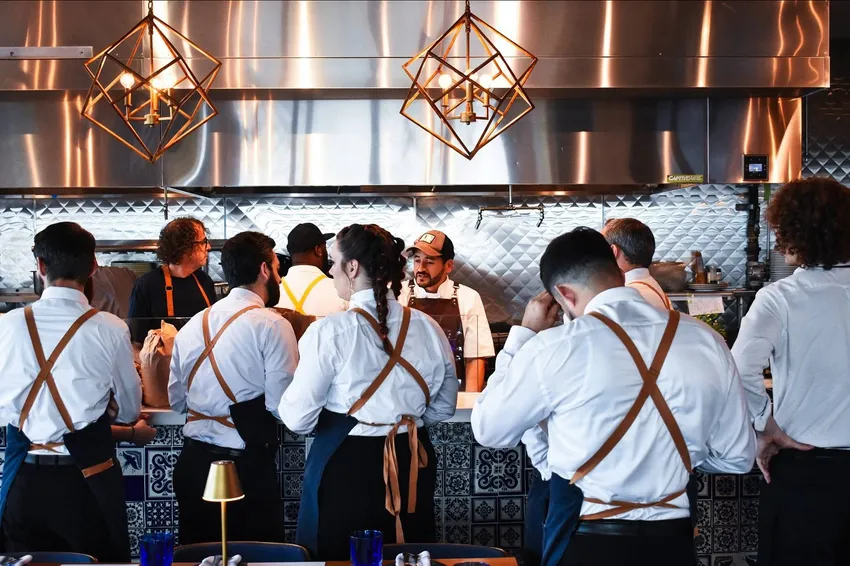

Chef Gabriel Balderas discusses his journey from Oaxaca to Louisiana. He explores the "Slow Food" movement, the realities of running a farm-to-table operation, and his mission to preserve heritage ingredients through his diverse restaurant concepts.
Please introduce yourself and tell us a bit about your career path?
Gabriel Balderas: My name is Gabriel Balderas and I was born in Mexico. I immigrated to the United States when I was 16 and I lived in a couple different cities here. You know, always involved in the restaurant business. I was born in the area in Oaxaca, Mexico where we have lots of ingredients, lots of resources, and are very diverse.
And so I immigrated here, working in different restaurants, different cities. was always, you know something that really stuck with me was being around ingredients, quality food, fresh. You know, throughout my career working in restaurants, I decided to open a place in Shreveport, Louisiana. Our first restaurant opened 12 years ago. And then we also have a farm that we opened right at the same time we opened the second restaurant about five years ago. And recently, last month, we opened a restaurant in Oaxaca City, Mexico.
And where do you spend your time? Do you actually still cook or manage the teams?
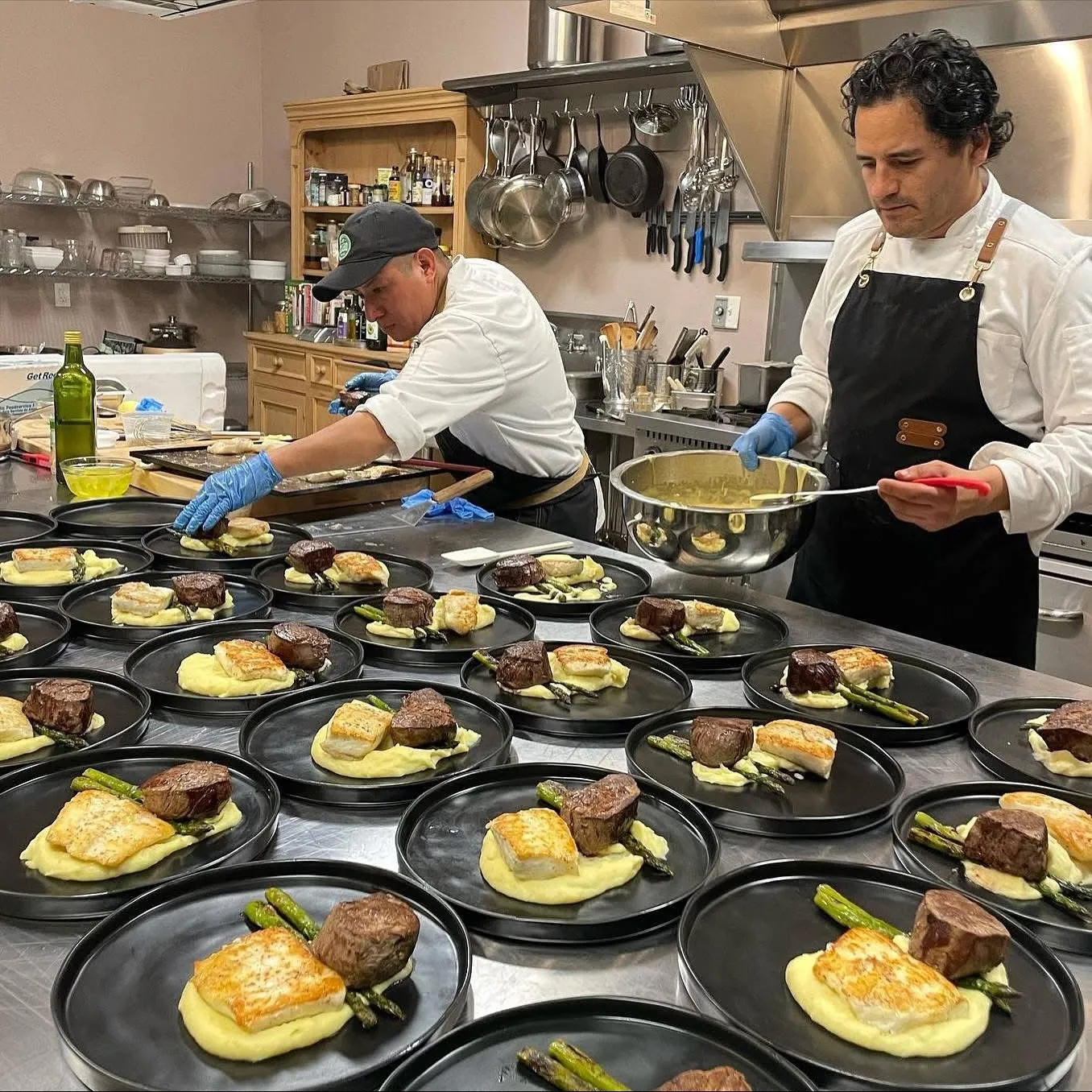
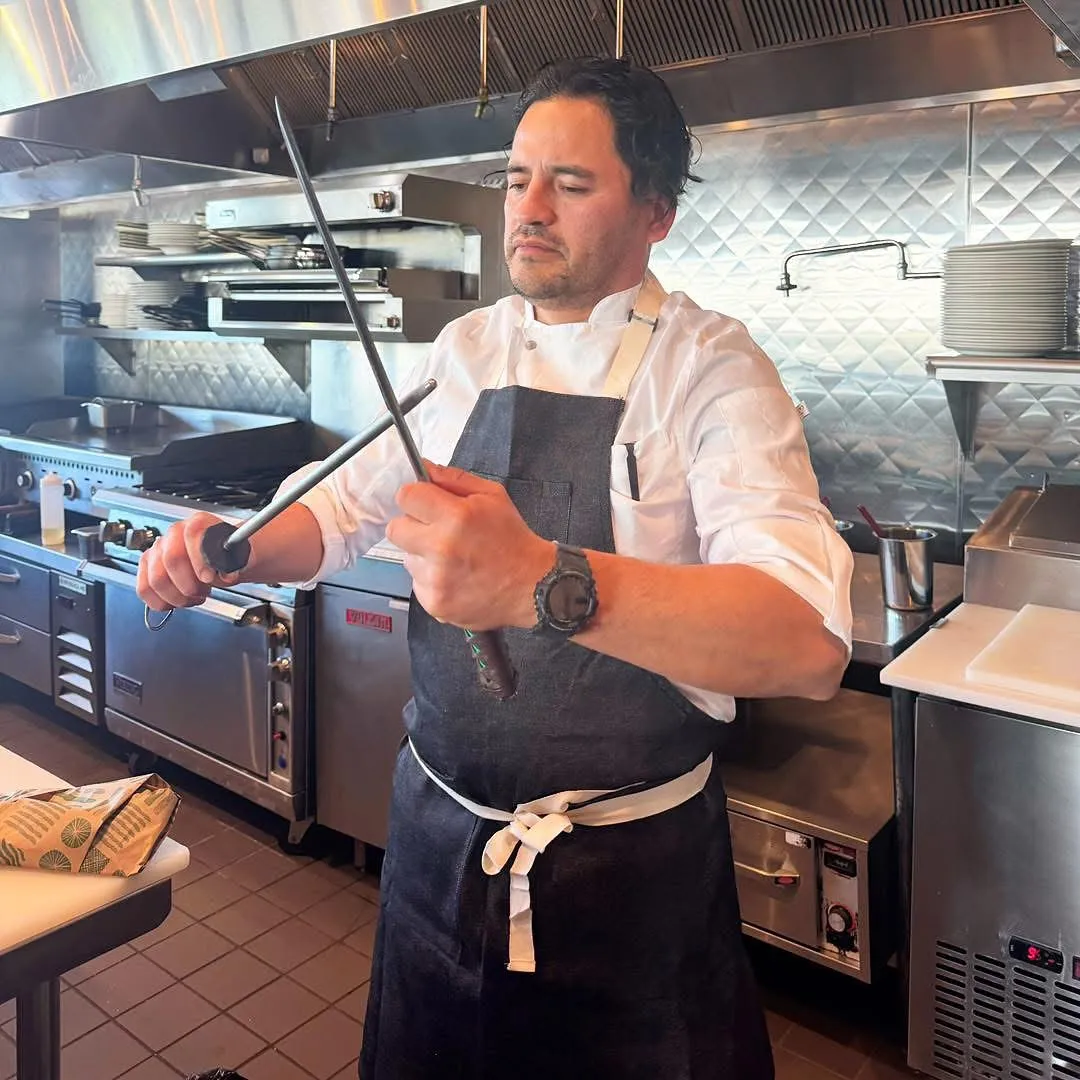
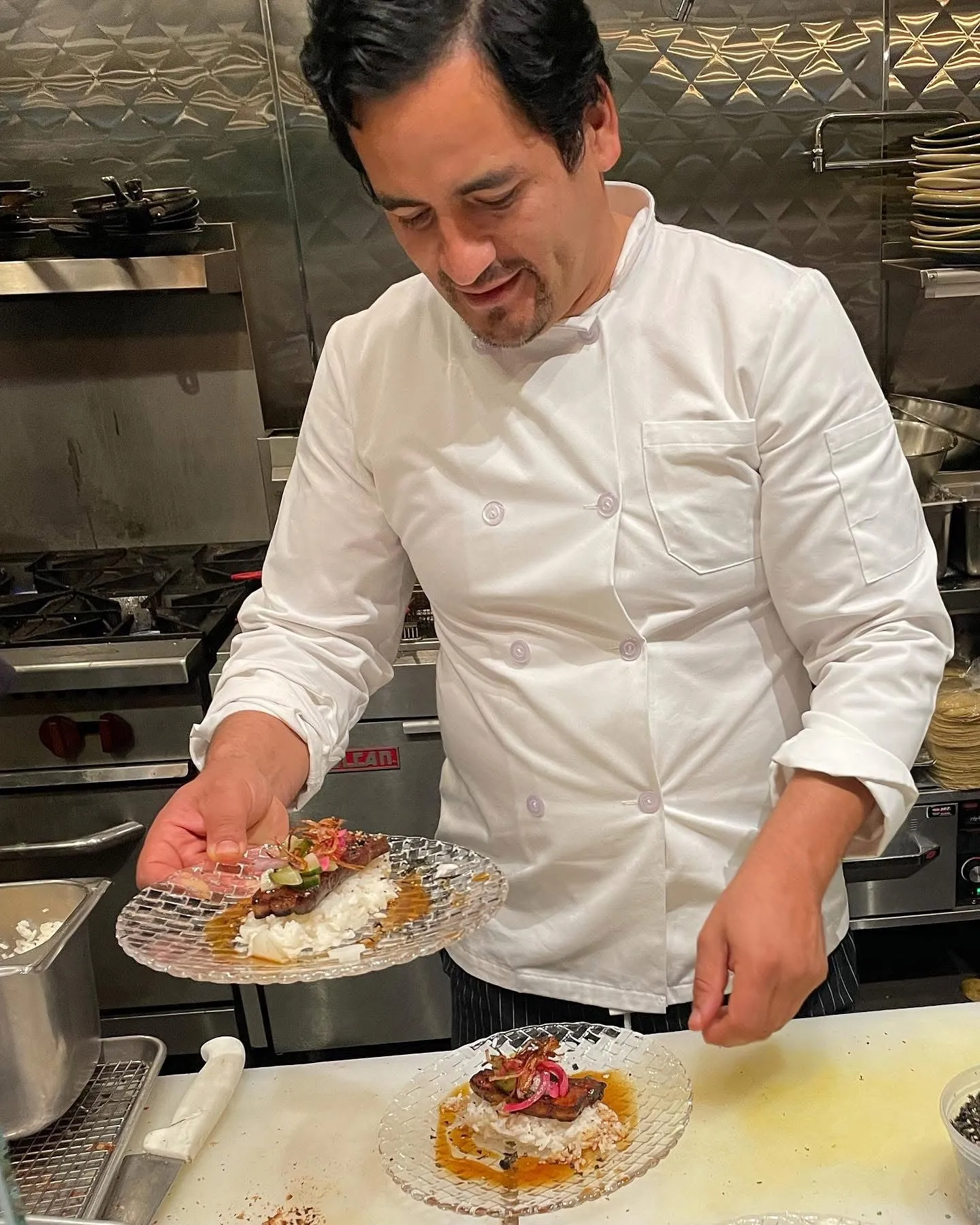
Gabriel Balderas: I do, I still cook. I do a little bit of everything. I think as a cook, we always have to, you know, it's always in you, you know, we have to be touched, you know, being able to interact with the ingredients, touch the food, you know, interact with the team. So I'm heavily involved. I get to do a lot of the creative part of the concepts of restaurants.
We have seasonal menus, so we get to change the menus. The spring is usually the busiest time for us because we're coming up from the winter. And so we have to change our menus to, you know, everybody gets a little excited when it starts warming up. know, weather changes, ingredients change. So I get to be in that creative aspect of that.
You mentioned that you have two different concepts in the states, can you tell us about those concepts, what makes them different?
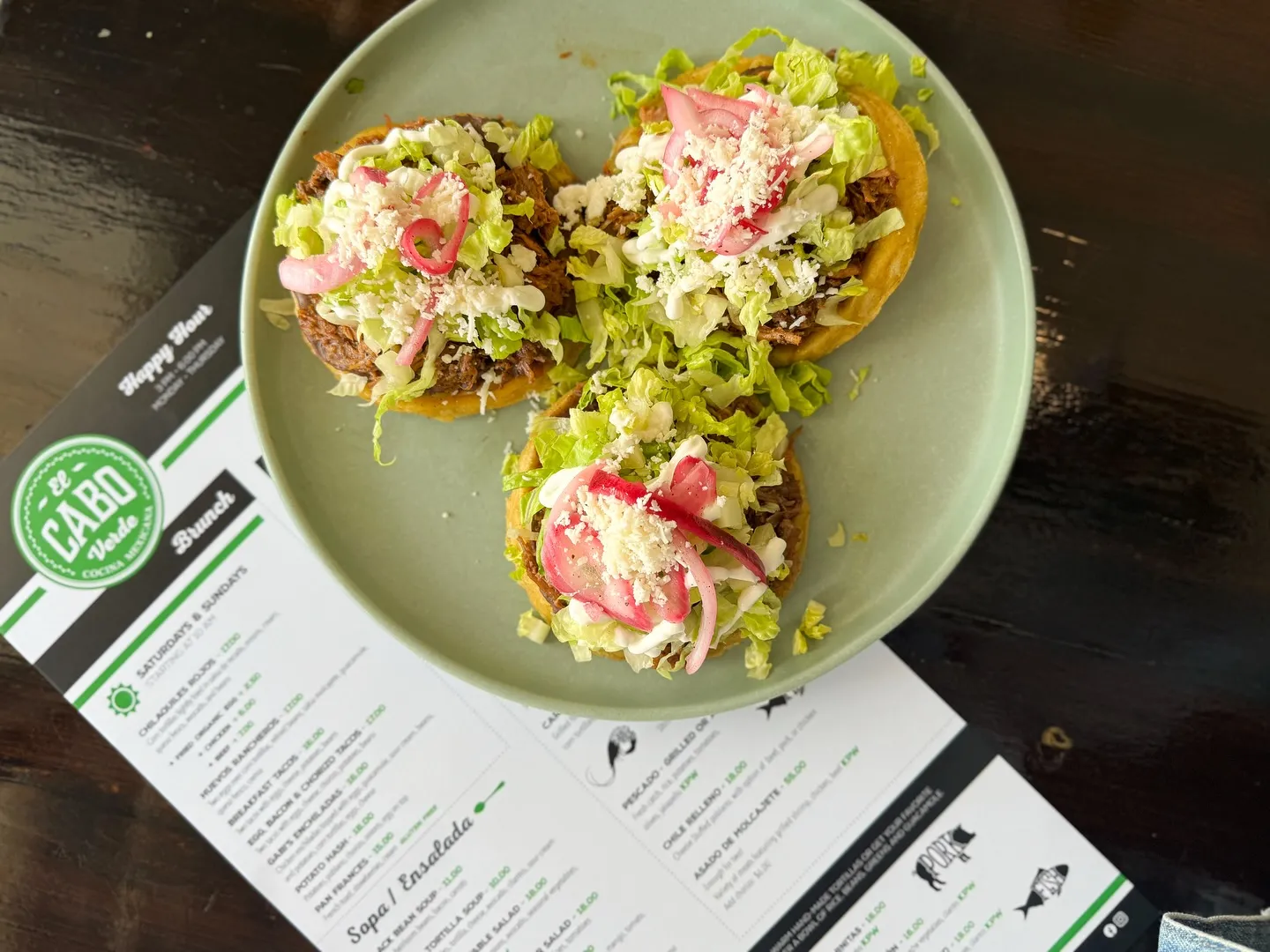
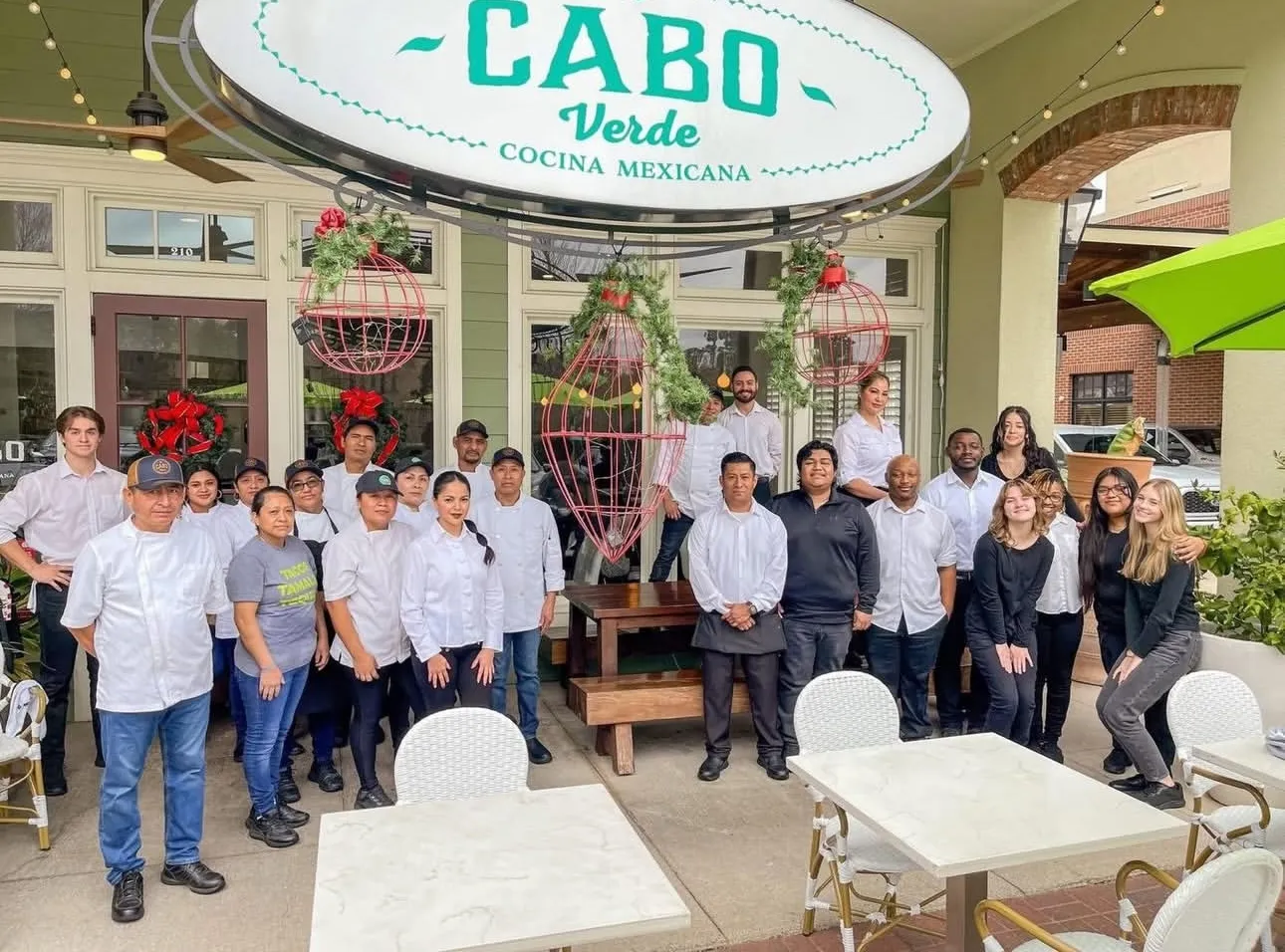
Gabriel Balderas: Sure, have El Cabo, which is the Mexican concept. El Cabo is strictly heritage corn. We do nix tantalization. We grind our own corn in-house. We import different types of beans as well. Heirloom beans and Heirloom corn. We have, I will say, probably about seven different kinds of beans, five to six different kinds of corn that we import from Oaxaca, Mexico as well. And so we rotate that through the menu. So one day you come in, your corn tortilla is made of blue corn. The next day can be made from Bolita Erlund corn, which is Bellatovich, which is kind of like purplish looking corn. Then we do yellow. We also do white.
So we rotate that through the restaurant and the seasons as well, what's available. In the beans, we do the same thing. One day it can be black beans, the other day it can be white, butter beans. Our concept is, our restaurants are really driven by the ingredients. We like to work with ingredients that we like to trace back to their source. Also, menus are dictated by the ingredients. And the other concept we have is the seafood concept.
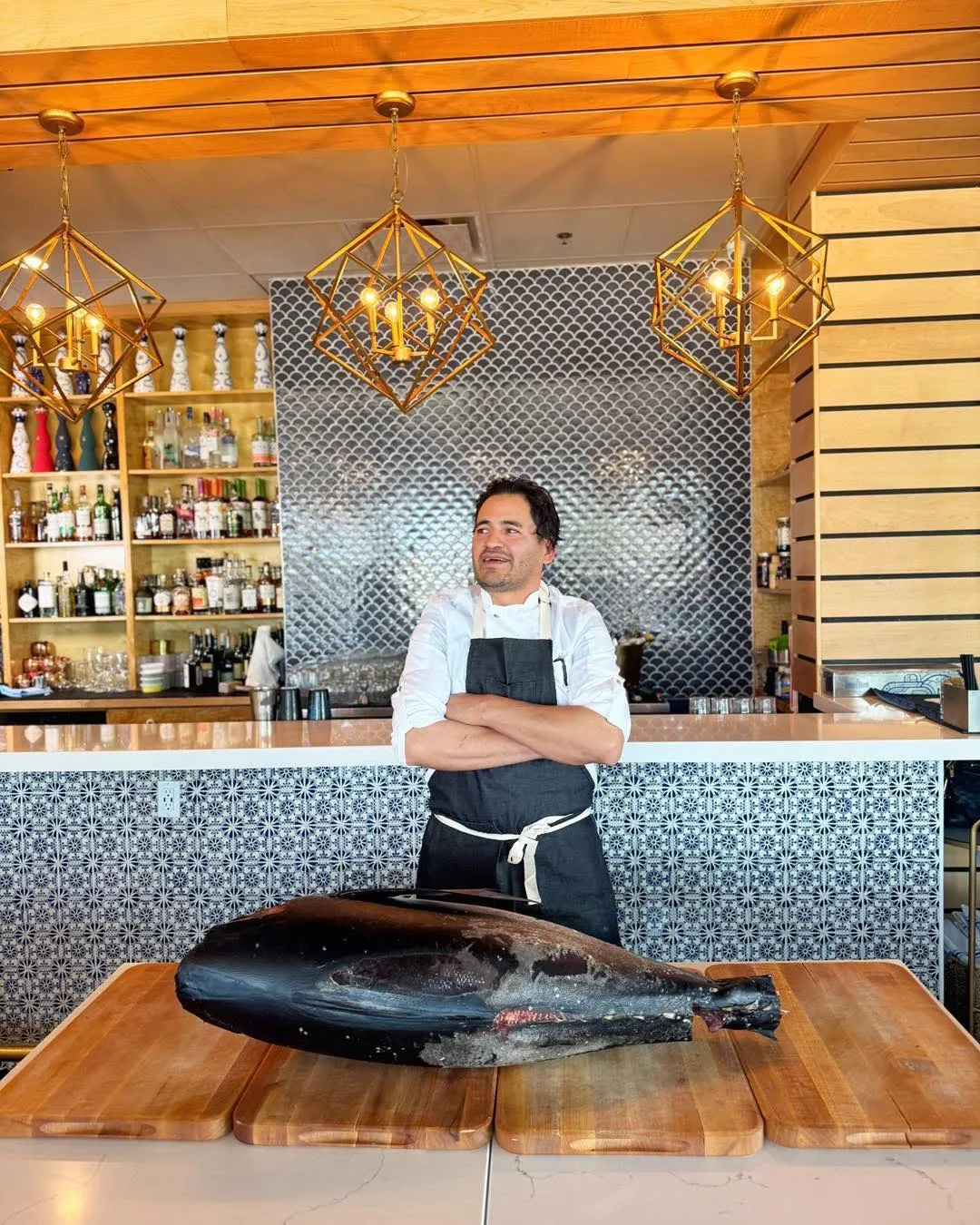
That it's strictly around seafood, with also with the same mindset, ingredients that we are able to grow at our farm and also seafood that can be traceable as well. Traced back to a boat, captain. So we like to do that. We have really good fishmongers, really good partners with that. So we're able to source our ingredients.
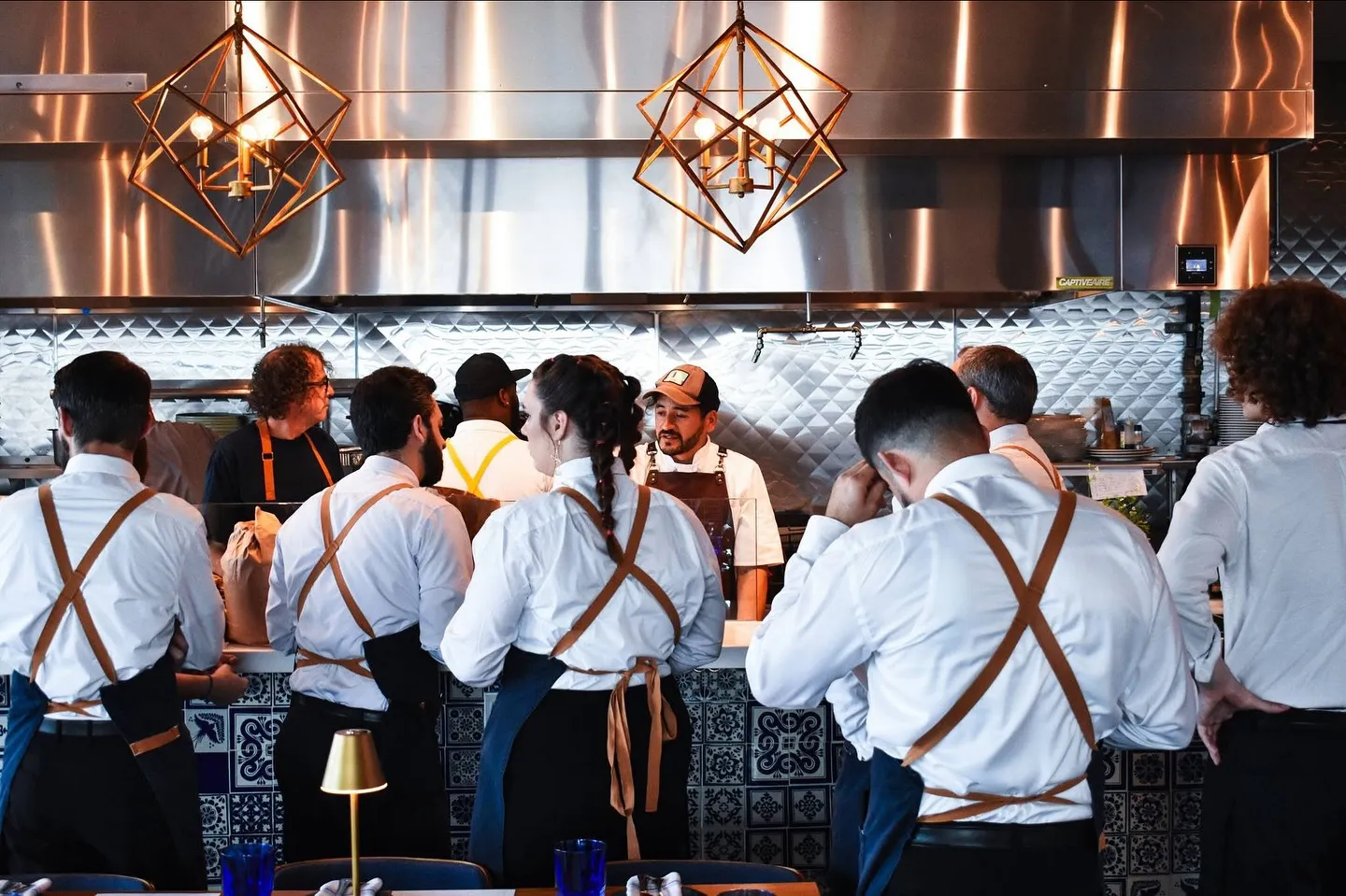
Why have you decided to go with a different concept in the second restaurant?
Gabriel Balderas: You know, I feel like we have a need for, especially the area around here in Louisiana, we have a need for, Louisiana is the number one producer of shellfish in the United States. And I feel like in a region, we don't have someone, we didn't have someone at the time that could bring you fresh quality seafood.
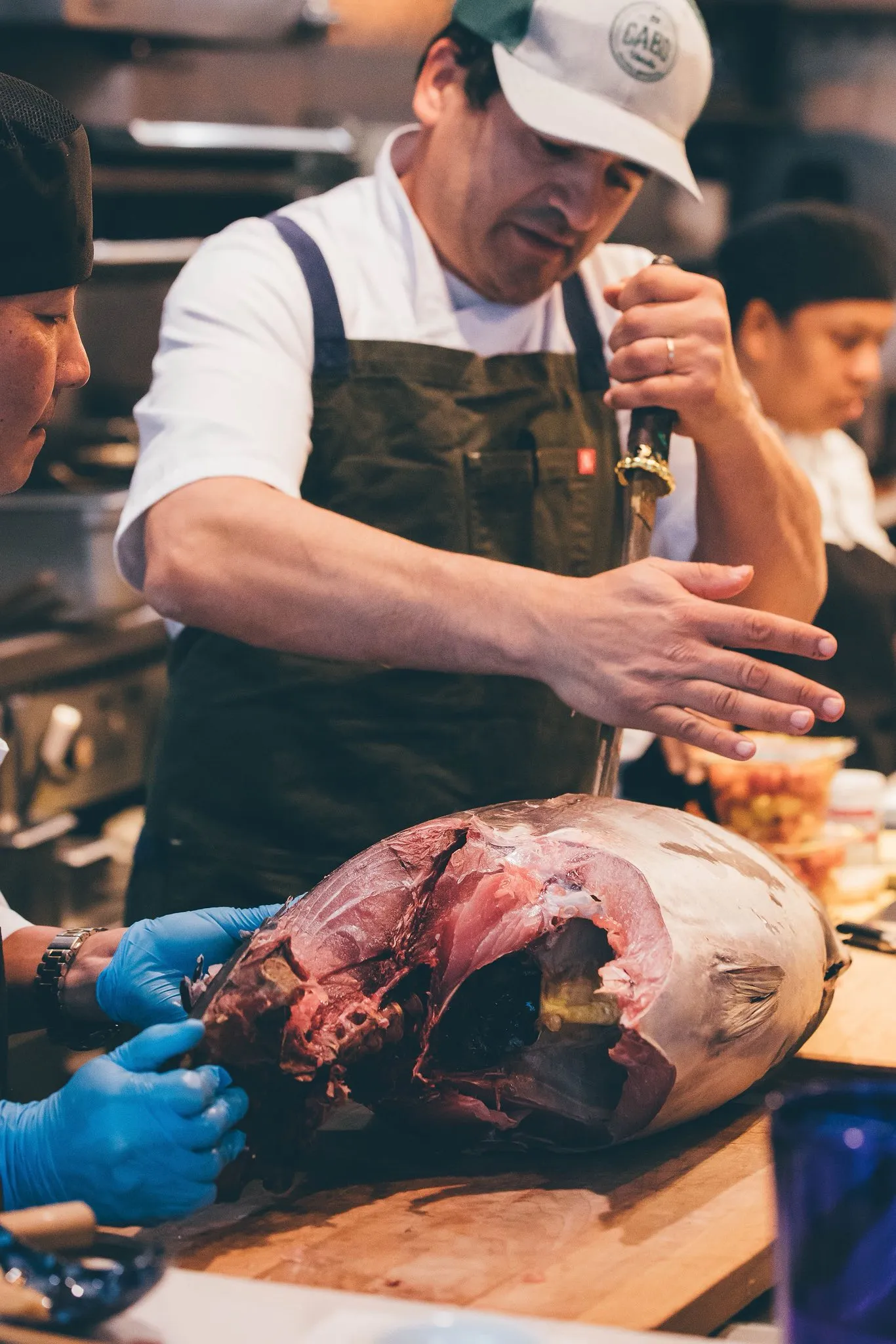
At any given time on our menu, we have over six to eight different choices of fresh fish. And so we wanted to be that source to our community, to be able to access, you know, if you want to eat wild salmon, well, we have it, you we offer it when it's in season. If you wanted to have a snapper, or if you wanted to have fresh sea bream from the Gulf of Mexico, you know. We didn't have that here, so we wanted to offer that to our community and also support some of our local fishermen.
How does it feel to go back to open a restaurant in the place where you first learned how to cook?
Gabriel Balderas: Look, to me, it's, you know, having to go back home and being able to do this. It's almost like something that I had to do because I'm from that area. And now I get to showcase the ingredients from my own region. And one thing that is important, you know, not a lot of people may know, but, you know, we trace the region from which trace the beginning of vanilla. Vanilla originated in my hometown. So there's a lot of history to the ingredients of the region I'm from. And going back to where I'm from, I feel like it's only, it was only the right thing to do, know, going back and showcase ingredients from my region. You know, we talk about seven different kinds of vanilla beans, you know, grown, all grown wild in the area. If you study and research vanilla, vanilla beans will probably take you to Madagascar being the number one producer in the world. But it first was pollinated and grown in Oaxaca, Mexico. And a lot of people don't know this.
A lot of people don't know that we have seven different kinds of vanilla beans that we have discovered in the wild. I know that for a fact there may be more to be discovered yet. So vanilla is one of the ingredients that I'm most excited about. Also the cacao, we have white cacao in our region. But that's two of many, many ingredients that we have there, you know, along with corn, beans.
All these are Erlon endemic ingredients that we're able to work with them in a, you know, really, I would say clean and fresh. And we can go from harvesting our own vanilla beans to harvesting our cacao, cacao pods to break the fruit open, ferment our dark chocolate. Our white chocolate we just dry and then toast and then we turn it into our desserts or our savory dishes. So going back to my hometown or going back to my place of birth, it's really exciting because, you know, we don't have to do a lot to the ingredients to make them taste great. That's really the most rewarding, the most exciting part of going back home, you know.
I'm guessing this is a great learning experience. Are you planning on moving some of your team members in Louisiana to Mexico or do you plan to have two separate teams?
Gabriel Balderas: No, we do. Actually, well, at the moment we bring, we've been bringing our teams back and forth so they can experience, see what it's like, you know, firsthand, what it's like to go to a vanilla orchid and, you know, harvest, it, see what it's like, see what the process, you know, because not only you have to grow vanilla, but also you have to dry it as a whole process involved. And so we like our team to be involved and see firsthand how it's done, but also being able to be creative with the ingredients because the possibilities are unlimited. And so it's important for us to educate our team members as well. I feel like there's not often you get the opportunity to do that if you're in the food service industry or the hospitality profession, which I call it. It's a profession for us.
If you could go back in time to the age when you were 16 years old, just immigrating to the US, what advice would you give yourself back then?
Gabriel Balderas: I feel like the advice that I will give my young self at 16, I will say, you know, slow down, you know, take it in. You know, it's not all about rushing or getting things done. You know, how fast can you get something that it would be to slow down, take it in, you know, learn, be patient. I think what we see in most folks today is that we want things to happen fast. And I feel like it's important to step back a little bit and think about those years, you never get them back. So it's important to enjoy the learning process. Slow down, take it on lead, and decisions can be made. Obviously at that age, it's difficult to make the right choices and decisions.
Everyone is trying to skip stages, that's what we can see in the industry lately.
Gabriel Balderas: I feel like it's the day we live in today, you know. But I feel like it's important to say, you know, how can I take this opportunity? How can I take this time and make the most out of it? And experience it and live the day to day and enjoy it. Don't rush into things, you don't make the decisions based on, you know, emotions.
Check Our Career Growth Tools


As far as I know you run nourishing farms to supply your own restaurants. So, what pushed you to take on farming on top of everything else?
Gabriel Balderas: I think it's always been part of me growing in an area that we had access to all the ingredients. You know, I feel like it always stuck with me that, you know, I wanted to have access to ingredients that were fresher than we're able to get here in the United States. I feel like the 2019 pandemic, or I would say after the COVID, I feel like we were actually in a bad place as a profession, as a hospitality profession. We saw everything that we knew collapse.
And one of the things that I realized at that time was that we didn't have control of anything. And not because we wanted to be controlling of things, I feel like we are, as someone that cooks and experiences growing vegetables and raising animals, I feel like we have to let nature do its thing. But in a way that if we, you know, are able to cook with good ingredients, you know, we want to, as cooks, I feel like by nature, when I have access to the best ingredients available, it's hard to control that. So when the pandemic happened, I feel like that was the moment that made me push to say, you know, I have to do this because otherwise, you know, I think the pandemic showed us how fragile our food system in America is. You know, one thing can trigger, you know, can shut down the whole chain supply, you know. And because of that, we took it, you know, we took on the challenge to start the farm, to provide our own ingredients as much as we could. I mean, to this day, I can tell you, we're able to raise our meat birds, our chickens.
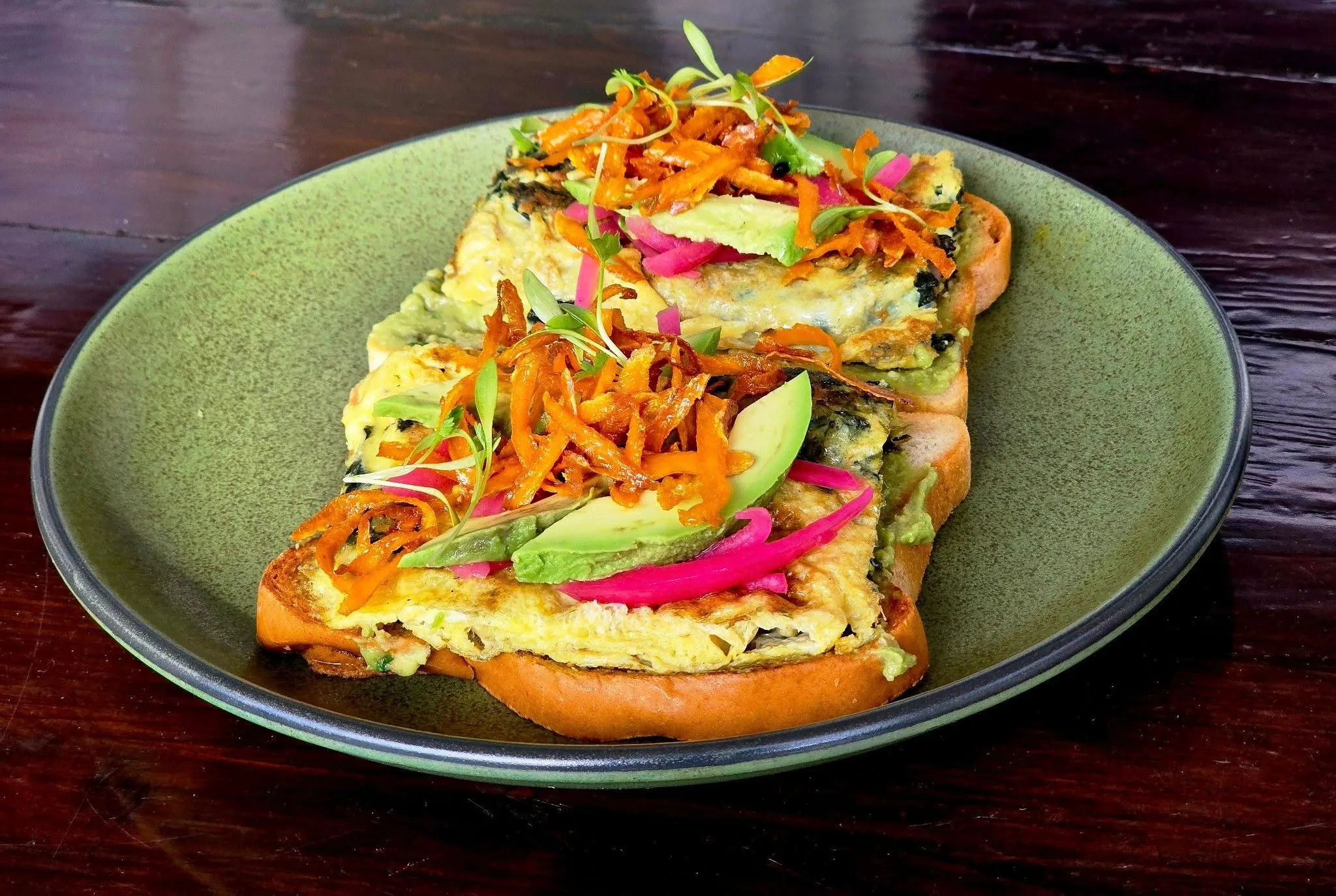
We have our layers, we have eggs, we provide eggs for the restaurants. We grow all our herbs for the restaurants. We do seasonal rotation ⁓ vegetables. We have quite a few fruit trees. We have our own grapes. We do a lot of things for the restaurants. It's still, can tell you, we're nowhere near the percentage of ingredients that we wanna supply ourselves or grow ourselves, we're probably about 40 to 50 % of our ingredients for the restaurant. And our goal is to possibly be around 70 to 80%. I think in this time and age, it's very challenging because you need lots of acreage, lots of land, and you have to be a steward of the land as well. So with that in mind, it's even more challenging to raise your own beef, raise your own chicken, raise your eggs, and then on top of that, the vegetables.
You mentioned 40 to 50%, right? So can I ask you how that changes what ends up on the plate?
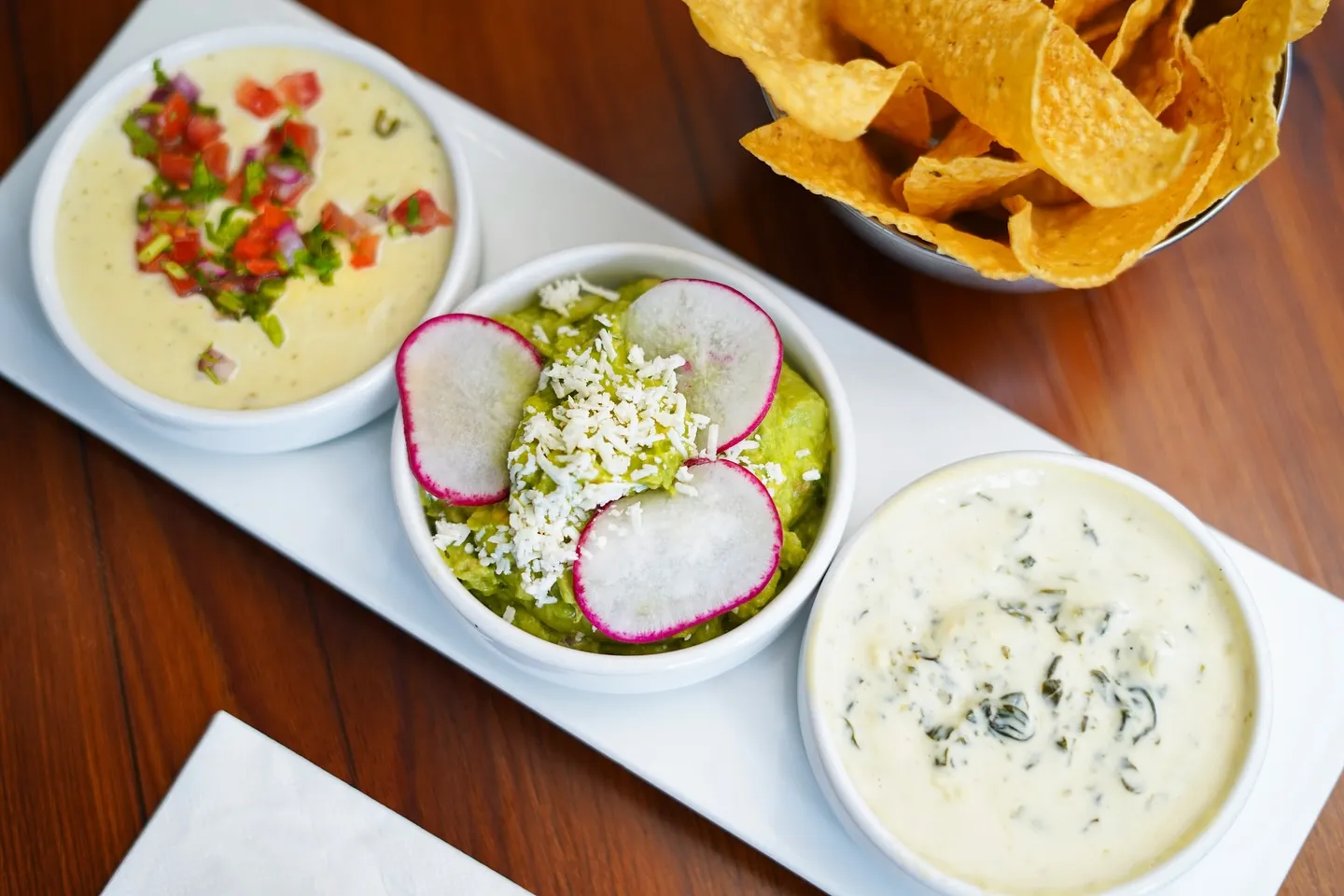
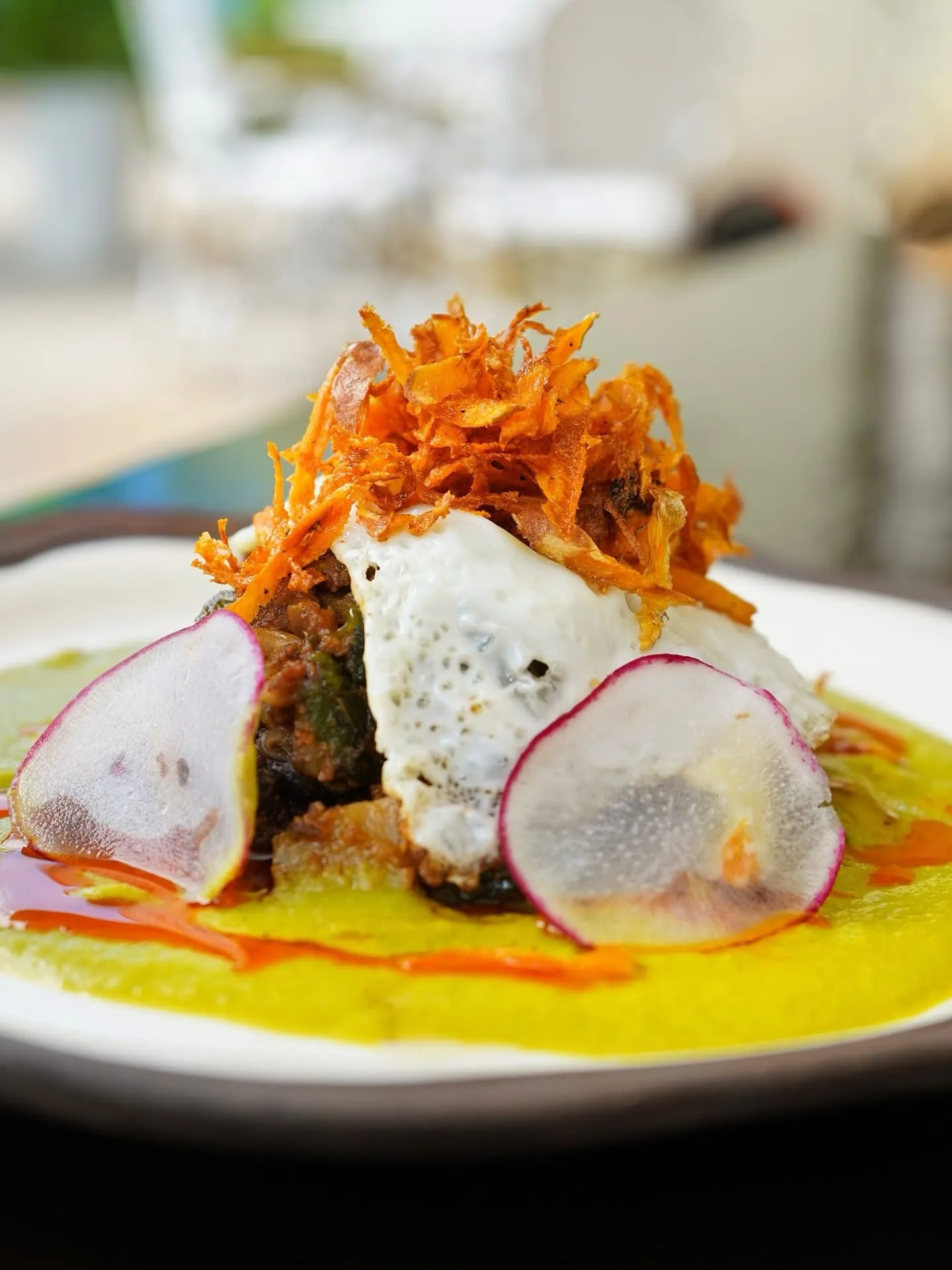
Gabriel Balderas: You know, I want to say something that maybe some people don't agree with me, but if I'm able to harvest a radish right off the ground, my farm is literally, one of my restaurants is half a mile away from my farm. If I can harvest radishes at 10 in the morning, and I can be served the radish at 11 o'clock when my restaurant opens, the flavor profile of the ingredients are far greater than any vegetable you can get from the grocery store or a supplier. So how will my ingredients change my plate or my dishes? It has a big impact on flavor, texture, and shelf life of the ingredients.
To give you an idea, just fresh mint. I can pick fresh mint in the morning and the fresh mint that I picked in the morning, can still look fresh after day five. Incredible. If you go to a supplier and get fresh mint, you know that the mint was probably grown in California. And it traveled probably 1,500 miles, so 1,600 miles and it has probably been refrigerated for at least five, six days. So by the time it comes to you, your shelf life is probably three four days. So it makes a big difference, it makes a big impact on the quality of the ingredient you're serving as well to your consumer. So it has a trickle effect because it's less, I'm gonna say this, it's less work for me as a cook to be able to say, how can I make this ingredient, how can I make this recipe better? How can I make this dish better? All I have to do is get a fresh ingredient. So that's the impact it has on our cooking and preparing food.
What is the biggest misconception that people have about what it takes to run a farm to table operation?
Gabriel Balderas: I'll say to me, ⁓ I mean, I agree with the term farm to table. not a, I think it's a very trending thing for the last 10, 15 years in the United States. But you have to remember this, that most of the world, that was their everyday life. And that was everyday life for folks here in the United States back in the 1950s.
Most of the families had a big tree garden or gardens. And so they have fresh food every day. And so you go back to, I go back to, I can give you one example, going back home to Oaxaca. That's the everyday life for most of the communities, the rural communities in Mexico. They grow their own food. eat that, they feed themselves. And so farm to table to me. A misconception for me is that it also, we make it out to be trendy, romantic, easy to do. It's not by any means, it's dirty. It's hard work. It's 10 times harder than working in a restaurant and cooking every day. And it's, you are the wheel of the weather, the climate.
Last year we planted over 3,000 tomato plants. We had rain for five days in a row, and then it didn't rain for maybe three weeks. And then it got so hot, we couldn't keep the plants alive. So you're at the mercy of the weather. so, farm to table, it's, and also, you know, we take a farm to table like this cool thing, but it is hard work. It is hard work. It's dirty. You got to get yourself, you know, your hands dirty, getting the mud, getting the dirt. I mean, if you're like, you know, most of my team members and people that I work with, we love to get our hands dirty. We like to go out there to the farm and pick vegetables and, you know, to be out there. It's great if you're there, if you're that type of personality also, but also it's hard to make a profit. On the numbers side of things, most farmers don't ever get their numbers in the black. Their finances, it's very challenging.
It's probably social media that's romanticizing this farm to table thing, making it look very cool and like it's effortless. But given what you just said, it's the exact opposite.
Gabriel Balderas: It is a lot of work. It's fun, but if you have a little bit of experience about growing vegetables and stewardship of the land and stewardship of animals and doing it the right way, it's great because it's something that I feel like for me it's important to do that, to check those boxes. Do we have happy chickens? Do we have happy layers? Do we have happy goats? Are we doing what it takes to do it in the most in line with nature?
You know, while preparing for this interview, I came across the term slow food movement and I found that you have something with that. So what role do you play in this movement and can you share something about it?
Gabriel Balderas: Well, just to give you a brief explanation about the Slow Food Movement, it started back in Italy. Our founder was Carlo Petrini. And the reason how it got started is because Carlo Petrini didn't want a McDonald's being built. McDonald's was growing and expanding into Europe and the Italians saw this so they didn't want fast food to become the norm just like it is here with us in the United States.
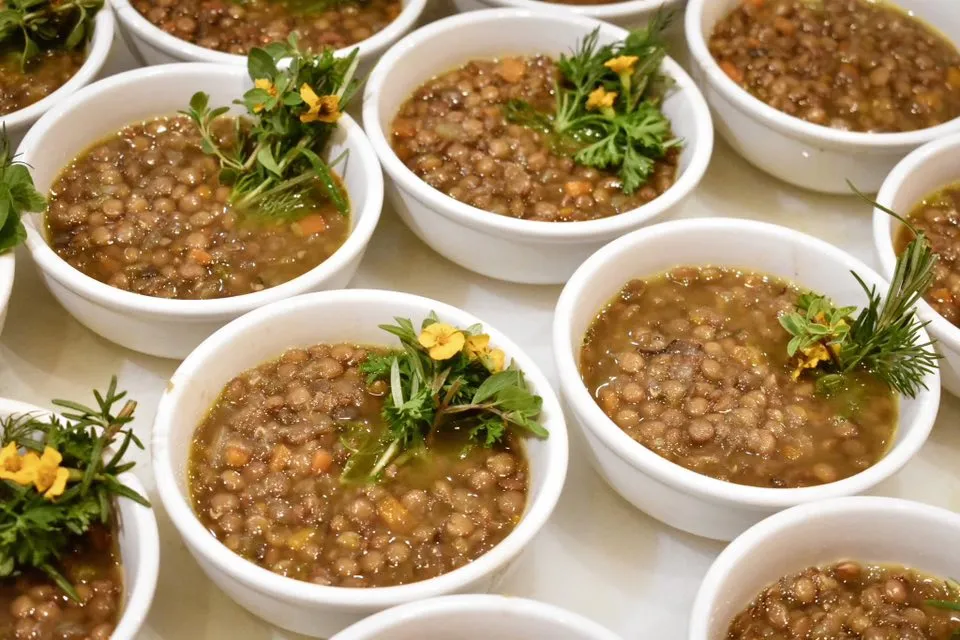
And so basically the motto that the Slow Food Movement has is fair, good, and clean food. And what do I mean by fair, good, and clean? Well, free of pesticides. That means clean, good, that we did the legwork to be able to make it a quality ingredient and also fair means that we have a reward or pay the farmer a livable wage to be able to do farming. And the other thing is that we have to use techniques, cooking techniques that have been passed down for generations. So we're the stewardship of our grainpains, our cultures, and heirloom seeds and heritage breeds. So we have to, in order for me to be an active participant in the Slow Food Movement, have to have on my menu, I have to have heritage breeds of animals that are served on my menu. I have to have heirloom, heirloom seeds, heirloom vegetables, heirloom grains, anything that could be heirloom. And I also have to use techniques that have been passed down for generations.
Can I give you an example? We have a pork dish on our menu. We use a heritage breed that's red wattle pig that's native to the Piney Woods region, is a four or five state region, Texas, Louisiana, Arkansas, Mississippi, and believe Alabama. And so we have to be able to use it; heritage breeds and in heirloom seeds we use most of our vegetables that we grow at the farm are heirloom seeds. use one that we use a lot because it grows like wheat here. It's the seminole pumpkin that's native so we have to be able to use ingredients that are on that list of heritage animals, garland seeds.
How widespread is this slow food movement in the US?
Gabriel Balderas: It's very big; we have actually one of the committees for the southeast of the United States and one of the committee members. We get to go to Italy every other year. We have dinner. The movement is big. It's present in 140 different countries. So we get to interact with chefs and cooks from all over the world. I had the opportunity to cook with people from Peru, where they hold a vast, vast amount of heirloom potatoes. There's over 50 different kinds of potatoes. So I've been fortunate enough to experience cooking with folks from Uruguay, Chile, Peru, Ukraine, Philippines, Cameroon, Italy, Spain, France, all over the world. And so we all have this idea of preserving seeds that are no longer grown. If you think about the supermarket today, there's probably five, seven vegetables that are present in every supermarket.
But the diversity that we have on vegetables is far greater than five, seven choices that you can find. And so the importance here is the more diversity we have, the better off we are. And especially from the creative perspective, from being a cook, if I have more selection of ingredients that I can prepare dishes from, then I get more excited about that also. But also it has an impact on health and well-being as well. You think about nourishing your body. You cannot live off just eating carrots, potatoes, and squash or zucchini that you can find at the grocery stores, or green beans because they're common vegetables here, especially in the United States. So the choices for me have to be more. The more, the better for everyone. More diversity, more nutrition. And so it's important for us to continue working with the Slow Food Movement and to bring those ingredients that are on the verge of extinction or on the verge of disappearing from our next generations getting to eat them or try them.
On the same topic, I would like to ask you what's a food trend right now that you think completely misses the point?
Gabriel Balderas: That's a great question though. That's a great question. I think that we live in a time where I feel like our social media, basically our influencers have so much influence in today's world, especially in food and beverage. I feel like we're becoming more globalized. It's here and there's no denying it.
I feel like a food train for us that unfortunately they come and go quickly, you know, like what do you think about today? Like I'm thinking for 2025, I feel like we're seeing more of the old becoming the new. I like to think about ingredients or dishes I see like, for instance, chicken. A chicken dish that I've seen lately is cordon bleu chicken. was 15, 20 years ago, it was something that you will see on menus, in restaurants. And now I feel like it's coming back. So I feel like these trends are more like the old and the new, the old is becoming the new.
I don't know, it's hard to say what the food trend will be. mean, to me, would be a food trend that I have an issue with would be like eating raw diets. It's trending, people are on it, they're eating raw vegetables, things like that. I don't know what I would be like, mind if everybody has a raw diet. There won't be a lot of work for all the grandmas and mothers at home and grandmas and cooks. So I feel like it's important to think about food from that perspective as a cook. My responsibility is to offer nourishing meals. And it's important to think about my ingredients, how my food, and my dishes are going to nourish people's bodies. And that's the question, I think that regardless of what your food trend is, it's happening. I think we have to think about how the ingredients can be better for our customers, our everyday life? And to me, that's the challenge of our food trends. How can we make it look good, make it taste good, but also be nourishing to our bodies.
Since you have three restaurants, I want to know what makes you hire someone on the spot right away, whether it's during a job interview or during a stage?
Gabriel Balderas: That's a hard question. The one thing that will make me hire somebody is I have to observe. I have to observe them. think for the restaurant, for the hospitality profession, I think it's really hard to gauge that just with one interview or two interviews. I think for me, one important thing that I like to do is we interview, two or three interviews, but we also do reference checks. And we look at your history, your work history, of course. I can tell by watching someone for a day or two, whether they're a good fit or not. You know, when we look, the characteristic is to look at someone, it's obvious, we call it more like the three things that are important for.
What I look for in someone is the desire to continue learning, the attitude, you know, what's your attitude, work ethic, and the most important, empathy. And those are important things that we take in consideration because if you have the desire to learn and you have the work ethic and you understand empathy well, and obviously also, I missed this one, but the attitude. You know, having a positive attitude is important because when I'm looking to hire somebody, or my team, I want to look for someone that I'm going to learn from. It's going to, you know, you have to look for, you have to seek for people that are going to help you grow, that are going to help you be better. And that's important. If we surround ourselves with people that push us to be better, that's a win formula.
Check out more interviews like this brought to you by OysterLink to learn about the industry. You can get them straight to your email by creating an OysterLink account and joining our newsletter .

Loading comments...