


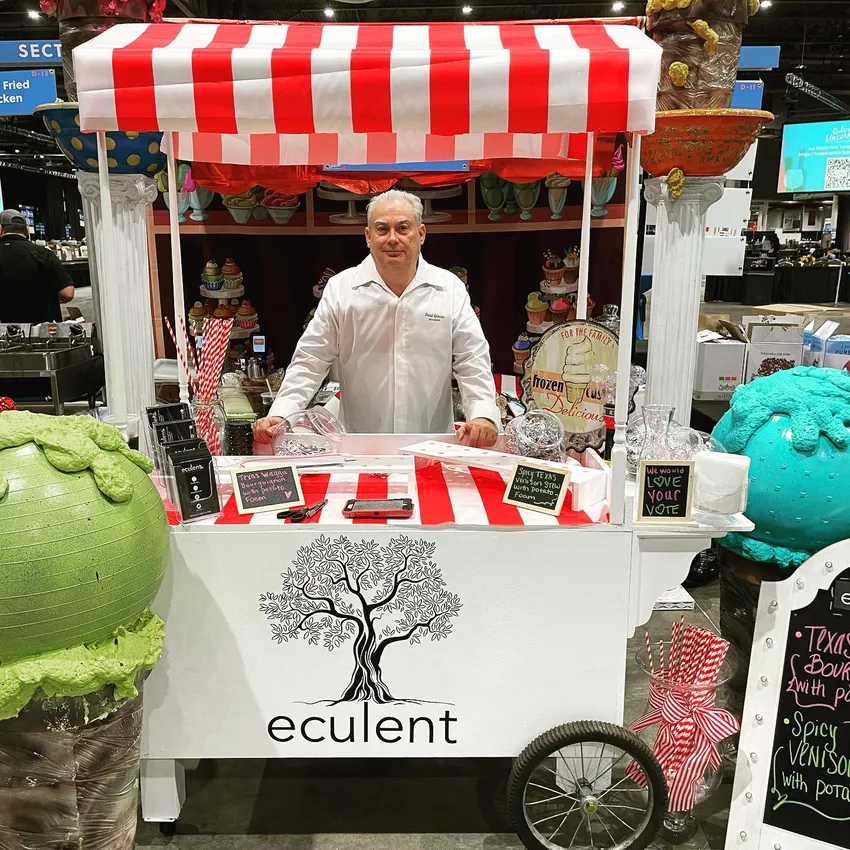

Chef David Skinner discusses his journey from oil and gas to creating Eculent, an avant-garde multisensory restaurant, and Ishtia, a Native American fine dining concept. He shares insights on consulting with NASA and the power of food storytelling.
Please introduce yourself and tell us a bit about your career path
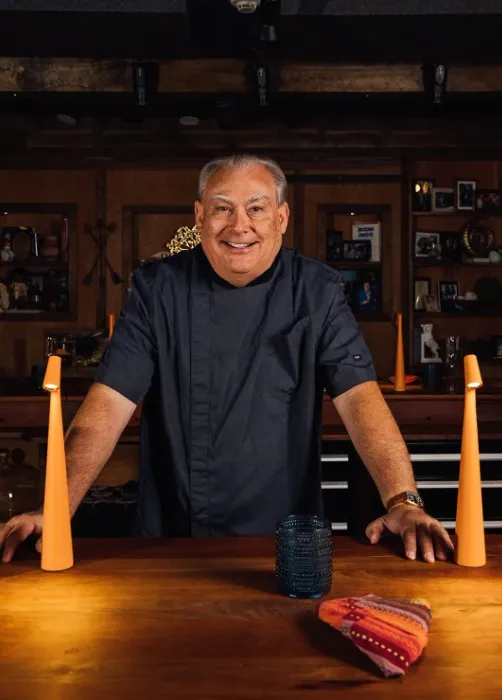
David Skinner: My name is David Skinner. I'm the owner and chef at two restaurants. One's called Ishtia, which is our Native American tasting menu restaurant. And the other one is Eculent, which we had in for, I guess, 10 years. And then we closed it to open Ishtia, and then we just recently reopened it last year. So Eculent is more of an avant-garde type restaurant. Anyway, two kinds of extremes, I guess I would say. And yeah, so I've had kind of an unusual path, I guess, towards being a chef and restaurant owner.
My first restaurant was when I was 16. It was a French restaurant called La Vie En Rose And then I had a second restaurant called Christopher's on Washington, which is what we'd kind of consider farm to table now. That was long before that term was out there. That was when I was in college. And then I did oil and gas, pharmaceuticals, heavy industry strategy work for about 30 years. And then started Eculent in 2014.
I had started an oil field service company that reclaimed produce water from oil wells with Michael Dell and his MSDC venture fund. And I had been doing that for four years and was just kind of tired of it and ready to do something different. And my wife's like, so are you going to start another consulting firm or something? And I said, no, I've got an idea for a restaurant that no one would ever fund.
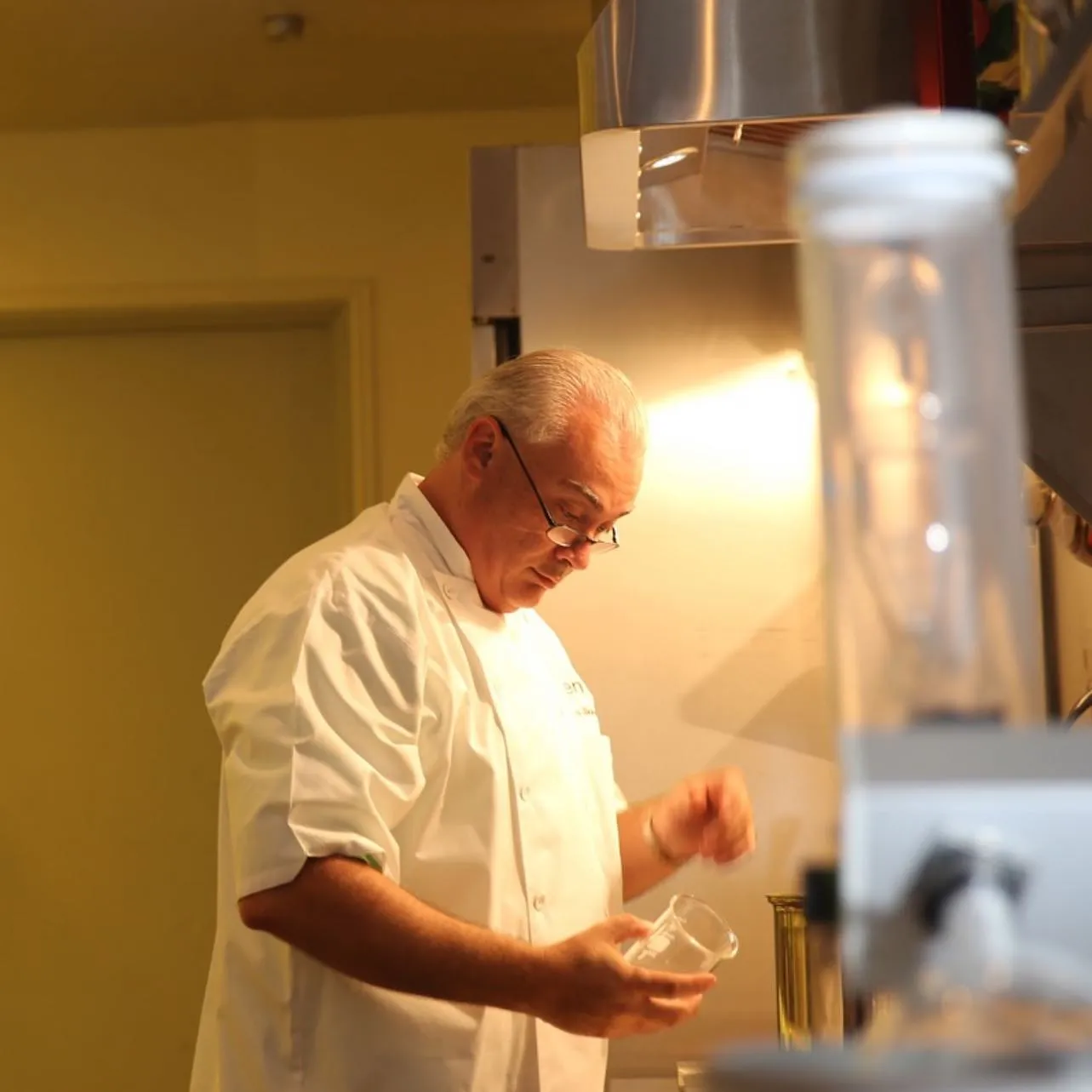
So I think I'm the one to probably do it. And so that was the start of Eculent, which really made it unique was not just the food, but we created a dynamic atmosphere. So it’s one of the few restaurants in the world where we could literally change the lighting, we could change the smell for each course. We hired a music director that created basically a soundtrack for each menu. So we could, you know, adjust tonal qualities and tempo and everything else to go with the dish that was coming out. You know, so it was, it was, it was, it was very groundbreaking at the time and probably actually kind of still is, there's not really very many restaurants in the world that do anything like that. But that was back in 2014 and I was getting ready to turn 50. And I told my wife, I won't do it before I turn 50, I'll never do it because being a chef's kind of a young person's game. So I probably should do it. If I'm gonna do it, I need to do it now, not wait. So that's what I did.
The first couple of years were a bit, some of it was, I guess, we fired a lot of customers. Being in Texas, people come in and assume they're going to get a big steak and big potato and all this very kind of cliche, but somewhat true for Texas, large portions. And we were serving, you know, 30 courses of small bites and just threw people off. So the first couple of years, we're just trying to educate our customers, work on menus, fine tuning things. The lighting and sound came pretty quick. The smells took a very long time.
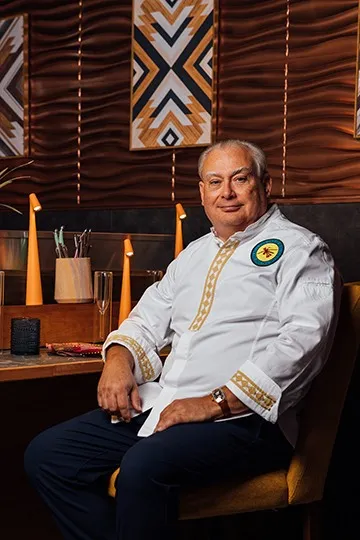
We worked with a fragrance designer in LA, but if you think back to 2014, technology was still somewhat in its infancy with a lot of systems and there was basically no system for doing smells. And so what we had to do was build our own systems. And so that took a bit. But, you know we eventually got all that figured out and then we were fortunate enough to have Tom Sietsema from the Washington Post come and review us and we got a really great review. was like four pages in the post, you know, on a Sunday. And kind of after that all hell broke loose and we sold, you know, three months of reservations in 30 seconds and built up a wait list of over 6,000 people trying to get in. You know, it was, it was just kind of, kind of crazy for, for a very long time, which was, which was great. Not knowing the pandemic was coming that really sustained us through the pandemic and, and, you know, and, and continued on.
And then when I closed the restaurant in 2024, everybody was kind of like, you're kind of insane. Why would you be closing a successful restaurant? I'm like, well, I've got something else I want to do. And my background is Choctaw. There's very few Native American restaurants in America, which to me is just kind of, I don't know. It makes no sense. I mean, it's like, Native Americans were here first. The ingredients are almost identical to Mexican and yet there's, you know, a dozen, you know, Native American restaurants. I mean, if you, if you throw in all the food trucks and, and things like that and little pop-ups here and there, yeah, maybe you get up to, I don't know, 75, 100, but, that's it.
In Houston alone, we have something on the order of like 5,000 Mexican restaurants. I mean it's, you know, it's scale is not even comparable. And, and yet cooking techniques very similar, you know, to traditional, not, you know, wouldn't say, you know, like Tex-Mex and things like that, but traditional, you know, Mexican food that you would have in Oaxaca or go down to the Yucatan and, you know, have an, in Merida and other places, you know, so it's very, very similar. And so anyway, I just thought, you know, I already created one restaurant that no one had really kind of ever seen, so why not do another one? Because, you know, there's, like I said, very few Native American restaurants. There's even fewer that are fine dining.
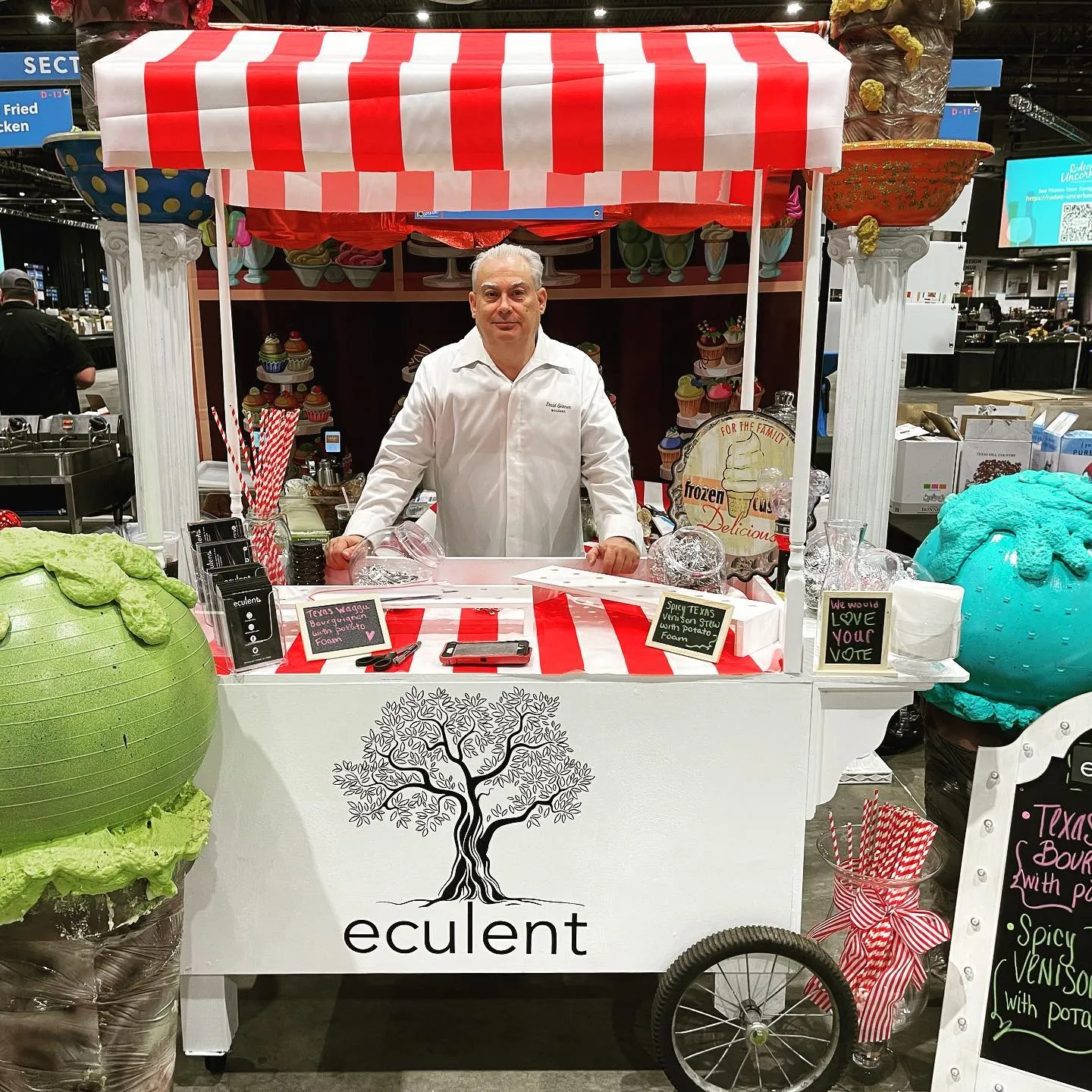
And so that was kind of the goal was, you know, let's elevate what would be kind of traditional flavors and ingredients that, you know, the problem that I've seen over the years with, you know, with kind of Native American food, if you ask people, you know, I mean, if you ask people about, you know, Italian food, Mexican food, Chinese, Japanese, whatever, they can list off, you know, a dozen, you know, items, right? It's like, burritos, tacos, chalupas, da da da da da, right? You just keep going on and on. It's like, okay, well, name five Native American dishes, and people are like, fry bread and Indian tacos. And it's like, yeah, that's carnival food. That's not real Native American food, you know? Not to say it's not tasty, it is. I've had my fair share of fry bread over the years.
But, you know, the connotation behind fry bread is really, you know, quite horrible because it came from government rations because of the Trail of Tears and moving all of these different indigenous groups from where they were to basically Oklahoma or some other land. And the government gave them, you know, processed wheat, processed sugar and lard. And what do you make from that? Well, you fry bread. and you know, for people who don't know what fry bread is, it's basically thought of eating like a funnel cake or a donut, right? morning, noon and night. And yeah, you can put meat on it. You can do other things. You don't have to make it quite as sweet. You can do this and that, but you're basically still eating a donut, right? With whatever it is. And so it brought with it heart disease and diabetes and tons of just really bad things, obesity, you name it. So while it might be very tasty, it has, you know, not a very good connotation for people that actually know it. And unfortunately, that's what most people think of when you say Native American food. So my whole goal was to dispel that belief, show people what native cooking really is and educate them that it's not fried-bread.
So let me start with Eculate because you mentioned that you were able to control the light and the smell and everything inside the restaurant. And I've been watching some of the videos by the way and like today I was just watching the picnic tasting menu. So something crossed my mind. What do you want people to enjoy more? Is it the experience or the food?
David Skinner: Yeah, well, that's a great question. I think it has to be the food first and the experience second. And the reason I say that is there are lots of kinds of high-end, you know, avant-garde restaurants, molecular restaurants, you all over the world. I've been to all of them. And there are some that I would say the food is really delicious and there are others where it's like, hmm, food's not that great. Maybe the experience was fantastic. and I even know some chefs that purposely serve food that doesn't taste good, just, you know, for a reaction, right?
And so, to me, it's like, if you're, if you're, if you're spending a lot of money for dinner, the food has to be delicious to start with. And then if you can bundle that with an experience that makes them, you know, A, want to return and B, feel like they really got value for the money, then I think, you know, you've got a winning combination. But I think if you're going to do a restaurant just for an experience, you kind of have to let people know that you kind of have to model it that way. You know, to me, that's like, you know, if you want to go to a Rainforest Cafe or something right someplace take the kids you know Chuck E. Cheese whatever right that's you know the food's not going to be great but the kids will have a great time and maybe you've got a good experience out of it right but but if you're going to go to a place where you're going to spend a thousand dollars for dinner for two people that food better be pretty tasty you know and if it's not then you've got a problem
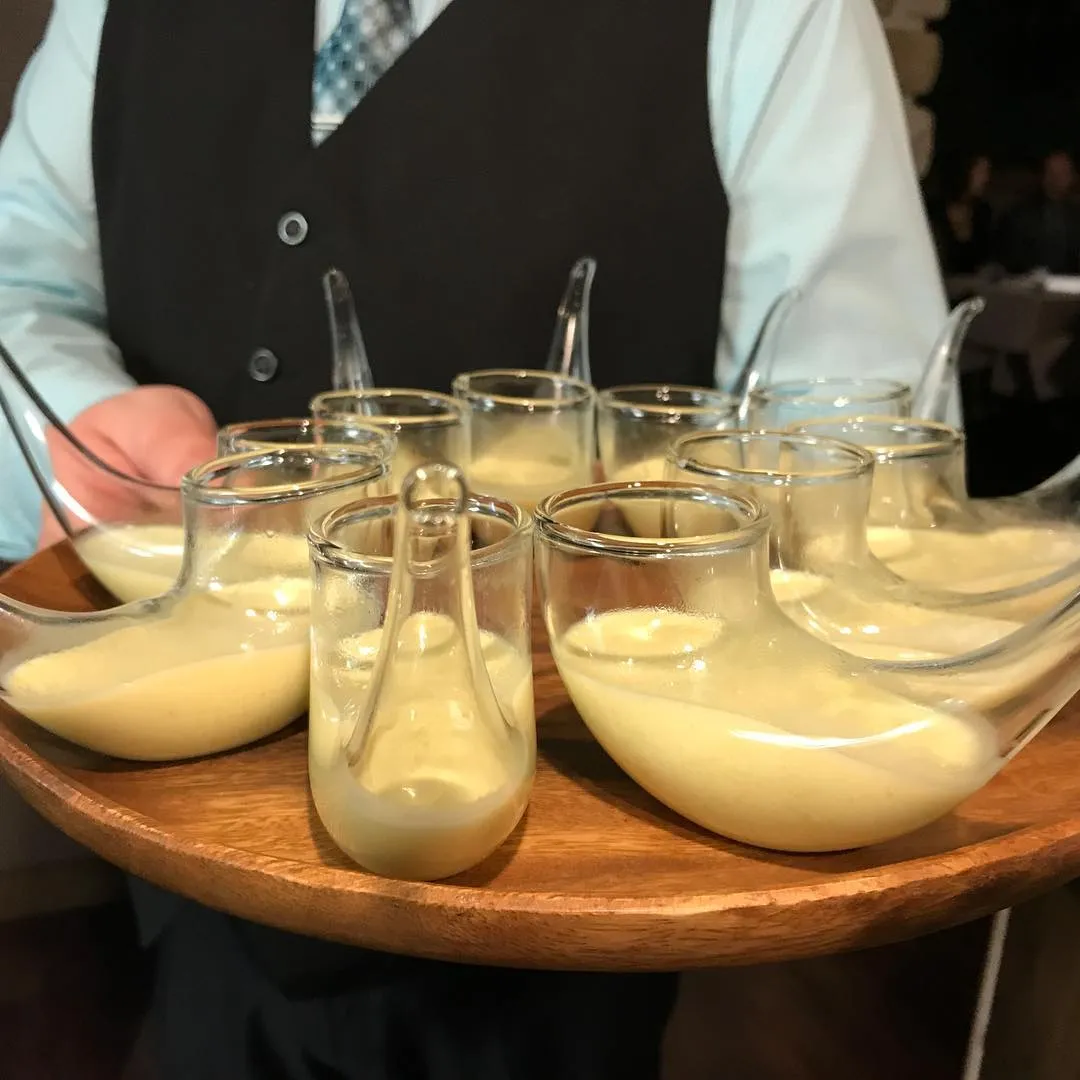
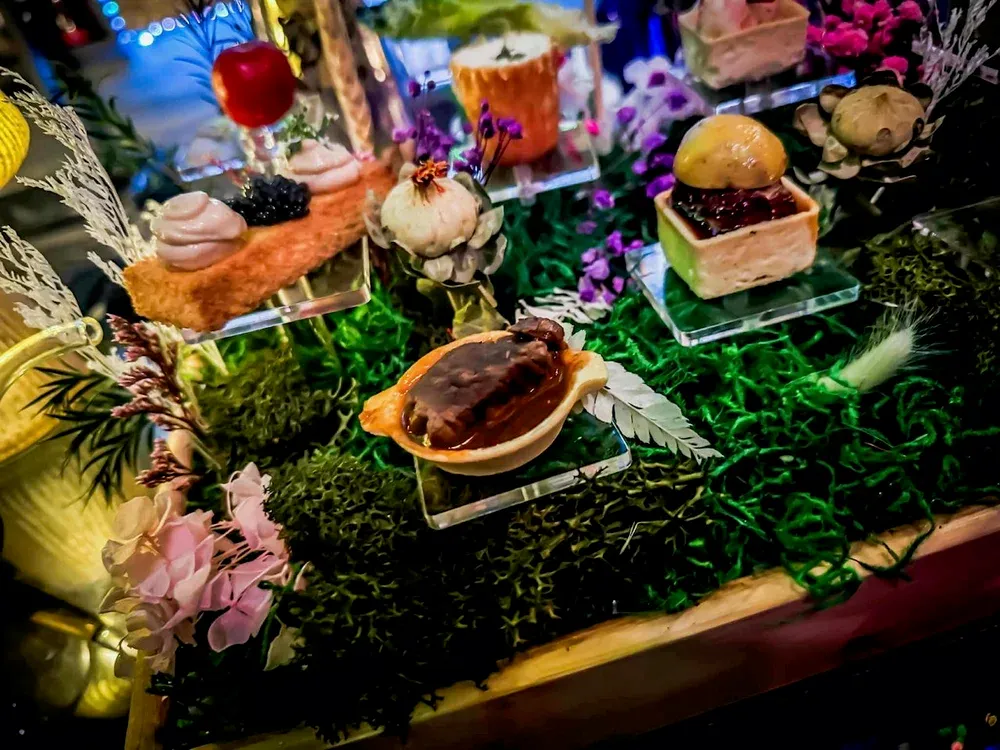
And my whole thing with Eculent was not just should the food be good but how much flavor can we shove into the smallest possible bite? And that was kind of what we really became known for were these really small bites that packed so much flavor that people are like, I don't have to have a big steak. I don't have to have a whole plate of something, right? I can have this one little bite, and it's like everything's in there. So like our famous bacon, lettuce and tomato sandwich. It's served in a little tiny cherry tomato and you know, people look at it and they're just like, it's just, it's just a tomato, right? And I'm like, okay, well close your eyes and chew it up. And you just see the look on their face as it changes. And they're like, how in the hell did you do that? Because it felt like I actually bit into a sandwich and I was chewing up a whole sandwich.
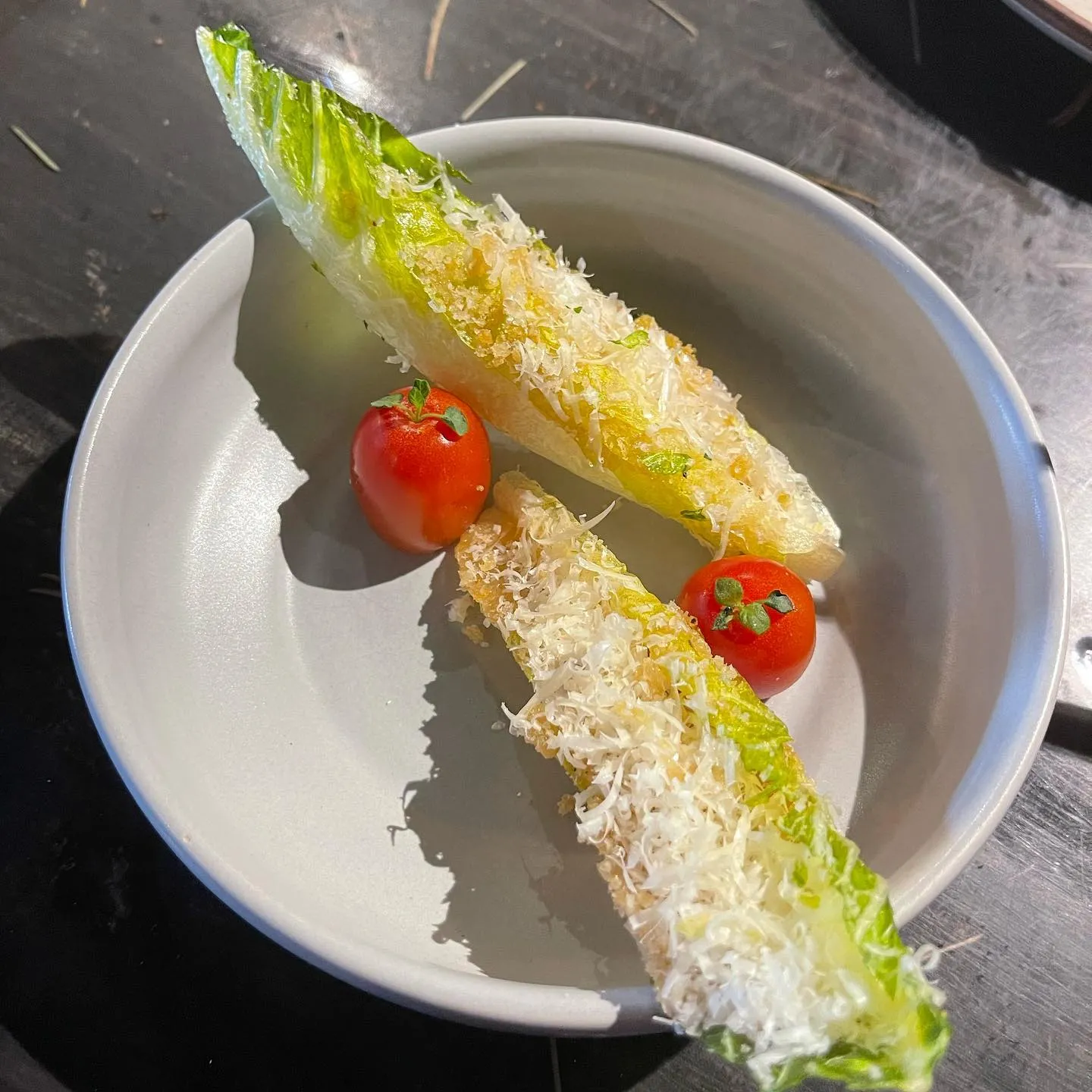
And it had all the flavors and nothing was overpowering. And I was like, yeah, well, that took me three months of experimenting to figure that one out. And I get people in all the time, like, well, there's what? Like four ingredients to it, right? And I'm like, well, yes and no. You have to understand the ratios that's required so that you get the right mouthfeel and you get the right flavors and you get the right texture. But you also have to do certain things with those ingredients to make them to where it all comes together in the right way. Because if you just shove regular lettuce into that, it won't work. So we freeze dry our lettuce. So it takes a day or so just to do that, just to prep that one ingredient. And then we do special things to the bacon that goes in it. And then we've got a special way that we do the bread and all that.
But when it's done and you chew this thing up, you feel like you just bit into an actual sandwich, you know? It's not like it's just the flavors, it's the texture of the sandwich. And I get people all the time, they're like, I don't like tomatoes. I'm like, well, just try this. And they'll try it and they're like, oh my God, how in the world did you do that? I'm like, well, that's, you know, that's why you're here, right? So it tastes great and you get an experience that you can't get anywhere else.
Have you ever thought about what might happen if you take out the experience and just serve those bites for people? And have you ever received requests from people to have bigger portions like what if i want 10 cherry tomatoes?
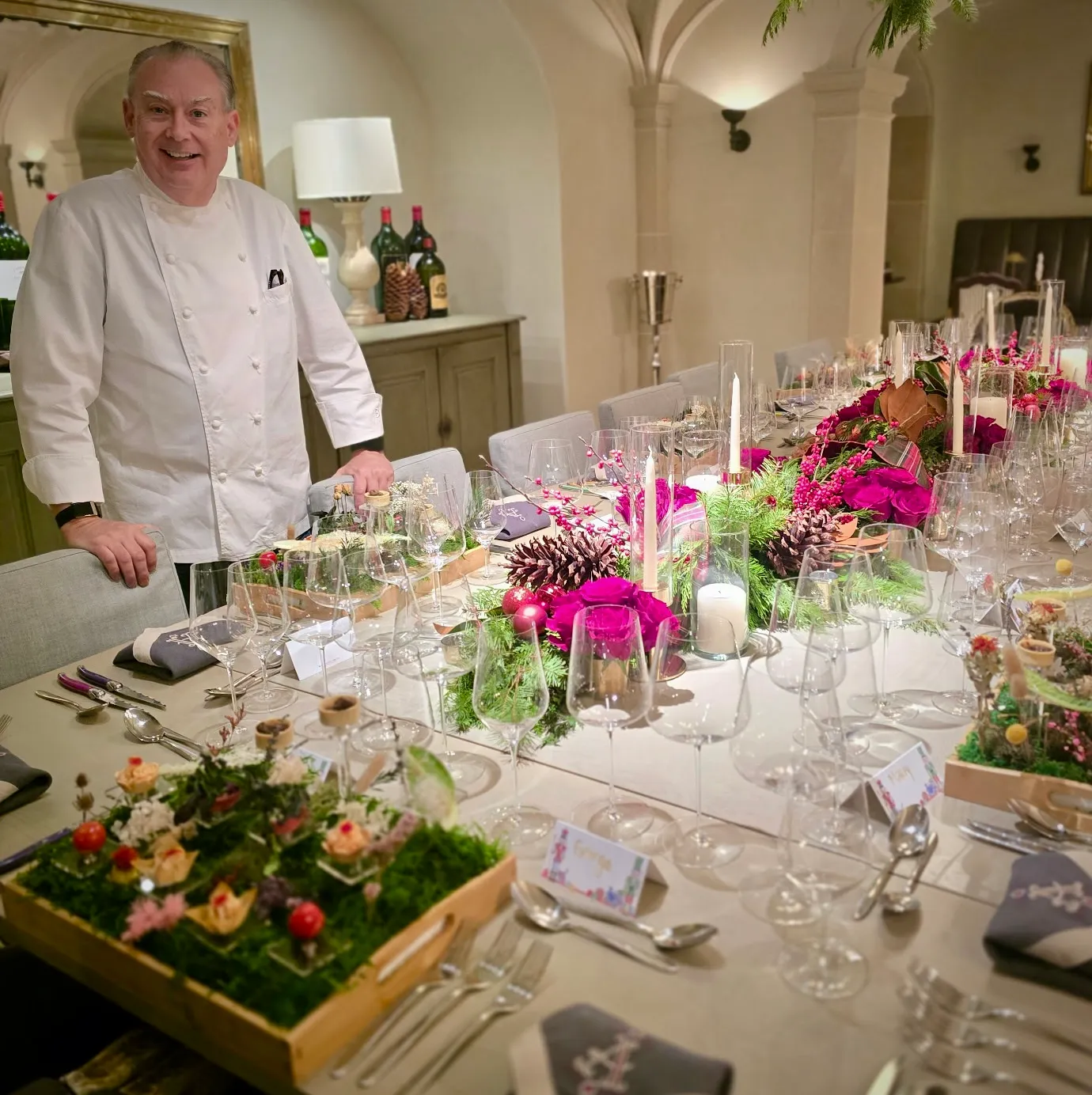
David Skinner: I can answer your question with absolute certainty. So as I said, we closed Eculent in 24 and we just reopened it last October, but as a kind of a different concept. We don't, we're actually getting ready this next month to bring back the full big tasting menu. But what we've been doing is what we call a taste of Eculent now, which is 13 of these really famous one-bite courses that we serve to people in a completely different space. So the space I'm in now is the old Eculent space. And if you kind of look in the ceiling, you can see all the different lighting fixtures we have.
You can kind of see if you look, there's kind of a box with a hole. So up in the corner. So that is one of the scent generators that we add. So they're placed throughout the ceiling of the restaurant. And that's where we would have the different smells come out of. But anyway, we have a completely new space for the new version of Eculent. And we don't change the lights. We don't introduce smells. We don't have a custom soundtrack. And the reaction is basically the same. People are just like, my god, that totally blew me away. I had no idea that was coming. And the second part of the question, we have an a la carte menu where people can order the BLTs on their own. So we get people in every night that are like, yeah, I'll have a plate of those. It's like, okay, you can order a plate of those now. We don't, we never, we tried, we did one experiment where we put them in like a, more of like a Campari size tomato. So like, you know, three, four times the size of a cherry tomato.
But in order to get the right experience. really have to be able to kind of eat it in one bite and process it that way, right? And so we just didn't, you know, people like to cut it with a fork and it was just like, no, that's not it. It needs to just be, you know, a cherry tomato. just order more of them, you know, but it needs to be that one bite where you just pop it in your mouth and away it goes.
Did you actually consult NASA on making food taste better in space?
David Skinner: So our restaurants are about five miles from NASA here in Houston. So we get astronauts all the time coming in. We get lots of people that work at NASA coming in. And matter of fact, for the grand opening of Eculent, I had Clay Anderson in who I don't know if he still holds the record for number of days in space, but he did for a while. And so he was in for our grand opening and we hit it off and he and his wife and I really became friends. And he was just like, you know, you need to work with the people at NASA because this is just not you know, your food's so much better.
And anyway, I was like, well, I'd be happy to, you know, do whatever I can, right? And he's like, okay, well, I'm going to set it up. And sure enough, it was like maybe a week or two later, and I get a call from the lady that ran the food science group at NASA. And she's like, Clay said we need to talk. And I was like, okay, you know, and so we invited the whole NASA team over here and they toured. So we have a complete food lab. So the things that we were doing with Eculent, you couldn't do without a food lab. so we have, you know, rotovaps and centrifuges and freeze dryers and I mean, you name it, any kind of crazy lab, you know, piece of equipment, you know, I would, and I...
When I graduated college, I went to work for Conoco in the R &D group. And so I was used to having kind of a lab there. anyway, so I basically just recreated a lab, but focused on foods, chemicals. Anyway, so we brought them over. And we fed them lunch and kind of walked them through all the things that we do. And their mind was just blown and they were like my gosh you know and and they they made this comment to me they're like you have more equipment than NASA and I'm like that has to be a complete lie there's there's no way I said I don't have the budget NASA and and they're like no no you you have more equipment and I was like okay so anyway about a month later we went to NASA to tour their facilities and they were correct.
I have more equipment, but theirs is on a scale that's, you know, a hundred times the size of mine. You they're, they're freeze dryers you can drive a truck into and, you know, mine are, you know, just this big, right? So, that was, that was very eye-opening, but, but the thing that we discovered was there, you know, there's some, there's some fundamental sort of, physiological issues that come into play when you're trying to figure out food for space or space travel.
And we worked with them on some ideas for the Mars mission and a bunch of different things. It's something that most people, and I honestly didn't even know or think about at the time because I had asked Clay that night that he was in for our grand opening. was just like, I'm just kind of, you know, he brings up the food issue. And I was like, well, I'm just kind of curious. What was your favorite dish in space and he's like a hands down shrimp cocktail and I was like really? Shrimp cocktail? And he's like yeah has nothing to do with rubbery shrimp. Those things are terrible. It's the cocktail sauce and I was like why? And he's like well here's the problem that people don't realize is because you're in a low-gravity environment your sinuses don't drain properly and so you have this kind of perpetual head cold and so nothing tastes good.
You can't really taste anything. And the only way to taste something is to open up all your nasal cavities and lo and behold the cocktail sauce that NASA buys from this company in Oregon, they put like three times the amount of horseradish in the stuff and so it opens this up. And so he's like it really has nothing to do with the shrimp cocktail itself. It's the cocktail sauce so that I can actually taste something. And I've had astronauts in. They're like, yeah, I've put Dijon mustard on apple pie just so that I could actually taste the apple and you know, just crazy, crazy stuff like that, right? You Sriracha and you talk to anybody and they're like, yeah, condiments are the thing on the space station.
We have to send up boxes of condiments because of that reason people can't smell and they can't taste. and you know, besides, you know, air number one, water number two, food is number three on the space station. And if you want unhappy astronauts, you know, mess with their food. So anyway, that's probably more than you wanted to hear, but that's what happens.
When did you figure out the relationship between food and storytelling?
David Skinner: Well, I guess I come from a family of foodies and talkers. So maybe, maybe it's just natural. But, I think, you know, when I would, you know, when I would travel for work, I always made a point to figure out, you know, what were the things that locals were eating? Right? And the funniest story I can tell you is the first time I went to China, which was like, I want to say around 2000, 99, 2000, somewhere in there. And I went to Beijing and the host that I had there was like, you know, we're so happy to have you here. There's this great new restaurant that just opened up.
And we're going to take you there for lunch. The lines are incredibly long, but I've got a friend, he works there. He's going to get us in, you know, da da da da. And I was like, okay, great. You know, I'm looking, I'm looking forward to this. Right. And so we, we, we leave the office building and we walk a few blocks and pretty soon I see this line of people, you know, stretching for what looked like a mile. And, and I was like, wow, you know, I'm, I'm really excited. You know, what is this place?
And we get to the restaurant and it's Schlotzky's. And I'm like, you took me to Schlotzky's and he's like, yeah, this is the, this is like the greatest thing ever. And I'm like, there's like one of these on every corner in America, you know, it's a sandwich place and you know, but for them, this was like, you know, incredible, right? It's, it's American, it's new, it's, you know, they've never seen this thing before. And you know, everybody wanted to be there.
And I was like, okay, I said, fine, you know, I don't mind having schlotzky's for lunch, you know, it's like being home, but can we go where you would take your family for dinner or would you just take me home, you know, and let me eat with your family because that's what I prefer to do. And, and he was like, okay, absolutely. You know, whatever. And so that night, he sends a taxi, you know, I do not speak, you know, Mandarin.
Um, there were no cell phones that, you know, think about, you know, late nineties, early 2000, like nothing, right. And, uh, a guy in a red taxi shows up out in front of my hotel with a sign that, you know, I think said Skinner on it. Right. And I get in this taxi and we go driving, you know, like a bat out of hell through Beijing for about 45 minutes and eventually end up on this road that looks like, you know, Vegas on steroids. There was so much neon, it was almost blinding. And it was just restaurant after restaurant after restaurant. And eventually we pull up in front of this restaurant and the taxi driver's like, you know, and I'm thinking if this is the wrong address or what, I am screwed because I have no way to communicate. I have no idea where I am. That's it. I'm done for. And, and so I get out of the car and I start walking towards the door and, here comes the guy I knew and he's like, oh, you made it, you know, and I'm like, yeah, thank God, you know, and, we go in, there's this huge restaurant and, know, the walls are covered in pictures of the food and, and they had these huge round tables, you know, for like 20 people and he's there with his family and some other people. And, you know, we sit down we have this fantastic meal that, you know, I, all kinds of things that I probably never had ordered
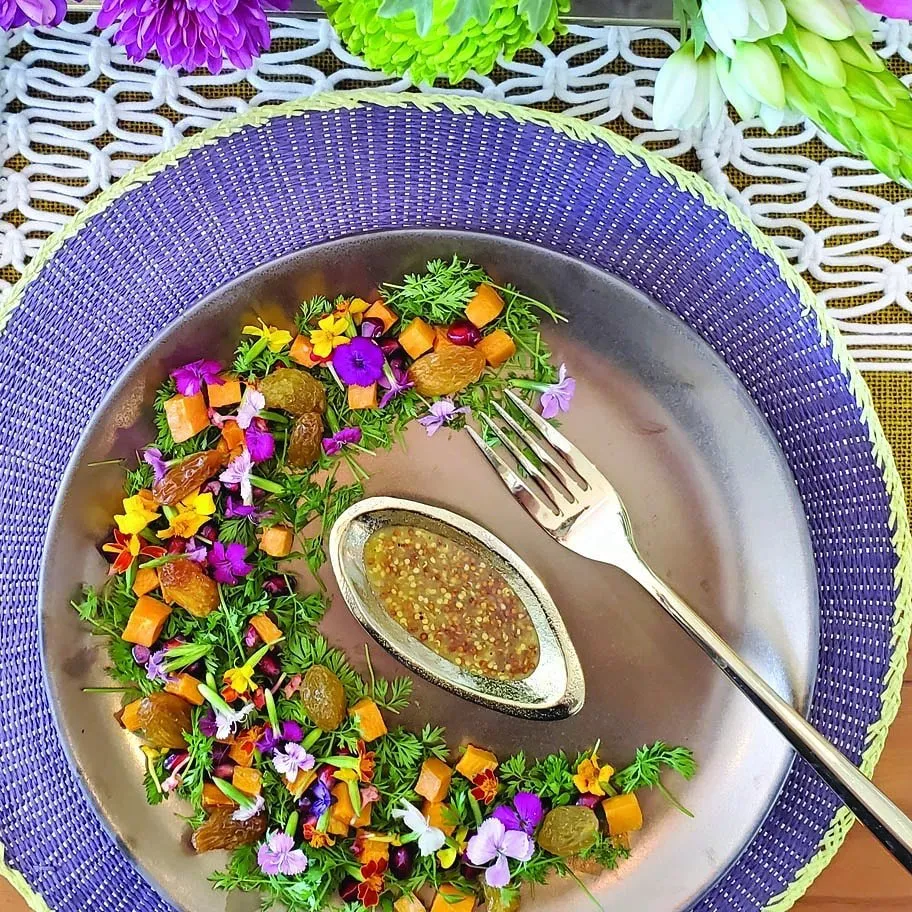
But you know, it was just, it was one of those things. and, and so I guess, you know, from a storytelling standpoint, my, my whole thing is, you know, you can, you can go and just eat somewhere and just, just have food, right? Nourishment, right? And, and, and you can do that anytime, anywhere. It doesn't, doesn't really matter. And many restaurants that's, that's kind of all there is, right? It's here's your plate of food, you know, I hope you enjoy it. Please tip your waitress and you know, hopefully we'll see you again. I wanted to create an environment where we could educate the guest on where the food comes from. In Ishtia we buy as much as we can from other indigenous producers. So we get rice out of Minnesota from basically the Lakotas.
We buy corn and beans from the Pima's in Arizona. And my whole thing is, I can help them and their business and create a more authentic flavor profile for the guests, I want to share it. I want to talk to those guests about it. And we get people in all the time, and they're like, that's the best rice I've ever had. And I'm like, absolutely, and I completely agree and the only place you're gonna get it is if you order it from the reservation, right? You're not gonna find it in stores. You can't buy it in Whole Foods. You're not, you know, because they have a, you know, a finite production and you know, that's just, you know, kind of my way of hoping to, you know, keep these producers alive and
But I think it also, I can't scientifically say it makes the food taste better, but if nothing else, it makes it more interesting and more memorable, which in the end probably makes it taste better because people will remember it and they'll talk to their friends about it and so forth. But I think that there's storytelling just for storytelling sake
You know, there's a lot of fine dining restaurants that will, you know, and some of them will even produce something like a menu of, here's our producers and things like that. And I think that's all great. But I think a lot of them, it's like, I don't know. I don't know if it's an afterthought or if it's just kind of a rote thing that they kind of go through. But when we talk to guests about, hey, we get tepary beans from the Pima reservation from Ramona. You know, it's, it's because, Hey, they were the ones that actually hybridized this bean. It's one of the few that's native to North America. They're the only ones that still grow them. There's three different varieties. We use the black one in this dish because we think it has a nuttier flavor.
It takes eight hours to cook this bean to basically almost an al dente consistency. We cook it with bison that we get from basically the same land that the bean came from. That kind of significance, I think, is important to impart to the guests, but also, I think, creates that much stronger connection than if you just kind of say, we get our greens from farmer Bob or whatever, not that there's anything wrong with Farmer Bob. But we try to explain the intention behind why we use this ingredient. This is where we get it from, and this is why we buy it from. That was a very long winded for your storyteller question.
Check Our Career Growth Tools


Check out more interviews like this brought to you by OysterLink to learn about the industry. You can get them straight to your email by creating an OysterLink account and joining our newsletter.

Loading comments...