


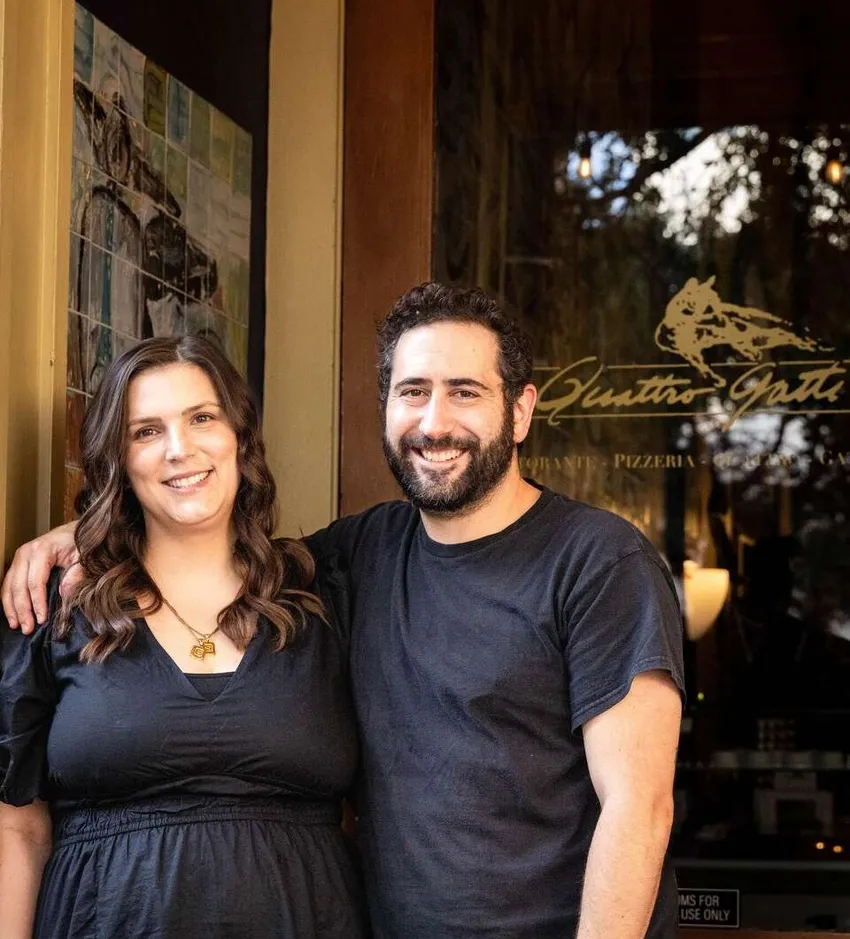

Alexander Dubey shares his evolution from a dishwasher to the owner of Austin’s historic Quattro Gatti. He reveals why he left the industry twice and his current mission: preserving a 16-year-old Italian legacy restaurant.
Please introduce yourself and tell us a bit about your career path
Alexander Dubey: Alexander Dubey man my career path, I guess it's been a long and winding one I would say. In a short note, I would say I worked in a restaurant through college and since it's a hospitality podcast, it was the Melting Pot. So anyone who knows Fondue knows the Melting Pot and kind of like a special occasion place. So I was a dishwasher there for two years. Then you move up to prep cook and then a busser and then a server. And then I moved to Alaska for six months to work in a fine dining restaurant in Alaska as a server just to get away from my hometown. After that, I had a friend who moved to New York and my girlfriend, the time I moved to New York. So it was like, let me try and get a job in New York. And, you know, my buddy, Adam, shout out to Adam.
He was like, yeah, come work at this place called Jean George. And I was like, cool. Okay. I know Jean. I don't, have no idea what that means. Like, cool. I'll go to an interview. So I flew up to interview, got a job as a food runner, worked my way up to a front server probably within like six, seven months. And then, you know, my mentor and sort of the service director that kind of brought me in was gonna go be the GM in another restaurant called Mercer Kitchen. And so he wanted me to go be the service director for that. So he kind of made that happen, became the service director for Mercer Kitchen at 25 for like, man, two, two and a half years, pretty insane restaurant. And yeah, after that, I started a watch company with some friends, shout out to Throne Watches, kind of like, just a side hustle. It became, I left John George to work with, kind of to focus on that with my friends and the two.
I was kind of like a front of house mercenary for a lot of my friends who were chefs because like in New York, just, you know, a lot of them were opening their own places and wanted help or whether a server or bartender, just like training. And so that was fun. That was like a very hustly late 20s. And then when I turned 30, I moved to Austin. My family's here. My sister and my nephews are here. So one of my friends who had worked for Daniel Boulud and shout out Brick, he worked for David Chang when he opened one of David Chang's early restaurants. He had worked with him for a while and we did a pop-up with him and another friend who was a chef on a personal note. Where was he at? I think it was at JG. No, he was at JG. And we did like a pop-up in Detroit, became friends. He was like, oh, I've got family in Austin. That's cool. He had talked to me and was like, essentially they want to do like Blue Hill Stone Barns in Austin, which was like, if you know Blue Hill Stone Barn, like, wow, cool. Let me go and do it, and I traveled to Austin for a very long time since my sister had moved here years and years ago.
So I knew Austin service wasn't like, you know the best and you would probably talk to people now and It's gotten a lot better way better. You know, this is ten years ago. So You know, so she's like, yeah sure I'll move to Austin and be with my family and work at like a Blue Hill Stone Bar and wanting to do something very You know Michelin oriented very just ahead of its game regenerative agriculture So it was a kind of like the service director for that soon Institute like three-star Michelin service steps all that stuff was there for about six months? Got some really great reviews, but then yeah, I was just over managed, know, money at that point, your margins are super thin.
So they kind of had to cut the fat and I was a hundred percent that. Um, but I, there was an opportunity to go, which is funny that we're having this talk now because it's closing after 10 years, but I was the opening GM for a place called Otoko, which is a, uh, 10, 12 seat, 12 seat, 12 seat, um, Japanese Omakase like 22 courses held by Yoshi, um, chef Yoshi Okai and yeah, I opened that that was like the first tasting menu spot here from a casse like home across a now like if you read all your lists that you talked about like There's a million of my casse spots.
So this was one of the first ones and Yeah, I mean the timing of it was very interesting the the company that hired me didn't really know they didn't have experience with tasting menus and you know, I came in and did with two great bartenders and Yoshi and there and his chefs like came up with this really great bar called water trade was like Japanese whiskeys Japanese cocktails like very forward thinking, like what can we do to push and combo it with Yoshi's food, you know what mean? Like savory cocktails, like a sesame oil martini was really good or something. opened that, had some troubles there.
Probably about like nine months later, I left for personal reasons and then I answered an ad on Craigslist for a GM and I met this guy named Seth and a chef named Max and Max was kind of in New York on the same time as I was and he essentially I'm getting I'm like this is not short at all I'm so sorry but I getting like so yeah no so like another place called pitch work pretty was I met Seth and Max I'll be faster. Max had worked at, you know, three Italian kitchens he worked at Sayson he worked at Qua he worked at. He opened the Nomad as a sous chef. He'd worked at EMP.
And so just had all this experience, you know what I mean? I'm like, what are you doing in Austin? You lived in Austin, went to New York, went to San Francisco, and came back. And I was like, okay, that's crazy that I just met you on Craigslist. He is now like a lifelong friend. So we had three years. We opened this restaurant that was very progressive, very like American, you know, using as local ingredients as possible. Me instituting some service steps that I thought were incredible. had a great wine program, a great cocktail program. Yeah, I got the second best restaurant, without anyone knowing us in the city because I worked at all these new restaurants, you go through like the rigmarole of like a new PR opening, right? Like getting social media launched, you know, getting all these systems in place. And you go through this like opening after opening after an opening.
So you kind of like it, it's interesting to see the PR culture in town. So how that affected, how it kind of made us work harder because we're like, no one really knew us. So we really wanted to make sure the food and the service spoke for itself. You know what I mean? And it did. I mean, we got the second best restaurant in the city, you know, top 10 restaurants in Texas, like in the first nine months. And then the second best restaurant, you know, the second best restaurant in the city twice, which was fun. You know what I mean? Like, it's just really great to see that. And, and then yeah, COVID hit. And then you have an existential crisis, like I'm sure like all of us did and worked at the, you know, after like a couple months, which is so weird. It's like 2026, right? It's 2026. COVID was like, COVID was like, felt like this. It's crazy. It's crazy.
So just time is a thief. It's crazy. So a couple of months off, I needed to work. There was a restaurant called Ludie's at the Commodore Perry estate. I applied to be GM for that, which is kind of another fine dining restaurant opening up in a very all bears property, which I'm sure your clients know all bears. So a new all bears to Austin. I kind of came in right after opening and worked my way to the kind of Ludie's that didn't open right away because it was the middle COVID. And so just kind of postponed it. And so they opened the rest of the hotel.
So I became the director of restaurants for that, working with kind of opening Looties and then just kind of managing the hotel restaurant grounds and, you know, pool and room service and having managers and going crazy in Austin. And really, it was a fun hotel. And then my first son was born and I essentially was like, I need to take a step back. And so I kind of worked from home for three years after, you know, I kind of got out of hotels and my first son was born, spent some time with him, was kind of a stay at home dad. I'd worked for Zero Cater in the short term, which I wanted to be in hospitality tech if I was gonna work from home, you know what I mean? So a really great suggestion for anybody kind of interested in sort of maybe getting out of the industry or transitioning if you're exhausted of being like a server bartender and like just the day-to-day rigmarole is like my buddy gave me sort of a, man I wish I could find it.
It's like a diagram with stars, now, like out shoots and it's like, okay, here are all the tech companies that surround reservations, Rezzy, OpenTable, blah, blah, blah. Here are all the tech companies that go around events, seven rooms, et cetera. Here are all the companies that go around POS systems, Aloha, Micro, you know what I mean? Like, and you just kind of. And then you go to their career pages and you just litter and you start from the beginning. I got a job making very little money, you know, shout out to my wife who was like, yeah, you can do that. I was like, okay, let's do that. And then within a couple months, I shot up to become an account manager for their events.
And it was sick. of my clients, I don't even know if I can say this stuff, but like one of my clients was Lucasfilm, which was really cool. I got to feed them in Austin, Texas, you know, and then in San Francisco, you know, 450 people twice, twice a month, you know? And so on my end, I'm coordinating menus. I'm talking to, you know, talking to vendors in California, which is really cool. So it's like, you know, I did that over eight markets, just selling events. Um, and so that was fun. And then, yeah. And then we find.
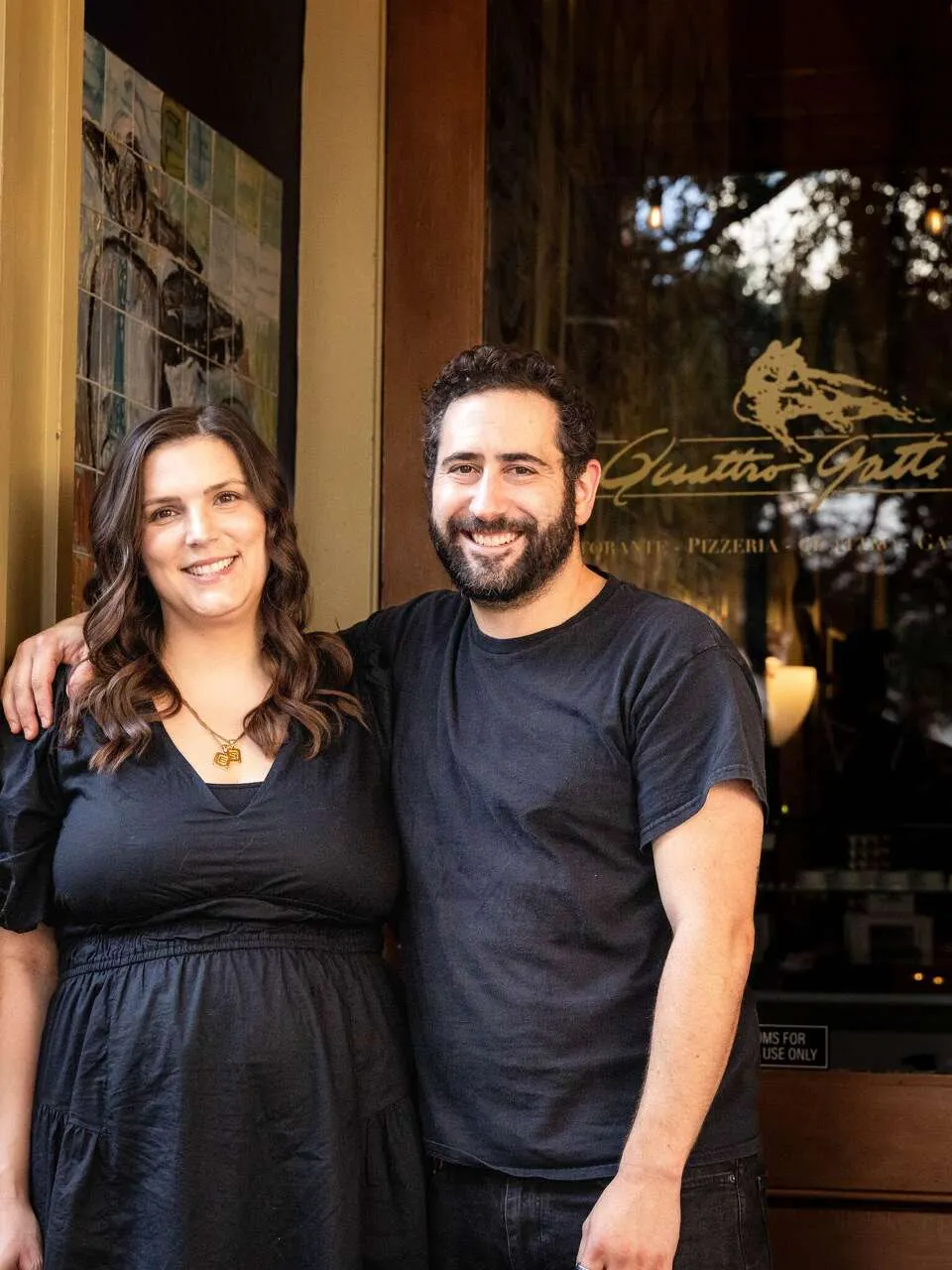
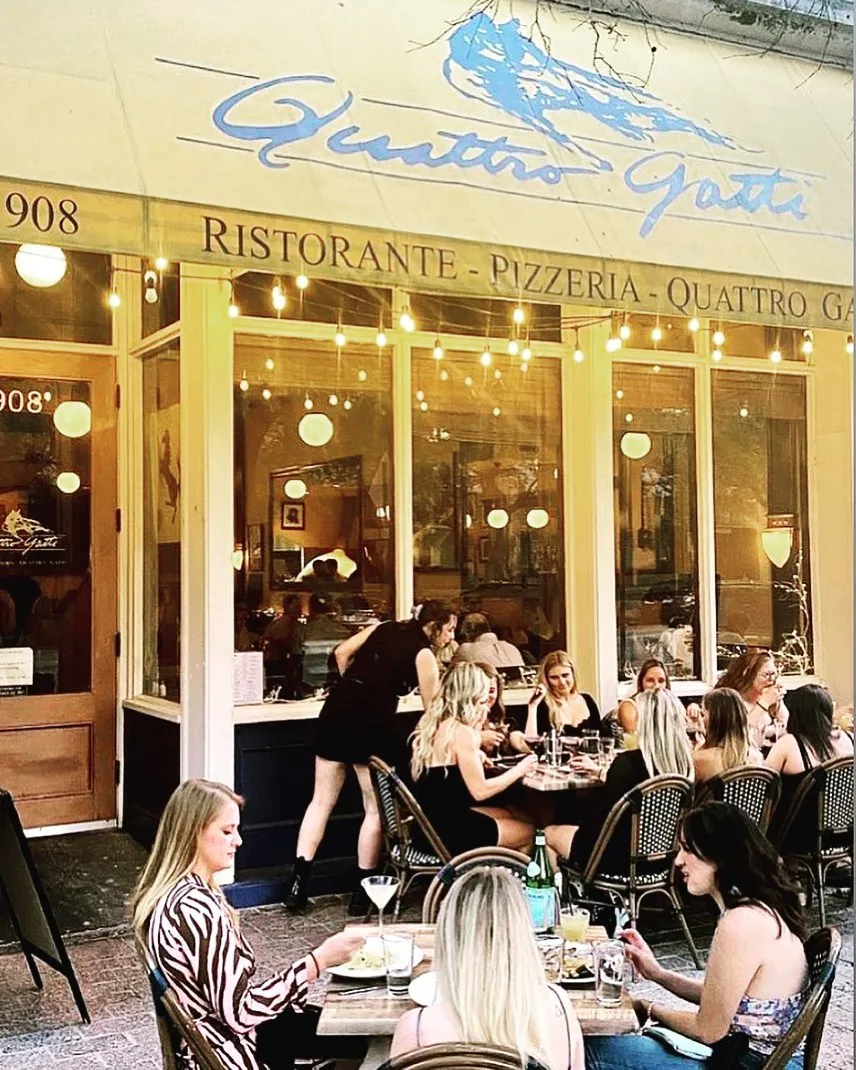
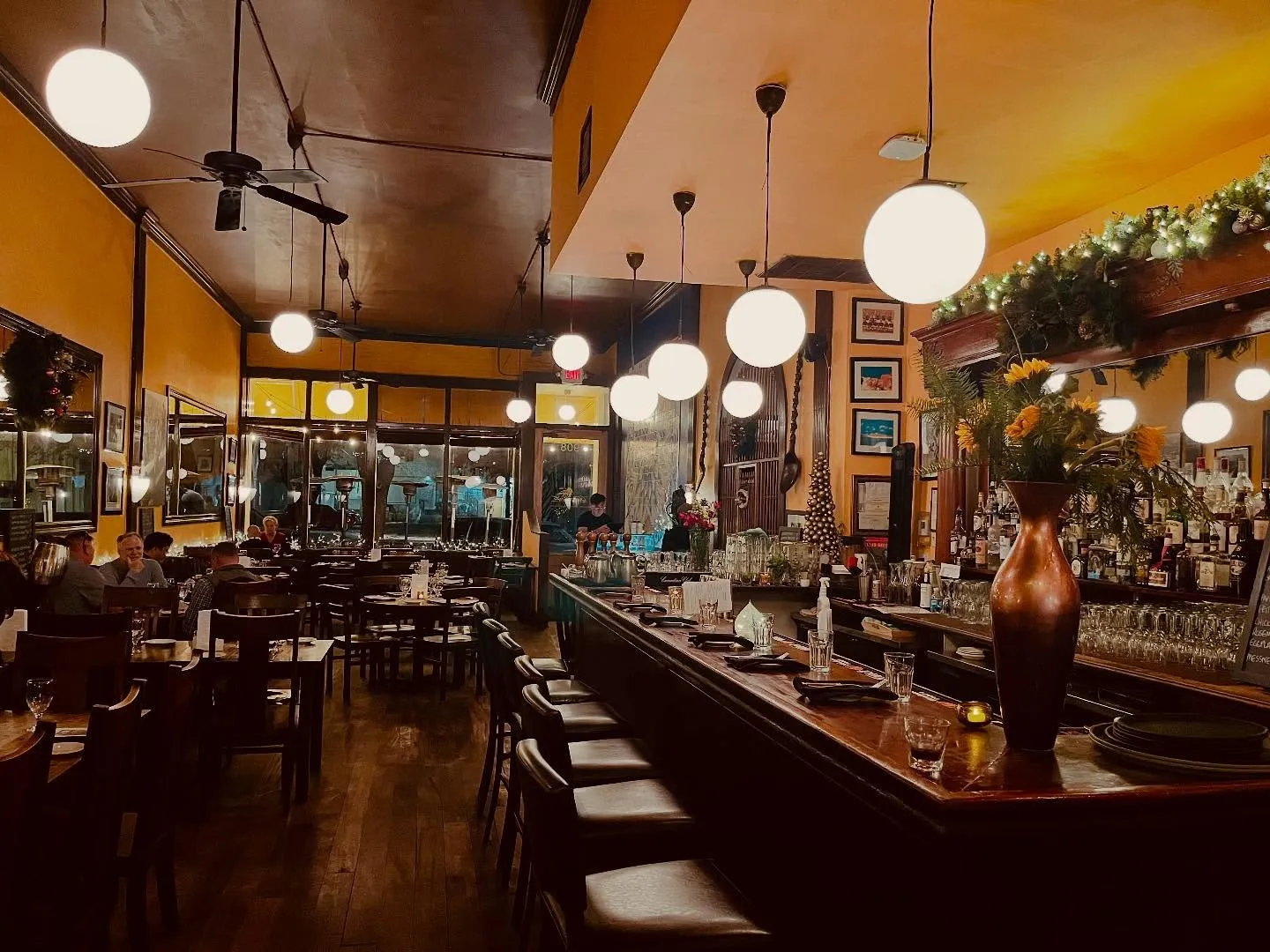
Quattro Gotti. like, essentially kind of that's, you know, the beginning of that it's his own story, you know what mean? But essentially working from home for his Eurekator and then this Quattro Gotti kind of opportunity fell in our lap and we went for it. We took over the place, me and my wife, definitely not just me. She got, Gianfranco and Renee were the previous owners for about 16 years flying under the radar, but kicking the right on ninth in Congress. We are now a 908 Congress Avenue, two blocks from the Paramount theater, which is a very old school theater in Austin. and then two blocks from the state Capitol. So it was just like a ton of foot traffic. and yeah, they were looking to sell it and retire and move to Italy. And, know, after a couple of conversations, you know, sort of about my vision after speaking with them and speaking with my wife and us coming up with a plan. They were like, yeah, we would love to sell it to you. Because that's a big part of it.
People can buy things, but if someone's selling that opportunity, how fast can you go for it? I think between me and my wife, it was pretty fast because she works in finance. And so it was cool to be able to coordinate with her. And that gives us a cool depth to our relationship, to working as a team to try and get this thing that we keep in the family for who knows how long.
When you take over a place with a legacy, what do you touch first and what do you leave alone?
Alexander Dubey: I mean, first you talk to the staff. I think that's the biggest thing is like, they don't know what's happening. And so all of sudden, day one, there's like me and my wife coming in with, now we have, at the time when we bought the restaurant and we're first day, we had a four year old son and like a three month old baby, you know what mean? So we're sitting there with like, looks like a circus, And I'm like, and they're like, who is this guy? I know, no, but we had a meeting beforehand. We talked to them, you know, and a lot of the stuff that we had talked about prior to this was like, we really just wanted to, in the words of a good friend of mine, was like, turn the car off and turn the car on again.
You know what I mean? Really, you don't, you don't change much. You don't, we were very cognizant not to do too much too quickly and just let the thing run because it was running before, you know? Buying all the same ingredients, you know, making sure that all the recipes are the same, making sure that the kitchen crew is just doing what they do and you sort of just fold into it. And then slowly when you start to see certain things, you're like, okay, you know, maybe change this, maybe change that. With the menu though, we were very specific.
Like we didn't want to change the room, we didn't want to change the vibes, we didn't want to change the main menu that he had spent, you know, that people would spend years, maybe generational years, eating, you know what mean? Consistency is the biggest thing. The food needs to be as consistent as when I had it, two years ago to now to the future. It needs to stay the same. There's one thing I learned from John George's million freaking restaurants. If you go and get his shrimp salad, it's literally the same shrimp salad. You know, it's like McDonald's.
So why would I, you know, alienate people? Who has been there for so long, who spent so much time. So that was a big part of it, and sort of how we approached it. And we really didn't tell anybody until December, and we had bought it in May. And we just wanted people to come in and say hi. And if Gianfranco wanted us to meet somebody specifically to say, we're taking over, cool. But we've had regulars come in now who are like, man. It's awesome. Thank you for keeping it the same. Thank you for just keeping this just what's happening there, especially in Austin.
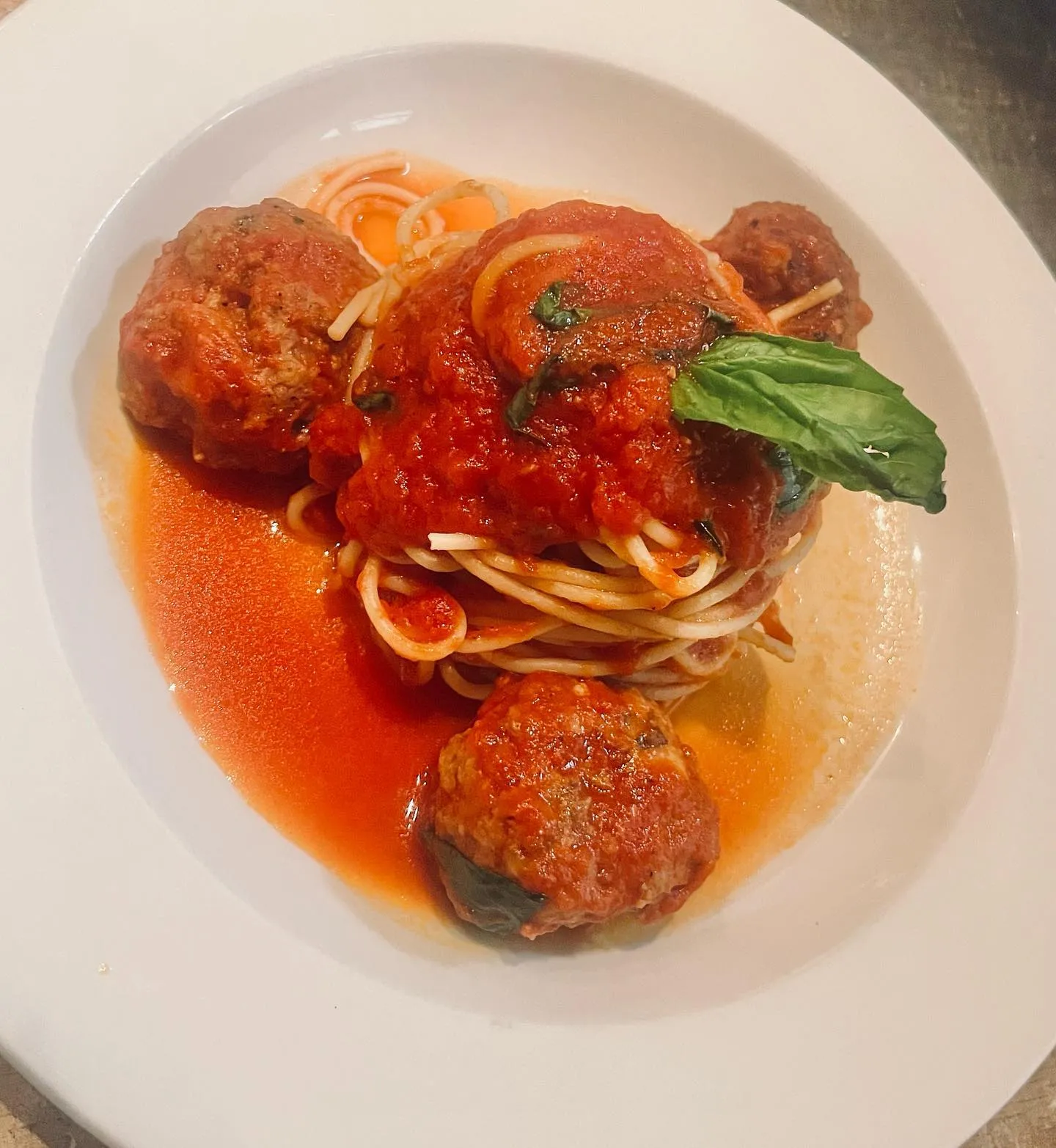
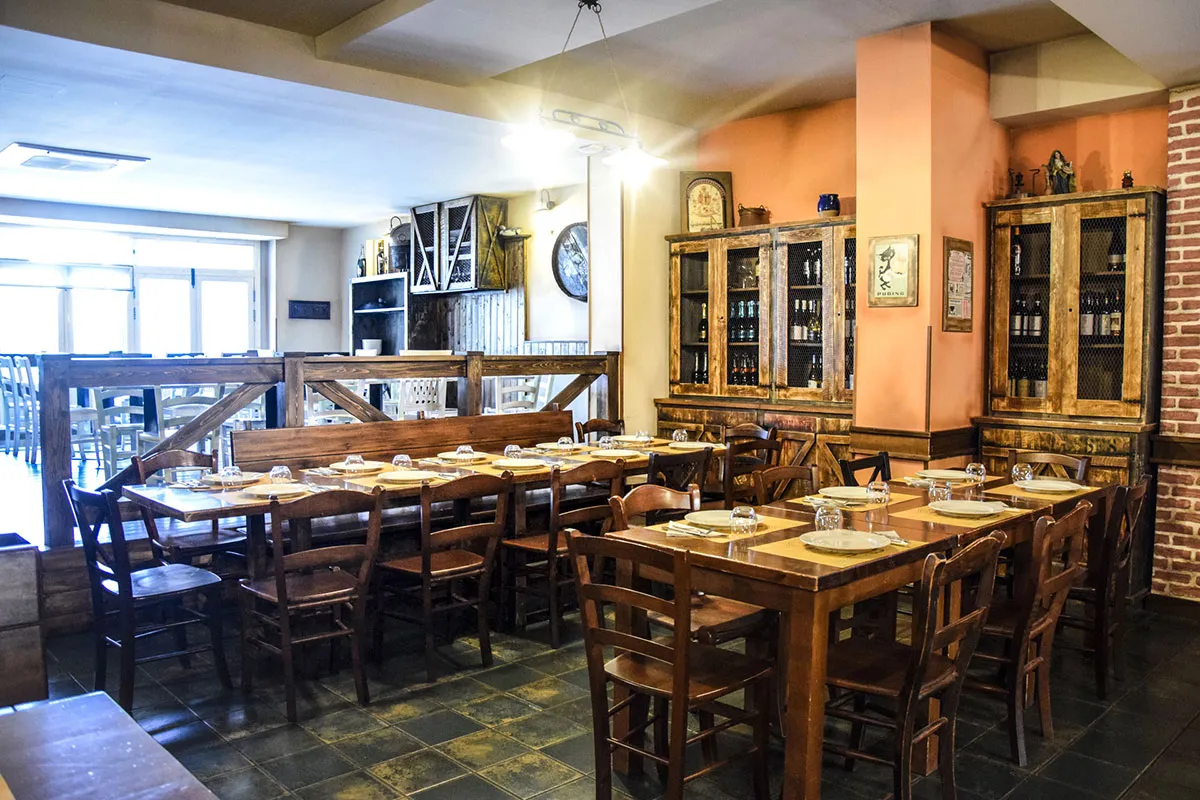
It's a special place. It's different from any place I've worked in or seen in Austin, an old 1886 building. been around forever. You know, owned by the same family who the guys like great great grandfather was a you know, the governor of Texas, you know what mean? So it's just that there's a lot of cool history with it too. So and in Austin part of my friend, you know, pardon me rambling, but there tends to be people who take over older spots. You know, maybe they change it or something's classic or just goes away. So, you know, I really wanted to keep a spirit, you know, a part of Austin that's been around for such a long time, you know, still going and you know, change things as we move forward.
If you could open something completely from scratch tomorrow, would you do that or would you take over a legacy?
Alexander Dubey: You know, we are very lucky. Like, I'm gonna shout out the universe because I was very lucky in timing about this, you know, it's very rare that a restaurant, at least in my opinion, I don't know. I'm not in the world of buying and selling restaurants, so maybe it is rare, maybe it isn't. But like, you know, finding a restaurant that, you know, turns a profit, you know, and is still good after this long, and people are just retiring is kind of rare, you know what I mean? Excuse me, so that's kind of one of these things where.
I tell myself all the time, when Pitchfork is pretty open, like Max and Seth, that was two walls. We opened that restaurant from scratch, from zero. You know what I mean? I don't know that I would do that again. With two children, I don't have the energy for that. You know I mean? This is a lot. I would most likely either take over a second gen space, if it was going to be a second space. We're nowhere near that. Obviously, as anybody knows in restaurants, you're always thinking of the next restaurant, you're always thinking of concepts, you're always going around time, like, oh, that place is for rent, I wonder what that, you know what means, blah, blah. So it's cool to be able to think like that, but my full focus is this space, but it would definitely, to answer your question, would definitely be like a second gen space, or if someone's retiring, it's something that makes sense.
What is the biggest misconception that people have about owning a restaurant?
Alexander Dubey: Yeah, I mean every problem is yours. Opening a restaurant like a GM, like we did with Pitchfork, was eye-opening, you know, I think just in terms of the amount of work, what it takes, all the systems, you know, I think it really needed to do that to be able to feel comfortable owning a space. You know, you're dealing with HVAC, you're dealing with ice machines and, you know, all the refrigerators and the plumbing and, you know, just all the things that you tend to just become a super of your own building a little bit, you know.
And as someone who's lived on the floor for arguably, you know, almost 20 years of his life, you know, taking care of guests, it's very different. You know, it's, I'm used to doing it all and these guys did it all. I mean, I'm, you know, I've had a great team now who have been able to kind of put in place. Very fortunate with the people that I have right now for sure and sort of delegate that and kind of try to step away from all the day-to-day things because it's like, I can't run it like a GM. You know what I mean? And that's definitely, there's a learning curve for that for sure.
You need to be able to let go. And I think for a lot of operators and a lot of people who, you know, are at a level where they have worked so hard to understand how to control, you know, their system and their rhythms in the spaces that they serve. You know, it's interesting to get away from that and to try and leave that behind, you know? But I can still go around and say hi to people and say what's up and kind of schmooze and booze, which is like so sick, you know, coming from someone who was like busing tables and watching other people. That's so cool to be able to have gotten there. I know, mentally I feel like I'm still a kid, so it's like, you no, I'm 40. Like, it hurts to bend over sometimes. But it's still funny to feel that and to be like, yeah, I can sit down and have a drink with, you know, a friend. It's been great to have people come in and, you know, enjoy the space and enjoy the hospitality in a way that, you know, I can sort of orchestrate, you know.
As a GM, I can't be a conductor. You know what it means? With an owner, it's like, okay, this is my space. I own everything in these four walls. You know, what's the best music I can play? You know what I mean? Like what's the best show I can put on based on my experience, you know? And it's really about, you know, big, big Danny Meyer fan, you know, taking care of your team, making sure they're good, you know, making sure they have the tools they need to succeed. And they take it from there, you know?
Check Our Career Growth Tools


Right. You just mentioned that at some point of your career, you walked away from hospitality. That was like early in your career. So what happened back then?
Alexander Dubey: Yeah. I think it was like burnout for sure. think like, you know, when you, you know, like when you work at three star Michelin, like, mean, I was, I was 21, maybe 22 working, you know, in my, was working at three star Michelin, which I came from Tallahassee, Florida. Like, you know, I'm not, I grew up, you know, my mom was Cuban, my grandma was Cuban. I grew up around a lot of food like my grandma's always cooking for me a lot of Cuban food like I would probably open up a Cuban restaurant concept. Trying to convince my wife that would be the second one second gen space but you know like I grew up in Miami I grew up in Tallahassee and so like I didn't really know Michelin also Michelin wasn't even Chicago when I worked at John George you know what mean like it was there was still only I think like nine in the country and so you know It became very militaristic.
And for me, like I just saw it as a challenge. It was like, okay, this is sick. And once you work there and you see sort of the, man, the way that, you know, when, when it's like, when you're in a shift at that level, when there's a captain and a server back server and everyone's just like flowing, it's a good shift. I mean, it's awesome. You know, I think everyone knows that flow state in restaurants where it's like, holy shit, this is, this is awesome. You know, and you can sit back and be like, really feel it. And then there's those days I just want to kill yourself and everybody around you. Funny, but not funny. Fake. Totally. You don't want to do that. But yeah, I was obsessed with it. Obsessed.
And so, you know, you work there for so, you know, there's intense days, you know, it's, it's like the pinnacle of dining, dude. You know, like you're, you're just like, it's life or death. It's not supposed to feel like that, but it feels like that in the moment, you know? And then when I worked at Mercer, it was just a big, big restaurant. You know, being young and like seeing all your friends go out and get, you know, and you have to kind of sit back and do closing work and, you know, work late and miss trains and, you know, sacrifice a little bit, you know, definitely have fun, but, you know, you get tired and there's decisions that you feel that you have a better way of thought.
And maybe your people who manage you and your bosses don't care or don't feel like it, you know, or just they have a different way because they have to focus on other things. So I think for me, it was just like, let me get away from it. Let me, you know, start a company with my friends, which is really cool, you know, especially in places like New York and Brooklyn. It felt very cliche, but it was fun.
And then, you know, I got to kind of go and see different concepts as like a little mercenary, know, just seeing sort of how, you know, getting sort of all this input and realizing like, just the way that I manage, people wanna work for me, the way that I present myself, I'm able to execute, you know, service standards and crush restaurants. You know, just, it's just, I can do it, you know? And so, trying to leverage that into, do I consult? Do I run around, just wanna help with service? And then bring sort of my, I think, I really sort of, the idea that I am the sum of the things that I do not want. For me, it took a long time to realize that I don't want to shorten the items that I do want. And I felt.
You know, anyone who had managed me or just try to take the best of what I was taught and kind of leave, leave the rest, you know, because I just saw what worked when it came to, you know, working with a team and trying to hire individuals and, know, getting the, you know, you're down in the trenches with these guys, you know, you need to, you know, there's a specific way you need people to do what you need to do and work with integrity and all that stuff.
So it became very hard to leave that, but trying to instill that in different restaurants and different groups and different puzzles was something that was really exciting. And then to come to Austin and kind of really bring that energy to a new city where no one knew me, I knew some people, but just like really keep my head down and focus on trying to teach the best service steps I could and ways to take care of people that should be intuitive and efficient and elegant.
It's cool to have a space because I've done so many things to be like my playground right now. Like I get to come up with specials, not like a chef, but I've been around food my whole life, you know, and something that I impart as a service director, as a front of house to a team is like, you know, these, you gotta know your food. You know what it means? You gotta, you gotta, you know, especially with three star Michelin, like you have to know the food as well as the cooks making it without ever touching it. You know what I mean?
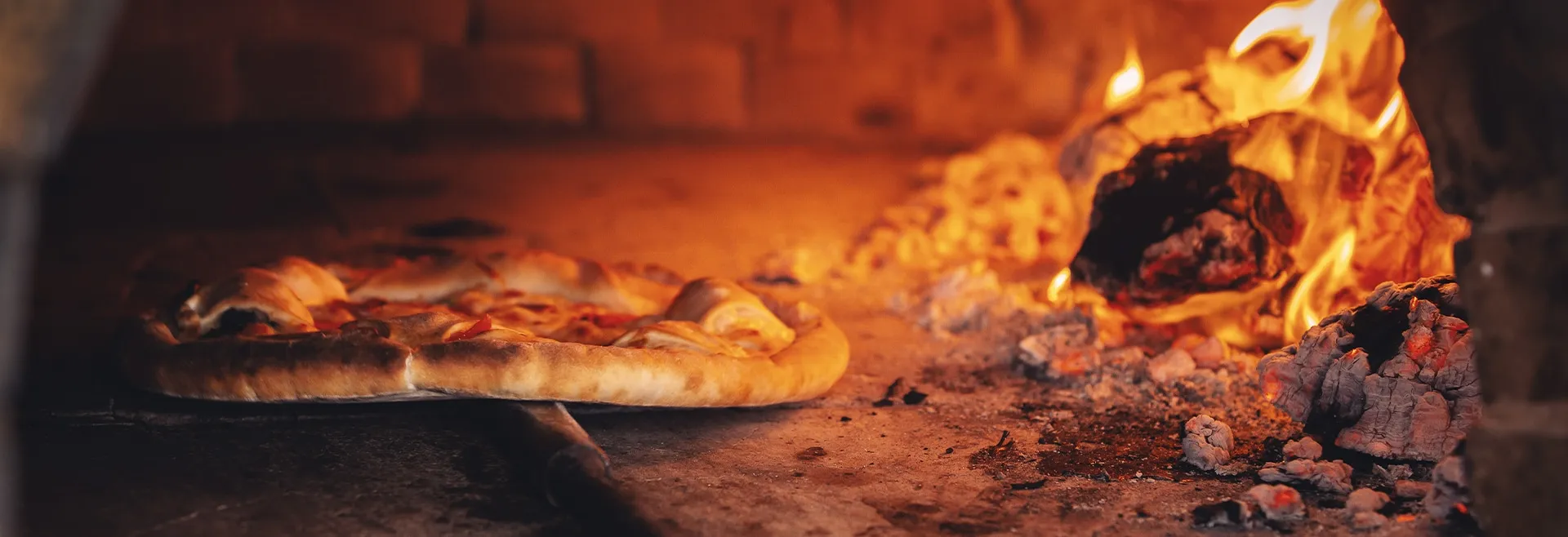
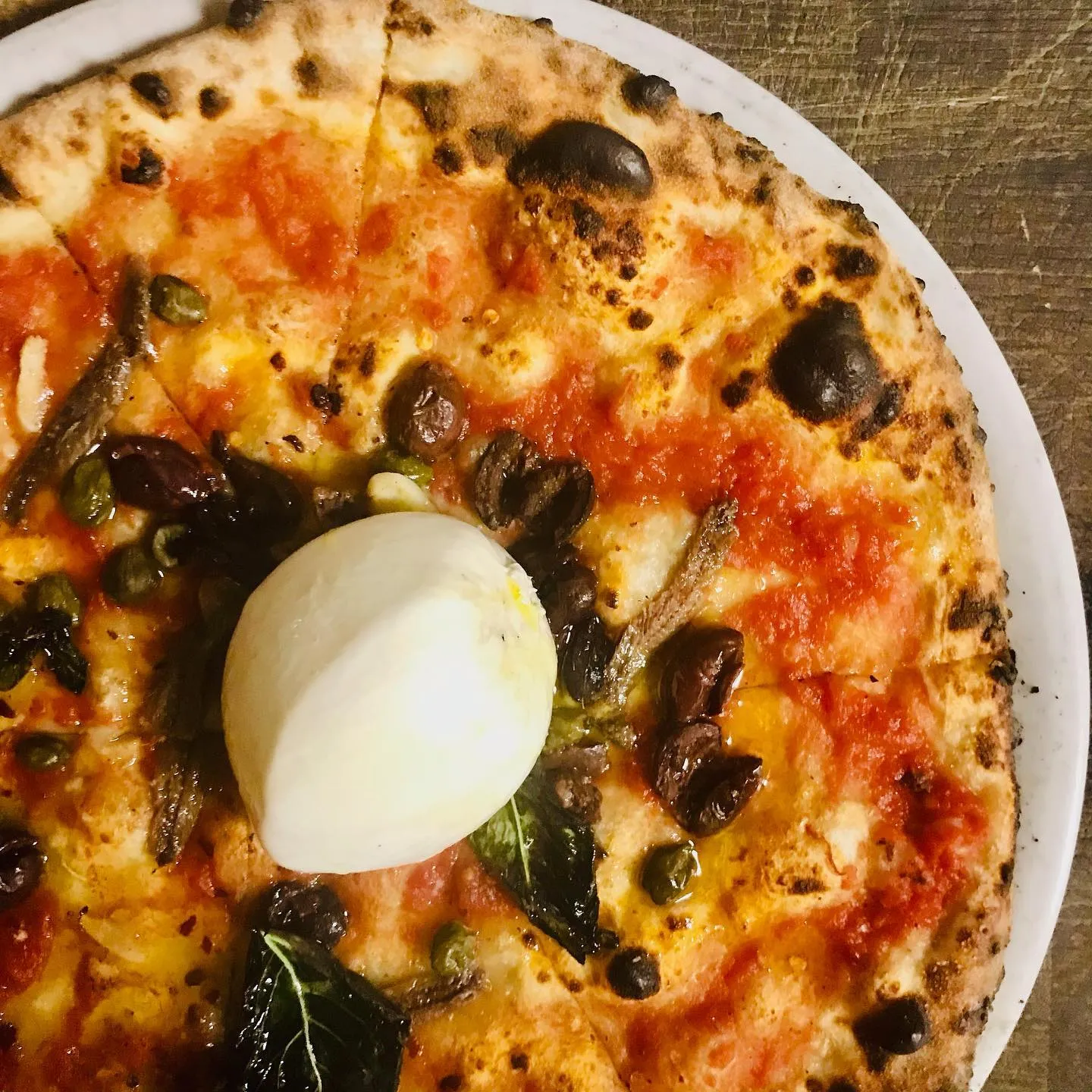
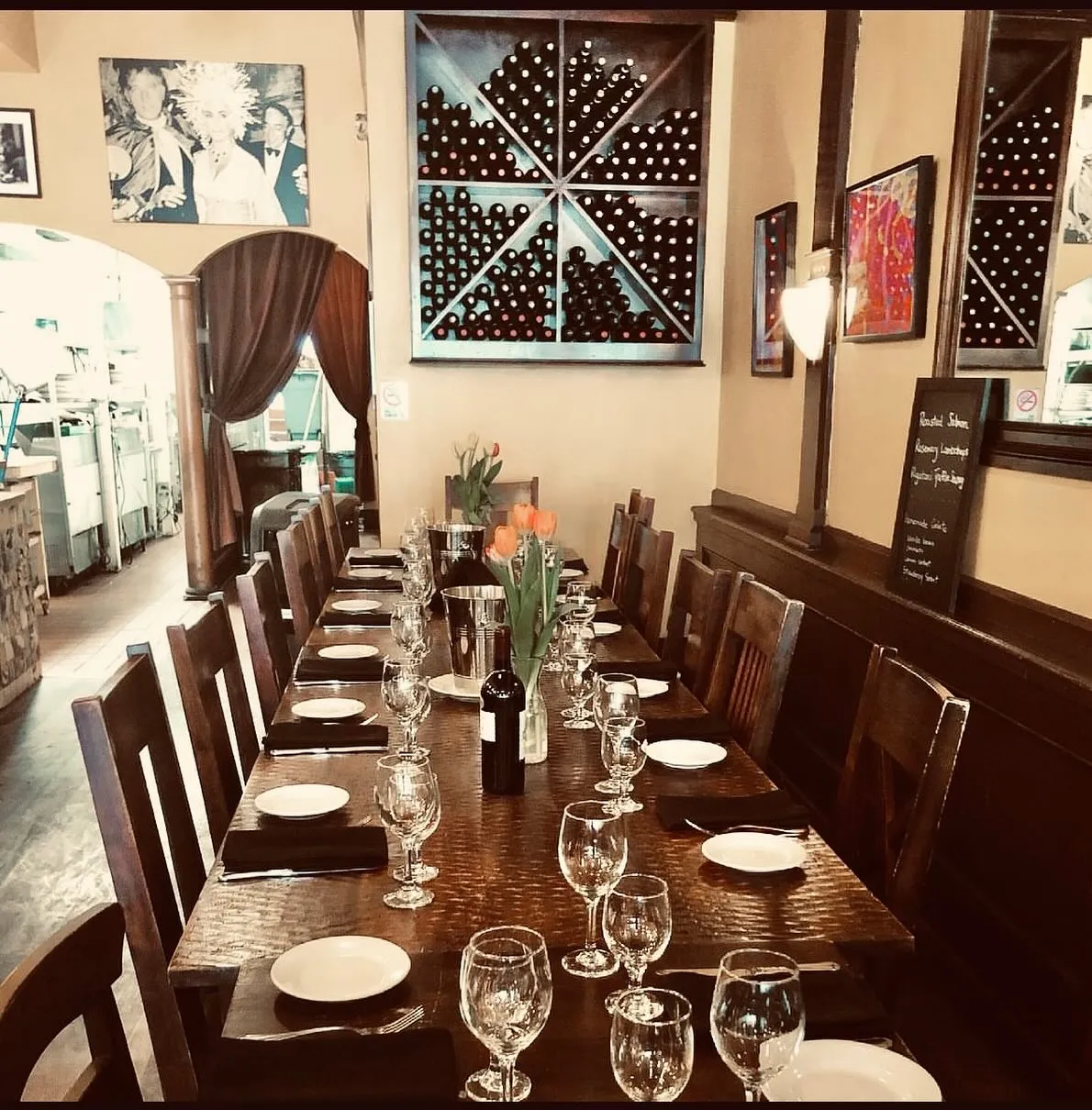
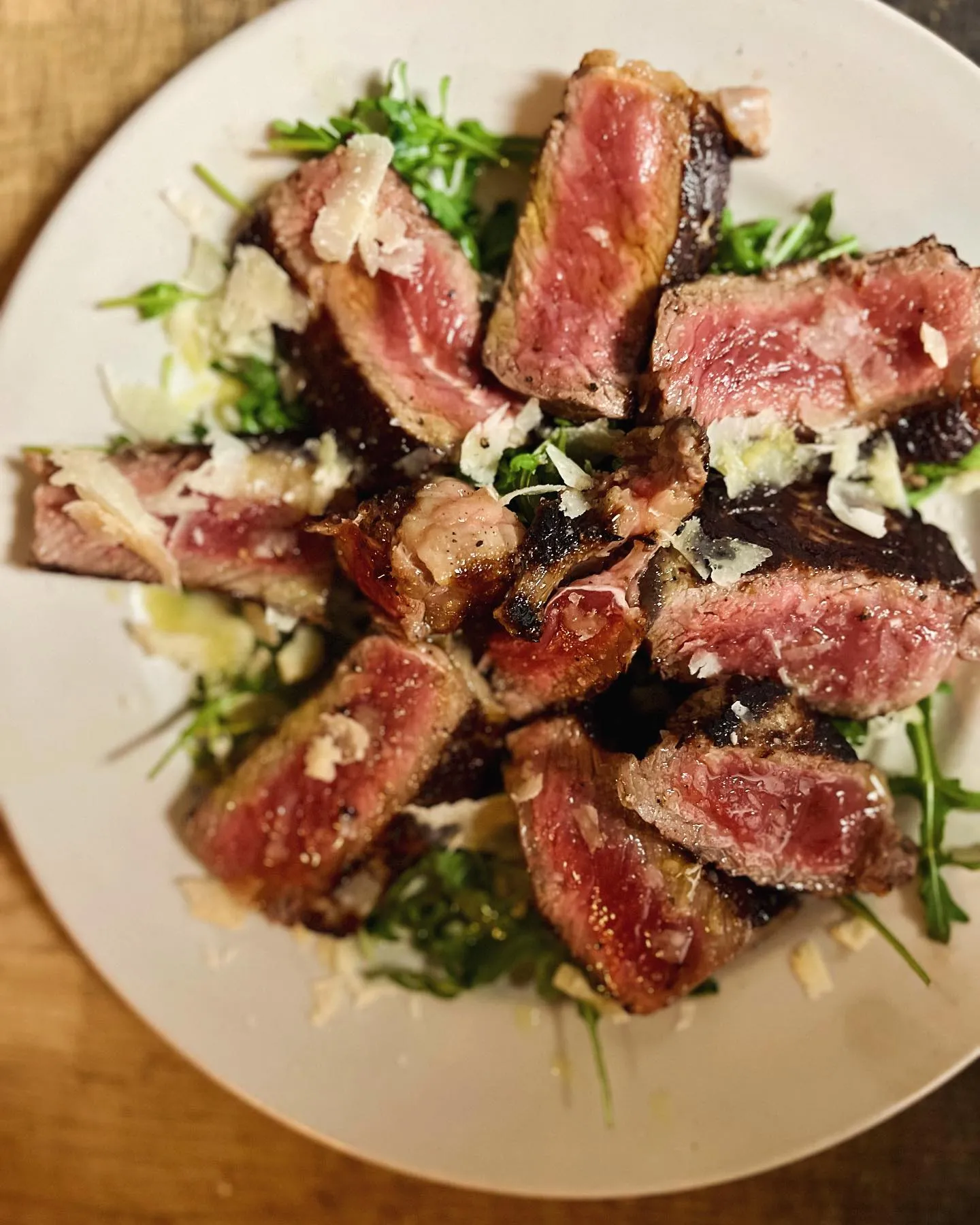
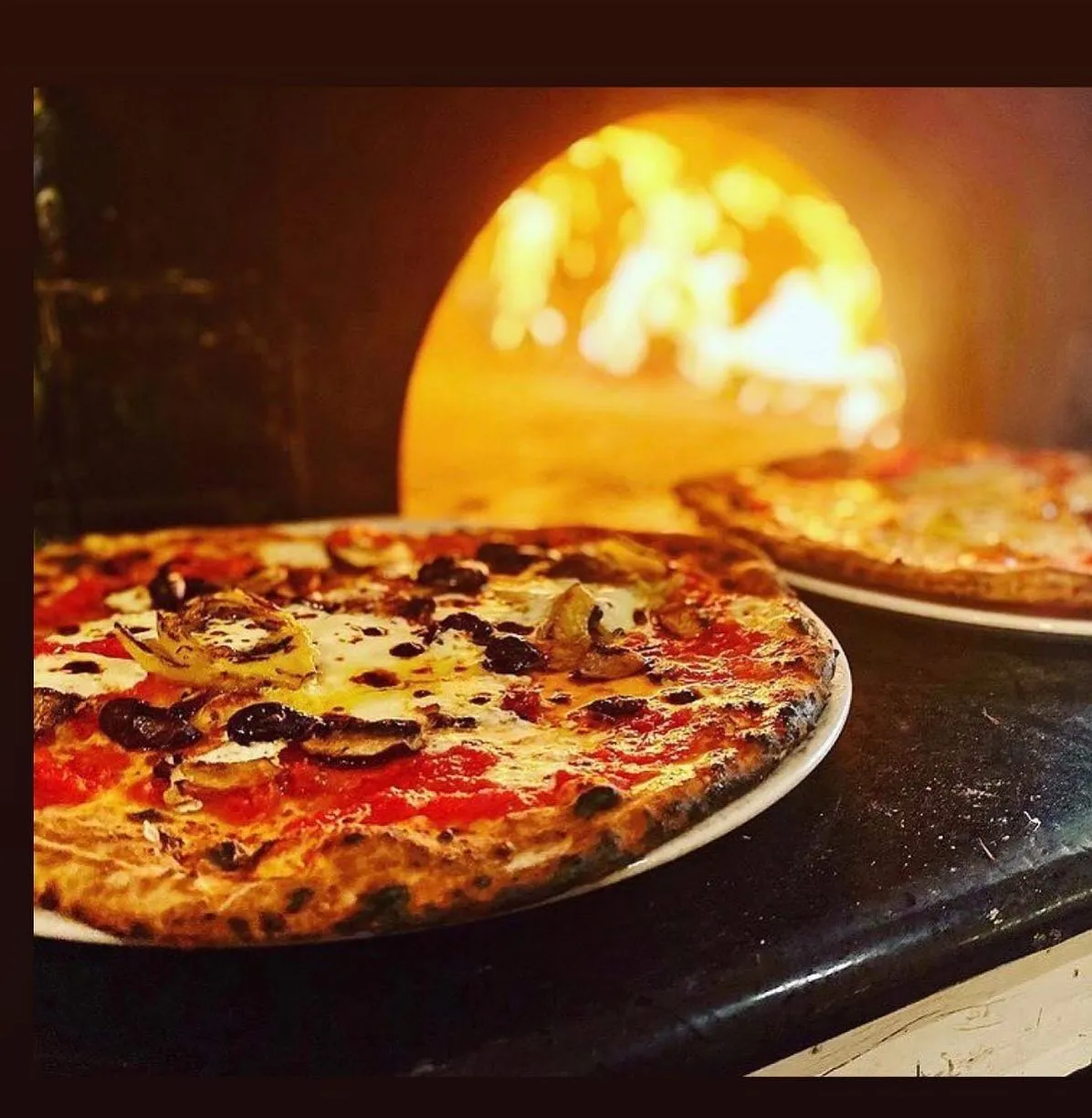
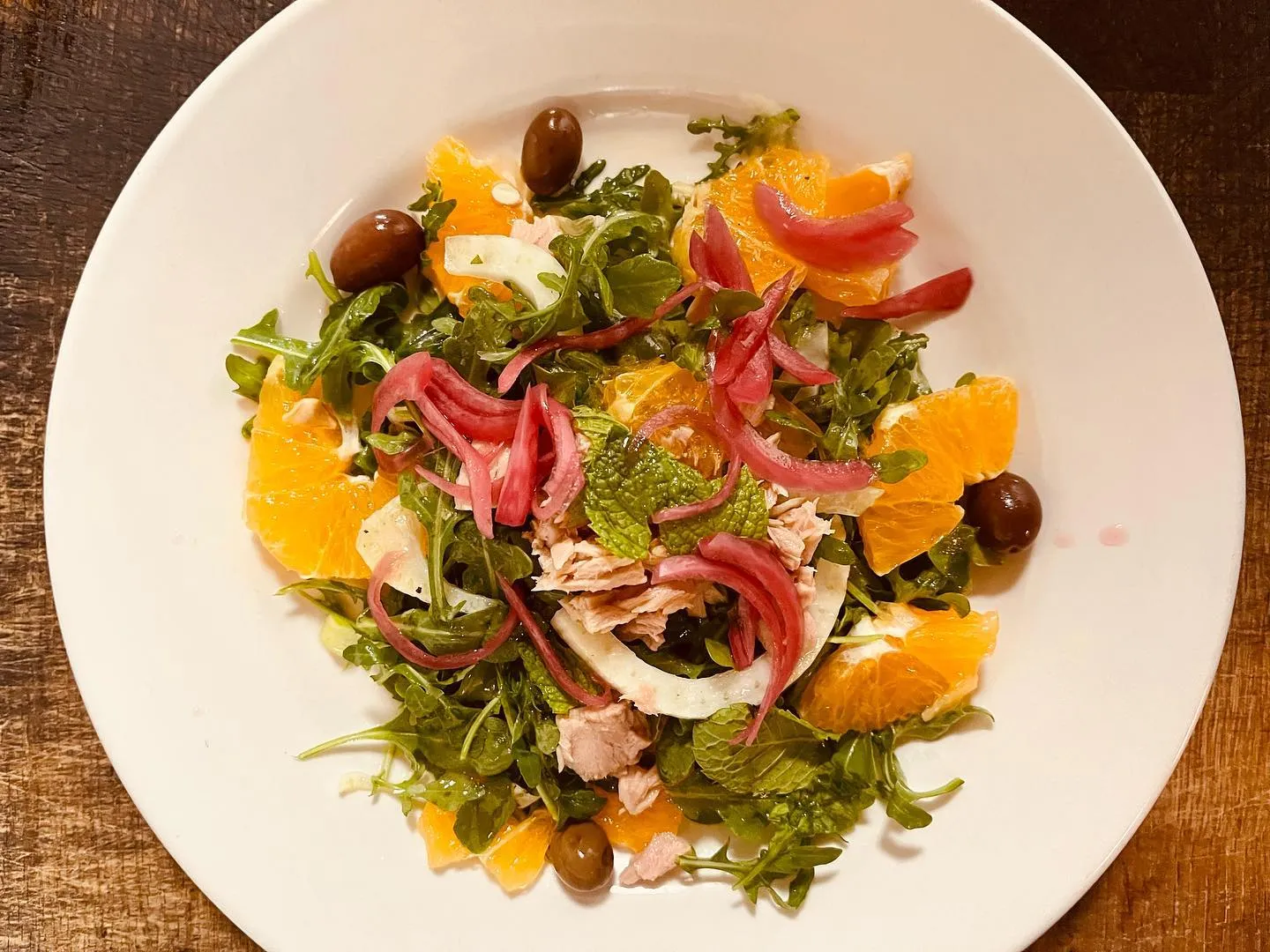
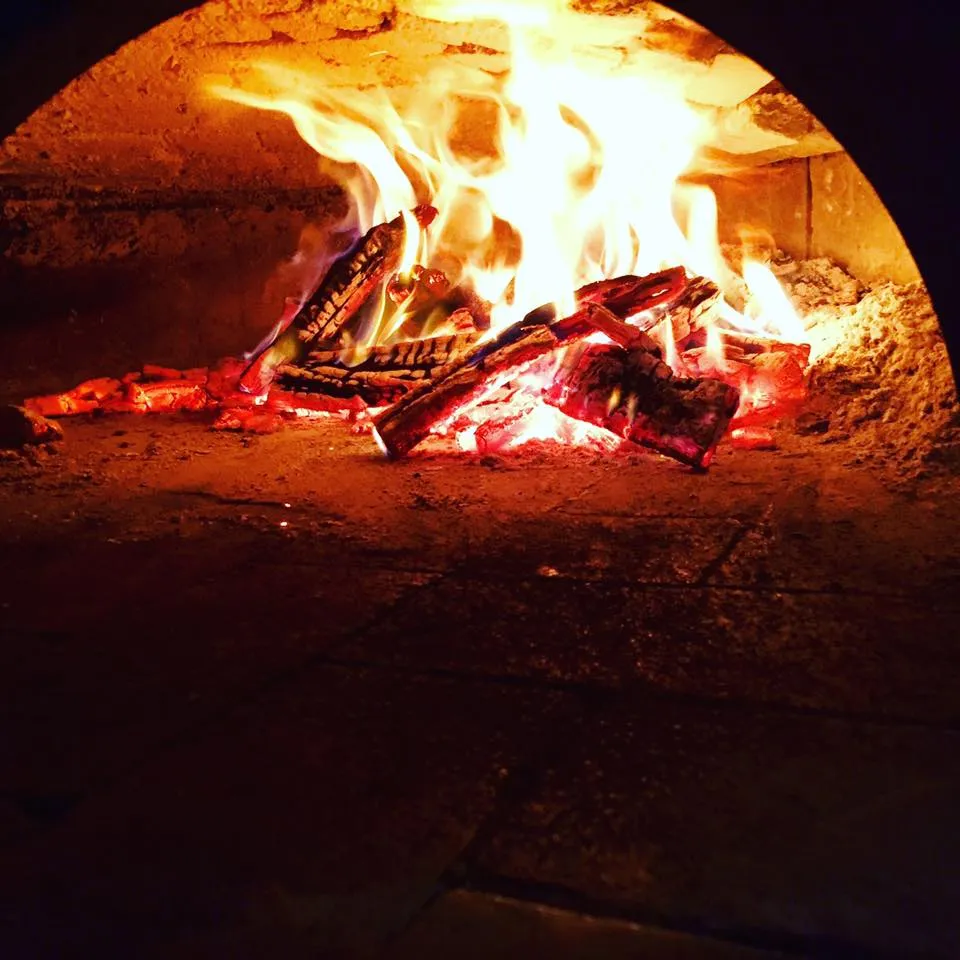
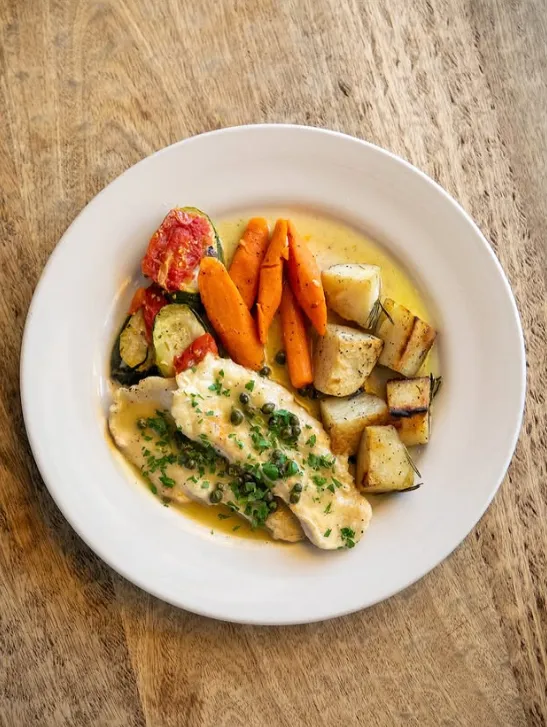
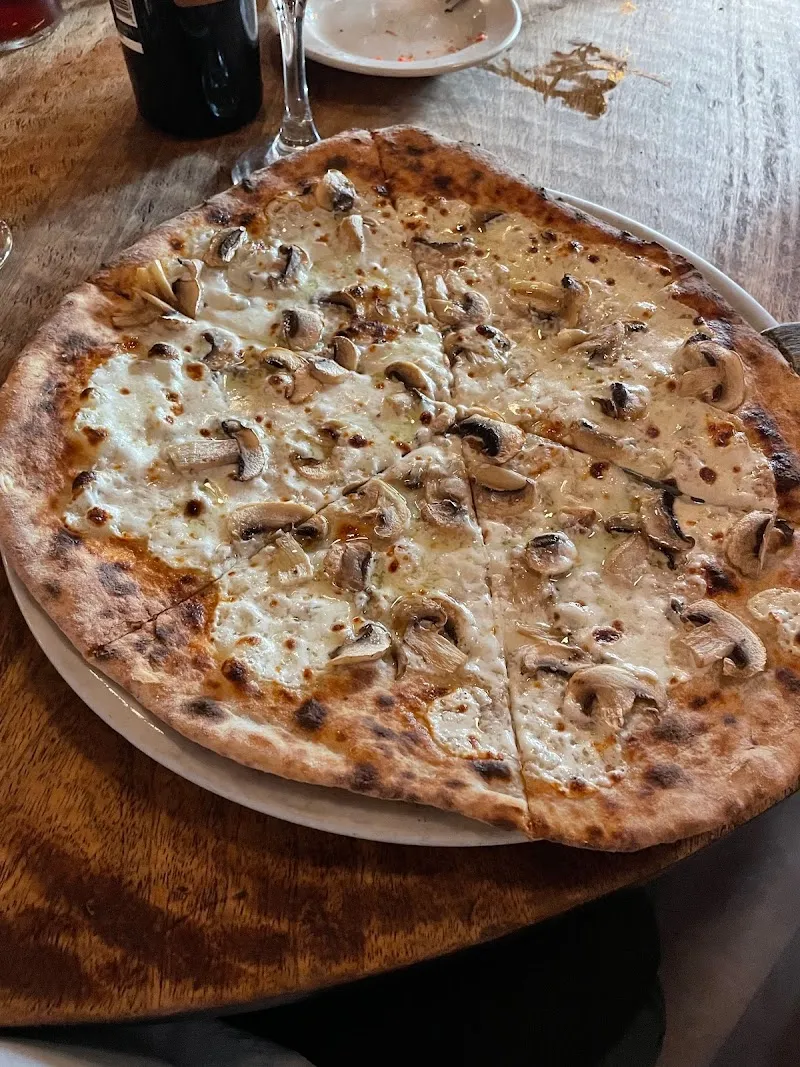
For me, I know food. can look at recipes. I can look online and see snacks that I want or try things out. And so while the main menu's the same, it's never gonna change. The pizzas, the pastas, a lot of the apps, there's a special board. So we have a bunch of special boards around the restaurant that we hand write and then we kind of move around, which is cool. Table to table, people see it. And so I get to have fun with the specials board. And that's been a lot of fun just to mess around with great Italian ingredients and just, you know, doing dinners, I don't know I should say that. No, I shouldn't say that. Like certain racing teams, you know, come in for F1, you know, that love our food, you know, are really, you know, doing events for them. You know, just like me and my wife got engaged in Florence. And so a lot of the experiences that we had there, trying to replicate that here because it was just so nice, long tables, communal dining.
So, yeah, it's crazy how like, you get out of it, you know, I got out of it twice, you know, and then here it is again. And my wife is like, you are, you're glowing. You know what I mean? She's like, you're, you're happy stress before I was like stressed, know, it's whatever you're staying home. Like, but, you know, it's a happy stress and, it's, it's neat, you know, every day we're like, own a restaurant. We're like, yeah, it's weird. It doesn't seem real, you know? And it's fun because I think.
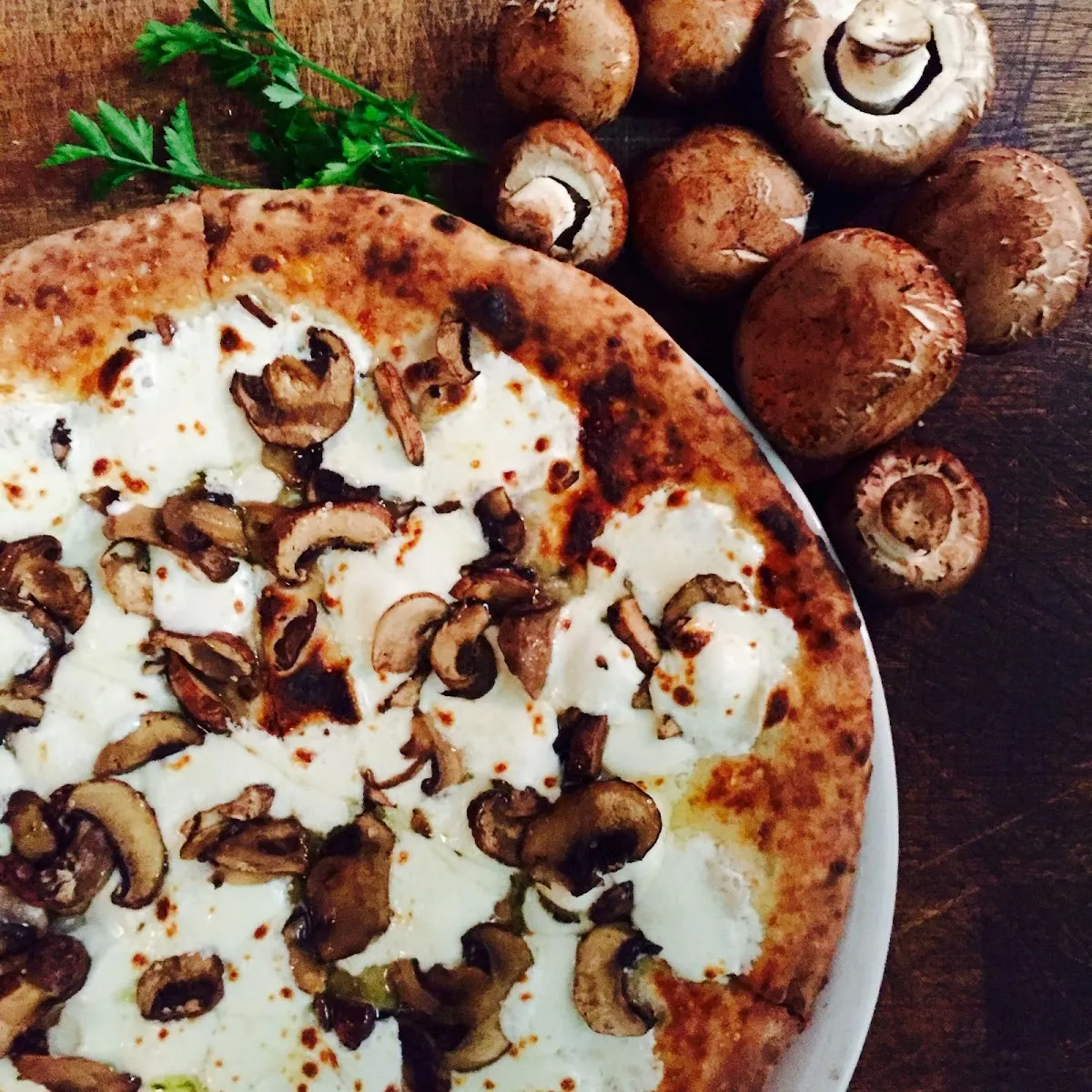
And maybe a lot of, you know, your listeners can relate, like, especially people with families, like, it's hard to kind of combine the family and like your work life, you know what I mean? And have that third space. And then I think in the USA, we have a lot of issues with having what that third space is and what it means to people. And so, you know, it's nice to combine sort of, you know, both the lives of my family and just my hospitality, you know, to come into my restaurant, you know, all of our friends, kids can run around. So yeah, it's just cool to be able to combine my family life and work life in a space that we can just invite anybody in and have a drink and eat a pizza and make a pizza.
It's really cool. And it's funny because it's just right downtown, know, really trying to create a very neighborhood feel that Gianfranco started that, you know, we get to maintain and kind of just like build upon, you know, and I don't, you know, my experience, you know, it's not like in Michelin now is in Austin. It's like, I'm not going to go for Michelin because it's like, what's the point? It's making sure that the people that have come in here for year after year, day after day have the same experience and maybe it's a little better the next time. You know what I mean?
Is culinary school still worth it from your perspective, or are you seeing more like self taught talent coming through?
Alexander Dubey: I think it's, I mean, it's both. I didn't go to culinary school. And you have culinary students who can come in and show people different things. I mean, I really, it really depends on the person, you know what I mean? But also the path that they want, you know what I mean? I think my discovery was through work.
I never was like, you know, this is what I want to do. I think I want to do this, keep doing this, keep doing this. You know what it means? So, it really depends. If you want to go to culinary school and go to Le Cordon Bleu, go to, know, what's the one, why can't I have one in New York? Oh my God, so good. CIA, like, do that and know where you're gonna go. You know, because I've seen a lot of my friends who've done that path and who have like retreated from it and done something that they've really enjoyed that's very different from the culinary path first level one. You're going from tasting menus to, you know, food trucks, you know, but the food truck is insanely good. You know, it's like crazy good because you have all that talent. So, you know, it really just depends on the person and that person's willingness to sort of accept and learn and stay focused and the sooner that they know what they want, know, obviously things change, you have to be malleable, but it's a lot easier to, I think, move faster. You know what I mean?
I'm not gonna say it's competitive. You know what I mean? I think you need to be competitive with yourself versus like other people. How can I be a little bit better today? Is there something I really need to get done that's just gonna give me that, either that little edge or you have to work longer. You know I mean? To get what I need to get done for myself. Because the minute you start focusing on other people and their path, like, it just gets cloudy for you.
How do you compete for talent against the bigger restaurant groups in Austin?
Alexander Dubey: I mean, we've been very fortunate to have kept most of the staff that has been there. Some people, yeah, like, I mean, 95 % of the staff has stayed. I've hired a couple more people. Yeah, it's a very good question. You know, you have large companies who know Dental vision health care blah blah blah bonus, you know all that stuff. We can't really offer that We're a small mom and pop shop, you know You family meal. I bring them cookies, you know when I can, you know, I let them have shifties. You know if they've had a rough night, you know, I'll get back there and make some pizzas for them, you know. While our service steps our service steps. It's not like micromanaging. You know what I mean?
I treat people like adults. You know, you're like, this is a business. What we do at the end of the day is the work we do is non-emotional, we work in a very emotional environment. You know what I mean? We have to execute what we need to do and get done. When you're table side, that's emotion and stuff like that, but it's a business. And it takes a really good leader or manager, because we work in a pooled house, which is very different from someone working in a tipped out house or whatever, where they're on stations.
For me, I've always worked in pooled houses. I mean, even since, other than Melting Pot back in the day, JG was a pooled house and it was a pooled house from there on out. And so pooled houses, every table's important. Teamwork is huge, you know? It takes a good manager to say, like, if there's a weak link and the team feels like they're doing more than that person, you have to have real conversations with people about their efforts and their abilities, you know? And you have to view it you have to come with points.
You know, it takes a very sort of emotionally aware person because every person is so different and has strengths and weaknesses. And how do you, how do you relay that to the team, you know, and create an understanding within the small moments that are giving them answers about this person.
You know, instead of like them, like one moment is one of these things where it's like, sometimes a server will come up and she's like, Hey, they're not pulling their weight. They're not doing enough closing side work. I'm like, something that I do is like, I don't want, you know, as a staff member, you don't have to manage your team. Right. I'm like, manage the person. They're adults. It's like, Hey, pick it up. But it's how you are, what's the tone of your voice? How are you telling them to do something? You know what I mean?
There's a lot of little intuitive things that will either get that person to do what you want or get them not to, you know what I mean? And so how do you create sympathy in that moment to have them want to help you without feeling like they're being managed? You know what I mean?
And so, it's as small as saying, it's like, I'm gonna go do tasks that really sucks about closing. If you do this other task that's generally tends to be easier. You know what it means? So it's like, I'm gonna go eat some shit, but I'm gonna do something to clean up, but I'm asking you to do something too. That's not the thing that I know you don't wanna do, but I'll just go do it. You know what I mean? Those moments and those coachable moments and then creating sort of an environment where these people feel very comfortable about the job that they do, there isn't too much stress, well, they do need to be managed. You know, they're making money.
Am I gonna make my rent, am I gonna make this, am I gonna make how much today? They know like, okay, you come to a shift, it's X amount of covers, X amount of staff on, we're probably gonna make this, and it's been consistent. That barrier goes down and they can focus on something else. You know what it means? They can focus on a better service, right? They're cut off from the stressful part of the world and they can focus on that flow and going, just let me just be here because all my, not all my worries are taken care of, you know what I mean?
As much as people want to say, leave all your shit at the door when you walk in the restaurant, like, come on. It's not realistic, you know? How can you manage that within a group of individuals who also have many things that they've tried to leave at the door and they can't, you know? And it's called a shared respect and a mutual understanding that we're all adults. We all need to just do this together. And some days it's easy. Some days it's really hard. But we might have cookies and a fucking glass of red wine, you know? I don't know, you know?
I just think there's a lot of different variables that make people want to work for me versus another company, you know, where you could be a cog. Here I'm at a very unique space that I can say, would you like to do social media? Hey, would you like to be my bar manager? Hey, I've grown so many teams in all these restaurants that I know as a manager, one of the things is like, wish I could create more people like myself. And that's fucking weird, but like not exactly me, but want to be in the industry and to grow it and to have a lot of integrity about moving other people up. And so every restaurant I've been able to move servers up into managers or bartenders up into bar managers or hostesses up into event coordinators. You know what I mean? And give them a little notch on the resume and say, hey, like, yeah, do it. Like, take it. know, put you on the bowling ball barriers.
You know, and you're gonna hit a couple, but you'll strike. You know what it means? That's a good metaphor. That was pretty good. I just made that one up. Yeah, so I think that's kind of, I'm in that space now where I'm able to lift people up into positions to help me do better things for the business as an owner mindset. You know, that quick professional growth in an environment that is a little more rock and roll and less like, you know, less like standardized, you know, could be attractive, you know, I don't know.
What is the number one red flag you look for in a potential candidate during an interview?
Alexander Dubey: Punctuality, you know what it means, if they show up on time. Double points if they get up and they push in their chair, you know what I mean, got some for people to think about. It's in the details. And then I think, you know, during the conversation, I'm trying to think about a lot of my interviews that I take. I haven't done too many here, which is like, I just knocked on wood. A lot of moving around a lot, you know what mean? Having a resume where you're just bounce, bounce, bounce, bounce. I don't mind hiring people who do that because sometimes people don't, managers maybe don't know how to manage people. I think I'm unique in that sense where it really is, and that's why references are super important, always check references. yeah, bouncing around a lot and the reasons for that, you know what mean?
That's a big one, for sure. I think not making eye contact or looking away a lot. I think I try to have interviews that are just more casual, just more talking versus massive questions. Because again, if I can see your resume and I can see you've worked in restaurants and I can see you've spent all this time, like, there's like a common denominator of what it takes to take care of somebody. You know what I mean? And so sometimes if you ask a question like, I don't know, I don't even know, like how would you talk to somebody who's looking for a glass of wine? You know what I mean? Like how do they break that question down for me? It's like, if someone gives me like a two second answer, it's like, okay, well, it's a little longer than that.
And those things tell me that they care about the guest experience versus getting through a shift. You know what I mean? And also there's a, depending on what they want. I think that's a big part of I think another red flag, and I think I've had two red flags, another one is like people not, like having a lot of experience not in the industry, but like who are coming to it from like a point of desperation in a sense, you know what mean? And I think motive, like you can tell a motive very quickly.
And so for me, it's like, hey, there's a group of people here at this restaurant who work in hospitality, I think, who want to grow up. And if not, they are going to do things that they are aware of doing, but they're here and they're focused. You know what it means? You've gone around, not you, but the person I'm talking to, and you've gone to different things. Where do you see yourself in five years? If it's not in hospitality, it's probably not going to be best that you work with us. You know what I mean? Because I always tell people, go do that thing.
Like, why are you applying for my restaurant? Go be an intern at a design firm. You know what it means? go work for free somewhere in a place that you want to be at. You know what I mean? And then you work your way up, know? Versus wasting time at a restaurant just because you need money. And I don't know if that's rude or not, but it's like I would rather people really listen to themselves and what they want. And I know everyone's circumstances are the same, but it's like if you can find a way to do the thing you want to do sooner, it's going to be a lot easier and you'll be a lot happier. You know what it means? So yeah. I don't know if I answered that question with all your red flags about interviews, but yeah.
Check out more interviews like this brought to you by OysterLink to learn about the industry. You can get them straight to your email by creating an OysterLink account and joining our newsletter.

Loading comments...