




In 2026, Austin’s food scene is being shaped less by one downtown dining strip and more by the character of its neighborhoods. Each area brings its own pace, price point, and culinary identity, creating a citywide restaurant culture that feels more local, more diverse, and more inventive than ever.
From East Austin’s creative dining rooms to North Lamar’s neighborhood-driven barbecue and South Congress Avenue’s retail reshuffling, the city’s culinary map is changing fast. That shift is giving diners more choices and giving independent Chefs and owners new opportunities to build distinctive concepts where their communities actually live.

East Austin Is Leading Austin Food Scene in 2026
East Austin has become one of the clearest examples of how a neighborhood can define a city’s food identity. Its mix of cultures, housing styles, and small-business energy has made it a natural home for authentic taquerias, Vietnamese eateries, and daring fusion restaurants.
The neighborhood’s culinary range matters because it reflects the people who live and work there. Instead of one narrow definition of Austin dining, East Austin offers a broader, more layered story built on family recipes, global influences, and modern technique.
Siti And The Rise Of Global Austin Food Scene In East Austin
Siti, led by Chef Laila Bazahm, shows exactly how East Austin is helping push the city’s food scene forward in 2026. The restaurant’s Southeast Asian-inspired menu includes dishes like spicy sambal striped bass and 44 Farms beef cheeks, blending local ingredients with international flavor.
That kind of menu fits East Austin well because diners there tend to embrace experimentation. It also signals that Austin is no longer only defined by Texas barbecue and tacos, even though those staples remain important.
Why East Austin Attracts Creative Talent In Austin Food Scene
East Austin gives Chefs more room to take risks, and that freedom shows up in the dining room. Smaller concepts can build loyal followings when they deliver strong food, personality, and a clear point of view.
For many operators, the neighborhood’s mix of longtime residents and curious diners makes it an ideal testing ground. It rewards originality without losing the sense of community that keeps neighborhood restaurants relevant.



The Fastest Growing
Restaurant & Hospitality Job Platform
Looking for top paid jobs? Or Hiring for your business?
South Congress Avenue And Austin Food Scene Changes in 2026
South Congress Avenue has long been one of Austin’s most recognizable corridors, but its role in the food scene is changing. Rising rents and increased competition from luxury chains have pushed many independent businesses to reassess whether they can stay put.
That pressure is important because it affects more than storefronts. When independent retailers and restaurants move, the neighborhood’s dining culture shifts with them, often leaving behind a more polished but less locally rooted experience.
How Rental Pressure Is Reshaping South Congress Austin Food Scene
As costs rise, many smaller operators are looking to more affordable neighborhoods where they can protect margins and preserve their identity. A good example is Monkey See, Monkey Do, which moved to South Lamar and Menchaca and reportedly found a better business environment there.
That kind of relocation shows how Austin’s food and retail ecosystem now depends heavily on neighborhood economics. If a district becomes too expensive, the independent businesses that gave it character may be the first to leave.
What South Congress Means For Austin Dining in 2026
South Congress is still influential, but it is no longer the only place that defines Austin’s culinary identity. Its evolution is helping spread demand to surrounding neighborhoods, which may actually strengthen the city’s food scene overall.
For diners, that means exploring beyond the most famous corridors. The next great Austin meal may be happening one or two neighborhoods away from where people used to expect it.
Currently Open Hospitality Positions on OysterLink

Featured Job
Server at Varka Restaurant
Server for high end seafood restaurant.
Posted 12 days ago
Open in New Tab
Featured Job
Posted 12 days ago

Full-time

Standard Hours
Day Shifts
Weekend Shifts
Night Shifts

Mid Level (3-7 years)
Featured Job
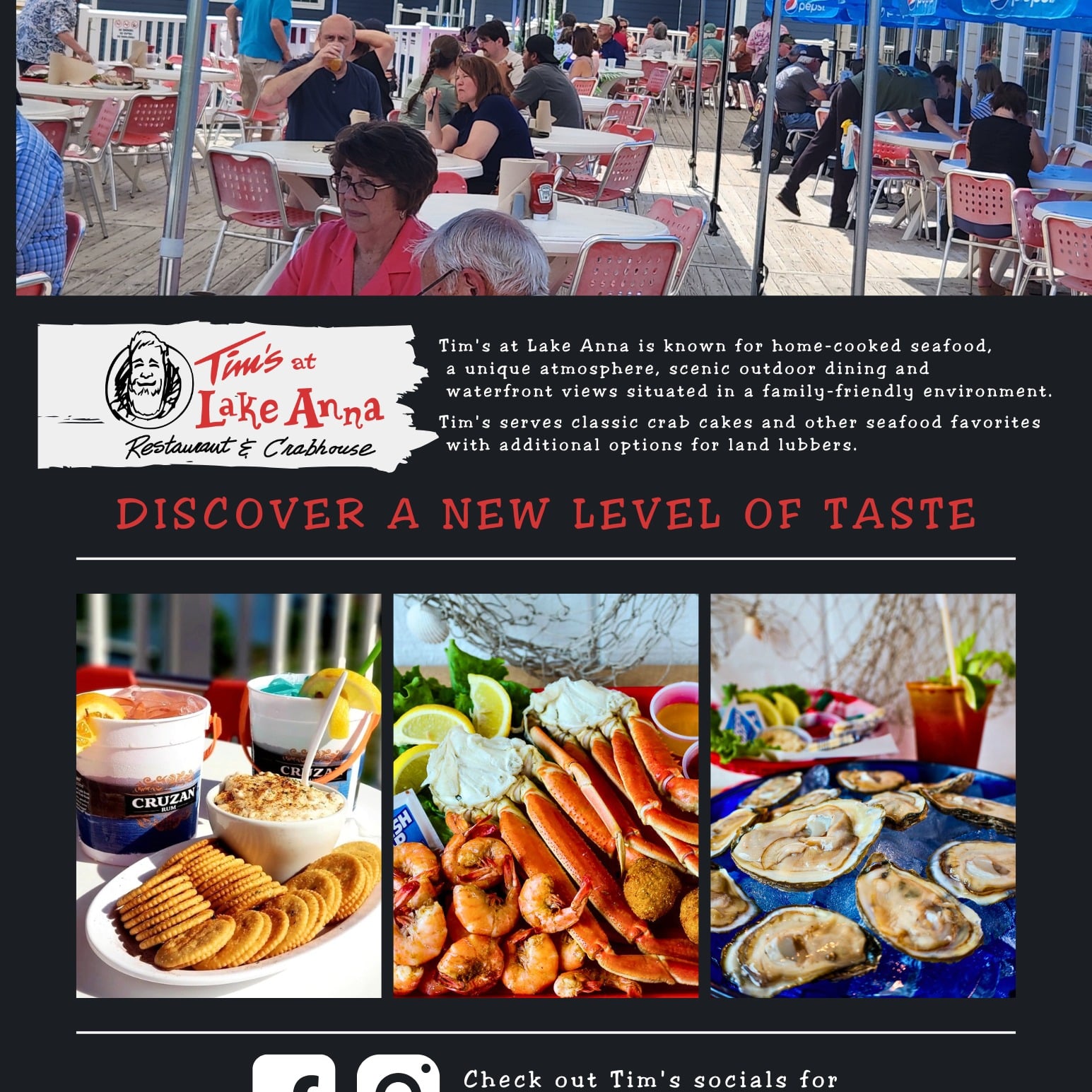
Kitchen Supervisor at Tims at Lake Anna
Tim's at Lake Anna is seeking experienced cooks to join our high volume, fast paced kitchen. Ideal candidates have experience on grill, steam, sautee, and or fry, and are able to perform under pressure while...
Posted 16 days ago
Open in New Tab
Featured Job
Posted 16 days ago

Starting from $17.00
Hourly
Full-time
Part-time
Bonuses
Flexible
Weekend Shifts
Fixed Shifts
Entry Level (1-2 years)

Flexible Schedule
Free Meals
Training
Featured Job
Restaurant Manager at Popeyes
Overview: Are you a veteran restaurant leader who "thinks like an owner"? Our franchise group operates 18 successful locations (Popeyes & Burger King), and we are l...
Posted 18 days ago
Open in New Tab
Featured Job
Posted 18 days ago
Starting from $60,000.00
Salary
Full-time
Bonuses
Day Shifts
Weekend Shifts
Night Shifts
Mid Level (3-7 years)
Flexible Schedule
Paid Time Off
Free Meals
Health Insurance
Featured Job
Pizza Maker at Pellegrino's Pizza Bar
Wood Fired Neapolitan Pizza (90 second oven time) **MUST HAVE EXPERIENCE!!** (at least 2 years specifically in this style of pizza) High volume, fast paced. Dough and topping preparation daily. Must...
Posted 23 days ago
Open in New Tab
Featured Job
Posted 23 days ago

Urgently Hiring
Starting from $24.00
Hourly
Full-time
Bonuses
Weekend Shifts
Fixed Shifts
Night Shifts
Mid Level (3-7 years)
Free Meals
North Lamar Boulevard Is Driving Austin Food Scene Growth
North Lamar Boulevard has become a meaningful destination for new culinary ventures in 2026. The area is drawing attention from operators who want a neighborhood with steady traffic, strong local identity, and room to build something lasting.
This shift matters because it shows Austin’s food scene is not concentrating in only a few trendy zones. It is spreading into corridors where restaurants can serve everyday residents as well as destination diners.
Two Goose Market And The Neighborhood BBQ Model in Austin
Two Goose Market, a family-owned barbecue restaurant on North Lamar, captures the appeal of the area well. Its weekday “Blue Collar BBQ” offers affordability, while Saturday service leans into elevated prime barbecue.
That balance between value and craftsmanship is part of what makes the concept stand out. It also reflects a broader Austin trend: guests want authenticity, but they also want food that feels thoughtful and well executed.
How Hospitality Shapes Austin Food Scene On North Lamar
Two Goose Market is also notable for its emphasis on genuine hospitality and locally sourced ingredients. Those elements give a restaurant staying power in a neighborhood that depends on repeat guests.
In 2026, that is a notable advantage. A city with Austin’s level of growth rewards places that can feel personal, consistent, and rooted in the surrounding community.
Affordability And Authenticity in Austin Food Scene Neighborhoods
One of the biggest forces shaping Austin’s food scene in 2026 is the relationship between affordability and authenticity. As high-profile corridors become more expensive, neighborhoods with lower barriers to entry are becoming more attractive to independent operators.
That creates a more distributed dining culture, where good restaurants can flourish outside the city’s most obvious commercial centers. It also helps preserve the kind of personality that makes local food scenes memorable.
Why Local Neighborhoods Matter For Austin Restaurants
Neighborhoods give restaurants a built-in identity. A taqueria in East Austin, a barbecue spot on North Lamar, and a cafe in South Lamar can all feel different because their guests, rhythms, and expectations are different.
That difference is part of the appeal. It allows diners to experience Austin through smaller, more specific lenses instead of seeing the city as one uniform food destination.
The Role Of Community In Austin Food Scene Evolution
Community support remains central to whether a restaurant succeeds. Neighborhood regulars often become the backbone of a concept, especially when the menu, pricing, and service style fit local needs.
In that sense, Austin’s food scene is becoming less about chasing national buzz and more about building durable neighborhood relationships. That change may be one of the healthiest developments in the city’s dining culture.
How Neighborhood Centers Support Austin Food Scene
Public support also plays a role in shaping where and how people eat across Austin. The city’s Neighborhood Centers help provide resources and support to different areas, which can strengthen the local fabric that restaurants depend on.
When communities have more access to services and gathering spaces, they tend to develop stronger neighborhood ties. That can translate into more consistent foot traffic for nearby restaurants and more loyalty for locally owned businesses.
Community Infrastructure And Dining in Austin
Dining scenes do not grow in isolation. They rely on neighborhood infrastructure, residential density, and the everyday habits of people who live nearby.
In Austin, that means local food success is often connected to broader community investment. The stronger the neighborhood network, the stronger the restaurant ecosystem around it tends to be.
What Austin Food Scene Needs From Neighborhoods in 2026
Austin’s food scene needs neighborhoods that support both innovation and stability. The city has plenty of culinary ambition, but that ambition needs affordable spaces, loyal diners, and room for independent businesses to grow.
That is why East Austin, North Lamar, and emerging pockets beyond the traditional center matter so much. They are helping create a more balanced food landscape that is less vulnerable to rent spikes and more open to bold ideas.
The Future Of Local Dining In Austin
The future likely belongs to restaurants that feel rooted in a specific place. Whether that means globally influenced cuisine in East Austin or barbecue with a neighborhood-first mindset on North Lamar, local identity will continue to matter.
For diners, that is good news. It means Austin’s best meals may increasingly come from neighborhoods that reflect the city’s changing character rather than from only its most famous destinations.

Official Resources For Austin Food Scene And Neighborhood Dining
For readers who want to learn more about local rules, community programs, and restaurant oversight in Austin, these official resources can help.
- City of Austin Official Website
- Texas Department of State Health Services - Food Establishment Rules
- Texas Alcoholic Beverage Commission
- Texas Restaurant Association
- U.S. Department of Labor - Fair Labor Standards Act (FLSA)
Final Thoughts On Austin Food Scene And Local Neighborhoods
In 2026, Austin’s food scene is being defined by neighborhood identity more than ever before. East Austin is driving creativity, South Congress Avenue is showing the pressure of rising costs, and North Lamar Boulevard is proving that strong restaurants can thrive outside the obvious hotspots.
That shift is making Austin’s dining culture more varied, more community-driven, and more resilient. As neighborhoods continue to shape where people eat, the city’s food future will likely be built one block at a time.




Loading comments...