
Tom Colicchio's restaurants are some of the most talked-about in American dining - not because there are many of them, but because of the standard each one holds.
If you work in hospitality and want to understand what a sustainable, quality-first restaurant empire actually looks like, this is the portfolio to study.

How Many Tom Colicchio Restaurants Are There in 2026?
Tom Colicchio currently operates 7 restaurants across the United States, with no international locations and no franchise partnerships.
His footprint is concentrated in New York City, with outposts in Las Vegas and Garden City, NY. A Washington, D.C. expansion was announced for 2025, marking only the third city outside New York to host a Colicchio concept.
For hospitality professionals tracking how top culinary brands grow, check out OysterLink's best-paying restaurant jobs breakdown to understand the roles that power operations at this level.
Where Are Tom Colicchio's Restaurant Locations?
| Region | # of Restaurants | Key Concepts |
|---|---|---|
| New York City | 4 | Craft, Temple Court, Vallata, 'Wichcraft |
| Las Vegas | 1 | Craftsteak |
| Garden City, NY | 1 | Small Batch |
| Washington, D.C. | Planned | TBD |
New York City is unmistakably the center of gravity for the Colicchio brand, hosting four of his seven concepts across different neighborhoods and dining styles.
The Las Vegas location at Craftsteak represents his only major foothold in the resort-dining market - a sector where many celebrity Chefs overextend and lose identity.
Washington, D.C. would be his first government-market expansion, a notably underserved fine dining city compared to NYC or LA.
If you're looking for open roles at top restaurants in these markets, browse New York hospitality jobs and Las Vegas hospitality jobs on OysterLink.
Craft: The Tom Colicchio Restaurant Concept That Built the Brand
Craft, his flagship fine dining concept, opened in New York City and later expanded to Los Angeles, with prices sitting in the $100–$150 per person range.
The concept is built around a counterintuitive idea: strip the menu back to the ingredient, let seasonal sourcing do the talking, and resist the urge to over-complicate.
That restraint is what's kept it relevant for over two decades in one of the world's most competitive dining markets.
Craftsteak and Temple Court: Tom Colicchio's Fine Dining Strategy at Two Extremes
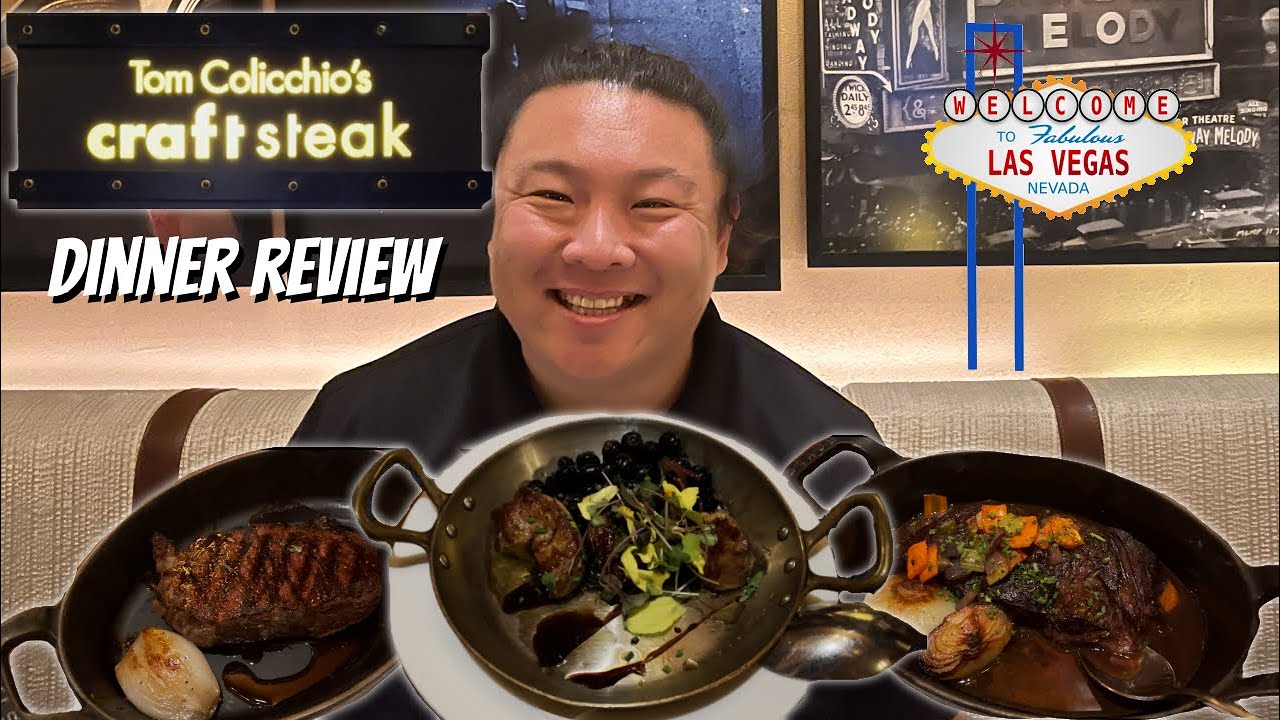
Craftsteak in Las Vegas and Temple Court inside the historic Beekman Hotel in NYC both sit in the $100–$150 per person bracket, but they serve entirely different purposes within the portfolio.
Craftsteak is built for the hotel resort ecosystem - premium dry-aged cuts, extensive wine lists, and a guest base that expects spectacle alongside substance.
Temple Court takes the opposite approach: a beautifully restored 19th-century space where the architecture does the heavy lifting and the food stays understated and classically American.
A strong Sommelier is non-negotiable in both settings - at Craftsteak especially, the wine program is as much a draw as the meat.
Vallata and Small Batch: Tom Colicchio's Casual Restaurant Range
Vallata (NYC, Italian-inspired, $75–$100) and Small Batch (Garden City, farmhouse American, $50–$75) are where Colicchio's philosophy gets its most accessible expression.
Both lean into locality - Vallata with its rustic Italian sensibility, Small Batch with a farm-to-table ethos that goes beyond buzzword into genuine sourcing practice.
For hospitality operators, these two concepts are worth studying closely: they deliver a premium feel at mid-market price points, which is the hardest tension to manage in restaurant operations.

The Fine Dining Server skill set transfers directly into casual-elevated environments like these - guest expectations are high even when the price point drops.
'Wichcraft: How a Tom Colicchio Restaurant Concept Competes in Fast Casual
'Wichcraft is Colicchio's fast casual sandwich brand, operating in New York City with an average spend of $10–$20 per person.
It competes directly with the urban grab-and-go market but brings the same seasonal ingredient sourcing that defines his fine dining work - just compressed into a sandwich format.
For hospitality professionals, 'Wichcraft is an interesting case study in brand extension: it expands the customer base without cannibalizing the premium positioning of Craft or Temple Court.
Why Tom Colicchio's Restaurants Don't Have Michelin Stars (and Why That Matters)
Colicchio holds zero Michelin stars across all seven of his restaurants, which stands out in fine dining circles where a star is typically treated as the ultimate validation.
His approach prioritizes seasonal menus, ingredient transparency, and repeat guest experience over the kind of technical precision and formality that Michelin inspectors tend to reward.
In a hospitality landscape where Chefs increasingly chase ratings and algorithm-friendly aesthetics, that's a genuinely contrarian position - and one that hasn't hurt his reputation or his revenue.
Curious which kitchen culture actually wins? OysterLink's Chef interviews have the answer.
Tom Colicchio's Restaurant Expansion: What the D.C. Move Signals for the Brand
The planned Washington, D.C. opening marks only the third city to receive a Colicchio concept after New York and Las Vegas, suggesting a slow-burn expansion model that prioritizes depth over breadth.
Rather than partnering with hotel groups or real estate developers to accelerate growth, Colicchio has retained direct ownership across all locations - a structure that limits scale but protects quality control.
For operators watching from the outside, the D.C. move is worth tracking: it will test whether the brand's NYC-rooted identity translates cleanly into a different urban market and dining culture.
Tom Colicchio's Restaurant Empire: What Hospitality Professionals Can Take From It
Seven restaurants. No franchises. No Michelin stars. No international footprint. By the numbers, Tom's portfolio looks modest - but the deliberateness of that restraint is the point.
His empire holds a direct lesson for anyone building or managing a hospitality brand: a smaller portfolio with iron-clad standards will consistently outlast a larger one held together by licensing deals and brand extensions.
If you're building toward a role in a kitchen like this - whether as a Sous chef, a Floor Manager, or an Executive Chef - understanding how operators like Colicchio think about growth is as important as the culinary skills you bring to the pass.