



Day in the Life of a Bartender in New York City: Key Takeaways
- Bartenders perform diverse duties including drink preparation, customer service, inventory management, and cash handling.
- Challenges include high competition, long irregular hours, dealing with difficult customers, and physical demands.
- Success tips involve gaining experience, obtaining certification, networking, staying informed on trends, and prioritizing self-care.
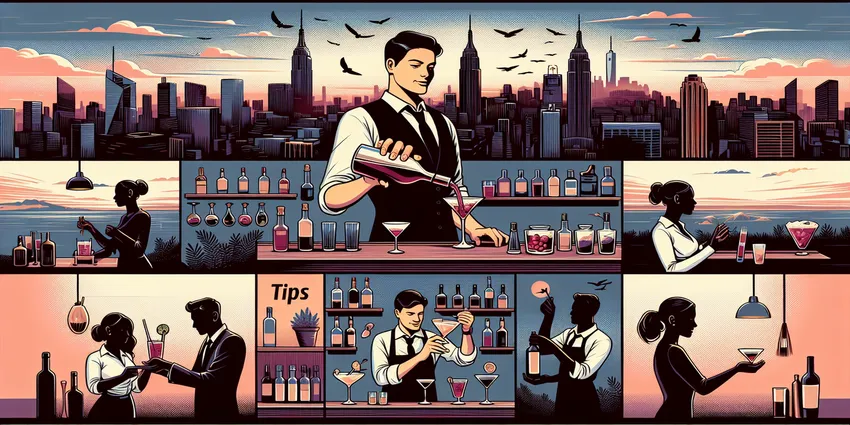
A bartender's day in New York City is a fast-paced mix of craft, service, and stamina. Understanding their roles and challenges reveals what it truly takes to thrive behind the bar.
From behind the taps to handling demanding crowds, this guide explores the duties, hurdles, and helpful tips for NYC bartenders.
Employers looking for guidance on building an effective team can find useful strategies in restaurant staffing.

Bartender Duties in New York City
The typical day for a New York City bartender involves juggling multiple responsibilities that keep the bar running smoothly and patrons happy.
Drink Preparation
Crafting drinks is the core of bartending. NYC bartenders not only mix classic cocktails but also create innovative beverages tailored to customer tastes. This requires knowledge of recipes, ingredients, and presentation skills to maintain high standards.
For those interested in advancing their skills the mixologist job description can offer insight into advanced bartending roles.
Customer Service and Engagement
Creating a welcoming atmosphere is crucial. Bartenders interact with a wide range of patrons, taking orders, making recommendations, and handling inquiries with friendliness and professionalism.
Inventory Management and Bar Maintenance
Keeping the bar stocked and orderly is a constant task. Bartenders monitor inventory levels, place orders for supplies, and ensure cleanliness to meet health regulations and deliver quality service.
Employers can benefit from the inventory manager job description to understand these duties more comprehensively.
Cash Handling and Transaction Processing
Bartenders must accurately handle cash and credit transactions, balancing registers and ensuring no discrepancies occur during busy shifts.
Best practices for managing finances are covered in managing bartender finances.
Challenges Facing Bartenders in New York City
Working as a bartender in New York City brings notable challenges, requiring resilience and skill beyond mixing drinks.
High Competition in the Vibrant Nightlife Scene
With the city's extensive bar scene, competition is fierce. Bartenders must hone their craft and build a distinctive personality to stand out and secure long-term employment. Source
For employers, tips on how to hire a bartender can be especially valuable in this competitive market.
Long Hours and Irregular Schedules
Bartenders often work late nights, weekends, and holidays. These irregular hours can disrupt personal life and require effective time management to avoid burnout. Source
Managing schedules effectively is further discussed in apps for bartender scheduling.
Dealing with Difficult Customers and Conflict Resolution
Handling unruly or intoxicated patrons demands patience and strong interpersonal skills. Bartenders often act as mediators to maintain a safe and pleasant environment.
Employers can improve workplace relations by reviewing how to handle difficult customers.
Physical Demands of the Job
Bartending requires standing for extended periods, lifting heavy kegs or cases of liquor, and moving quickly under pressure, which can be demanding physically.
Advice on bartender health and safety is helpful for managing these demands.
Success Tips for New York City Bartenders
Many bartenders have found practical strategies to thrive despite the job's challenges.
Gain Relevant Experience
Starting as a barback or server provides key insights into bar operations and customer service, building a foundation for a bartending career. Source
New bartenders can explore the barback job description to understand entry-level roles that lead to bartending.
Obtain Certification
While not mandatory, certifications like TIPS demonstrate knowledge of responsible alcohol service and can enhance job prospects. Source
Further certification details are available on the how to become a bartender page.



The Fastest Growing
Restaurant & Hospitality Job Platform
Looking for top paid jobs? Or Hiring for your business?
Network with Industry Professionals
Connecting with peers and attending events helps discover new opportunities and learn about industry trends critical for career growth. Source
Building professional connections is covered in how to network as a bartender.
Stay Informed on Drink Trends and Skills
Continuously refining mixology skills and keeping up with popular drinks can set a bartender apart in NYC’s competitive scene. Source
Prioritize Self-Care
Given the physical and mental demands, taking care of one’s health with good rest and stress management is vital for sustaining a bartending career.
Learn wellness tips for bartenders in understanding burnout vs stress for hospitality professionals.
Bartender Earnings and Wage Standards in New York City
Understanding the pay structure is important for anyone considering bartending in NYC.
As of 2025, bartenders earn a minimum wage of $16.50 per hour. However, employers can take a tip credit, paying a cash wage as low as $11.00 per hour, as long as tips make up the difference to reach the minimum wage compliance.
On average, bartenders make $18.78 per hour in base wages, and receive around $200 in tips each shift. This can result in earnings of approximately $370 during an 8-hour shift, which reflects the lucrative potential of bartending in a busy city like New York. Source
Further career insights and salary details can be found on the bartender salary page.
Official Resources for NYC Bartenders
To stay compliant and informed, bartenders and employers can consult the following official sources:
- New York State Department of Labor — Wage laws and employment regulations.
- U.S. Department of Labor Wage and Hour Division — Federal labor standards including tip credit rules.
- TIPS Certification Program — Alcohol service training and certification.

Day in the Life of a Bartender in NYC: Conclusion
Bartending in New York City is a dynamic blend of creativity, customer interaction, and stamina under demanding conditions.
With diverse duties ranging from mixing drinks to managing inventory, coupled with challenges like intense competition and long hours, bartenders must be adaptive and dedicated.
Following key success tips such as gaining experience, obtaining certification, networking, and self-care can help bartenders flourish in NYC’s vibrant bar scene while earning competitive wages.
Restaurant owners and managers can explore effective strategies at how to hire restaurant staff fast to build successful teams including bartenders.




Loading comments...