




Chef hats have a story to tell. Have you ever wondered why they’re so tall?
Here, we’ll dive into the reasons behind the design, the variations that exist, and the history that shaped this iconic piece of attire.

The Historical Significance of Tall Chef Hats
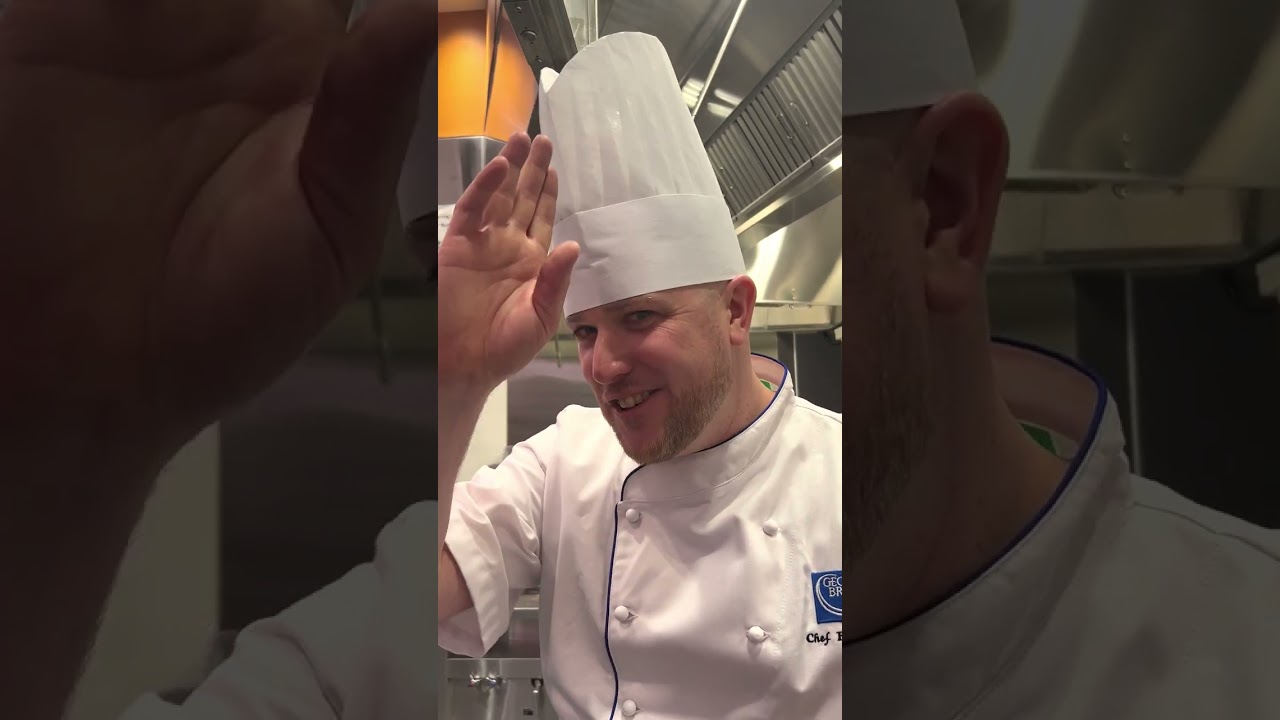
The tall Chef hats, known as "toque blanches," have their origins in 16th century France. Initially, these hats were designed to signify the rank of the wearer and to distinguish them in larger crowds.
Marie-Antoine Carême, a legendary French Chef in the 1800s, played a pivotal role in popularizing the Chef hat, making it a widespread symbol of the culinary profession.
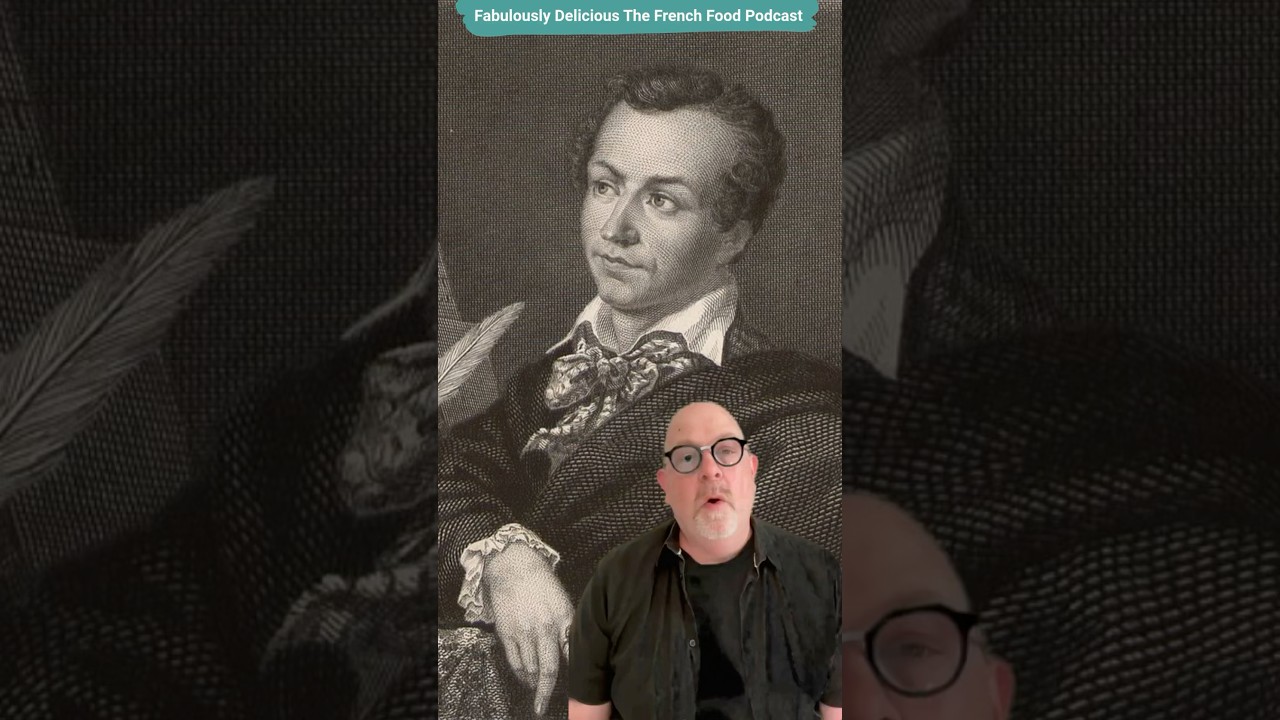
Originally, Chef hats weren't exclusively white. A French Chef named Boucher insisted that all Chef hats be white to indicate cleanliness, a standard that persists to this day.
Auguste Escoffier, another renowned French Chef and former army soldier, implemented the kitchen brigade system, known as "Brigade de Cuisine."
This hierarchical system, similar to military ranks, designated taller hats for higher-ranking Chefs, with the Head Chef and Executive Chef wearing the tallest hats.



The Fastest Growing
Restaurant & Hospitality Job Platform
Looking for top paid jobs? Or Hiring for your business?
The Significance of Pleats in a Chef's Hat
Traditionally, the pleats in a Chef's hat, or toque, are said to represent the number of techniques or recipes a Chef has mastered, particularly the numerous ways to prepare eggs.
While this may be more anecdotal than factual, the pleats do symbolize a Chef's experience and expertise. The more pleats present, the higher the Chef's rank and skill level within the kitchen hierarchy.
Evolution of Chef's Hat Styles
Over time, the traditional tall, white, pleated Chef's hat has seen various adaptations. In the 16th century, Chefs wore simple head coverings to keep hair out of their faces and protect them from kitchen heat.
As the culinary profession evolved, so did the attire, with the tall toque becoming a symbol of rank and expertise.
In modern kitchens, while the classic toque remains a symbol of culinary tradition, many Chefs opt for more practical headwear, such as skullcaps, bandanas, or beanies, to suit contemporary kitchen environments and personal comfort.
Practical Functions of Tall Chef Hats
Beyond their symbolic significance, tall chef hats serve several practical purposes:
- Chef hats prevent hair and sweat from contaminating food
- The height and pleats of the hat allow for better air circulation
- For Chefs with longer hair, the hat provides an added layer of safety
While tall Chef hats are traditional, many establishments opt for alternatives like bandanas, beanies, baseball caps or skull caps to uphold hygiene standards.
Check Our Career Growth Tools


Design and Structure of Tall Chef Hats
Traditionally, Chef hats are white and feature multiple pleats. An interesting anecdote suggests that the number of pleats represents the number of ways a Chef can cook an egg.
In reality, the number of pleats varies with different hat styles. Most Chef hats are made from cloth, though paper alternatives are also available.
The Role of Chef Hats in Modern Kitchens
In contemporary culinary environments, the use of traditional Chef hats, such as the toque blanche, has evolved.
While some establishments maintain the classic tall hats to honor tradition and signify rank within the kitchen hierarchy, others have adopted more practical and comfortable alternatives.
Modern options include skull caps, beanies, and bandanas, which serve the primary purpose of maintaining hygiene by keeping hair restrained, while also accommodating personal style and comfort.

Source: Aussie Chef
Health and Safety Regulations Regarding Chef Headwear
Health and safety standards in the culinary industry emphasize the importance of proper headwear to prevent hair from contaminating food.
While traditional Chef hats are one way to comply with these regulations, modern alternatives like skull caps and bandanas are also acceptable, provided they effectively restrain hair and are kept clean.
Establishments may have specific policies regarding acceptable headwear, but the overarching goal remains consistent: ensuring food safety and maintaining a hygienic kitchen environment.
Conclusion: The Lasting Legacy of Chef Hats
Chef Hats have evolved far beyond their iconic tall silhouette, yet their meaning in the culinary world remains unmistakable.
What began as a simple sign of rank and cleanliness has become a powerful symbol of skill, professionalism and respect for kitchen tradition.
While modern Chefs may choose bandanas, skull caps or beanies for comfort, the purpose behind the Chef Hat hasn’t changed — maintaining hygiene, and upholding the standards that define a well-run kitchen.
The Fastest Growing
Restaurant & Hospitality Job Platform
Looking for top paid jobs? Or Hiring for your business?

Written by Mitko Terziev
With over eight years of experience in the field, Mitko is a seasoned content specialist who has penned thousands of articles covering a wide array of topics. Before writing, he spent a few months working as a Bartender in one of the best bars in his hometown. In his free time, Mitko enjoys immersing himself in the worlds of gaming and nature.

Reviewed by Stefan Petrov
With over 10 years of experience as a writer and editor, Stefan has worked in the automotive, IT, health and hospitality industries. Familiar with Google Search Console and other SEO tools like Ahrefs and Semrush, Stefan uses his experience to create content that's visually appealing to the user but also ranks in the SERPs.





Loading comments...