



In this guide, we’ll share tips on time management for busy restaurant owners and managers to help them make peak times more manageable.
Then, we’ll look at when restaurants typically experience the most traffic throughout the year, week and day.

7 Time Management Tips for Busy Restaurants
Here are some strategies Restaurant Managers and owners can use to better manage a restaurant’s busy times:
1. Use Smart Scheduling to Match Staff With Demand
One of the biggest game changers in managing busy times is scheduling the right staff at the right times.
By analyzing past traffic trends, you can assign more staff to cover peak times and let a lighter crew handle slower hours.
You can take advantage of various tools to ensure the restaurant is neither over nor understaffed.
2. Keep Ordering Simple and Quick
Digital ordering systems, such as tableside tablets or QR code menus, can cut down wait times and reduce ordering errors.
This is especially beneficial during peak hours when accuracy and speed are critical.



The Fastest Growing
Restaurant & Hospitality Job Platform
Looking for top paid jobs? Or Hiring for your business?
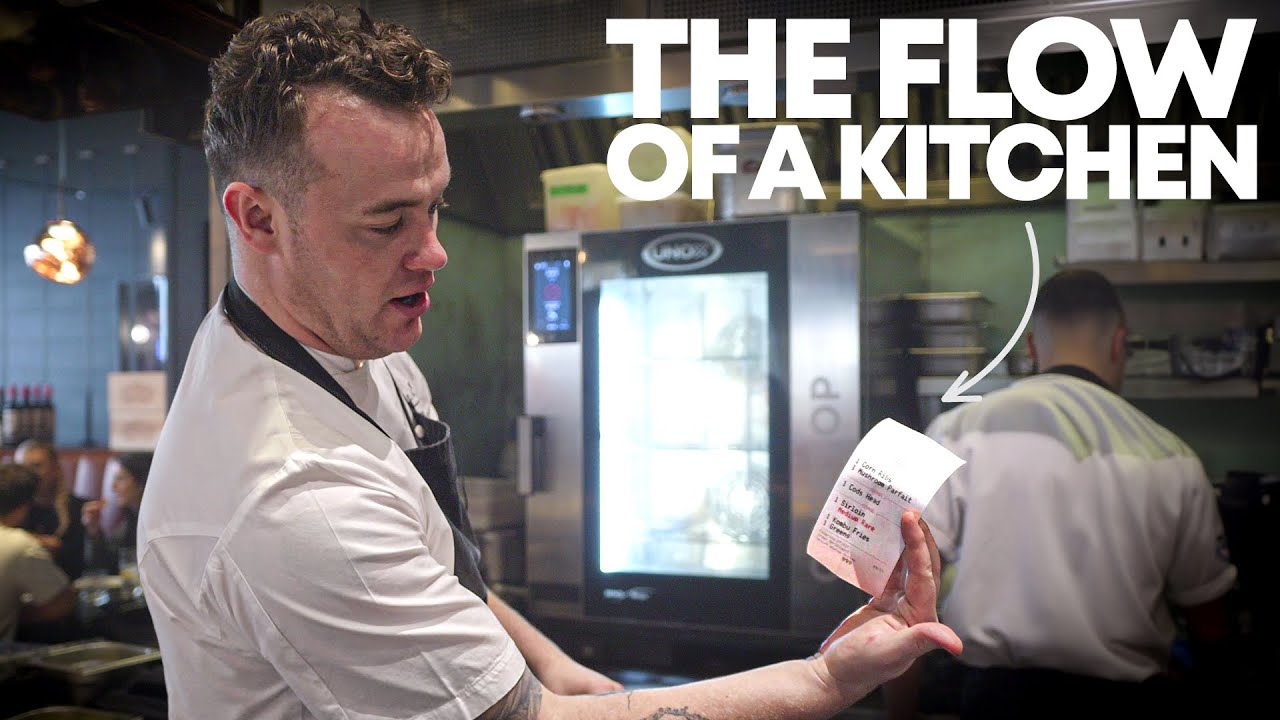
3. Batch Process To Streamline Kitchen Orders
Batch processing orders in the kitchen can make a huge difference during high-traffic periods.
This approach involves grouping similar orders (such as grilled items, fried food, pasta dishes and breakfast items) together to prepare them in a single, efficient batch.
As a result, wait times are minimized, ensuring dishes are served hot and fresh.
See also: Effective Strategies for Managing a Restaurant Kitchen
4. Maximize Reservations and Seating Efficiency
Effective table management is key for balancing reservations and walk-ins.
You can use advanced table management software so your Host/Hostess can monitor table availability in real-time.
This will allow them to seat guests and prevent overcrowding at the entrance. As a result, it will maximize the number of guests you serve, and improve the overall dining experience.
5. Stock Up Smartly and Manage Inventory for Peak Demand
Poor inventory management is one of the top reasons for restaurants running out of business.
Not only that, but running out of a popular menu item during rush hour can disrupt service flow and disappoint customers. A disappointed customer is not a returning customer.
6. Communication and Training To Keep Everyone on the Same Page
Strong teamwork and clear communication are key during busy hours. Pre-shift huddles, weekly meetings and cross-training are practical ways to keep everyone aligned:
- A quick pre-shift huddle ensures staff know about any changes
- Weekly meetings allow team members to discuss what can be improved
- Cross-training, where staff learn each other’s roles, fosters mutual respect and adaptability
The Fastest Growing
Restaurant & Hospitality Job Platform
Looking for top paid jobs? Or Hiring for your business?
The “10-5-1 Rule,” for example, is something that can help you and your staff do so — especially during peak shifts:
- Staff make eye contact when customers are within 10 feet
- Greet customers when they’re within five feet
- Check in on customers within one minute after they're seated

7. Know Your Peak Times to Ensure Preparedness
The peak times of your restaurant may depend on various factors, such as type, location and audience.
Below are just some examples of how these factors can play a role in the peak times of your restaurant.
Source: Toast
Peak Times for Restaurants Throughout the Year
Here’s a breakdown of the busiest seasons for most restaurants:
Summer: Warm Weather, Outdoor Dining and Tourism
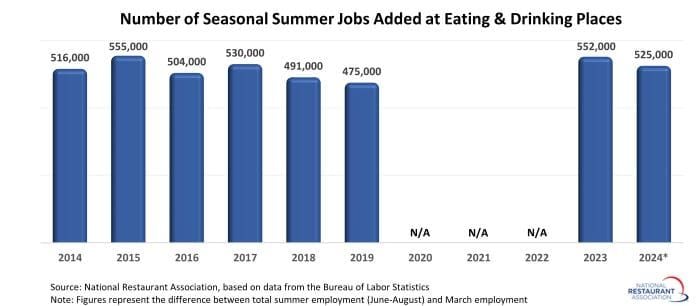
Summer months are usually the busiest months for restaurants in many parts of the United States. The main reason for this is good weather that entices people to get out of their homes.
Depending on the location of the restaurant, this period can range from April to September in places with a warmer climate or May to August in colder climate.
Source: National Restaurant Association
Additionally, tourism peaks during these months. This is especially true for coastal or popular vacation destinations like NYC, Los Angeles and Miami.
A testament to this is the fact that restaurants typically add around 500,000 seasonal jobs, according to the National Restaurant Association.
December: The Holiday Rush
December is another busy time for restaurants, thanks to holiday gatherings, company parties and celebratory dinners.
A survey from the National Restaurant Association shows that 63% of adults plan on eating out during the holiday season and 48% plan to order takeout or delivery.
See also: The Best Seasonal Jobs That Pay Well
Special Days: Mother’s Day, Valentine’s Day and Father’s Day
Mother's Day is often the busiest day of the year for many establishments as many people are looking to treat their moms and wives to a nice dinner out.
According to the National Restaurant Association, 53% of people said that they’ll be having dinner in a restaurant on Mother’s Day.
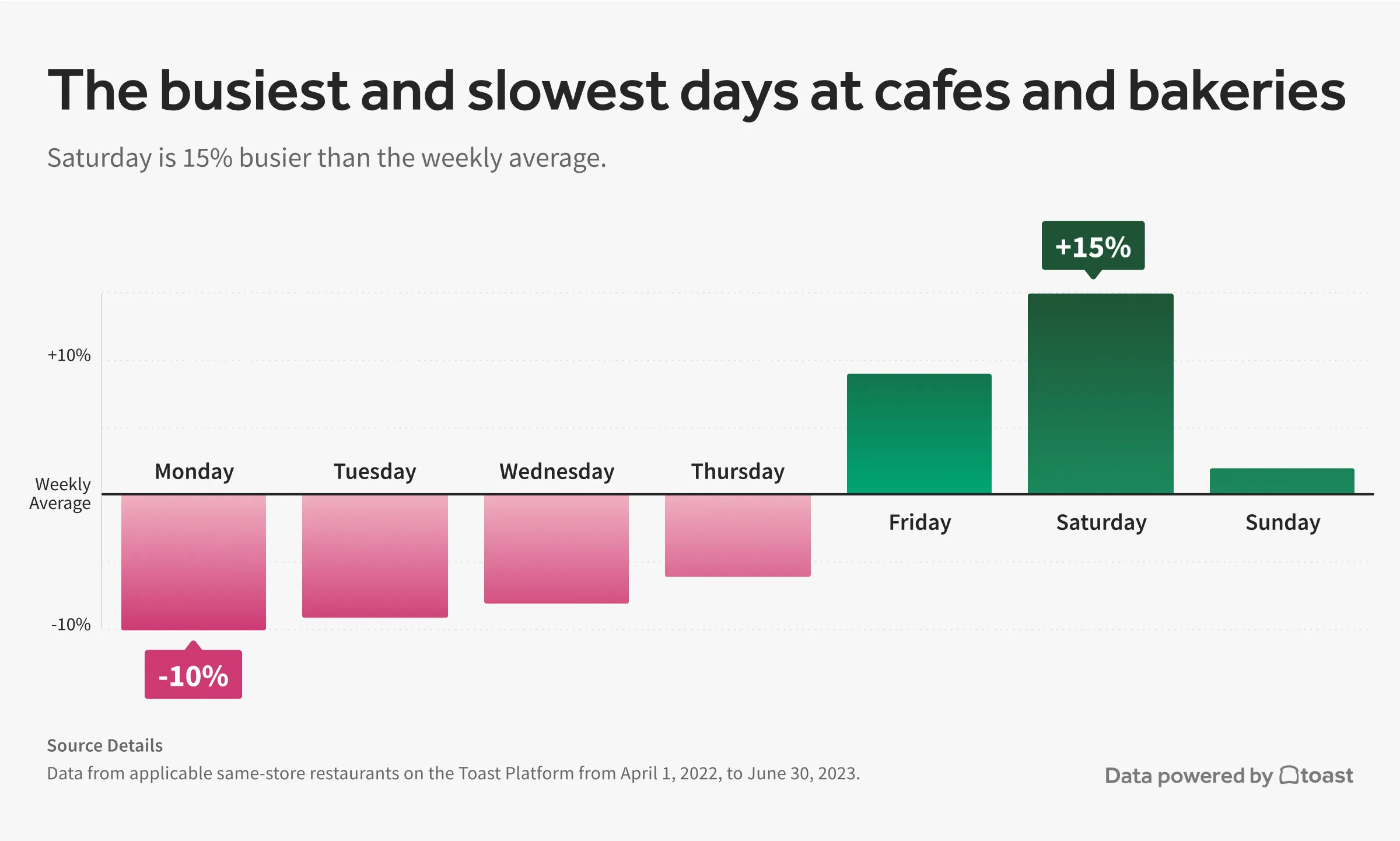
Weekly Patterns in Restaurant Traffic
Let’s break down a typical week in the restaurant business:
Monday–Thursday: The Slower Days
Weekdays, especially Mondays and Tuesdays, are typically quieter.
After the weekend, many diners prefer staying home or ordering in, which is why some restaurants even choose to close on these slower days.

Friday–Sunday: The Lively Weekend
Once Friday hits, restaurants tend to see a big jump in traffic. After the workweek, people are more inclined to enjoy a night out. This surge generally carries through Sunday.
Sundays are often popular for brunch and family meals, with steady foot traffic staying throughout the day.
Daily Rush Hours in Restaurants
Understanding daily peaks means a restaurant can prep ingredients, stock supplies and set up the team for success.
We recommend setting up a Google Business profile for your business if you haven’t already.
That way, you can track the busy periods using their popular times, wait times and visit duration data.

Brunch: Late Mornings and Early Afternoons
Brunch has gained massive popularity, especially on weekends. Brunch hours typically start around 10:00 a.m. and last till 2:00 p.m.
According to a report by Restaurant Dive, breakfast chains are booming thanks to the rise of “brunch culture.”
The Fastest Growing
Restaurant & Hospitality Job Platform
Looking for top paid jobs? Or Hiring for your business?
Lunch: Office Crowds and Quick Bites
Lunch generally falls between 11:00 a.m. and 3:00 p.m. Restaurants located in business districts and high-traffic tourist spots can make a lot of money during this time frame.
Office workers and tourists often look for quick meals. Fast-casual and quick-service restaurants, in particular, benefit from this midday rush.

Dinner: The Main Event
Dinner time is the peak time for most restaurants. It typically lasts from 5:00 p.m. to 9:00 p.m.
Families, couples and groups often dine out after the day, making this the busiest part of the day for both casual and upscale restaurants.
Final Thoughts on Time Management in Busy Restaurants
Busy restaurants aren’t chaotic by nature — they only become chaotic when peak times aren’t planned for.
When staffing, inventory, ordering systems, and communication are aligned before the rush hits, even the busiest shifts become manageable instead of overwhelming.
The most successful restaurant managers don’t guess when things will get busy — they use data, past trends, and real-time insights to prepare for it.




Loading comments...