


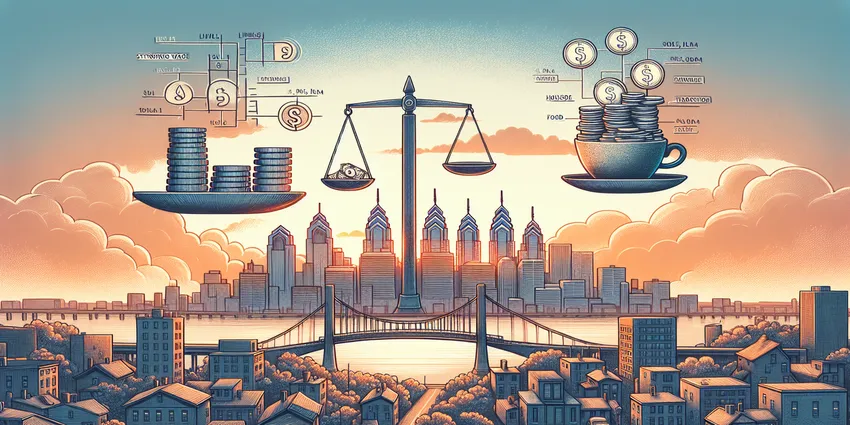

Philadelphia Living Wage vs Barista Salary: Key Takeaways
- The living wage for a single adult in Philadelphia is $23.26 per hour, rising to $43.77 for a single adult with one child.
- Baristas in Philadelphia earn on average $16.08 per hour in base wages plus about $2.50 per hour in tips, totaling approximately $18.58 hourly.
- There is a significant earnings gap: baristas earn about $9,741 less annually than the living wage for a single adult and over $52,000 less if supporting one child.
The gap between the Philadelphia living wage and barista salary highlights financial challenges for many workers. This article explores the wage disparity, cost-of-living pressures, and strategies to bridge this income gap.
Examining detailed cost and salary data reveals why baristas often struggle to meet basic needs in Philadelphia and what solutions could improve their financial stability.
Employers seeking to recruit effectively in such a competitive market may find it helpful to review how to hire a barista for practical hiring strategies.

Understanding the Living Wage in Philadelphia
The living wage concept estimates the hourly income necessary for a worker to meet essential expenses without public or private assistance. According to the MIT Living Wage Calculator updated in February 2025, Philadelphia's living wage varies significantly depending on household size and dependents.
For a single adult with no children, the living wage is $23.26 hourly, translating to an annual income near $48,387. In contrast, a single adult supporting one child requires nearly double that amount — $43.77 hourly or roughly $91,046 annually.
These figures account for basic necessities such as housing, food, healthcare, transportation, and taxes, reflecting the minimum income needed to maintain a modest but decent standard of living in Philadelphia.
Employers interested in better understanding regional wage standards may find the insights from average salary in Philadelphia useful for competitive compensation planning.
Barista Salary Analysis vs Philadelphia Living Wage
Baristas in Philadelphia earn an average base wage around $16.08 per hour. With tips averaging about $20 per day, this adds up to approximately $2.50 per hour, bringing total earnings to roughly $18.58 hourly.
Assuming full-time employment, the annual total income for baristas comes close to $38,646, which falls short of the living wage for a single adult by nearly $9,741. The gap widens drastically for baristas supporting children, given the increased living wage requirements.
Understanding the barista salary and job description can aid restaurant owners in developing fair pay practices and retention strategies.
Why the Wage Gap Matters for Baristas
This earnings deficit means many baristas cannot cover essential expenses comfortably without additional support. The gap impacts their ability to afford stable housing, healthcare, nutritious food, and other basics.
It also hinders financial security and upward mobility, potentially causing stress, reduced work performance, and higher turnover.
Restaurant managers can consult strategies to reduce employee turnover to improve retention, which may offset wage challenges.



The Fastest Growing
Restaurant & Hospitality Job Platform
Looking for top paid jobs? Or Hiring for your business?
Impact of Philadelphia Cost of Living on Barista Earnings
Key cost-of-living factors in Philadelphia intensify the challenges posed by barista wages.
For example, the average rent for a one-bedroom apartment stands at $1,269 per month. Following the recommended income-to-rent ratio (30%), a tenant should earn $3,807 monthly or $45,684 annually to afford this comfortably. This equates to an hourly rate of about $21.96 — well above the average barista’s $18.58 hourly earnings.
Beyond housing, the costs of transportation, healthcare, and childcare further stretch limited incomes, making it difficult for baristas to cover all necessary expenses.
Strategies to Bridge the Gap Between Living Wage and Barista Salary
Several approaches can help narrow or close the income gap faced by baristas in Philadelphia.
Wage Increases
Employers raising base pay closer to or above the living wage would directly improve the financial stability of baristas and reduce reliance on variable tips.
This approach requires commitment from coffee shop owners and potentially adjustments in pricing or operating efficiencies to balance costs.
Hiring managers can refer to how to hire a restaurant manager for guidance on recruiting leaders who can help implement such strategic changes.
Enhanced Benefits
Offering health insurance, childcare assistance, and transportation subsidies can offset personal expenses, effectively increasing baristas’ take-home resources beyond hourly wages.
Benefits can improve well-being and job satisfaction while softening the impact of stagnant wages.
Career Advancement Opportunities
Providing clear pathways for skill development and promotion — such as training to become shift supervisors or store managers — can help baristas move into higher-paying roles within the industry.
Baristas interested in career progression may benefit from resources on how to become a barista and related career development.
Policy Advocacy for Minimum Wage and Labor Law Improvements
Supporting policies to raise the minimum wage in Philadelphia or improve labor protections can drive systemic change.
Advocacy for living wage legislation, stronger tip regulations, and paid leave policies would benefit a broad base of service workers, including baristas.
Employers can enhance understanding of labor law implications through content like how to hire a barista which often includes discussion of wage regulations.

Conclusion: The Importance of Addressing Wage Disparities in Philadelphia
Baristas in Philadelphia face a substantial earnings gap when measured against the living wage, making it difficult to sustain basic living standards independently.
Cost-of-living factors like housing costs exacerbate this challenge, highlighting the need for multifaceted solutions involving higher wages, better benefits, career growth, and supportive policy.
By bridging this gap, employers and policymakers can foster economic security and well-being for baristas, promoting a healthier workforce and community.
Further reading on staffing challenges and solutions can be found in restaurant staff hiring.
Resources for Further Information on Wages and Labor Laws in Philadelphia
- U.S. Department of Labor – Fair Labor Standards Act (FLSA)
- Pennsylvania Department of Labor & Industry
- City of Philadelphia Official Website - Minimum Wage Information




Loading comments...