



How To Become an Event Coordinator Without Experience: Key Takeaways
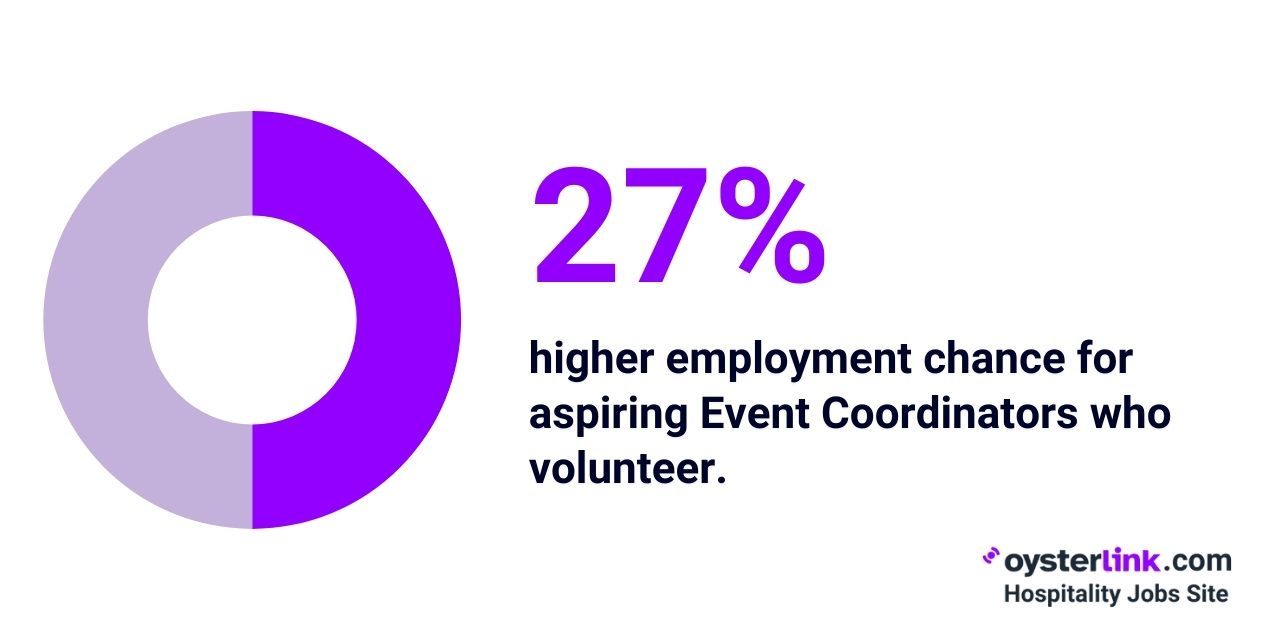
- 27% higher employment chance for candidates with volunteer experience, showing volunteering is a measurable entry point into event coordination.
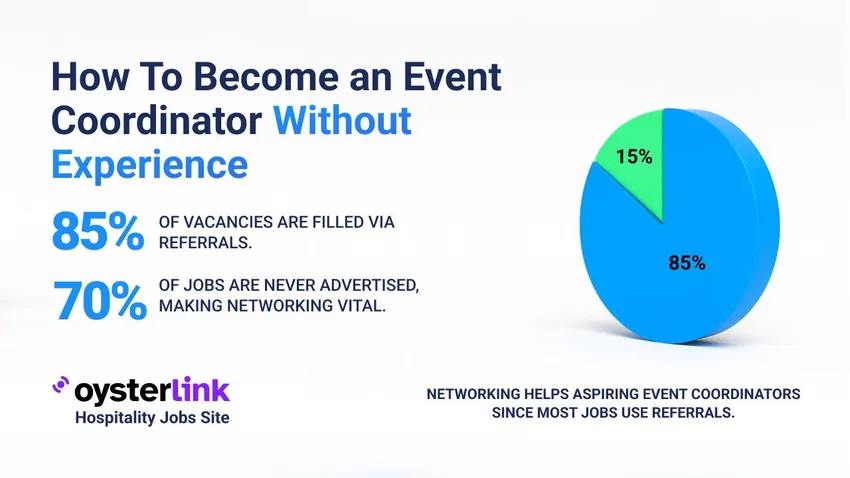
- 70% of jobs are never advertised online, highlighting the importance of networking beyond job boards.
- Pursuing relevant certifications and continuous learning enhances credibility and knowledge in event planning.
Starting a career as an Event Coordinator without experience is achievable through strategic skill development and practical exposure.
Explore insights on breaking into event management to strengthen your approach.
This guide outlines actionable steps to break into the event planning industry successfully.

Steps To Become an Event Coordinator Without Experience
Follow these practical steps to start your career in event coordination, even if you have no prior experience:
1. Volunteer To Gain Event Coordination Experience
Volunteering is one of the most effective ways to acquire real-world experience in event coordination without prior employment in the field.
Studies show that candidates with volunteer experience have a 27% better chance of finding employment, making it a powerful stepping stone into the industry.
Get involved in charity events, school functions, or community gatherings to learn about logistics, vendor coordination and attendee management.
Such roles immerse you in the dynamics of event planning while broadening your professional network, which is critical for future opportunities.
Learn how to build mentorship relationships in hospitality careers to enhance your volunteer experience.
2. Utilize Transferable Skills for Event Coordination Careers
If you're transitioning from a different career or starting anew, identify skills from previous jobs that relate directly to event planning.
Experience in customer service, administrative tasks, or project management often includes organization, multi-tasking, and clear communication—core skills for Event Coordinators.
Highlight these skills in your resume and interviews to demonstrate preparedness for event coordination roles.
For interview preparation, review common Event Coordinator interview questions.



The Fastest Growing
Restaurant & Hospitality Job Platform
Looking for top paid jobs? Or Hiring for your business?
3. Pursue Relevant Education and Certifications for Event Coordination
Although formal degrees are not always mandatory, completing courses related to event planning can significantly boost your credentials.
Many online platforms offer programs covering budgeting, vendor management, and event marketing.
Professional certifications, such as the Certified Meeting Professional (CMP) or Certified Special Events Professional (CSEP), provide industry recognition and can improve job prospects.
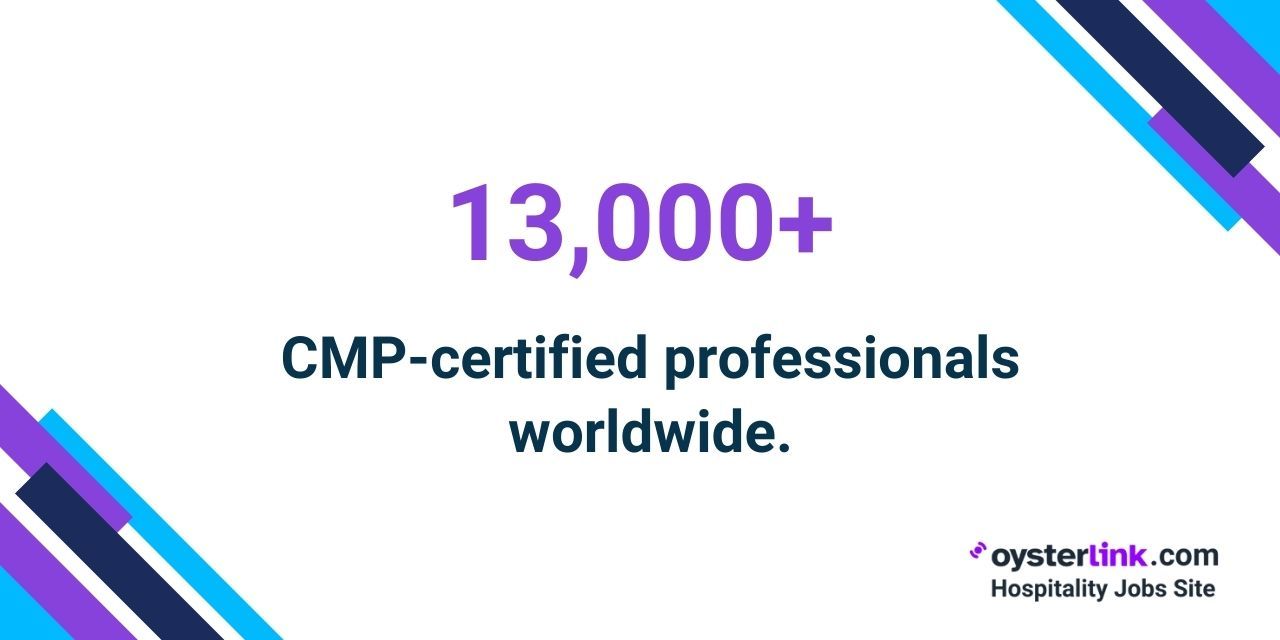
More than 13,000 professionals worldwide hold the CMP designation, making it one of the most recognized credentials in the events industry.
See our guide on schools that teach event planning and more for education options.
See our guide on schools that teach event planning and more for education options.
4. Build a Professional Network in Event Planning
One of the biggest reasons why networking is so valuable is that 70% of jobs are never advertised online.
Many of these opportunities are shared only within professional circles or passed along by word of mouth. Building connections ensures you’re considered for roles that never reach job boards.
In fact, 85% of vacancies are filled through referrals.
Attend industry conferences, workshops and seminars to meet Event Coordinators and suppliers. Strong relationships with peers and mentors can directly open doors to those hidden opportunities.
Expert tips on how to hire an Event Planner might provide useful perspectives for employers exploring networking.
5. Develop a Portfolio Showcasing Event Planning Skills
Creating a portfolio, even with volunteer or personal events, serves as a tangible demonstration of your abilities.
Include photographs, event schedules, budget plans and any positive feedback or testimonials to evidence your competence and reliability.
A professional portfolio can make a strong impression on potential employers or clients and differentiate you in the job market.
For inspiration, watch this video on how to build an event planning portfolio step by step.
How To Become an Event Coordinator Without Experience: Building Career Momentum

Getting started is only the first step — sustaining growth in event coordination requires consistent practice and adaptability.
Entry-level roles provide hands-on exposure to the planning process, from vendor management to day-of execution, helping aspiring coordinators build confidence and industry knowledge.
Organizing personal events, such as family celebrations or community gatherings, also reinforces essential skills like budgeting, communication and time management in a low-pressure environment. These projects can be added to your portfolio as tangible proof of your abilities.
Finally, continuous learning ensures you stay relevant in an industry that evolves rapidly with new technologies and trends.
Reading trade publications, attending webinars and pursuing additional certifications can keep your skills sharp and marketable.
See advice on how to become an Event Planner without experience to inspire continuous learning.

Career Outlook and Opportunities for Aspiring Event Coordinators
The event planning field offers steady opportunities for newcomers willing to invest in their skills.
Meeting, convention, and event planner roles are projected to grow by 5% between 2024 and 2034, outpacing many other occupations.
This reflects the rising demand for both in-person and hybrid events as organizations continue to expand their reach.
For aspiring Event Coordinators, these figures highlight a promising career path where persistence, networking, and hands-on learning can lead to lasting opportunities.
Additional Resources for Aspiring Event Coordinators
Here are some additional resources to help aspiring Event Coordinators gain skills, connections and credentials:
- International Live Events Association (ILEA)
- Meeting Professionals International (MPI)
- Certified Meeting Professional (CMP) Certification
- Certified Special Events Professional (CSEP) Certification
- Coursera - Event Planning Courses
Steps to Become an Event Coordinator Without Experience: Conclusion
Starting an event coordination career without prior experience is entirely possible with the right strategy.
Volunteering, building transferable skills, earning certifications and expanding your professional network all provide clear entry points into the field.
With job growth projected at 5% between 2024 and 2034, now is a strong time for aspiring Event Coordinators to take practical steps toward a rewarding career.

Loading comments...