


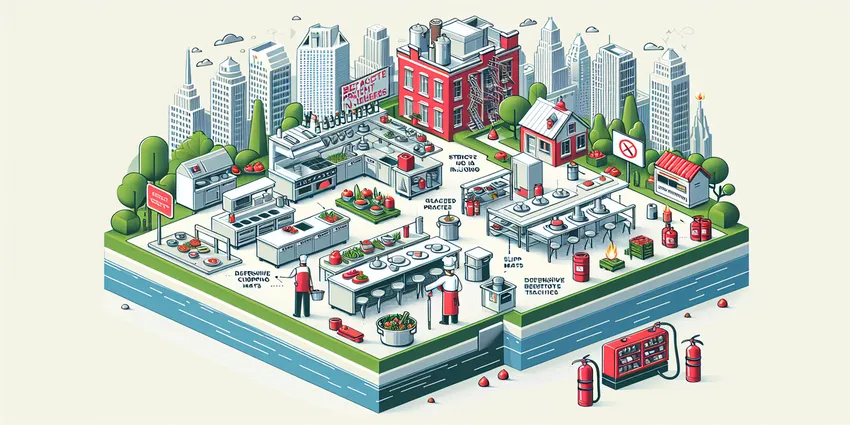

Best Practices to Prevent Injuries in San Antonio Kitchens: Key Takeaways
- Effective food safety measures include proper hand washing, avoiding cross-contamination, and cooking meats to recommended temperatures.
- Fire safety requires never leaving cooking unattended, managing grease fires correctly, and maintaining functional smoke alarms.
- Injury prevention also involves safe knife handling, preventing slips and falls, and ensuring child safety around kitchen hazards.
Kitchens in San Antonio pose numerous injury risks, but following established safety protocols can greatly reduce accidents.
These best practices focus on food safety, fire prevention, burn reduction, and compliance with local regulations.

1. Food Safety Best Practices to Prevent Injuries in San Antonio Kitchens
Maintaining strict food safety is crucial not only for preventing foodborne illness but also for reducing injury risks related to contamination and unsafe handling. For restaurant managers looking to elevate safety, consider how to hire a kitchen manager who ensures these standards are adhered to.
Hand Washing and Hygiene
Staff should wash hands thoroughly with soap and warm water for at least 20 seconds before and after food handling to minimize bacteria transfer and contamination. Establishing clear hygiene protocols can be supported by insights on hygiene in hospitality.
Cross-Contamination Prevention
Use separate cutting boards and knives for raw meats and fresh produce to prevent harmful bacteria from spreading.
Proper Thawing Techniques
Thaw frozen food safely in the refrigerator, under cold running water, or in the microwave instead of at room temperature to avoid bacterial growth.
Cooking Temperature Standards
Cooking meats to safe internal temperatures is vital: poultry at 165°F, pork and ground meat at 155°F, seafood and fish at 145°F, and beef cuts at 145°F to prevent foodborne diseases.
Recently Posted Chef Jobs in San Antonio on OysterLink
2. Fire Safety Measures to Prevent Injuries in San Antonio Kitchens
Fires are a major hazard in kitchens, so proper fire safety protocols are essential.
Never Leave Cooking Unattended
Always stay in the kitchen when frying, grilling, or broiling to quickly address any flare-ups or emergencies.
Manage Flammable Materials
Keep oven mitts, paper towels, and other flammable items away from stovetops and open flames.
Handling Grease Fires
In case of a small grease fire, use a lid to smother flames rather than water, which can cause the fire to spread. To understand kitchen fire hazards better, restaurant kitchen fire safety resources offer excellent guidance.
Smoke Alarm Maintenance
Install smoke alarms near the kitchen and test them every month to ensure they are functional and ready to alert staff in emergencies.



The Fastest Growing
Restaurant & Hospitality Job Platform
Looking for top paid jobs? Or Hiring for your business?
3. Burn and Scald Prevention Practices in San Antonio Kitchens
Burns and scalds cause significant kitchen injuries but can be minimized through caution and protective gear.
Pot Handle Safety
Always turn pot and pan handles inward to prevent accidental spills when someone passes by.
Microwave Safety
Use microwave-safe containers and avoid opening hot containers too close to the face to reduce the risk of steam burns.
Use of Protective Gear
Wear dry oven mitts or potholders when handling hot cookware to protect hands from burns. Protective gear recommendations can be found in the bartender health and safety resources which apply to all kitchen staff.
4. Knife Safety Best Practices to Avoid Injuries in San Antonio Kitchens
Knives are essential tools but pose cut risks that can be prevented.
Proper Handling and Cutting Surfaces
Always use sharp knives suited to the task and cut on stable, non-slip surfaces to maintain control. For kitchen managers, understanding kitchen staff skills including knife handling is vital.
Safe Storage
Store knives securely in designated blocks or inserts to prevent accidental contact and injuries.
5. Slip, Trip, and Fall Prevention in San Antonio Kitchens
Slips, trips, and falls make up a large portion of kitchen injuries but can be addressed through simple precautions.
Prompt Spill Cleanup
Clean spills immediately to eliminate slipping hazards before employees pass through.
Appropriate Footwear
Wear closed-toe, non-slip shoes to maintain traction on wet or greasy floors. Employers can read about best shoes for bartenders as a comparable footwear safety consideration.
Maintain Clear and Well-Lit Workspaces
Keep floors free of obstacles and ensure lighting is sufficient to spot hazards easily.
6. Child Safety Best Practices in San Antonio Kitchens
Children require special attention in kitchen environments to avoid accidents.
Create Kid-Free Zones
Establish at least a three-foot barrier around cooking areas to keep children safely away from hot surfaces and appliances.
Appliance Safety Measures
Use stove knob covers and keep sharp or hazardous items stored out of reach to prevent child injuries.
7. Compliance with Local Regulations for Kitchen Safety in San Antonio
Adhering to local codes not only ensures legal compliance but promotes safer kitchen environments.
Follow San Antonio Food Codes
Operate in accordance with the City of San Antonio Food Code and the Texas Food Establishment Rules for hygiene and safety standards.
Implement Active Managerial Control
Appoint certified food protection managers and establish standard operating procedures to reduce foodborne illness risks and maintain safety. Explore how to hire a restaurant manager for guidance on staffing compliance roles.
8. Additional Tips and Best Practices for Sustained Kitchen Safety in San Antonio
Continuous training and vigilance are key to maintaining a safe kitchen.
- Encourage regular safety training and refresher courses for all kitchen staff. Check out server training manual templates for ideas on training resources.
- Maintain clear signage about safety rules and emergency procedures.
- Conduct periodic safety audits to identify and mitigate hazards proactively.

9. Resources for Safety and Compliance in San Antonio Kitchens
For more detailed information and guidance, the following official resources are invaluable:
- City of San Antonio Food Safety
- City of San Antonio Food Codes & Safety Resources
- Texas Food Establishment Rules
Best Practices to Prevent Injuries in San Antonio Kitchens: Conclusion
Injury prevention in San Antonio kitchens relies on a comprehensive approach covering food safety, fire prevention, burn protection, knife handling, slip avoidance, and child safety. Building a career path in the kitchen, such as kitchen manager roles, can help reinforce these practices.
Following local regulations and maintaining an informed and alert kitchen staff fosters a safe working environment, reduces risks, and ensures compliance for all foodservice operations.





Loading comments...