



Mithu and Shammi join us to trace their business roots from ice cream retailing in West Africa to launching high-end restaurants. They dive into the immersive design, rich storytelling, and authentic regional flavors behind Musaafer, their Indian dining concept in the US.
To start, could you please introduce yourselves and tell us a bit about your career paths?
Mithu Malik: I'm Mithu, married to Shammi. I grew up in India, my father was in the police, so I got the opportunity to travel all across the country. After we got married, I moved with him to Lagos, Nigeria, West Africa, and we started our business together. I unfortunately could not pursue my career in pharmacy because of the restrictions of being there. But it was really a lot of fun, it was an adventure for both of us starting our own business. We started with ice creams, which we imported from the US and began retailing in Lagos and beyond. That is still to this day one of our major businesses in West Africa.
Shammi Malik: We then stepped into hospitality in the early 2000s. We had spent a few years in Ivory Coast and came across this fabulous pizza franchise chain out of South Africa. It was a quick service concept, but very unique and different from the regular Pizza Huts and Domino's, so it was like a gourmet, quick service pizza. That was the first restaurant we got into. I always remembered, even before we got married, that one of my dreams was to one day own a restaurant. It was fabulous starting with the pizza franchise because we got to learn the business inside out, from the ground up, in all aspects of running a restaurant, with the support of the larger company we were working with. We opened the first pizza franchise and then expanded within the same company into other concepts. We had a coffee shop, a burger place, fish and chips. And then we had a space that we had planned to use for something else, but it ended up being a shared seating area with the pizza restaurant.
Mithu and Shammi Malik: The idea of an Indian restaurant kind of grew from that. We are both very passionate foodies and grew up eating really good, delicious Indian food, which we felt was lacking at that point in Lagos. So it seemed like a really natural transition, and we also had the space. The downside was that because it shared space with the pizza restaurant, it ended up being a more casual Indian concept. But our philosophy, and our guiding principle, was authenticity in flavors. So we decided to keep the menu very short: not endless pages of dishes. I remember we brought in a curry chef and a tandoor chef from India. A tandoor, if you don't know, is the world's oldest clay oven.
We did the first trials right in our backyard, next to our garage. Shammi and I basically did the interior design ourselves. We went out to the markets, bought upholstery, hired carpenters, brought some curios from India representing Indian culture, and started the restaurant. I actually sourced a tractor, I play golf, and there was an abandoned tractor at the golf course, which we brought in as part of the decor. We turned it into a cash counter, put a cashier on top of the seat. It was fun. It was unique. But what really got us going and made us popular was that our flavors were amazing, very authentic and truly delicious. We ran that for almost two years and called it Spice Bar.
All this time, as it became more and more popular, guests kept coming to us and saying, "Hey, we've got our wives coming in dressed up, we've got bankers, we've got diplomats, and on the other side there are people in flip flops eating pizza." So we decided to upgrade. We created a stunning space on two levels and called it Spice Route. We commissioned a huge Buddha statue, we had it made by students from the city we come from, Chandigarh. There's a very famous College of Architecture there. We refined the menu a bit more and it became a very, very popular restaurant, which it still is to this day. It became almost like the jewel in the crown of the up-and-coming restaurant scene in Lagos.
Beyond that, came the quest of taking Indian cuisine to the next level, instead of representing only the Northwestern frontier food, which we had been doing, we wanted to explore all of India. We sat together and said, okay, let's think bigger. By that time, our family had moved to Dubai. We lived there for over a decade. We wanted to open in Dubai because it was vibrant and booming, with chefs and restaurants from all over the world. But Dubai loves prestigious international tags, and we worried that coming from Lagos might not carry the same weight. At the same time, we had a lot of clients from Houston, because Houston and Lagos are both oil-related economies. I would play golf with friends who would tell me, "Shammi, bring this to Houston." And frankly, when you think of America, you never think of Houston first. You think New York, LA, Miami.

That was actually one of my questions, why Houston and not Miami or New York from the start?
Mithu and Shammi Malik: That's right. One day I took a flight, came to Houston, saw such a diverse city and saw the opportunity. Mithu and I flew in together and said, "OK, let's do it." And then the search for a location began. But going back, it was really about bringing India in its entirety to the menu. Mithu will explain that more. Houston turned out to be a perfect fit. Like Shammi said, it is the number one most diverse city in the US. People have traveled a lot, so there's an exposure to different cuisines. The food scene itself has a phenomenal range of restaurants from all parts of the world. And people genuinely love eating out.
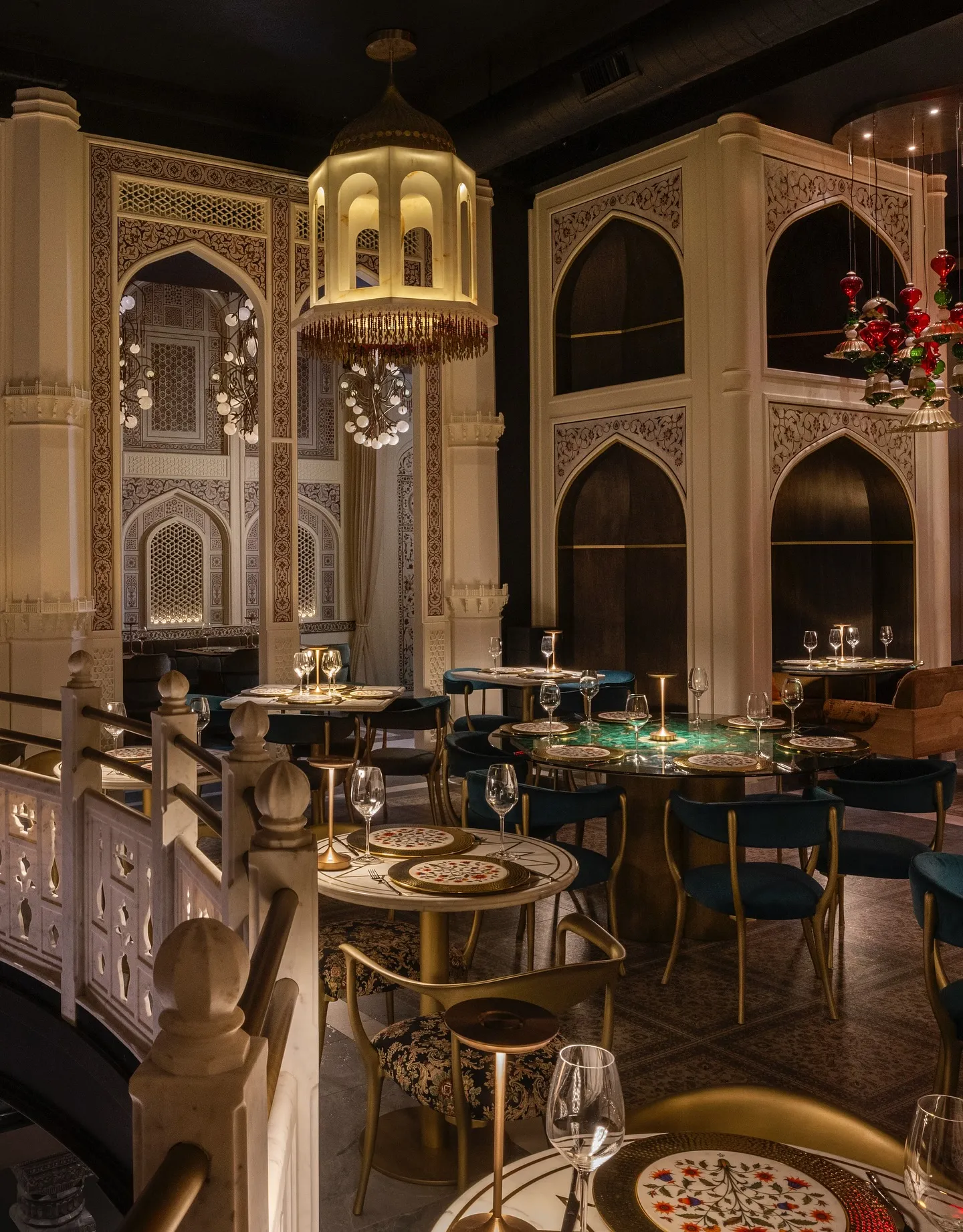
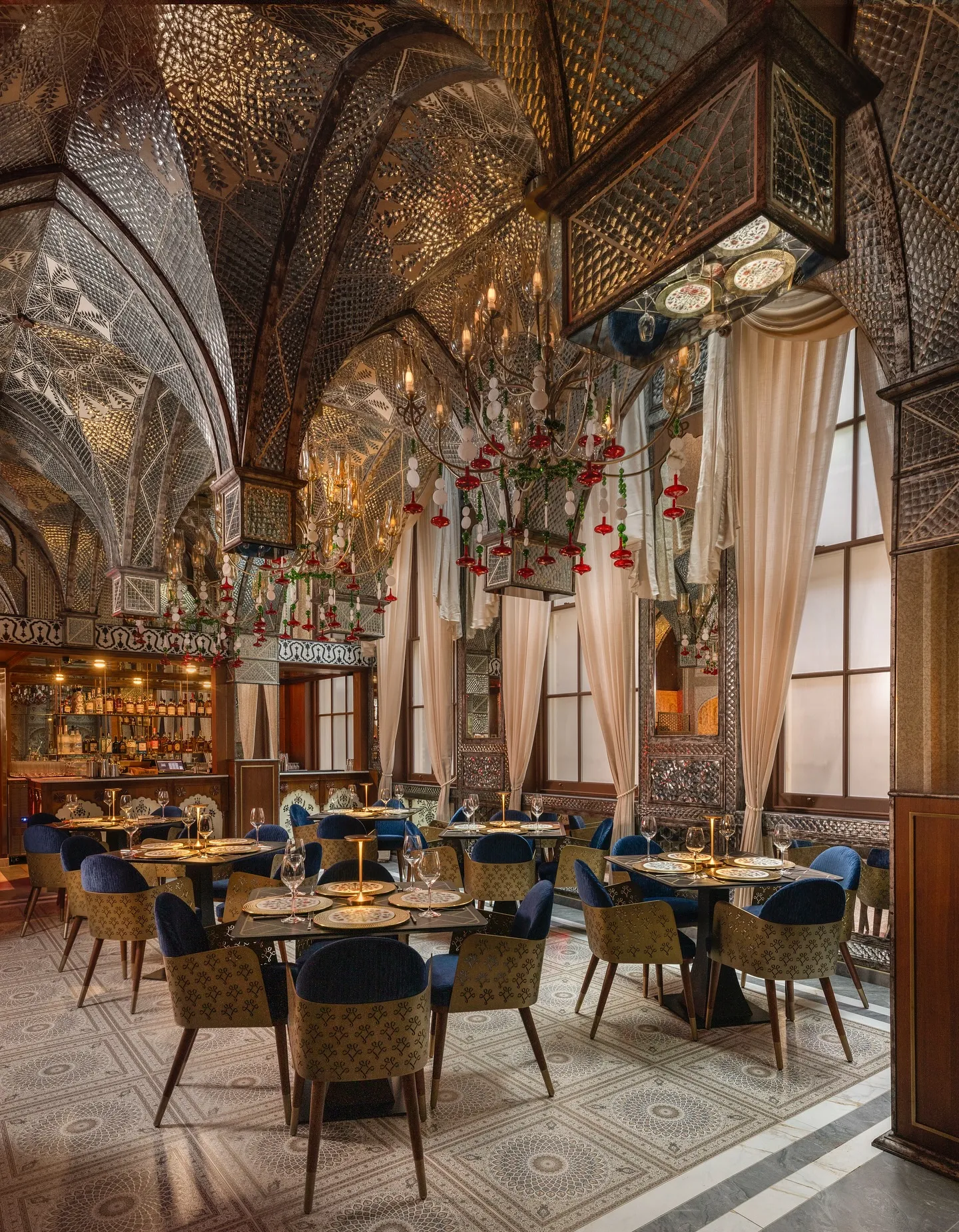
There's a lot of good spending money that goes toward food. So Houston felt like it would be a great fit, and there was space for a concept like ours, because ours is unique. We like to say it's the full experience. It's not just going out for a meal; it's everything you encounter from the moment you walk in. That's why we created very elaborate interiors for both our restaurants. The idea is to highlight and showcase the treasures, art, and architecture of India. But at the same time, we really wanted people to feel like they've stepped into India, like they're no longer in Houston. It's a very immersive environment. Beyond the setting and ambience, we also wanted every interaction guests have with our staff to feel as authentic as possible, with a very high level of attention to detail. So we designed an extensive three-week training program that all staff must complete when they join us. There are detailed modules on food, starting from the basics of spices, which Chef Mayank has discussed in his own episode, but we also work to make our team as knowledgeable about India as we possibly can.
There's an extensive module that covers India from ancient history, the Indus Valley civilization, through the great Indian dynasties, the various invaders from the Turks to the Greeks, eventually the Mughal Empire, which had one of the longest spans of rule, to the British, the French, and the Portuguese. Staff study the geography of the country, the mountains in the north, the deserts, the coastal plains. They study the topography, the agricultural produce, the various religions, and eventually how all of that relates to the cuisine found across the subcontinent. It makes for interesting moments, we often get Indian guests in Houston who come in wanting to test our team's knowledge, and they're pleasantly surprised that our staff knows more than they're even asked. That, again, is part of the experience we want people to have at Musaafer.
Finally, coming to the cuisine itself: like Shammi said, we really wanted to go beyond what most Indian restaurants offer outside of India. Most tend to be either North Indian, lots of kebabs, rich curries, or South Indian, with dosas and coconut-based dishes. India has so much more than just North and South. We wanted to highlight cuisines from across the entire subcontinent. That led to the idea of sending Chef Mayank on a journey across India, because the country is so vast that even I, having traveled extensively because of my father, have only seen a fraction of it. If we were going to present regional Indian cuisine, it had to be experienced firsthand. We had the luxury of time at that point because Houston was still under construction. Chef Mayank traveled across the country, getting into towns and villages, cooking with local people, not just eating street food or restaurant food, but actually seeing how people cook in their own homes. That also led to us sourcing our spices directly from India. We don't buy packaged spice blends. We make our own blends, we roast, we grind.
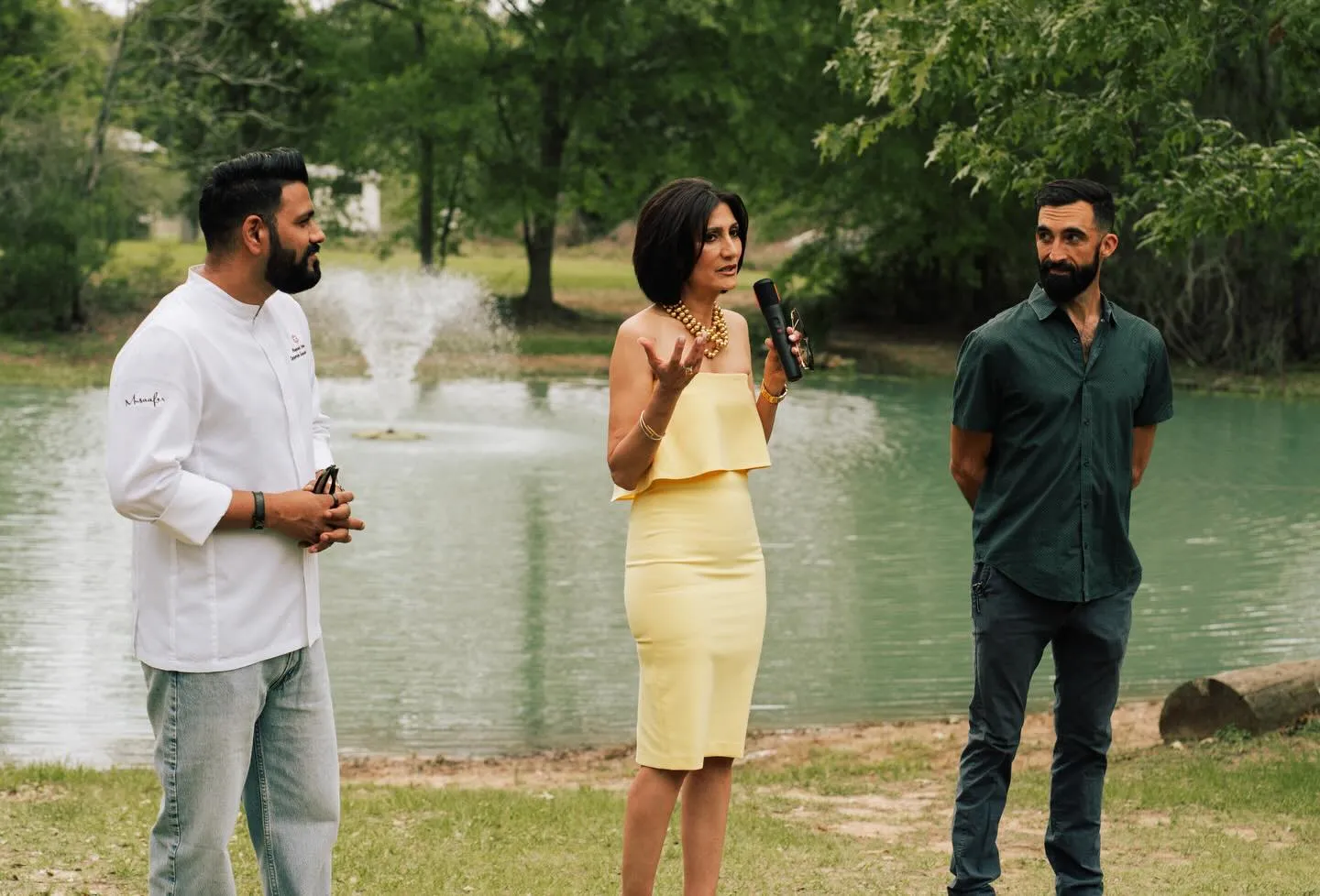
And that was actually the origin of the name. We had initially thought we might call it something like Spice Route Company, since we already had Spice Route in Lagos. But as the concept developed and took on a life of its own, we went on a little soul search to find the right name. The vision was never just one location, this is a brand we plan to grow to major cities around the world. So the name needed to carry that meaning. Musaafer means "traveler." If you visit our Houston restaurant, you'll see an 18-foot-high statue of a traveler, the Musaafer. The story behind it is that Mithu and I joined Chef Mayank on part of his journey in Rajasthan, in the north of India, traveling to the interior to learn the recipe of a dish called Lal Maas.
It's a mutton dish cooked in a very unique manner, there's a long story behind it, so I won't go into it here. But on the way, on the road, we spotted a herdsman with his flock of sheep. The car slowed down and I said to Mithu, "Why don't you walk alongside him, and I'll go ahead, park the car, and take pictures of you both coming toward me." And that herdsman became the Musaafer. We had his image turned into a statue. It's a brilliant little story, and it still excites us every time we tell it. It was a perfect fit, because we are on a journey. And our journey doesn't only incorporate the flavors of India; it incorporates techniques and styles from all over the world. At Musaafer you'll find baked and raw oysters on the menu. You'll see ceviches, we're becoming very well known for our vegetarian ceviche, which is another story for another time. We do seasonal ceviches with flavors from the coastal belts of India, which can carry Portuguese, Dutch, or Peruvian influences. And we have a caviar program as well, it's hard to imagine caviar in an Indian restaurant, but we do a full caviar tasting as part of our tasting menu.
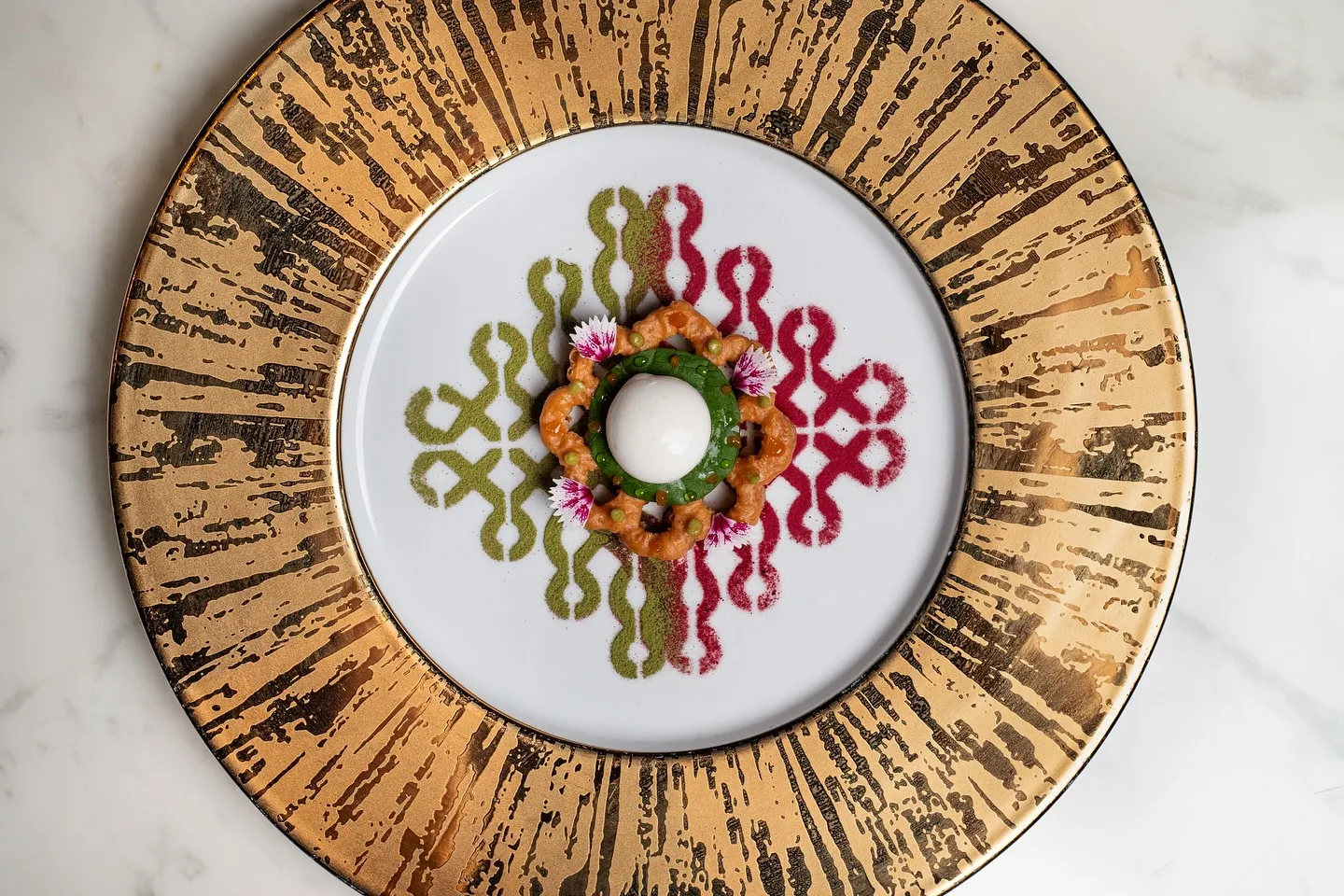
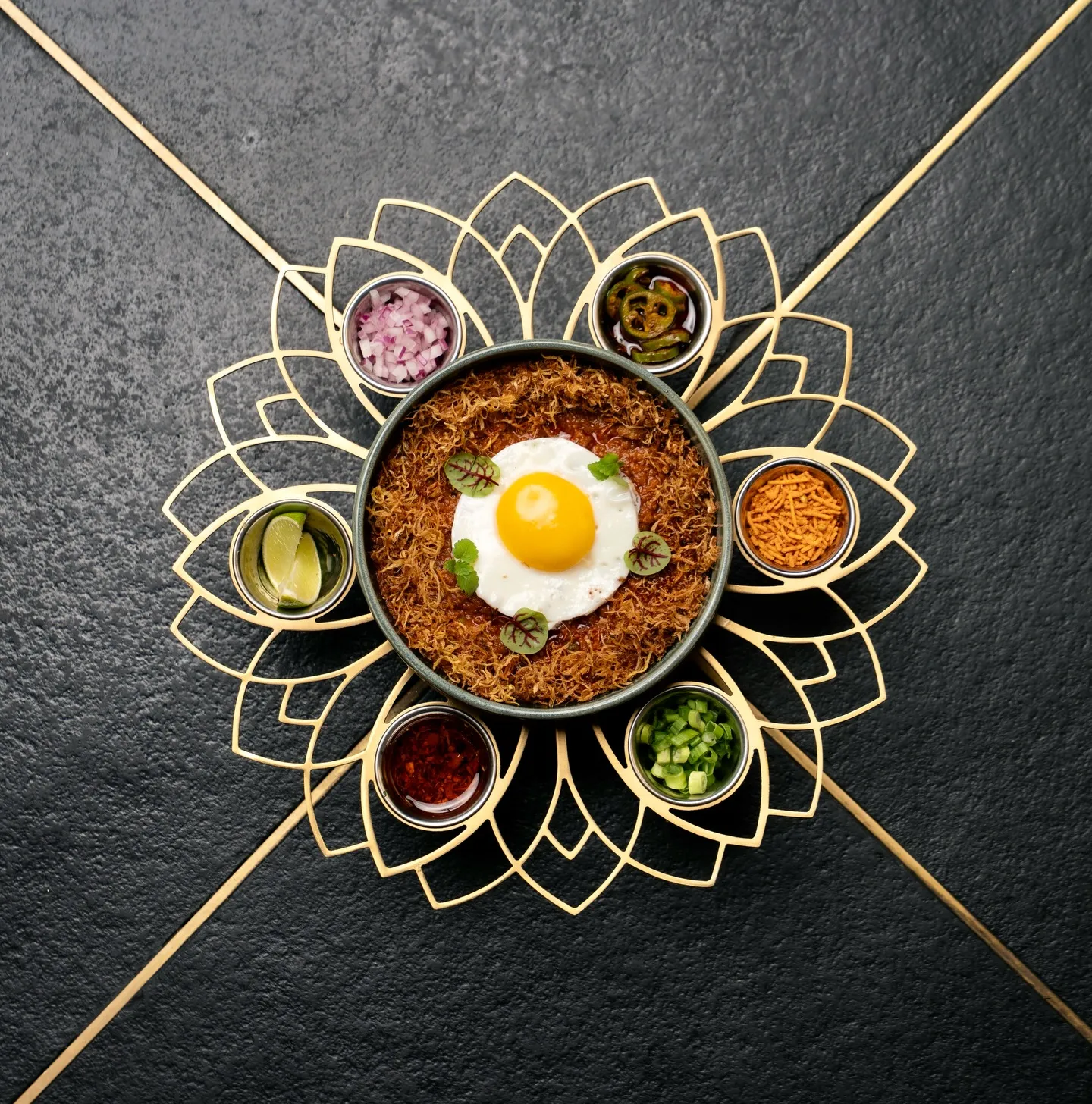
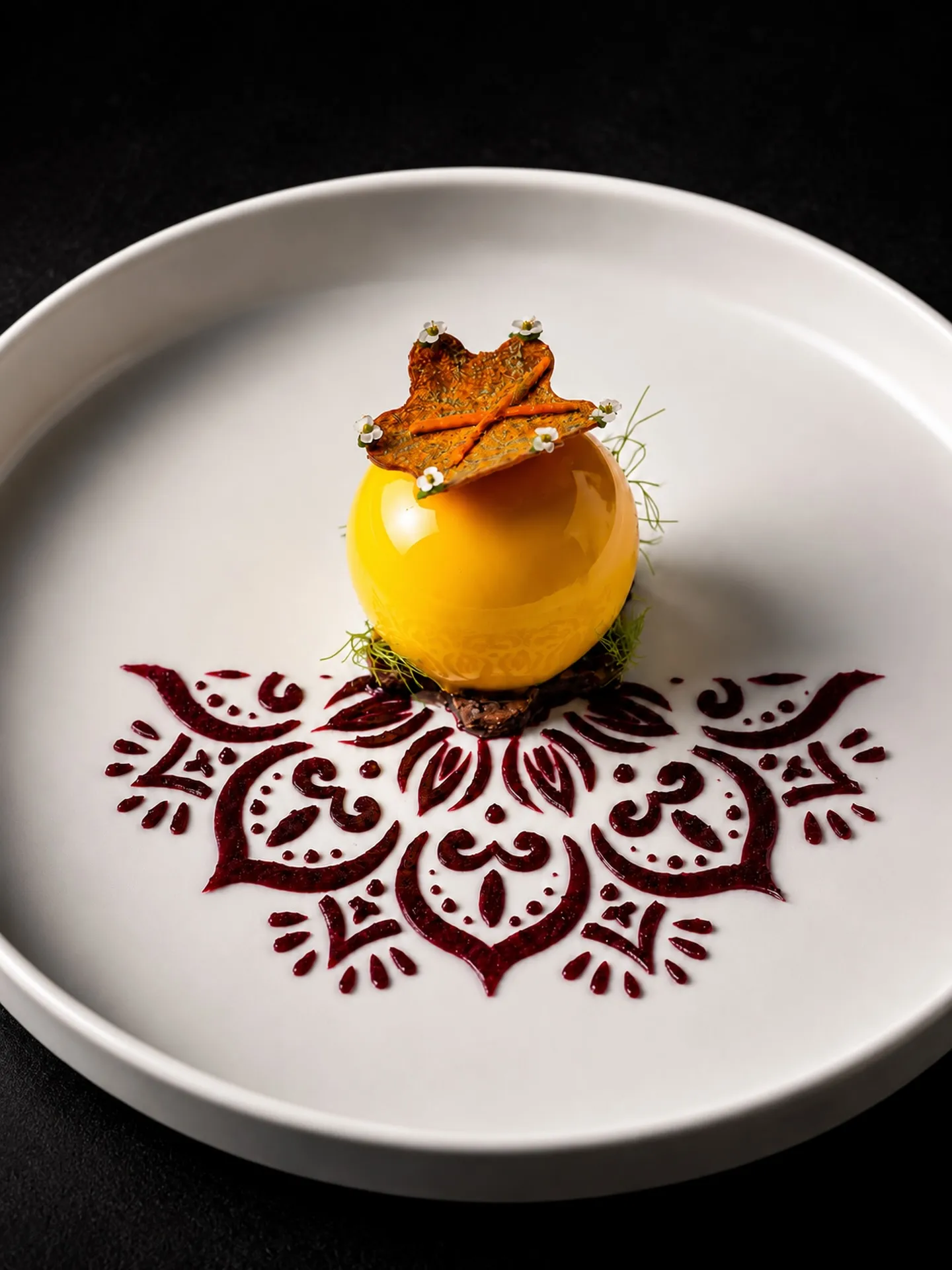
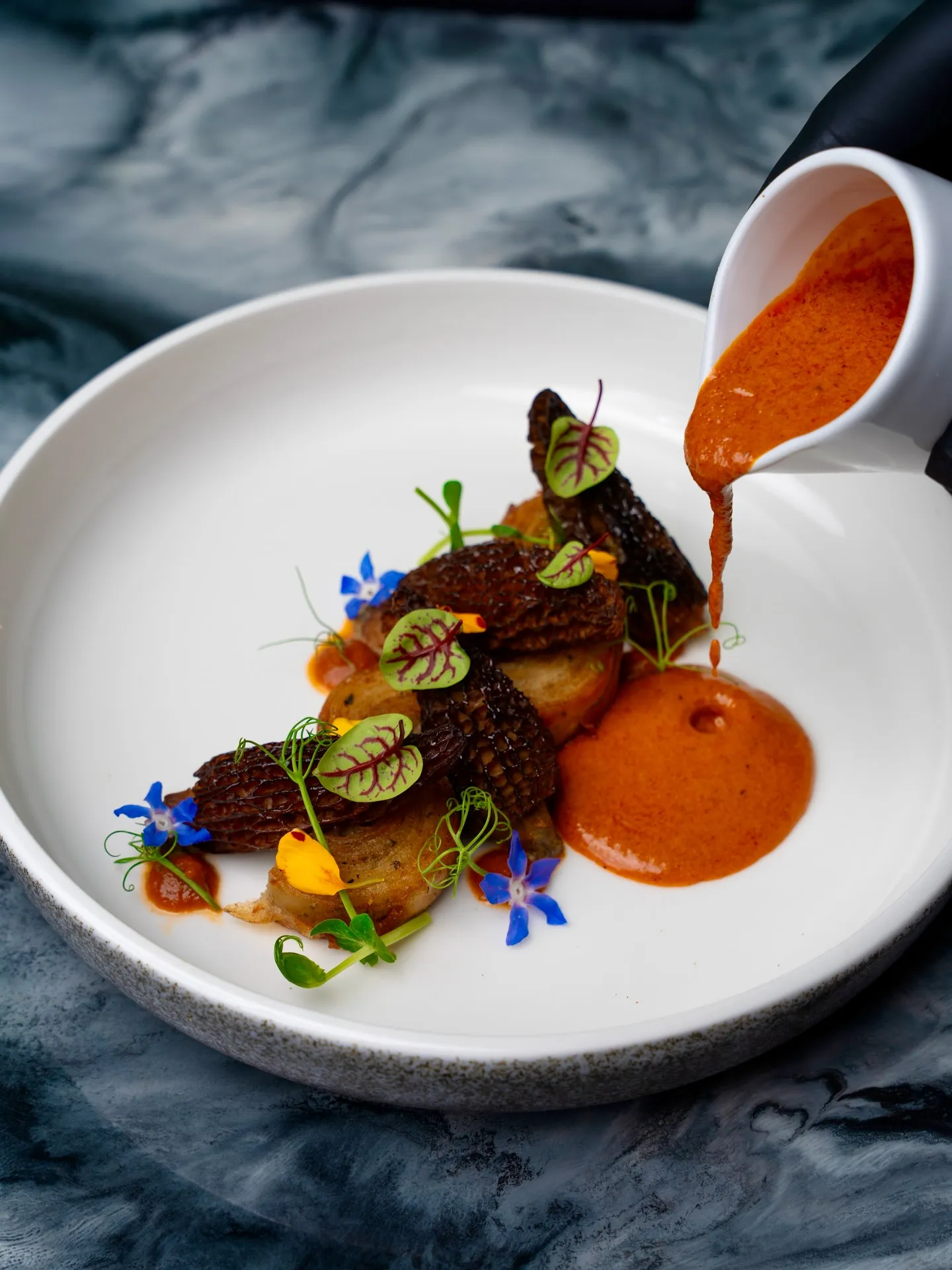
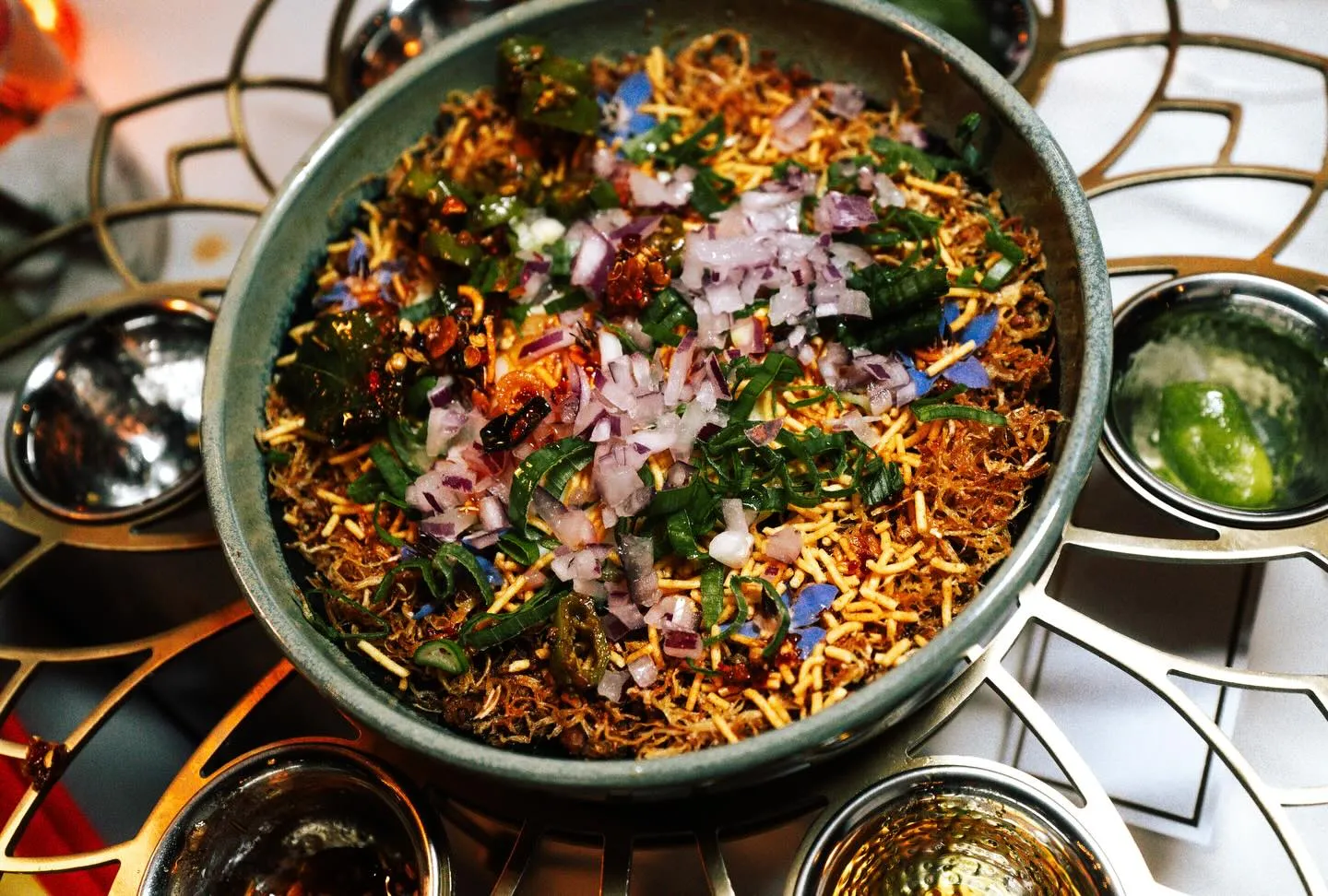
The idea was always to elevate Indian cuisine. Usually you come to an Indian restaurant because you feel like having Indian food that night. We wanted people to come because it's simply a great restaurant where you happen to get fabulous food. So we decided to be creative with our presentations, work with techniques that the world's top restaurants are using, but never compromise on flavor. You'll see very creative, artful plates on our menu, but there's no tweaking of the flavor profile. A dish tastes the way it's meant to taste. We also believe that everyone who walks into Musaafer is a Musaafer, a traveler on their own journey. We try to give them an experience that creates memories. In Houston we actually give little tours of the restaurant when guests arrive, walking them through the decor and explaining where everything comes from, what the influences are. And it's so beautiful to see that same family return the next time with friends or relatives, proudly giving the tour themselves. When I see that, I know we've succeeded. From Houston, we expanded to New York. New York now has another vertical we've built, a very strong bar program called Saki. Within Musaafer in New York, you go down to the cellar beneath the street and find a beautiful bar, with cocktails inspired by the regions and art of India.
You mentioned the recipes and the concept, from Spice Route in Nigeria to Musaafer in the States. Have you kept the recipes as they are, or have you adjusted them to be more accessible to a foreign audience?
Mithu and Shammi Malik: We have not changed them at all. The main reason we started with an Indian restaurant in the first place was that we genuinely wanted people to taste authentic Indian food. Of course, people outside India have different taste profiles and different preferences for proteins, but we were very, very clear from the beginning that the underlying principle, the one thing that cannot be tweaked, is the recipe. I remember working on the first draft of our menu. Shammi mentioned Lal Maas, literally "red meat." It's cooked with a lot of chilies, specifically the Mathania chili from Rajasthan. It is a hot dish. And when we were discussing it, the chef asked, "Should we offer a mild option? Should we lower the heat?" And I said no. If we're going to serve it, we serve it the way it's made in Rajasthan. But on the menu, we'll have other dishes that are milder, from other regions, so guests always have a choice.
If someone can't handle the heat of Lal Maas, there's always something else they can choose. But Lal Maas is going to be Lal Maas, the way it's meant to be. And we're very particular about that across the board. Sometimes guests come in and ask, "Can the chef make it less spicy?" Unfortunately not, because that's how it's served in India. For most dishes we do offer chili on the side for those who want more, but the dish itself is as it should be. What's encouraging is the responses we get. We've had many guests, including Indian guests, who have called the chef out or told their server, "This reminds me of home. This is how my mother used to cook." That is exactly the success we're looking for. I'll add I only wish that over our 32 years of marriage, Mithu's philosophy had remained the same regarding spice levels at home. The heat at home has definitely grown.
Have you noticed that Musaafer, or the restaurant in Nigeria, has educated the local public about Indian food? Or has your clientele always been Indians living abroad, or people who already loved Indian cuisine? Have you succeeded in introducing Indian food to people who had never tried it before?
Mithu and Shammi Malik: Yes, and it goes beyond just Indian food. When we started our first pizza franchise, most well-traveled, well-off people knew what pizza was, but a large portion of Nigerians had never encountered it. It was wonderful to educate them and bring something new to the market. The same applies to our Indian restaurants. We do want a strong Indian client base, because that validates us as authentic. But we also have a very diverse clientele, in Nigeria as well as here in the US. I'd say roughly 50% Indian, and the rest is a mix of all nationalities from all over the world.
Let me ask about something you mentioned at the beginning. Mithu, you were training to be a pharmacist, and Shammi, you had a business background. When you went to Nigeria, what made you jump into hospitality? It's one of the most challenging industries in the world.
Mithu and Shammi Malik: It was purely passion. I remember a restaurant in India that's still very iconic, almost an institution, called Bukhara in Delhi. Very short menu. Every president who visits Delhi eats there. I remember there was a Chelsea Clinton platter named after where she sat when she visited. When Mithu and I got married, the first meal I took her to was at that restaurant. I remember us talking about it and me saying that one day we'd open something like it. But then business took us in other directions, the pursuit of success and profitability led us into trading commodities out of West Africa, and eventually ice creams. And I used to joke that when I was young I watched Casablanca and saw Humphrey Bogart owning a nightclub, sitting there in a white suit with a cigar. I always said I was going to do that one day. I think the glamour of that dream stayed with me, without fully appreciating, at that point, how hard it actually is.
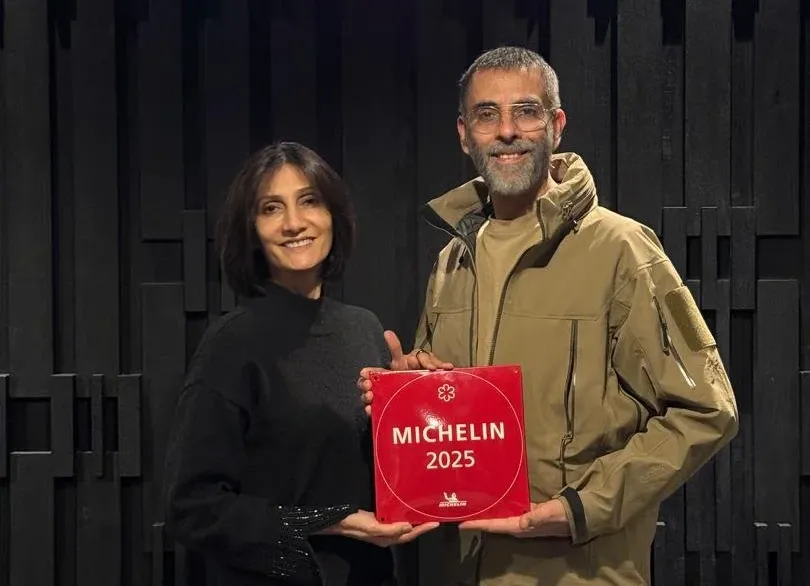
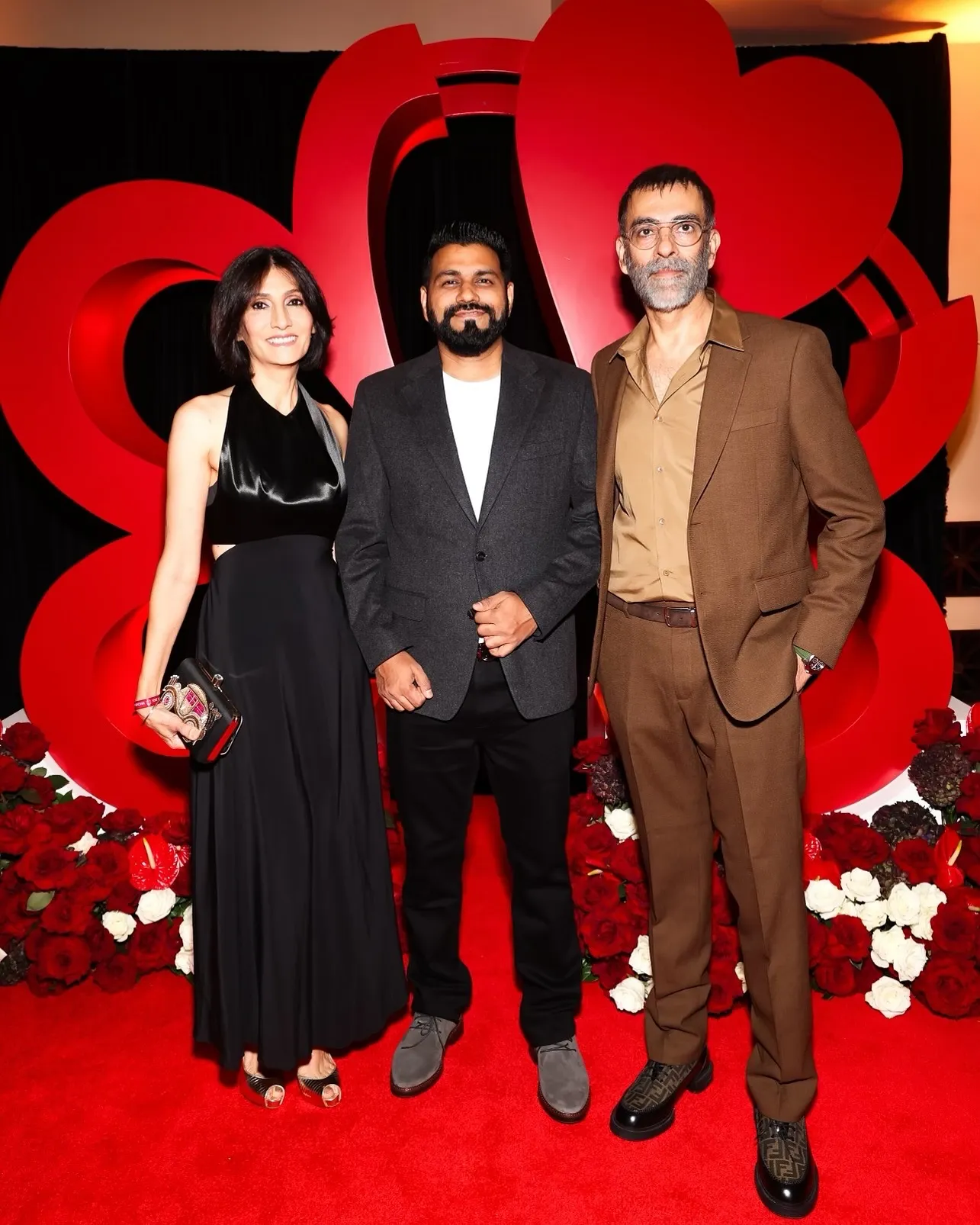
Fast forward, the opportunity kind of found us when we saw the pizza franchise and said, "Why don't we start with this?" And from there, you've heard the story. It led from one thing to the next, and eventually landed on our passion for India and its cuisine, and the desire to showcase it to the world. We've been blessed that people have liked what we do. We received a Michelin Star for our Houston restaurant. That's reward enough for us.
That was one of the most inspiring stories we've ever had on this podcast. Let me now switch to some questions about recruitment, since you have a lot of experience in that area. How did the partnership with Chef Mayank Istwal begin?
Mithu and Shammi Malik: Once we decided what we wanted to do with Musaafer, bringing India in its entirety, the next quest was finding a chef who aligned with our vision. We went on a journey across India, tasting quite a few chefs' cooking. We had a reference and went to where Chef Mayank was working as executive sous chef at a hotel called The Lalit in Bangalore. He gave us a tasting menu. How many courses was that? Twelve to fourteen, I think. And it was exactly what we had hoped for. Afterward, I took him out for a drink and let him talk freely about his whole life. I think I made him a bit too comfortable, because afterward he kept saying, "Did I talk about that? Did I say that?" But it was great, his understanding of flavors is really strong, and his vision for Indian cuisine was very much in line with ours. It seemed like a perfect match. There were never any second thoughts. Mayank is also a wonderful human being, a big history and geography buff, full of life, very social, and a good leader. He was able to put together a great team. Bringing India in its entirety means you need cooks from different regions who can actually reproduce flavors as they truly are. Mayank was able to identify those people, including some great pastry chefs for our dessert program. It all came together very naturally.
You mentioned that you personally interviewed Chef Mayank. How involved are you in interviews today versus when you started? Do you still interview chefs, or is management handling that now?
Mithu and Shammi Malik: For chef interviews, it depends on the level. For top-level hires, one round is still with us. I personally still conduct interviews, but more at the management level. Below that, the team handles it. I also don't want to step on the chef's toes when he's building his own team, he recommends people, we do one round, and if everything looks good, we move forward. Honestly, the team sometimes intentionally keeps me out of early rounds so candidates aren't intimidated. I step in at the end when needed, mainly for the financial side of things.
More broadly, what we're building is a corporate structure. We envision this brand growing not just in locations but across verticals as well. We've already started catering, in fact, the whole team, including Chef Mayank, is in Venice right now catering an Indian wedding. Giving people ownership of their own section and trusting them to take responsibility is central to how we operate. We don't want to be puppeteers with every string in our hands. We want to find the right people who can be the heads of their own areas of expertise.
Check Our Career Growth Tools


To wrap up, if someone is watching this today, someone with a passion for cooking or hospitality, someone who wants to be where you are in 15 to 20 years, what would be your advice? Is it to study? Work in a restaurant? Start something small?
Mithu and Shammi Malik: I think exposure is a great place to begin. We've had people who were very passionate about the industry and who actually changed direction once they got inside it, from wanting to be chefs to preferring to handle other parts of the business. And that's a completely valid path. First and foremost, honestly identify whether this is truly what you want to do for the rest of your life, because you're going to be doing it every single day. Then get into the industry in whatever way you can, get that exposure, feel it, and see if you're still just as passionate. If you are, then finding your own niche is going to be critically important, especially in the restaurant industry. Restaurants are opening and closing every day. There are so many of them. Having your own unique selling point, believing in your concept 100%, and never being shy of hard work, that's what has really worked for both of us.
We have worked at all hours of the day and night when it was required. Shammi still fixes broken pipes and blown fuses, whatever is needed, we're there on the ground. And that's what we're teaching our team and our family. You have to be right up front, rolling up your sleeves, every single day. That's how you build a great team. You also have to know your own strengths and weaknesses. "I'm great at this, now I need someone who is great at that part of the business," because no one person can be good at everything. Find the right people, don't step on each other's toes, give each other space to create, stay passionate, and work very, very hard. That would be my advice. And if you're only ever hearing your own voice, something's not going right.
Check out more interviews like this brought to you by OysterLink to learn about the industry. You can get them straight to your email by creating an OysterLink account and joining our newsletter.


Loading comments...