


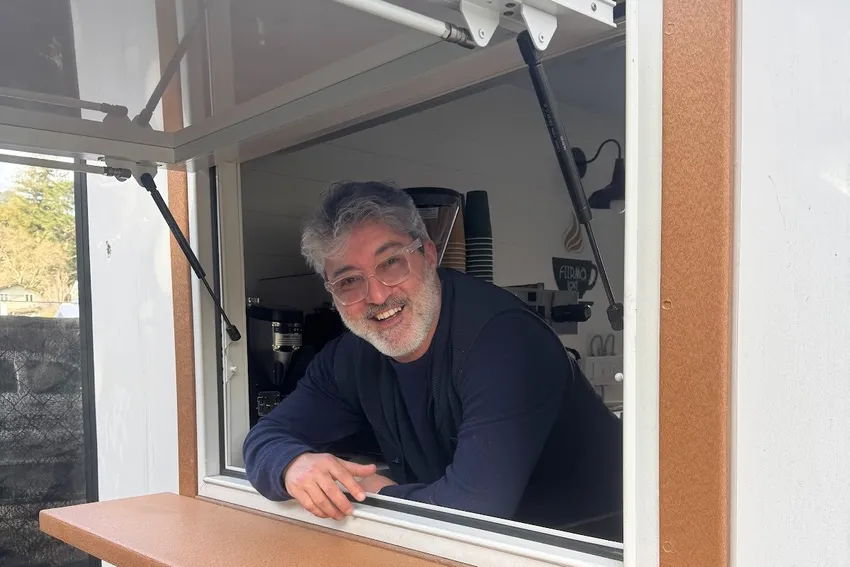

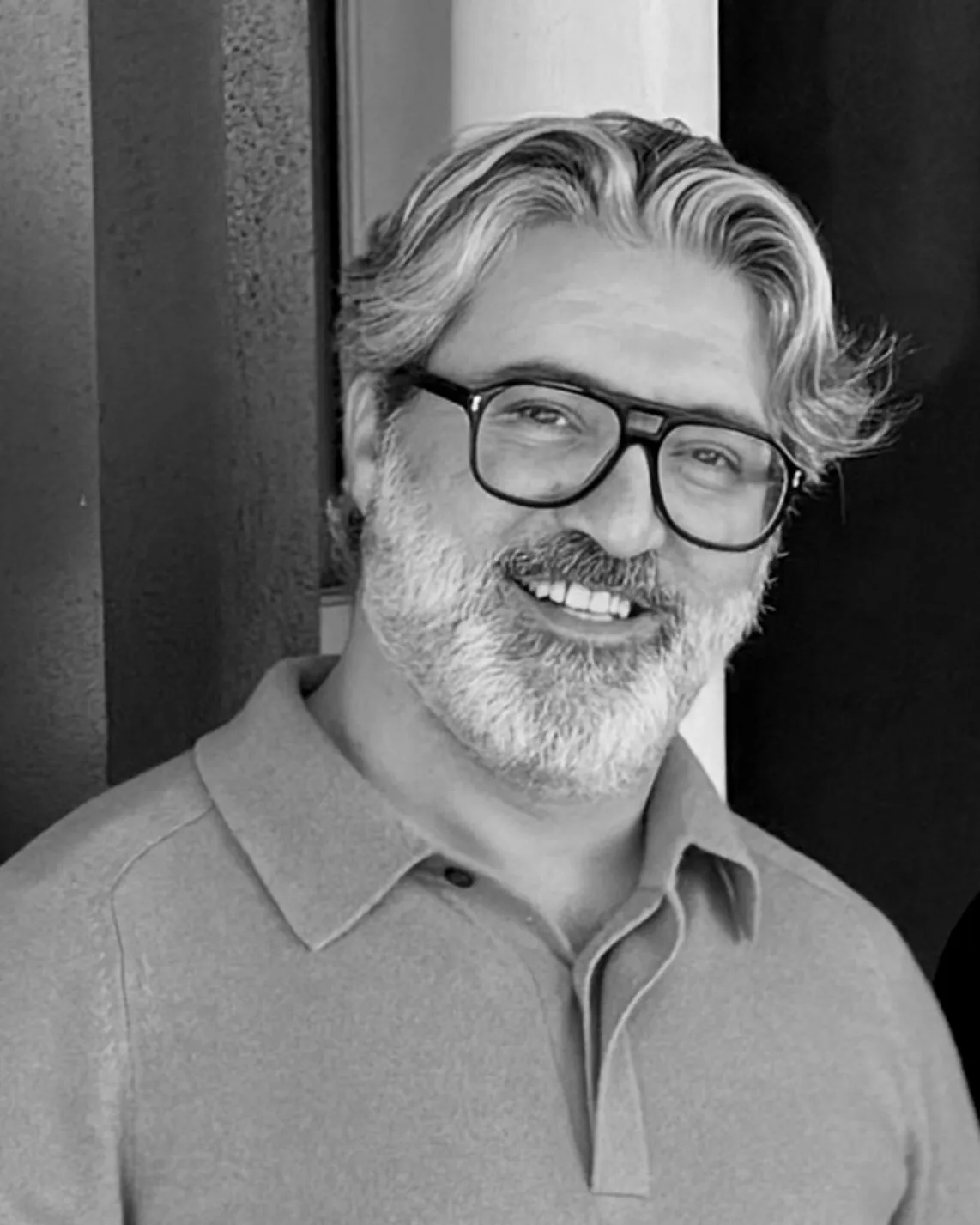
Tunisian-born restaurateur Borhen Hammami shares his journey from working New York restaurant floors to establishing unique hospitality concepts in California. He discusses the success of his Michelin-recognized venue, Berber, and previews his upcoming family-style, live-fire dining venture, Feerma.
Please introduce yourself, tell us a bit about your career path.
Borhen Hammami: Absolutely. So my name is Borhen Hammami. I was born and raised in North Africa in Tunisia. I did school in France. I did business school and then from there I moved to the US when I was 20 years old. I started working in restaurants as I was going to school in New York City and to help pay for bills and stuff. And then I found myself in love with the field. The hospitality, restaurants, you know, bars, clubs. As something is calling me. I grew up in Tunisia. Hospitality is a big thing in my family. We love to host, you know, uncles, cousins, you know, name it, friends, neighbors. My mom, she's a wonderful cook. She always tried to please people, she cooked the best food, and made pastries as well.
And so I grew up in that vibe. Here in the United States and California especially, I started working in big restaurants from the bottom up. Obviously I started as a busboy, server, floor manager, bar manager, bartender, restaurant manager, and then I started owning restaurants in 2008. As my previous experience was in a restaurant with entertainment. I love that idea to bring people not just for the food, to create an ambience for them. So in 2008 I opened Cafe Shanta which is a wine bar slash hookah lounge with North African tapas and entertainment seven nights a week from all over the world. Indian music, mariachi, Middle Eastern, you name it, I had it all. Free mic nights. It was wonderful and a good success. At that time, that's when Facebook started you know, being up there and people using social media. I didn't need much social media at that time 'cause I was in downtown San Francisco. And so it was easy. There's a lot of foot traffic, hotels and hostels and so on and so on. And so I did a wonderful, really, really good run for three years.
And then left that place. My dad was a little sick back home, so I went. I actually sold it successfully. I had a really good offer I couldn't refuse. It was not for sale. Someone just came and said, Hey, I give you such and such. I said, if you are serious, you bring the money tomorrow, I will take it. So he did, came back the next day, brought me the cash, brought the lawyer, paperwork, signed it, and I left. And then I started working for a restaurant up north, north of San Francisco. It's called Cavallo. And I had a good run there. But after a little while I start itching. I'm like, I need to get back to, you know, owning the restaurants and managing and you know, doing something that I really like and you know it's a message that I'd love to do.
Then I came up with the name and concept for Berber, which is also still my background. Berber are the native people of North Africa. People who never believed in religion or politics, they all love and share everything together. And so I loved that concept and I decided to add some entertainment to it. So me and a friend of mine at that time became friends and became partners. We opened Berber and we did excellent. We had a lot of good reviews, you know, good positive reviews. We had a Michelin recognition, Bib Gourmand, for two years, back to back. You know, we focused on everything, not just the food and neglecting the entertainment. Everything was top quality. We used to bring Cirque du Soleil performers, wonderful shows, you know, all curated. From A to Z from the music to the; I mean DJ, musicians, MC, you know, full on entertainment for about two hours. With each course you have something different. Until San Francisco honestly changed with a lot of crimes, unfortunately, homeless and you know, especially after COVID. And things went down, so I had to close. Unfortunately.
And I start thinking about doing something else. I'm like, okay, I had enough restaurants. Restaurants are not that easy to manage and to build. I'm like, okay, let me do real estate. I didn't see myself doing real estate. I said, okay, let me go back to import export, because that's what I studied. Also it was a little difficult. A lot of people say, be careful. You don't want to put your money into it unless you know what you're doing. And then one day, I live in North Bay and I love where I live. I was walking down the street and downtown Larkspur and I found this place for lease and something was calling me. I don't know what it is. I was smiling and I'm like, wow, this is something that's like déjà vu. I've seen it before. And to make a long story short, I introduced myself to the landlord and you know, got the place after a little while. And you know, all this time I was thinking about bringing something also dear to my heart, which is Feerma.
Feerma it's the best word to hear when I was a kid. Just a farm, it's, Feerma means a farm and that's where we usually go spend our break, summer break, winter break, you know, spring break. All the family, including cousins and uncles, and you know, and so it's a place for gathering. Get to see all my family. Women are cooking the best foods, everything is cooked on wood and charcoal, and you know, it's the festivity, the fun.

You know, we as kids, we're running everywhere chasing chickens or ducks or whatever, climbing trees, picking up fruit, you know, getting eggs from the chicken. It was a lot of fun, you know. It's just simple and beautiful and, you know, very nourishing, the soul and the stomach and everything. It was like a big event for us growing up. And stays with me always. I'm like if I miss my country I miss that, you know, part of it. It's where all the family gets together.
And so I came up with this concept. It's a Feerma, it's a new restaurant here in Marin. You know, again, focus on fire cooking, everything is on the grill. Again, we'll be using charcoal and wood ovens for the pita bread and you know flat bread and so on. There's a lot of great stuff. And yeah, that's what I've, you know, I'm very excited right now. I'm working on it. Says probably in three months from now we'll be opening.
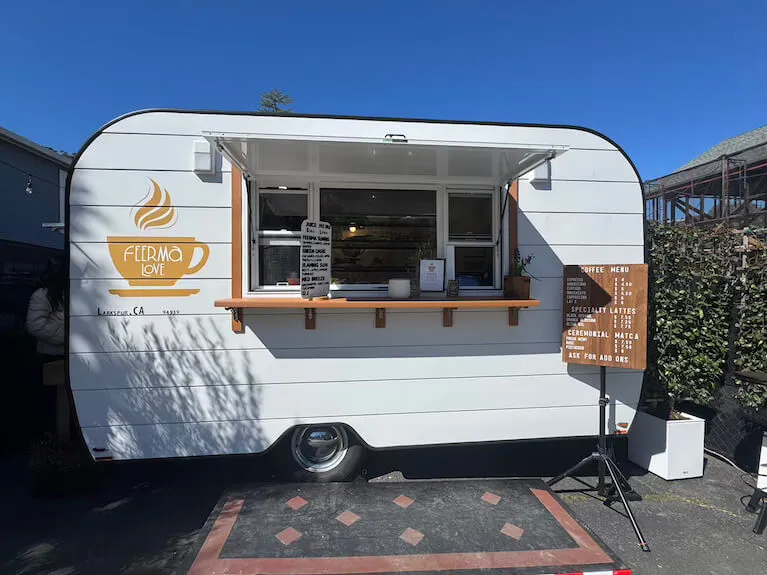
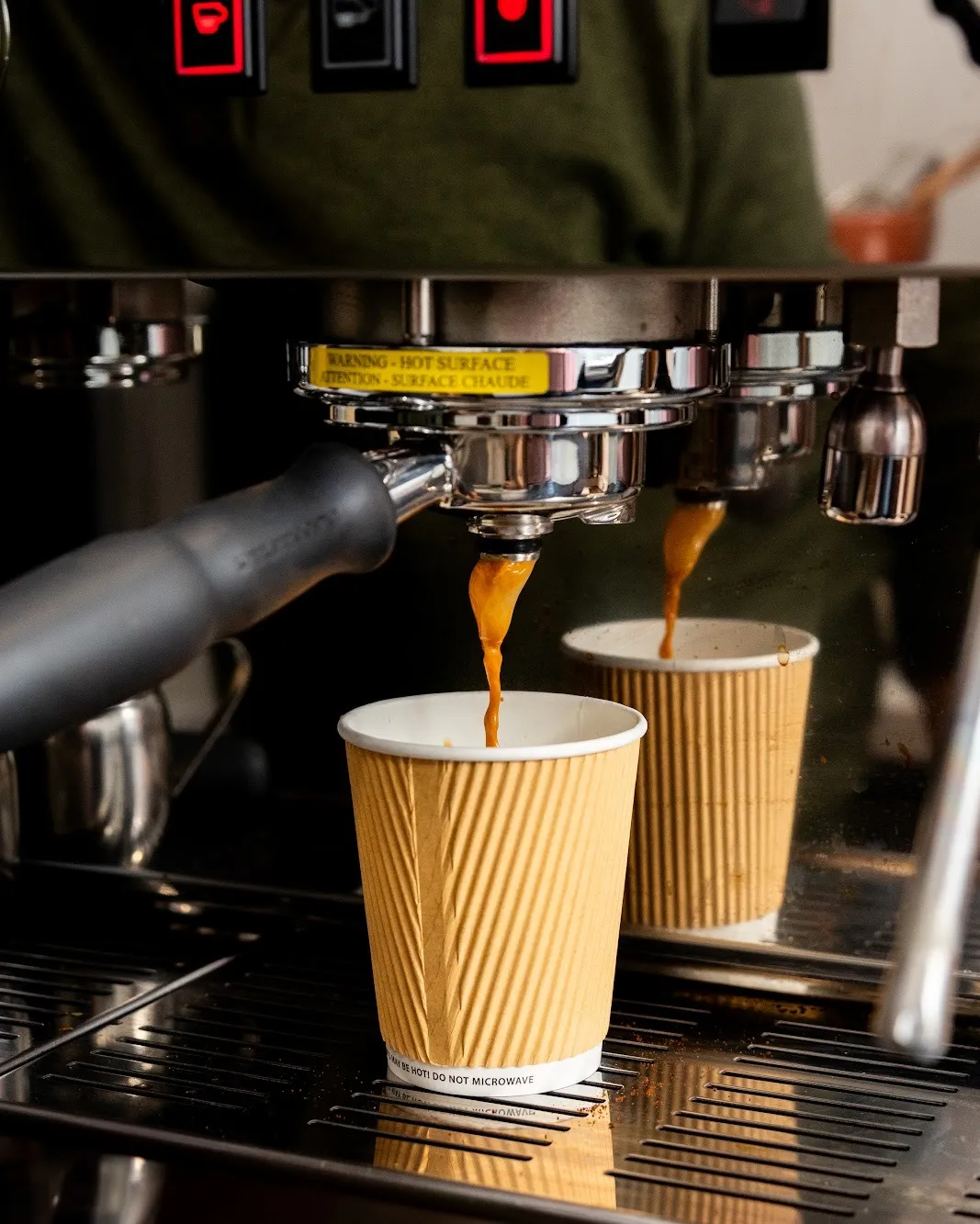
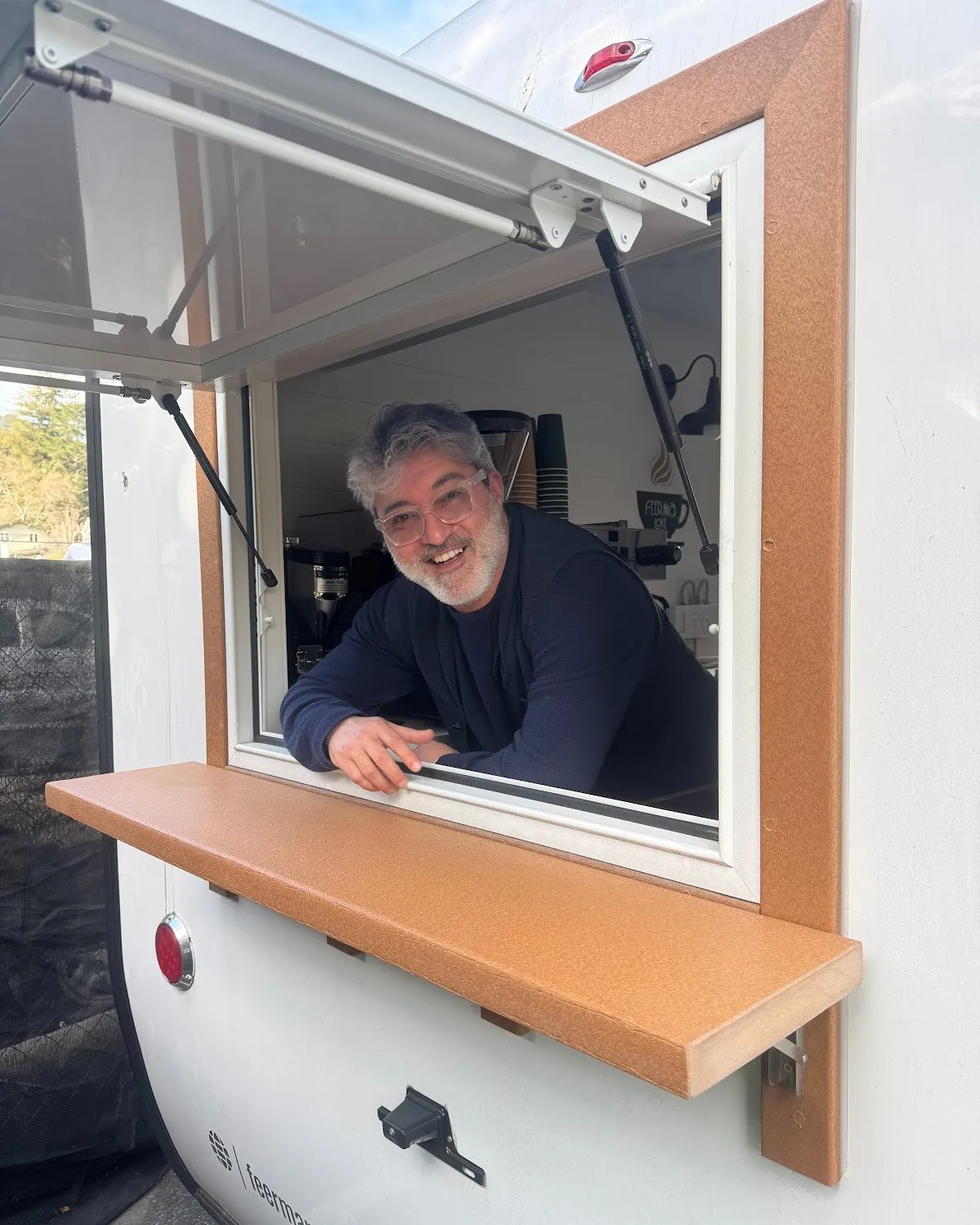
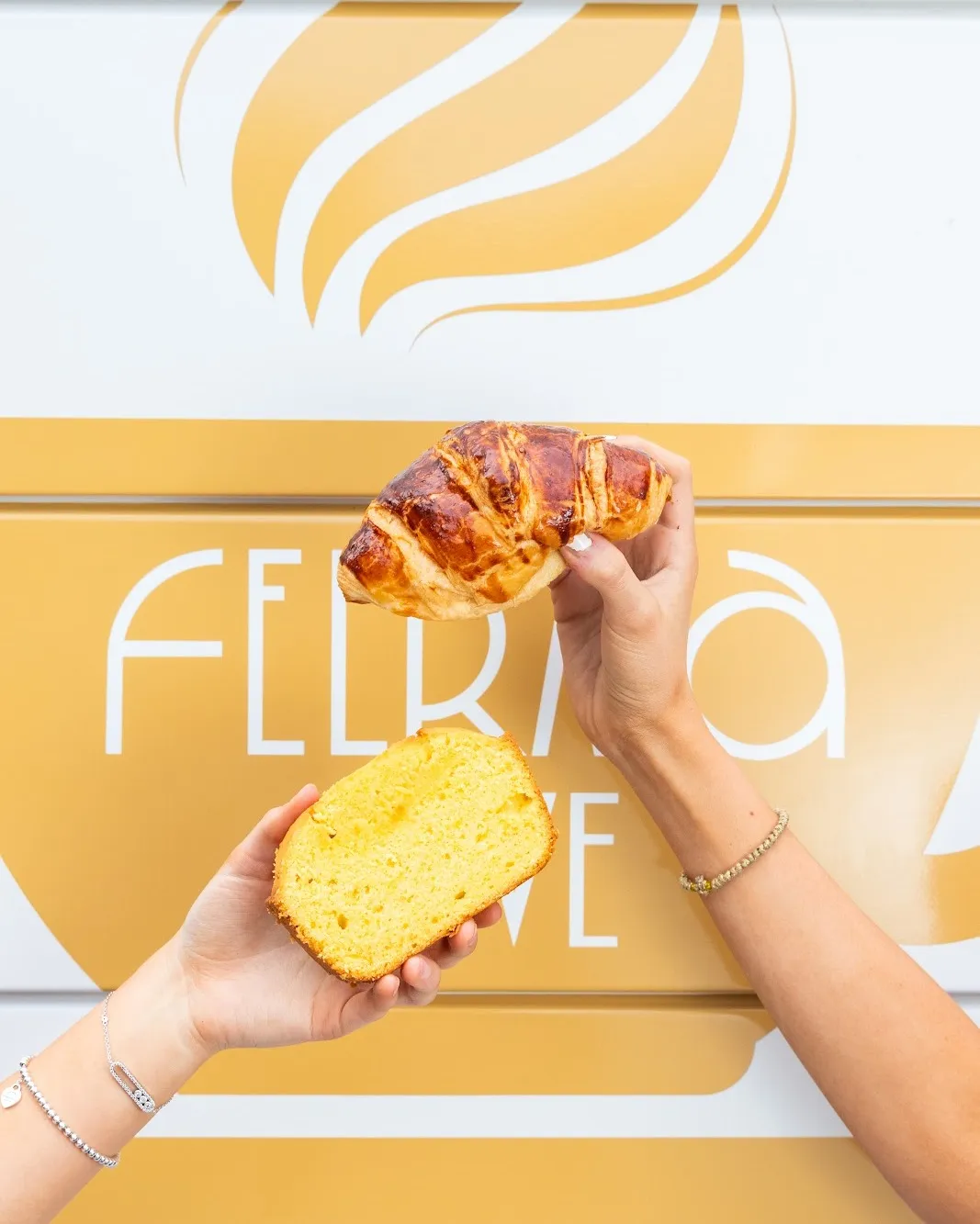
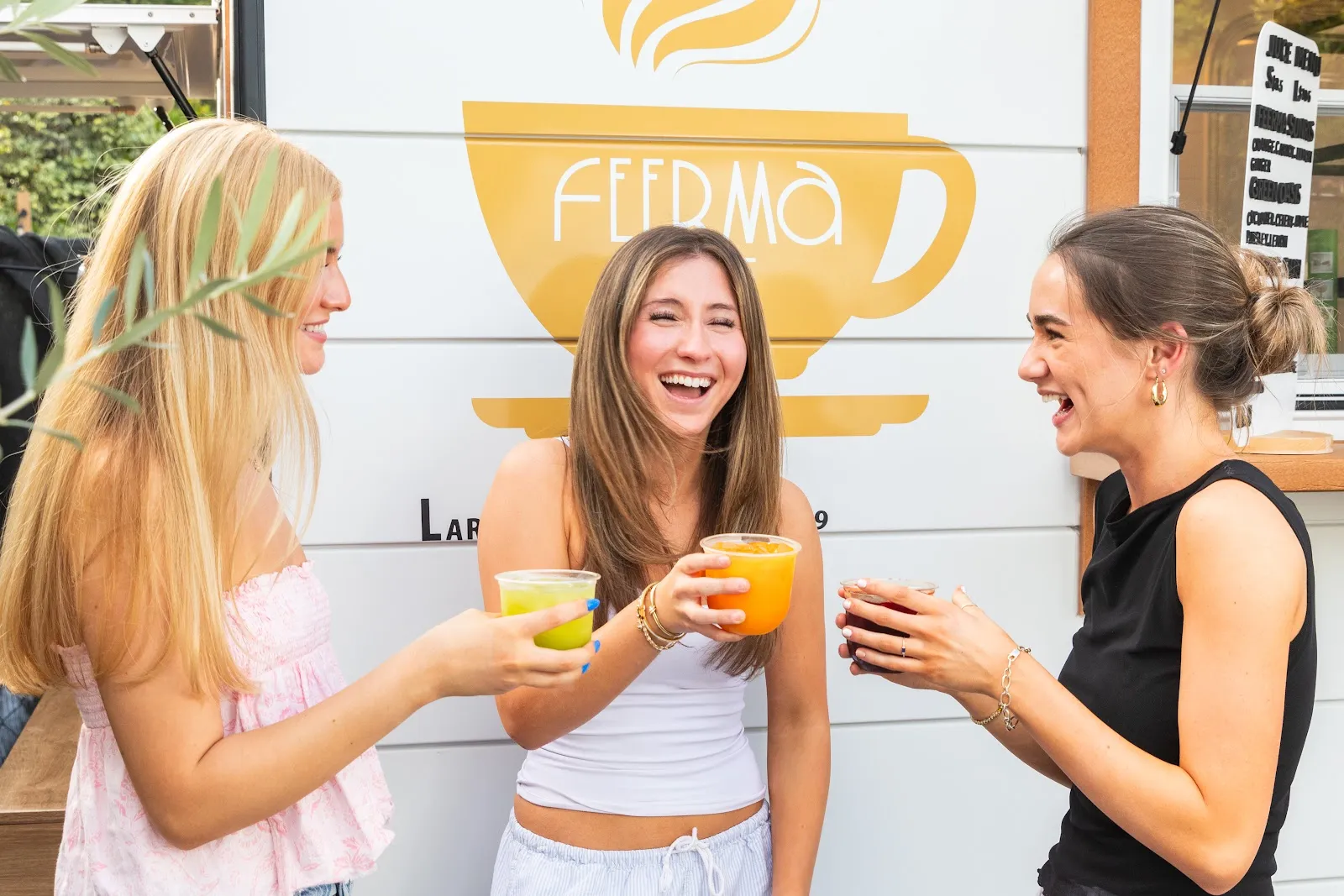
In the meantime I opened a little coffee wellness trailer. Also Mediterranean flavors, all of , and we've been doing really good. It's a lot of people loving it. We get in, you know people are so in love with what I'm doing so far. It's just giving a little taste of what the restaurant opened. And so far so good. I'm very happy the community is very welcoming to me, encourages me and makes me feel like I just wanna go more and more. I wanna make, you know, Feerma a place where people can come again and bring their family, bring their coworkers, their neighbors, come and celebrate. It's all about family style. So that's how we serve food. And yeah, that's Feerma and that's what I'm doing right now.
So what kept you coming back to owning a restaurant? Haven't you ever thought about just quitting this entire industry that's full of headaches and just moving to something else?
Borhen Hammami: I thought about it many times. But it's my passion. This is what I love to do. I wake up every day. I love to go, you know, first of all I create a family, you know, restaurants that I opened. The first one I sold successfully. So I did not close and continued a few years after. Yeah, yeah. No, it was all experiences, all journeys, you know, they all were beautiful and meaningful, meaningful to me, each and every one of them. It is very hard work. It's not for everyone. If you don't know what you're doing, I suggest don't even get close to, in the restaurants, I can do everything. I'm a chef as well. I can cook. I'm a bartender. I'm, you know, put me in any position. I thrive and I do a really, really good job.
So it's from my heart. It's something that I really love. I don't consider it a job. I do this to get paid. No, it's, this is what I really love to do. It's again to host people, to, you know, celebrate people's milestones and you know, be part of that and also help me get introduced to so many beautiful human beings, nice people, you know, everybody's his stories and it's again, it's something close to me, to my heart. And you know, I can do many other jobs by the way, but this is what I love to do. That's my passion.
You mentioned growing up in Tunisia around big family tables. When did you realize that you can build a career around that feeling?
Borhen Hammami: That's such a good story. I mean a good question. When I lived in New York, honestly I grew up with a you know, like I said, a family. I had two sisters and a mom and my dad. As the way we grew up, as the guy we don't do anything in the kitchen. You know, my mother spoils us, she makes the best food, old recipes, my sisters always help, and my mom teaches them how to make food. So I hang out with them in the kitchen, but I don't cook. And then I love to smell the food cooking, you know, grilling and all that stuff. When I lived in New York City, all of a sudden I found myself in the kitchen and cooking without any training or anybody. My mom never taught me how to cook.
But I just found myself making dishes just like my mom. Smell and you know, without, so I don't know, I think it's part of me. You know, love cooking, love being with people again. And like I said, when I was in New York City, I had to work, you know, I had to make some money to help myself. My dad used to send me money, but it was not enough for rent and transportation and school and food and so on and so on. So I had to work. And again, I found myself always happy. I go to work happy, live happy, you know, I'm always in a good mood. And became part of me. And then again, later by later start doing management and you know, management. I learned a lot of things in a restaurant. And then you know, a lot of people said, Why don't you open a restaurant? You're a good cook, you're a good chef, you're a good bartender, you're this and this.
And then in 2007, a friend of mine came to me and he's like, Hey, do you wanna open a restaurant? I said, man, I don't think so. I don't have money for this. Saved, you know, I have some money, but it's not that big. To open a restaurant you have to have a lot of money. And he's like, yeah, he's like, I can help you. You know, you're good, my friend, and you know, I would love to help you, see you succeed. That's what happened. He helped me open Cafe Shanta, which means singing cafe. That's what Cafe Shanta means.
So it started from there, the love and you know, entrepreneurial mindset and how to build the concept, how to make it you know, good and people enjoy and people tell each other and you know, that's what about. And from the first experience I knew that I'm good at it and I succeeded tremendously doing, you know, something that doesn't exist, VIP hookah lounge with food and entertainment and, it was extremely enjoyable to do that and see the success of it. You know, that makes me super happy.
And then that's it. From there it's okay, I've done it. I can do it better, I can do bigger.
Berber was a big concept. It's six thousand square feet in the middle of the prestigious neighborhood of San Francisco, the Russian Hill. I had people traveling from everywhere. I had people coming from London, from, so many different countries from the United States, people from New York, from Miami, from Chicago, lots from LA. And so I'm like, okay, who's voted number one restaurant in the West Coast, not just San Francisco. So it makes me very proud
We can say hospitality found you in one way or another. You did not look for hospitality.
Borhen Hammami: You are completely right. You are on the point. Yes. It did for me. If it does, find me and I will say find each other too, 'cause you know, who was calling me and I'm like, Okay, this is what I need to do. This is what makes me happy. I cannot work for people, just 'cause I have my mindset, my way of thinking. You know, I'm a good director, I direct, I operate very well. I'm very resourceful, I know a lot of people. Built a good reputation here in California. People talk highly about me.
I always build a family, not a team. Everybody works with me. I treat them like a family. They're still good friends of mine, even though I closed my restaurants before and they still call me. We still check on each other, saying hi, you know, on holidays we wish each other good holidays and so on.
And so I have a lot of teams or Berber families coming back to work with me and this venture as well. It's just because they love the way how I treat them and they also make good money and you know everything gets in the right place with these people. I'm very happy to become that person. Because everything comes from the heart. It's something you love to do, you believe in it, it comes good.
You closed a Michelin recognized restaurant after five years you said of operating successfully. So more than five years. So looking back, is there a decision you would like unmake if you could when it comes to closing the restaurant?
Borhen Hammami: No more than five years. I was open from 2017, about seven years. So unfortunately it's hard to talk or say anything about that. I used to do high-end restaurants. So you know, to come in to watch a show was a little bit expensive. It's not like an everyday thing you could do. And then when the economy goes down a little bit, because you know, with the COVID happened and we had to close and you know we still pay rent, it was very expensive, even when you were close. You know, high end restaurants they're very risky ones, you know. So right now Feerma I'm doing upscale casual.
So I learned the lesson. I don't do super high end, I do something that everybody can afford. I want people to come back three or four times a month, you know, to bring some other friends to come back and, you know, celebrate their milestones, whatever, you know. But I don't want people to come only just okay, once every six months 'cause it's expensive. No, I want to have people coming back over and over and over and over.
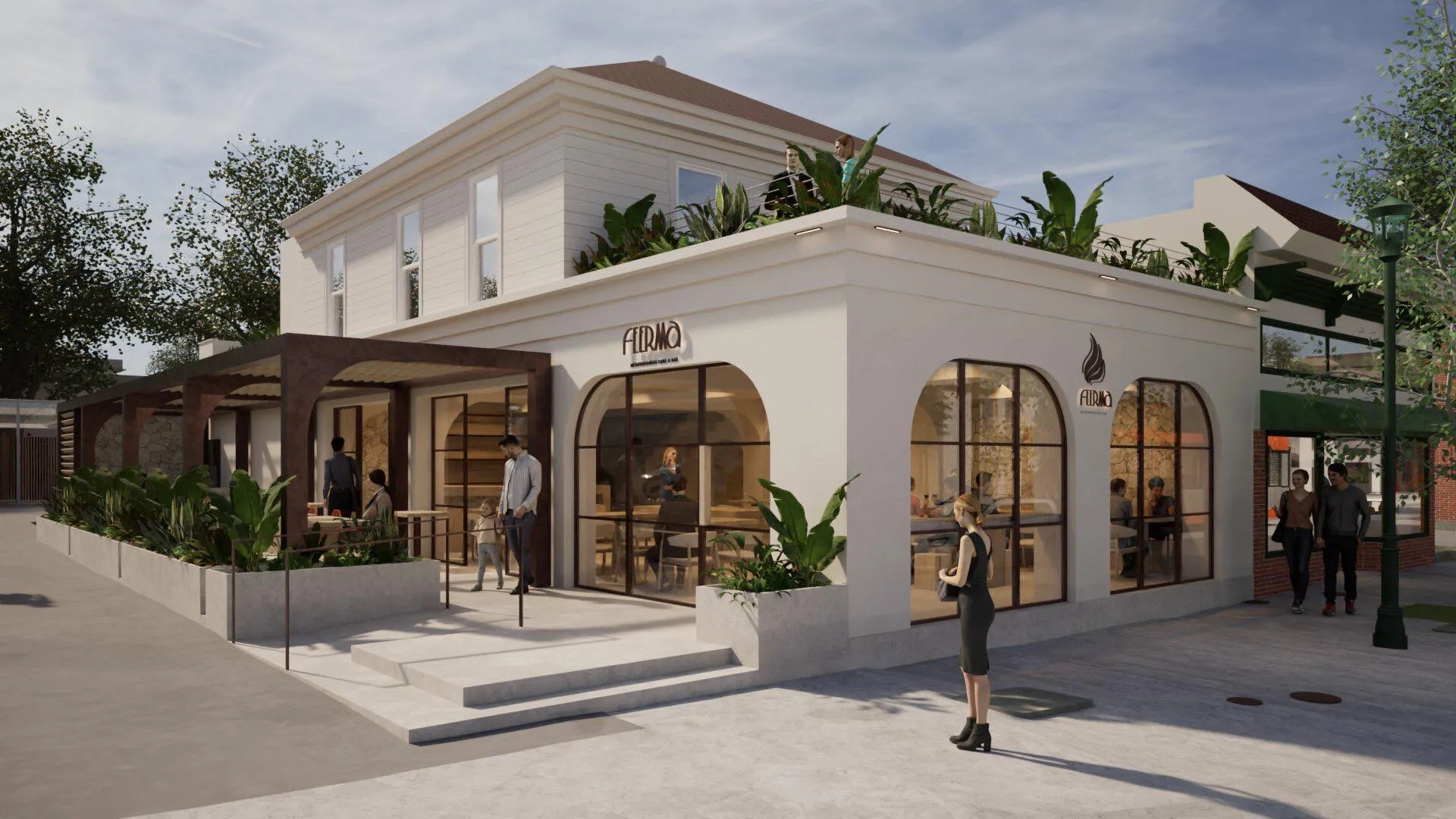
Now with Feerma I'm, we're doing delivery, we're catering, have a private dining room for up to 30 people with two beautiful patios, one in the front, one in the back. Again we do the coffee trailer, and have a full bar. So it's people if they don't come for dinner they can make delivery, they can have, you know, celebrate their like, like I said, milestones, they can do catering, there are many ways and we are always there. So that's where I'm trying to branch out, not just a dining place. You come in and eat and that's about it. If we open for brunch on weekends, Saturdays and Sundays, I'm going to bring more entertainment. Not as much as Berber, 'cause Berber was a supper club. Literally we had a room with a big stage, a high ceiling, and you know it's a big, you know, big big room for that. With this restaurant, I don't have that luxury, but I do have a beautiful parking lot that I'm going to use to bring bands, like maybe once a month, maybe twice a month. Bring some of our entertainers in the parking lot while people are having dinners and so on. And yeah, but there is nothing to blame or there is no mistake, it's just the circumstances. That's why we had to close Berber.
It's a situation where you can never go around it. So many restaurants in San Francisco closed after COVID. Sixty percent matter of fact, sixty percent. The town became a ghost town. A lot of retail stores downtown close, a lot of you know, people that don't go to work anymore, that work from home. So everything changed. The conventions also from San Francisco moved to Las Vegas, went to different cities. So all of these factors, you know, kind of helped make my decision and close the restaurants because there is not much of recycling it or doing anything. Everything cost, you know, performers, you know, rent, employees, food costs went up after COVID. It's so many factors, like I said. It was not that easy to keep it open unless I lost more money and then, and then what?
Yeah. What were you thinking about the first couple of months after closing Berber? I mean, I know this question will mean a lot to a lot of people who might be in a similar situation. Were you thinking I have to reopen again or I have to just quit the industry or I have to do something different? What was going on in your mind back then?
Borhen Hammami: No, definitely when I close Berber, first of all, I went through a very tough time 'cause Berber was like a baby. I, you know, started from an idea and, you know, see it flourishing and become a really strong, beautiful, you know person, whatever. And then it hurts when you see it close and it's not 'cause of me, it's just 'cause of the circumstances, what's happening and you know, I was going through a little bit of depression. And like I mentioned earlier, I was thinking of doing other stuff. I said I'm done with restaurants. Why I'm going to keep doing what I'm doing. And you know, it's super hard work. I used to work 14, 15 hours a day.
You know, I'm very responsible. I'm the first person there and I'm the last person who leaves. I'm done. I'm done with this. And then like I said, I try to do other businesses, I try to do real estate. Perhaps. And you know, I was going to see different houses and asking questions and for probably four or five months and almost bought a house and tried to remodel it and sell it. And then I don't know, something, I was like, man, that's not me. I don't know. I don't enjoy it very much. It's not who I am. Yeah. And then, you know, again I start to do, start looking into import export. I went to Tunisia trying to bring olive oil here.
Hospitality pulling you back again.
Borhen Hammami: Sell it in the Middle East or somewhere in Russia and I started doing some moves here and there and again I didn't see myself happy, the person who I am. You know, I like to always be happy around people and you know that's my cup of tea like they say. And then again and again that's my passion. That's what I love to do. And then I find myself, you know, again back to it. I'm enjoying it right now. It's not that easy to open a restaurant and you know, start with an idea, finding people who believe in that concept as well. Investors, you know, partnership, you know, things like that. It costs a lot of money to open a restaurant as well. It's not cheap.
But I leverage my expertise and my experience in other restaurants and people were looking for me as well. And so that's what I'm at right now. I'm in a good place. I see my new babies growing and starting, you know coming to life and every day I go there and I see something different. I have a very good crew working seven days a week. Even on Sundays and you know, holidays like today they're working as well. So it's good to see, you know, things are progressing. You're not sitting in one spot and you know, again with the coffee trailer, it's bringing more noise and excitement to the big project. And I live in a very good niche, very good neighborhood. Marin County, it's awesome. It's a lot of good people here, and a lot of support. And so I think I'm in the right place and I'm so looking forward to opening this restaurant and seeing more people coming in and enjoying themselves and creating memorable times for them and whoever that comes with.
You know, we often meet our destiny on the road we thought we took to avoid it. So you make a decision and you think that, okay, that's it. I'm not going back to this industry only to find yourself back into this industry, but probably in a new way, new model, different kind of restaurants, and this is what's happening right now.
Borhen Hammami: That is true. And I trust something else, that I'm a little different than many other restaurateurs. I don't just focus on the foods or you know, just by itself. 'Cause honestly you can eat good food at home. I'm sure everybody can eat good food at home. But while you go out, it's for me I like to create experiences for people to give extra reason to go out, to come to my restaurant, you know, whether with Cafe Shanta or Berber or right now with Feerma, I like to make that you know sparkle in their, you know, whatever week or something something different, you know, and it's something meaningful as well. And then I like to stick to my background also.
I do believe I'm an ambassador for my culture from where I came from. I like to let people know, okay, North Africa, Middle East, Mediterranean. All these places, you know, have their own flavors, their own cultures, and I like to give them a little window to see, you know, what other cultures are about, the traditions, the way they eat, the spices, the colors. And that's my mission also.
Besides the food, I like to give people something extra to go home with, some memories to never forget. You know, and I think North Africa or the Mediterranean, it's very exotic. It's a very good food. It's ancient, it's healthy, it's delicious, and has a lot to offer. When you talk about the Mediterranean, it's a big canvas we talk about.
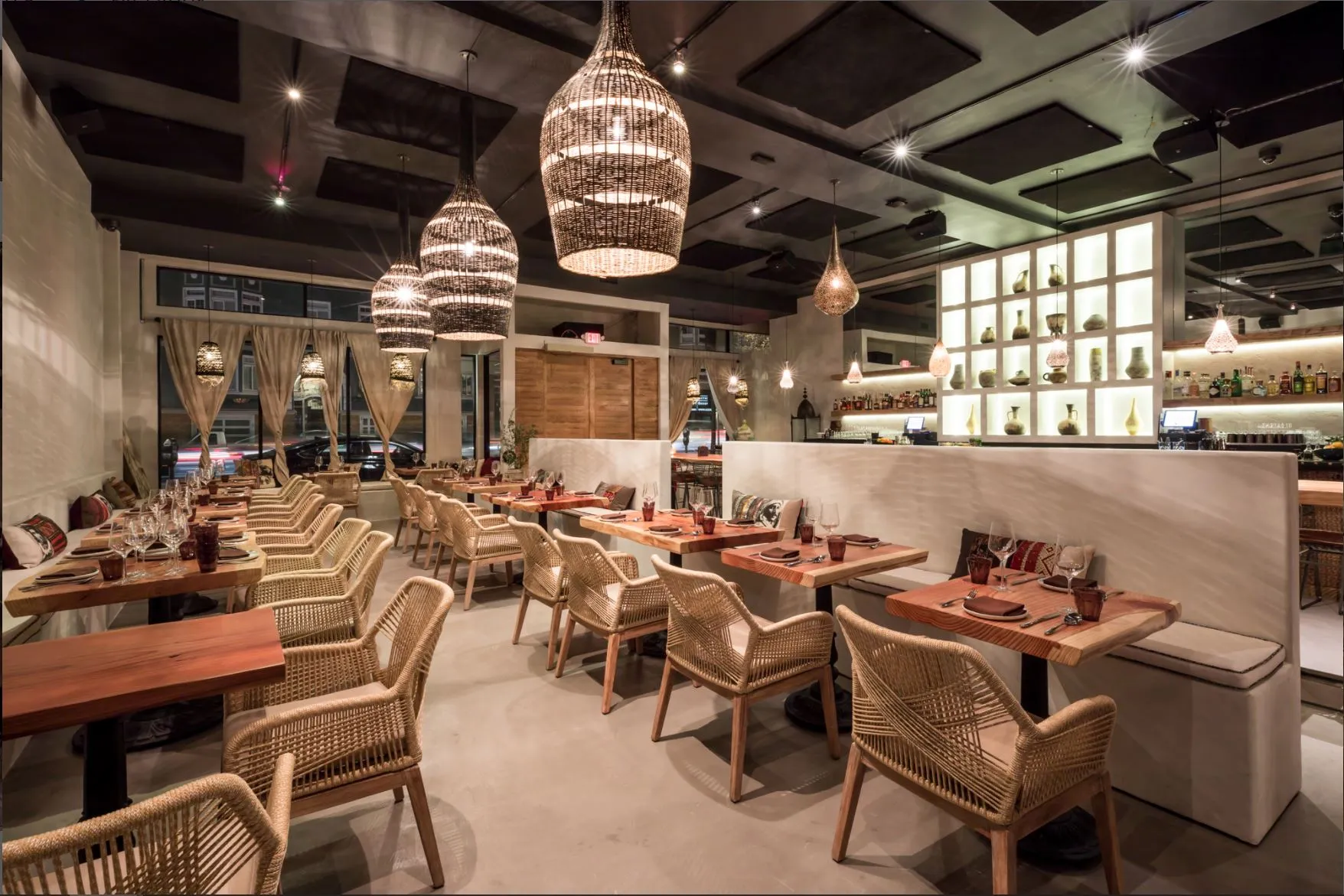
From Spain all the way back, go all around the Mediterranean back to Morocco. There's a lot of cultures, Spain, France, Italy, Greece, Turkey, you know, the Middle East, North Africa, every region has their own specialties and you know, again, food recipes and so on and so on. So I think I have a very good canvas to play with, to draw things, to let people taste different flavors, different you know recipes and enjoy them in a bigger frame, not just the food. It's you know, my restaurant Feerma right now, you come in, you can see the grill. It's a big grill like a farm with a wood oven for the bread, so they're gonna smell the food, they're gonna see it. You know, everything is easy on the eye. We call it elegant, rustic, elegant. Very farm but clean. You know, you won't see like everywhere else, you know, wood from everywhere. It's gonna be very tasty. And I think I'm on the right path, and I think that's what I'm again different from many other restaurateurs. I like to impress people. That's my goal.
Nice. Let me ask you from your experience, what is the most common mistake that you see new restaurant owners make these days?
Borhen Hammami: Honestly, the most common thing, honestly, is the owner has to be part of it. I am always hands on. I'm in the restaurants, like I said earlier, I'm the first person to come in and last person to leave. I like to be aware of everything. What's going on in the kitchen, what's going on in the floor, what's going on in the reception, what's going on in the bar. Everywhere. I have to be aware. I have to be part of it as well. I participate. You know, there is nothing I can say, I don't do 'cause I'm the owner. No. I clean tables. I, you know, serve food. I make drinks. I'm the host. I am there day and night.
I'm part of the restaurant. I'm the soul. I like to, you know, I don't like to have everything about me, but I have to keep my eyes on everything. I trust my staff. I do everything, but I have to be there as well. And if you own a restaurant and you take you know a lot of time off or you know you're not very interested, it's hard for a restaurant to thrive and you know become something what you want unless you give it from you, from your heart, from your blood, from your you know, you feel for it, you be part of it. It's like your home. And that's how I feel.
Like when people come to my restaurants, they come into my house, not come into my restaurants. I like to please them, I like to spoil them, you know. I just want them to go home happy, no matter what. And that's my advice. If you own a restaurant, please be there. Work on it. Make sure you're doing a good job. Everybody's doing a good job. I tried it a few times, very, very, very few times that I don't go to work 'cause for some reason, for example, my daughter's dance. I have to go see her dance or something like this. And trust me, 99% I'm not there. If I'm not there, something is gonna happen. Trust me, something. So again, it's a labor of love by the end of the day. If something comes from your heart, you wanna do it. You don't do it because you wanna get paid, or you know, you're looking at the money, you're not looking at what you are doing. I'm a perfectionist, I like to perfect things, and I like to please and serve. That's what I love.
Let me now switch to a couple of questions related to recruitment since a lot of our audience are from this industry. So you say that you're now about to open Feerma, so I'm guessing you're hiring. What is the first thing you look for in someone walking in the door for an interview?
Borhen Hammami: That's a very good question. Depends on the position, first of all. For example, right now I am starting to look for a chef. I honestly had a chef, which is my previous chef who helped me with Berber. He's a family guy and he'd been waiting for Feerma to open, but it took a little longer than expected. Unfortunately for me, but good for him, he got you know an offer to work for a corporate company. Executive corporate chef. They're paying him a lot of money. I cannot match it. So unfortunately I had to let him go and I wish him the best. So right now I'm looking for a chef. I prefer to have a chef that matches the theme, somewhere from the Mediterranean, and has knowledge of Mediterranean cuisine. You know, I love what he's doing. Something also passionate.
I want people passionate about their career and what they do. They want grow. So something I didn't mention earlier is Feerma has a vision. It's my vision. It's next year, after one year we open we're gonna buy a farm. And that farm we're gonna use it for many other things. Some of it it's the most important for me is to bring families. Parents with kids, and the kids come on Saturdays or Sunday brunch, and they get to enjoy brunch from the farm. Something cooked over there on wood, on fire. You know, vegetables and fruits, everything picked from the farm, eggs and honey and so on and so on. I want the kids get connected with nature 'cause now these days everybody's connected to their devices and so much you know screen time and all that. I want people to leave their home, you know, go with the family, go to a farm, let the kids be silly, let them chase whatever, let them climb trees, let you know touch the soil, get their hand dirty
You are replicating the experience. You mentioned this experience at the beginning of our conversation. You are replicating the experience that you said you were like chasing the chicken when you were a child back in Tunisia
Borhen Hammami: Thank you. That was my experience as a kid. Yes. And this is my dream. It's to have others enjoy this part of my childhood that always was my highlight of, you know, every year. It's when I'm going to my grandpa's farm. You know, my grandpa and my grandma taught us how to live healthy too. You know, what to eat, you know, olive oil, you know, honey, everything, nature, everything is good for your body. They lived very long. My grandma, she passed away in ninety-seven years.
My grandpa passed away in the late eighties as well. They have been healthy all their lives, healthy, you know, strong. And so that's one of the things I wanna teach a new generation, how to eat, how to get connected to nature again. Also, the farm would be used for big dinners, bring special chefs from all over the world, you know, have weddings over there, have a retreat, you know, something like this to let people leave the city and come to a farm, spend a day, get connected, you know, that can bring their family, that can, you know, celebrate, that can do so many things in that farm. And so go back to hiring staff. The number one is attitude. If you have a good attitude, I can teach you. And if you're willing to learn, I can teach you. The attitude is something I cannot teach. If you don't have a good attitude, we can never work together because you're not gonna have a good attitude with me, you're not gonna have a good attitude with your co-workers, you're not gonna have a good attitude with the customers, so it's not gonna work. Number one, it's good manners and good attitude. It goes along very, very far.
Check Our Career Growth Tools


I would wrap up with this question. What advice would you give to a first time restaurant owner about building their opening team? You opened a lot of restaurants, so what about the opening team? How do you build it? So it becomes a family, like what you described.
Borhen Hammami: It is. Number one, number one, if you start looking for a staff, ask around friends and families, you know, by referrals. People that come from referral stay longer usually. If you have staff, give incentive and say, Hey, if you bring me somebody that you trust and you know, you have seen their work and you think you can work with us, bring, and I give you such and such. It gives them incentive and that way also they feel responsible when they bring that person. They're like, okay, this is my referral and he's working with me. I gotta make sure he's doing the right job. So they're gonna make sure this person is going to do a good job. You know, there's a lot of good questions you ask obviously for an interview.
Number one for me, that is, for you have respect, respect, respect. You have to respect the owner, respect the co-workers. Respect the place you work at and respect the customers. That has to come from the heart. You're here to work. The minute you pass the door, you come in to work, you forget all about your problems, your issues. You come in fresh, come in with a good attitude and start working and give your best and be focused. The minute we finish, we close, we are friends together. We're all always friends, but work is work. We have to focus, make sure the experience of the customers, it's you know, meet his expectation or pass it and treat everybody fair and again with good manners. That's my couple of words about that.
Check out more interviews like this brought to you by OysterLink to learn about the industry. You can get them straight to your email by creating an OysterLink account and joining our newsletter.

Loading comments...