


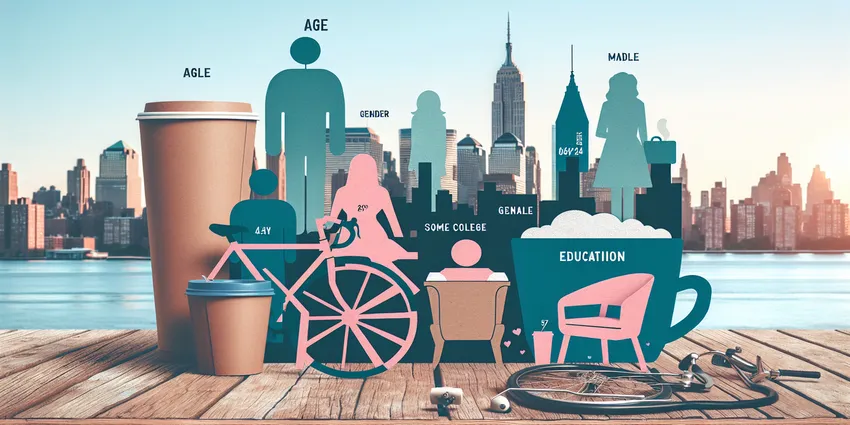

New York City Barista Workforce Demographics: Key Takeaways
- About 67% of baristas are under 30 years old, reflecting a predominantly young workforce.
- Women make up roughly 74% of the barista population in New York City.
- Approximately 43% hold bachelor's degrees, aligning with NYC’s highly educated labor force.
The New York City barista workforce is primarily young and female, with many possessing higher education credentials.
This demographic profile reflects broader national trends while also mirroring the city’s unique labor market characteristics.
For employers interested in building a strong team of coffee professionals, it’s helpful to explore resources such as how to hire a barista to attract top talent.

1. Age Distribution of Baristas in New York City
Baristas in New York City predominantly belong to the younger age groups. Nationally, the average age for a barista is around 24 years, with approximately 67% under the age of 30.
This trend holds true in New York City, where many baristas are early-career workers, students, or recent graduates. The flexible and often part-time nature of barista jobs makes them appealing to individuals balancing education or exploring career options.
Employers looking for guidance on assembling a youthful and energetic team might benefit from reading about restaurant staff hiring strategies.
2. Gender Composition of Barista Workforce in New York City
The barista profession is heavily female-dominated both nationally and within New York City. Approximately 74% of baristas across the country identify as women, with men comprising about 26%.
New York City mirrors this pattern, reflecting a significant presence of women in this occupational role. This gender disparity can be influenced by various factors, including cultural perceptions of the job, employment patterns, and the types of establishments that employ baristas.
This theme relates to broader hospitality workforce trends discussed in female employment in the US hospitality industry.



The Fastest Growing
Restaurant & Hospitality Job Platform
Looking for top paid jobs? Or Hiring for your business?
3. Educational Attainment Among Baristas in New York City
Baristas come from a wide range of educational backgrounds, but many hold higher education degrees. Approximately 43% of baristas in the United States possess a bachelor's degree.
Given New York City's highly educated workforce—with over half of workers aged 25 and older holding a bachelor's degree or higher—this trend is reflected locally as well.
The presence of degree-holding baristas indicates that many individuals may use this role as a flexible job while pursuing or completing education or while seeking employment in their trained fields.
For insight into the barista role itself, see the comprehensive barista job description to understand hiring needs.
4. Racial and Ethnic Diversity of Baristas in New York City
National data shows that 69% of baristas identify as White, with Hispanic or Latino workers making up about 8% of the workforce.
Specific data for New York City is more limited, but the city’s overall diverse population suggests a broader mix of racial and ethnic backgrounds among baristas than the national averages might indicate.
This diversity enriches NYC’s coffee culture and reflects the city’s role as a global urban center.
5. Employment Type and Salary for Baristas in New York City
Many baristas in New York City work part-time jobs, aligning with national trends where 65% of baristas are part-time employees, and only 35% hold full-time positions.
This employment pattern supports those balancing education, other jobs, or personal commitments by offering flexible scheduling options.
The average annual salary for a barista in New York City is approximately $30,436, ranging from around $27,646 to $33,593. This higher pay range compared to the national average reflects the city’s increased cost of living and the demand for skilled coffee-making professionals.
Employers seeking detailed salary information can access the barista salary overview for competitive pay insights.

6. Conclusion on New York City Barista Workforce Demographics
The barista workforce in New York City is characterized by youth, a strong female majority, and a substantial portion of workers with higher education degrees.
Flexible part-time working conditions and a diverse racial and ethnic background contribute to a dynamic and evolving labor pool.
These demographics highlight the role of barista positions not just as entry-level jobs but also as flexible opportunities attractive to educated young adults navigating the city’s competitive labor market.
Restaurant owners aiming to optimize their hiring practices may benefit from the guide to hiring a restaurant manager and restaurant staffing strategies.
7. Resources for Barista Workforce Statistics in New York City
For more information and updated statistics, consider visiting these official sites:
- New York State Department of Labor
- U.S. Bureau of Labor Statistics
- Office of the New York State Comptroller
To learn about barista career paths and interview preparation, visit the barista interview questions page.





Loading comments...