



Restaurant challenges in 2026 go beyond rising costs, touching staffing, technology and customer demands.
Here’s what restaurant owners need to know to stay competitive.

Financial Restaurant Challenges and Profitability Pressures
Rising food, labor and energy costs continue to be some of the biggest restaurant challenges in 2026.
Supply chain disruptions and unpredictable pricing force operators to constantly reassess menus and margins.
To stay profitable, restaurants must focus on smart pricing strategies, supplier diversification and tighter cost control without compromising guest experience.



The Fastest Growing
Restaurant & Hospitality Job Platform
Looking for top paid jobs? Or Hiring for your business?
Rising Food Costs and Supply Chain Restaurant Challenges
Food inflation and ongoing supply chain instability remain major restaurant challenges for operators nationwide.
Price fluctuations and inconsistent availability make long-term planning difficult and often lead to menu price increases.
Restaurants can reduce risk by working with multiple suppliers, sourcing locally and adjusting menus based on seasonal availability.
Labor expenses and wage pressures
Staffing continues to be one of the most persistent restaurant challenges in 2026. Wage increases, labor shortages and burnout are pushing operators to rethink compensation, scheduling and workforce structure.
Cross-training employees and adopting automation where possible can help balance labor costs while maintaining service quality.
Operational Efficiency and Cost Control Restaurant Challenges
Improving operational efficiency is critical to overcoming restaurant challenges tied to shrinking margins. Inefficient inventory management, energy waste and outdated processes can quietly drain profits.
Investing in inventory tracking, energy-efficient equipment and regular cost audits helps restaurants operate leaner and more sustainably.
Staffing and Workforce Management Restaurant Challenges
Recruiting and retaining skilled workers remains a top restaurant challenge across the industry.
High turnover, long hours and limited growth opportunities continue to push talent away from hospitality roles.
Restaurants that offer competitive benefits, clear career paths and a supportive culture are better positioned to keep strong teams.
Training and Skill Development as a Restaurant Challenge Solution
Inadequate training can worsen restaurant challenges related to service quality and employee retention.
Structured onboarding and ongoing education help staff perform confidently and consistently.
Mentorship programs and skill development opportunities also increase engagement and reduce turnover over time.
The Fastest Growing
Restaurant & Hospitality Job Platform
Looking for top paid jobs? Or Hiring for your business?
Scheduling and Work-Life Balance Restaurant Challenges
Unpredictable schedules are a growing restaurant challenge affecting employee satisfaction.
Long shifts and limited flexibility often lead to burnout and absenteeism.
Using modern scheduling software and allowing employees more control over availability can improve morale and retention.

Adapting to Changing Consumer Behavior Restaurant Challenges
Shifting consumer expectations present ongoing restaurant challenges in 2026. Guests now expect convenience, personalization and transparency across every touchpoint.
Restaurants that adapt quickly to these changes are more likely to remain competitive and relevant.
Check Our Career Growth Tools


Digital Ordering and Delivery Restaurant Challenges
Online ordering and delivery have become essential but complex restaurant challenges.
While they increase convenience, they also introduce higher fees and operational strain.
Restaurants need seamless POS integration, clear pickup workflows and carefully chosen delivery partnerships to protect margins.
Dietary Preferences and Menu Flexibility Restaurant Challenges
Meeting diverse dietary needs is an increasingly common restaurant challenge. Guests expect clear labeling, allergen awareness and customizable options.
Regular menu reviews and staff training help balance flexibility with kitchen efficiency and food safety.
Sustainability and Environmental Restaurant Challenges
Sustainability is no longer optional and remains a growing restaurant challenge. Customers increasingly expect eco-conscious practices, from sourcing to waste reduction.
Restaurants that adopt sustainable systems often see long-term cost savings alongside brand trust.
Food Waste Reduction Restaurant Challenges
Food waste is one of the most costly and overlooked restaurant challenges.
Excess inventory, overportioning and spoilage directly impact profitability. Improved inventory management, portion control and composting programs can significantly reduce waste.
Digital Marketing and Social Media Restaurant Challenges
Standing out online is an increasing restaurant challenge in a crowded digital space.
Social media, email marketing and loyalty programs help build long-term relationships. Personalized promotions based on customer data improve engagement and repeat visits.

Health and Safety Compliance Restaurant Challenges
Health and safety regulations remain critical restaurant challenges in 2026. Non-compliance can lead to fines, closures and reputational damage.
Ongoing training and regular audits help ensure consistent standards.
Hygiene Standards and Sanitation Restaurant Challenges
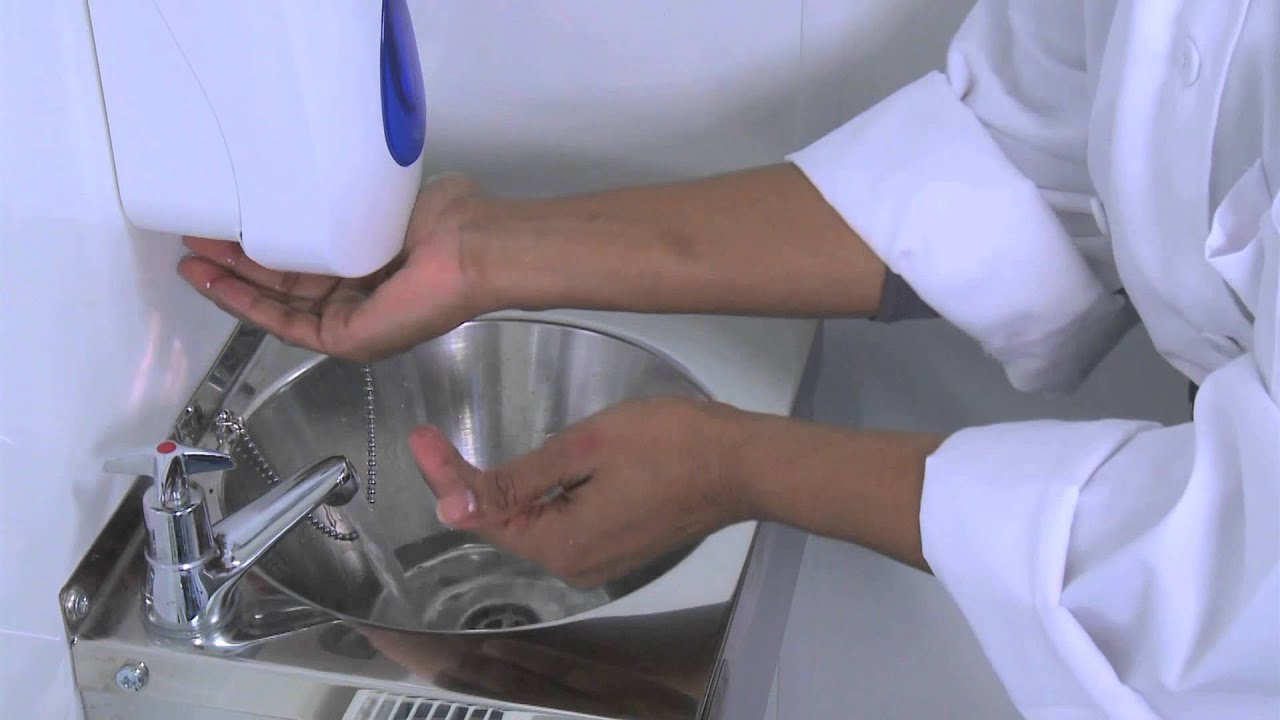
Maintaining strict hygiene is a foundational restaurant challenge. Daily sanitation routines and employee training are essential for passing inspections and protecting guests.
Consistency is key to building trust and avoiding costly violations.
Food Safety and Allergen Management Restaurant Challenges
Allergen management is a high-risk restaurant challenge. Clear labeling, staff awareness and proper food handling reduce liability and improve guest confidence.
Dedicated preparation areas further minimize cross-contamination risks.
Looking Ahead: Overcoming Restaurant Challenges in 2026
Restaurant challenges in 2026 are complex but manageable with the right strategies.
Operators who plan proactively, embrace technology and invest in people are better equipped to adapt.
Platforms like OysterLink support this growth by helping restaurants build strong teams and stay competitive.
The Fastest Growing
Restaurant & Hospitality Job Platform
Looking for top paid jobs? Or Hiring for your business?


Loading comments...